
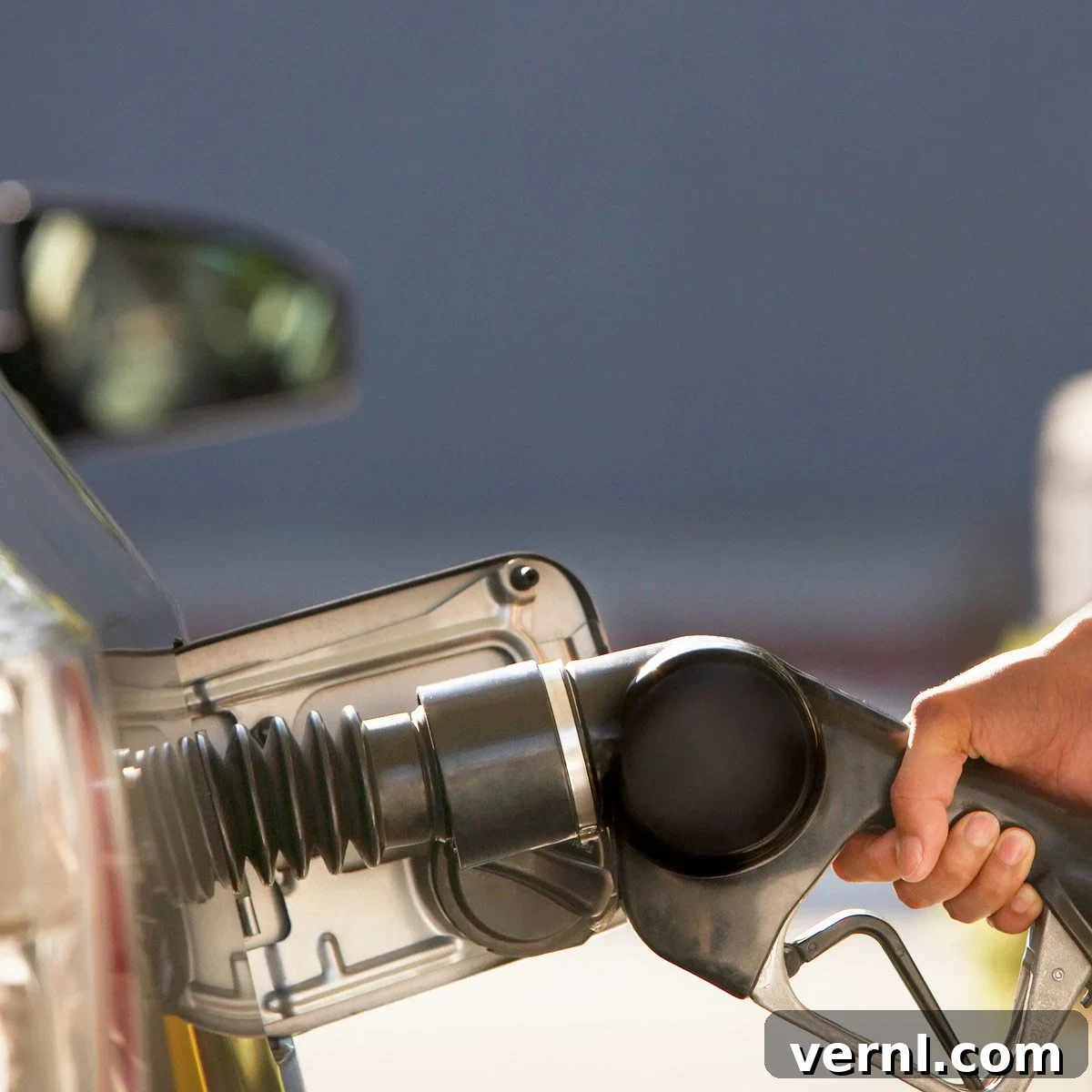
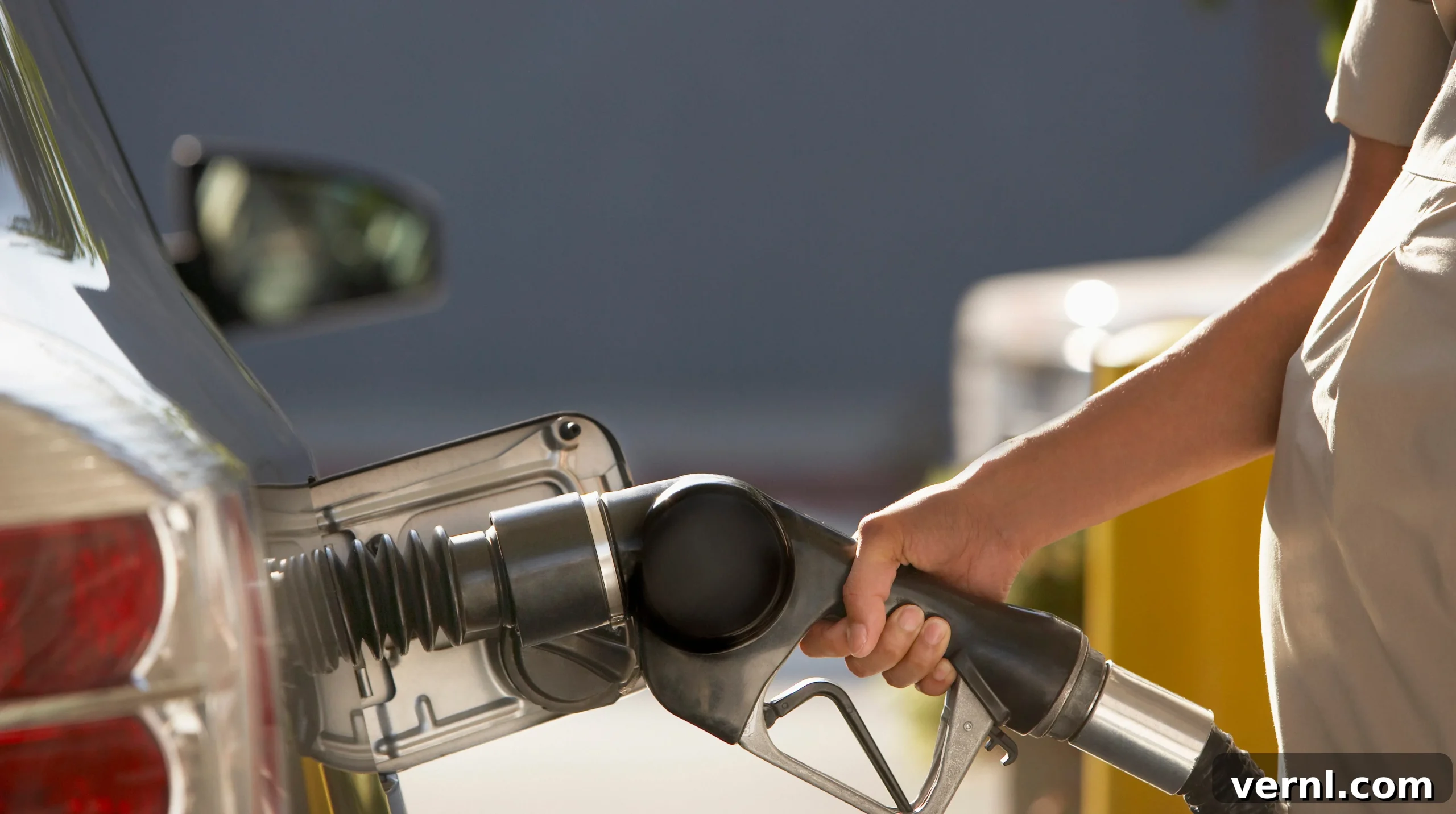
The Ingenious Science Behind Your Gas Pump’s Auto Shut-Off: Fueling Your Vehicle Safely and Smartly
For most drivers, the experience of filling a car’s gas tank is a routine part of vehicle ownership. You pull up to the pump, select your fuel grade, insert the nozzle, and begin pumping. Then comes that familiar thud – the unmistakable sound and feel of the pump automatically clicking off, signaling that your tank is full. This ingenious mechanism is a staple of modern fueling stations, preventing spills, overfilling, and ensuring a safer process for everyone. But have you ever paused to wonder how this seemingly simple device “knows” precisely when your fuel tank has reached its capacity? It’s a common question, and the answer lies in a fascinating blend of physics and clever engineering.
Many might instinctively think that a sensor within your car communicates with the pump, but the truth is far more self-contained within the fuel nozzle itself. This automatic shut-off feature is a testament to smart design, working independently of your vehicle’s internal systems to provide a reliable and efficient fueling experience. Understanding this mechanism not only satisfies curiosity but also reinforces the importance of safe fueling practices, especially why you should never try to “top off” your tank after the initial click.
Unveiling the Mystery: How Gas Pumps Detect a Full Tank
The magic behind the auto shut-off mechanism lies within the gas pump nozzle itself, specifically in how it interacts with the air inside your car’s fuel tank. When you start pumping gas, you’re not just adding liquid; you’re displacing the air that previously occupied that space. This displacement of air is critical to the process.
The Role of Air Displacement and Pressure Dynamics
As Jake McKenzie, Content Manager at Auto Accessories Garage, aptly explains, “The more gas goes in, the more air must come out.” This continuous exchange is fundamental. Your vehicle’s fuel tank is not a vacuum; it contains air that needs to escape as fuel fills the void. This air is expelled through a small, dedicated pipe located just inside the gas nozzle. It’s this tiny, often overlooked component that plays a monumental role in the entire operation.
Think of it like this: before you start pumping, the tank is mostly filled with air, creating a certain pressure. As fuel enters, this pressure changes. The expelled air rushes out through that small pipe within the nozzle. McKenzie offers a vivid analogy: imagine holding your thumb over a garden hose. “Blocking part of the hose [increases] the pressure of the water inside, [causing] the water leaving to spray out at an even greater velocity.” Similarly, when you begin to pump gas, the air pipe, which was effectively “blocked” by the absence of fuel, now quickly releases the trapped air. This rapid expulsion of air generates a pressure strong enough to keep a small internal valve within the nozzle in the open position, allowing fuel to flow freely into your tank.
The Venturi Effect: The Intelligent Shut-Off Trigger
The continuous flow of air through the small pipe maintains the open position of the valve. However, the situation dramatically changes once your fuel tank is full. At this critical point, gasoline, rather than air, begins to reach the opening of that small pipe inside the nozzle. This sudden change from air to liquid creates a fascinating physical phenomenon known as the Venturi effect.
The Venturi effect describes how the speed of a fluid (liquid or gas) increases when it flows through a constricted section of a pipe, and concurrently, its pressure decreases. In the gas pump nozzle, when gasoline — a much denser fluid than air — enters the small pipe, it causes a rapid change in pressure. As McKenzie details, this creates “a small suctioning force… that switches the valve to the off position.” This suction force is powerful enough to pull the valve closed, causing the distinctive click and shutting off the fuel flow instantly. It’s a brilliantly simple yet highly effective system that relies purely on the physics of fluid dynamics, without any complex electronic sensors communicating with your car.
Why “Topping Off” Your Tank is a Risky Practice
Once you hear that decisive click, it’s crucial to stop fueling. Resist the urge to squeeze out those last few drops or round up to the nearest dollar. This practice, known as “topping off,” is not only unnecessary but also potentially dangerous and detrimental to both your vehicle and the environment. “Topping off” your tank is one of the potentially dangerous gas-pumping mistakes you might make, and for good reason.
Environmental and Health Concerns
Modern vehicles are equipped with sophisticated Evaporative Emission Control (EVAP) systems, designed to capture harmful gasoline vapors that would otherwise escape into the atmosphere. When you continue to pump fuel after the auto shut-off, you risk saturating the charcoal canister – a key component of the EVAP system – with liquid gasoline. This not only damages the canister, rendering it less effective at controlling emissions, but also releases raw fuel vapors directly into the air. These vapors contain volatile organic compounds (VOCs) and hazardous air pollutants (HAPs) that contribute to smog and pose health risks.
Damage to Your Vehicle’s Fuel System
Beyond environmental concerns, overfilling can lead to costly repairs for your vehicle. The EVAP system, including the charcoal canister, is not designed to handle liquid fuel. Drowning it in gasoline can cause malfunctions, triggering your check engine light and potentially requiring expensive replacements. Furthermore, excessive pressure from overfilling can stress various components of the fuel system, including hoses and seals, leading to leaks or premature wear.
The Illusion of More Fuel
Many drivers top off thinking they’re getting “more” fuel, but this is often an illusion. The extra fuel pushed into the system often ends up in the vapor recovery system, where it’s not available for combustion in your engine. Essentially, you’re paying for fuel that you won’t use efficiently and that could even cause harm.
Beyond the Click: Essential Fueling Practices for Safety and Efficiency
While the auto shut-off is a remarkable safety feature, understanding other aspects of safe and efficient fueling is equally important for every driver.
These are the things to keep in mind when pumping gas:
- Turn Off Your Engine: Always ensure your engine is off before you begin fueling. This minimizes the risk of static electricity igniting fuel vapors, and also prevents damage to your vehicle’s fuel pump if it’s running dry.
- Avoid Re-entering Your Vehicle: Especially in dry, cold weather, friction from sliding across seats can build up static electricity on your body. If you then touch the metal nozzle, a spark could ignite fuel vapors. If you must get back in, discharge static by touching a metal part of your car (away from the fuel filler) before touching the nozzle again.
- Choose the Correct Fuel Type: Double-check that you’re selecting the right fuel grade (e.g., regular, premium) and type (gasoline, diesel) for your vehicle. Accidentally putting diesel in a gasoline car, or vice-versa, can cause severe and expensive engine damage. Unfortunately, the auto shut-off mechanism is designed for fuel levels, not fuel types, so vigilance is key here.
- Secure the Fuel Cap: After fueling, make sure your fuel cap is tightened properly. A loose or missing cap can not only allow fuel vapors to escape (damaging the environment and potentially triggering your check engine light) but can also compromise fuel efficiency.
- Mind the Environment: Be aware of potential spills and report any significant leaks to gas station personnel. Fueling responsibly contributes to a cleaner environment.
- Don’t Use Electronic Devices: While often debated, many gas stations still recommend refraining from using cell phones or other electronic devices while fueling. The theoretical risk is that a faulty battery or connection could create a spark, though actual incidents are exceedingly rare. It’s generally best to err on the side of caution.
The Evolution of Fueling Safety and Future Considerations
The automatic shut-off nozzle is a product of continuous innovation aimed at enhancing safety and efficiency at the pump. Before its widespread adoption, spills were far more common, posing significant fire hazards and environmental risks. This simple yet effective mechanical solution has become a standard, preventing countless incidents and streamlining the fueling process.
As vehicle technology evolves, so too will fueling methods. The rise of electric vehicles, for instance, presents a different set of “refueling” challenges and safety protocols. However, for the millions of internal combustion engine vehicles on the road today, the gas pump’s auto shut-off remains a vital component of safe operation. It’s a quiet hero, working in the background to ensure that your tank is filled just right, protecting your vehicle, the environment, and your peace of mind.
So, the next time you hear that reassuring click at the gas pump, you’ll know it’s not just a random cutoff. It’s the culmination of intelligent engineering and fluid dynamics, signaling that your tank is perfectly full, ready for your next journey, and reminding you to fuel wisely and responsibly. Respect the click, and enjoy the drive!