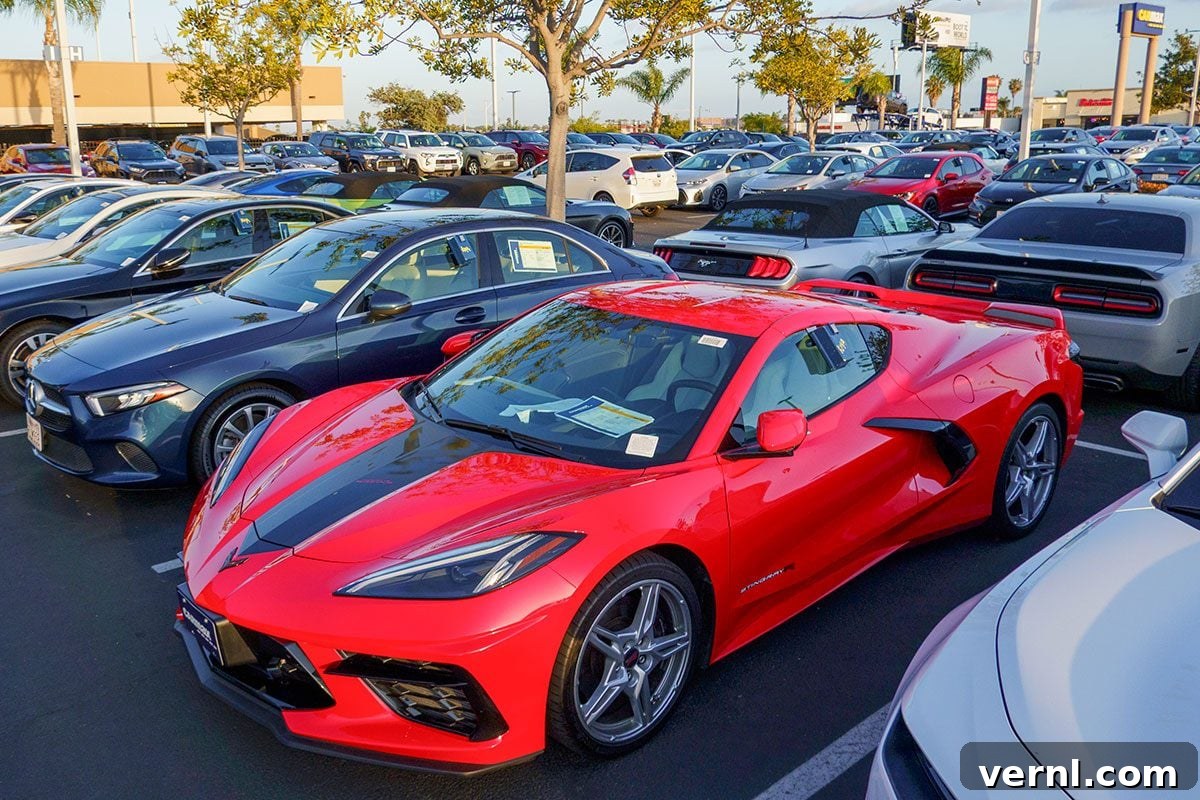
Walking onto a car dealership lot can feel like stepping into a labyrinth of shiny metal and persuasive sales pitches. Every vehicle gleams under the sun, each with a price tag that seems to resist negotiation. But what if there were hidden clues, subtle signals that could give you a powerful advantage? What if a tiny, unassuming colored sticker or dot on a windshield wasn’t just a random mark, but a secret message waiting to be deciphered?
This isn’t about mere inventory tracking or decorative flair. That small, often overlooked mark might be a potent indicator, a whisper from the dealership itself, revealing a golden opportunity for the informed buyer. Knowing its meaning could dramatically alter your car-buying experience, potentially saving you hundreds, or even thousands, of dollars. Dealerships operate under immense pressure to maintain inventory turnover, especially for vehicles that have lingered on the lot for too long. While they won’t overtly advertise which cars are “aged,” there’s often a discreet system in place. Learning to spot these subtle signs can empower you to leverage this insider information to your significant advantage.
The Secret Behind the Windshield Sticker: Decoding Dealer Motivations
The concept of a secret sticker might sound like something out of a spy novel, but it’s a very real practice in many car dealerships. An insider tip, once shared by a TikTok creator and corroborated by many in the industry, revealed that some dealerships strategically place a small sticker or colored dot in the corner of a vehicle’s windshield. The purpose? To signify how long that particular car has been gracing their lot.
It’s crucial to understand that these markers aren’t placed for customer enlightenment. They are primarily internal communication tools, designed for the dealership’s own staff. Yet, for the observant and savvy car shopper, this silent signal transforms into an invaluable piece of intelligence, a quiet clue that can fundamentally shape your negotiation strategy. The “why” behind this system is rooted deeply in the financial mechanics of automotive sales.
Most dealerships don’t purchase their vast inventory of vehicles outright. Instead, they finance their cars using a method known as “floor planning.” Essentially, this is a short-term loan that covers the cost of each vehicle until it is sold to a customer. While incredibly useful for managing large inventories, floor planning comes with a significant catch: interest accrues daily on these loans. The longer a vehicle sits unsold on the lot, the more interest the dealer has to pay. This means that after a certain period—be it 30, 60, 90, or even 120 days—a car begins to cost the dealership real, tangible money every single day it remains on the premises.
Once a vehicle hits this critical profitability threshold, dealerships become intensely motivated to sell it. The goal shifts from maximizing profit to simply minimizing loss and freeing up capital. At this point, they are far more amenable to offering steeper discounts, special financing rates, enhanced trade-in values, or other creative incentives just to move the vehicle off the lot. In many cases, sales managers will even offer their salespeople cash bonuses or spiffs specifically for selling these “aged” units quickly. This internal incentive system creates an additional layer of motivation for your salesperson to close a deal on such a car, making your negotiation path potentially much smoother.
Decoding the Secret Signals: What to Look For on the Lot
Now that you understand the powerful secret behind these markers, the next step is learning how to identify them. As you navigate the rows of cars, pay close attention to the windshields. Look for small, unobtrusive stickers or dots, often circular or square, placed subtly in one of the corners – typically the upper left or right, or sometimes the lower corner. These can come in various colors: red, green, yellow, blue, or even specific patterns. While there isn’t a universal coding system, a consistent pattern of colored dots appearing on a number of vehicles can be a strong indicator of an internal system at play.
It’s important to note that not every dealership employs this exact sticker system, and the meaning of a particular color might vary from one dealer to another. However, the presence of *any* systematic, non-standard marking warrants your attention. Observe several vehicles. Do you see the same color dot on older-looking models, and different colors on newer arrivals? This kind of pattern recognition is key. Don’t be afraid to discreetly take mental notes or even a quick photo (if permitted and without being obvious) to compare markings across different vehicles.
Beyond the simple dots, some dealerships might use small, unique symbols or even a tiny number or letter code. The goal is not to become an expert in every dealership’s specific language, but rather to recognize when an internal communication system is likely in use. The very act of noticing these markers signals your potential as an informed buyer, setting a different tone for your interactions with the sales team.
Mastering the Art of Negotiation with Insider Knowledge
Spotting a mysterious sticker is only the first step; the real magic happens in how you leverage that information during negotiation. You don’t need to confront the salesperson with your newfound knowledge. Instead, integrate it subtly into your conversation, demonstrating an informed curiosity rather than direct accusation.
Here’s how to approach it: During your conversation about a specific car, if you notice a potential “aged” sticker, casually ask, “This car seems like a great fit. Approximately how long has it been on the lot?” Your tone should be light and conversational. Even if they don’t give you a direct answer, the question itself communicates that you’re an observant and thoughtful buyer, not easily swayed. If your gut feeling tells you the car has been sitting there for a while, and the sticker reinforces that, you’re likely on the right track.
This is your cue to lean into negotiation. Reiterate your strong interest but express a need for a “compelling reason” to make a deal today. Since dealerships incur financial losses on long-sitting inventory, they are often much more flexible. You can confidently push for a lower asking price, but also consider requesting additional perks. These might include:
- Reduced Price: The most obvious benefit. Dealers are often willing to shave off a significant amount to clear aged inventory.
- Enhanced Financing: Special, lower interest rates that aren’t typically advertised.
- Extended Warranty: An upgrade from the standard warranty, or a discounted extended service plan.
- Maintenance Packages: Free oil changes, tire rotations, or a pre-paid service package for a certain period.
- Accessories: Complimentary floor mats, cargo nets, window tinting, paint protection, or other upgrades.
- Better Trade-In Value: While they might be losing on the aged car, they might compensate by offering more for your trade-in to sweeten the overall deal.
Remember the salesperson’s motivation. If their manager is offering a bonus for selling an aged unit, they will be even more eager to make a deal with you. This creates a win-win scenario: you get a better price, and they get their bonus. Stay patient, be polite but firm, and always be prepared to walk away if the offer isn’t satisfactory. The power of information gives you an undeniable edge in this high-stakes game.
Beyond the Dot: Comprehensive Dealership Hacks for Savvy Car Buyers
While the windshield sticker is a powerful secret, it’s just one tool in the smart buyer’s arsenal. Several other subtle clues and strategies can help you uncover genuine deals and save money at a dealership.
1. Decoding Stock Numbers and Online Listings
Many dealerships include subtle indicators within their stock numbers or VINs (Vehicle Identification Numbers). For instance, a stock number like “0324” might signify that the car arrived in March 2024. Pay attention to how these numbers are structured across different vehicles. Furthermore, modern car buying heavily relies on online research. Many dealership websites now show how long a car has been listed in their online inventory. A vehicle listed for 60, 90, or even 120+ days online is a clear sign that it’s likely an aged unit the dealer is keen to move. Use this digital footprint to your advantage before you even step onto the lot.
2. Physical Cues of an “Aged” Vehicle
Sometimes, the car itself tells a story. Look for obvious physical signs that a vehicle has been sitting for an extended period:
- Dust Accumulation: A fine layer of dust on the exterior or interior indicates a lack of recent movement or cleaning.
- Faded Window Stickers: Sun exposure can cause the official factory window sticker or dealer add-on stickers to fade or yellow.
- Tire Condition: Flat spots on tires (a common issue for cars sitting for extended periods), or unusual wear patterns, can be indicators. Also, check for visible signs of low tire pressure.
- Battery Issues: While you might not spot this directly, a sluggish start during a test drive could point to a battery that’s been slowly draining while the car sat idle.
- Minor Cosmetic Imperfections: Small dings, scratches, or other minor damage that haven’t been repaired might signify a car that hasn’t received priority attention.
3. Understanding Sales Cycles and Special Promotions
Dealerships operate on strict sales quotas: monthly, quarterly, and annually. The end of the month, quarter, or year often presents the best opportunities for deals, as salespeople and managers are scrambling to hit their targets. If a car is “aged,” these periods amplify the urgency to sell it.
While “manager special,” “clearance,” or “year-end sale” signs can sometimes be generic sales tactics, they often genuinely flag vehicles the dealership is eager to sell quickly. These are prime candidates for deep discounts. When you spot such a sign, combine it with your other observations (stickers, physical cues, online listing duration) to build a strong case for negotiation.
4. Getting Pre-Approved and Researching Market Value
Arm yourself with knowledge before you engage. Get pre-approved for a car loan from your bank or credit union. This not only gives you a clear budget but also means you’re negotiating as a cash buyer, giving you more leverage. Simultaneously, research the fair market value of the specific car you’re interested in using independent pricing guides like Kelley Blue Book (KBB) or Edmunds. Knowing what the car is truly worth in your area will help you discern a genuine discount from a standard offer.
5. The Power of Patience and Willingness to Walk Away
Perhaps the most potent negotiation tactic is patience. Don’t rush into a deal. If the dealership isn’t meeting your terms, be prepared to walk away. Often, this signals to the salesperson that you’re serious, and they might call you back with a better offer. The goal is to make a confident, informed decision, not an impulsive one.
Conclusion: Empowering Your Car Buying Journey
Navigating the complex world of car dealerships can be daunting, but it doesn’t have to be. By understanding the subtle cues and internal motivations that drive sales, you can transform your experience from a passive transaction into an empowered negotiation. That tiny, colored sticker on a windshield, combined with other shrewd observations, is more than just a mark; it’s a key to unlocking significant savings.
Becoming a savvy car buyer means being observant, patient, and armed with information. Whether you’re deciphering a secret sticker, analyzing online listings, or spotting physical signs of an aged vehicle, every piece of knowledge contributes to your advantage. Remember to approach negotiations with confidence, clarity, and a clear understanding of what you want. In a process that can often feel overwhelming, even one insider tip can significantly improve your chances of driving away with a much better deal, feeling proud of your astute purchase.
Related Insights for Car Owners
- Do You Know What That Little Button on Your Seat Belt Is For?
- What Those Lines on Your Backup Camera Really Tell You
- Here’s What The Small Panel On Your Car’s Front Bumper Is For