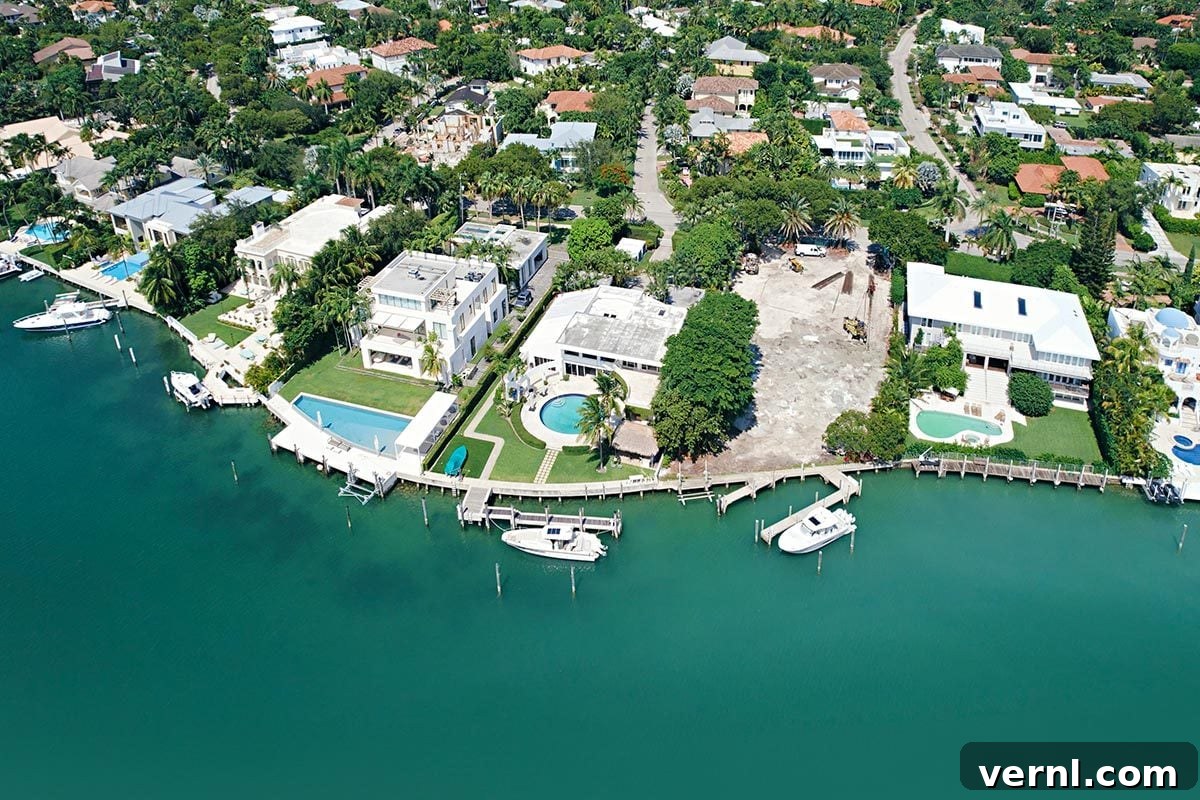
Naples Mansion Sells for Record $225 Million Amidst Rising Climate Concerns
In a groundbreaking transaction that underscores the enduring allure of Florida’s coastline for the ultra-wealthy, a magnificent beachfront mansion in Naples, Florida, has officially changed hands for an astonishing $225 million. This monumental sale shatters existing records, making it the most expensive residential property ever sold in the Sunshine State and securing its place as the second-highest residential sale nationwide. The sprawling estate, a testament to unparalleled luxury, encompasses not just one, but three distinct homes spread across an expansive 15-acre parcel, boasting an impressive 800 feet of pristine beachfront along the Gulf of Mexico.
This sale is more than just a real estate transaction; it’s a profound statement within the realm of luxury real estate. What makes this deal even more intriguing is that the anonymous buyer managed to secure a significant discount. Just months prior, this trio of opulent homes was listed for a staggering $295 million, suggesting a shrewd negotiation that shaved a substantial $70 million off the original asking price. Even with the markdown, the final figure firmly establishes this property as an unparalleled gem in the U.S. luxury market, drawing global attention to Naples’ burgeoning status as a haven for the world’s elite.
Anatomy of an Unrivaled Estate: The $225 Million Compound
The centerpiece of this record-setting acquisition is a sprawling main mansion, a true architectural marvel designed for grand living. This primary residence alone commanded a price exceeding $133 million. It features an impressive six bedrooms, each designed as a private sanctuary, complemented by a staggering 13.5 bathrooms, suggesting an abundance of space and luxury amenities tailored for comfort and convenience. Imagine vast master suites with panoramic ocean views, spa-like ensuites, and dedicated powder rooms throughout the expansive living areas.
Beyond the main mansion, the estate includes two additional residences that contribute significantly to its overall value and exclusivity, bringing in $46.9 million and $44.9 million respectively. These auxiliary homes likely serve various purposes, from accommodating esteemed guests in ultimate privacy to housing dedicated staff, or perhaps functioning as independent recreational or wellness pavilions. Together, these three homes create a comprehensive compound, offering unparalleled privacy, security, and a diverse range of living and entertainment spaces that cater to every conceivable desire of a discerning owner.
The entire 15-acre property is meticulously landscaped, offering lush tropical gardens that provide a verdant contrast to the sparkling blue waters of the Gulf. The 800 feet of beachfront isn’t just a number; it represents direct access to one of Florida’s most beautiful coastlines, offering opportunities for private beach strolls, sunbathing, and enjoying breathtaking sunsets without interruption. Such extensive beachfront frontage in a prime location like Naples is exceptionally rare and highly coveted, solidifying the estate’s status as a truly unique offering in the global luxury market.
The Paradox of Paradise: Extreme Flood Risk Looms
Despite the eye-popping price tag and undeniable prestige, this dream property comes with a significant, sobering caveat that highlights a growing concern in coastal real estate: it sits in an area with what climate experts classify as an “extreme” flood risk. This assessment isn’t just a minor detail; it represents a substantial environmental vulnerability that directly impacts the property’s long-term sustainability and insurance viability.
According to Realtor.com, a leading authority in real estate data, the property has been assigned a climate risk rating of 9 out of 10. This alarming score is backed by predictive models indicating a staggering 99.9% chance that the property will experience significant flooding at least once over the next 30 years. This isn’t a hypothetical threat; it’s a near certainty based on current scientific projections and historical data.
The factors contributing to this extreme risk are multifaceted and interconnected. It’s not solely about heavy rainfall, though increasingly intense storm events are a major concern. The more existential threats include the relentless rise in sea levels, which gradually encroaches upon coastal properties, altering shorelines and increasing the baseline for storm surges. Furthermore, the property is highly vulnerable to hurricane-driven storm surge, a catastrophic force capable of inundating vast areas with destructive walls of water. The combination of these environmental pressures makes the threat very real, posing significant challenges for future maintenance, potential damage, and the ever-increasing cost of insuring such a high-value asset in a high-risk zone.
Assessing Climate Risks in High-End Real Estate Transactions
Interestingly, the identity of the buyer remains undisclosed, but their apparent willingness to proceed with such a monumental purchase despite the glaring climate risks is a topic of considerable discussion. This phenomenon is not isolated to this single transaction. This particular stretch of Naples has recently witnessed a flurry of ultra-high-end transactions, with several homes selling for over $40 million in just the past six months alone. This consistent demand in a high-risk area suggests that for a certain segment of the market, the allure of exclusive beachfront living, combined with other economic incentives, currently outweighs the perceived environmental dangers.
The enduring appeal of oceanfront property in Florida, even with its inherent risks, can be attributed to several powerful factors. Primarily, Florida offers the significant advantage of having no state income tax, making it an extremely attractive destination for high-net-worth individuals seeking to maximize their wealth. This fiscal benefit often offsets some of the potential downsides associated with coastal living. Moreover, Florida’s beachfront property remains one of the most coveted types of real estate in the entire country, representing not just a home, but a lifestyle, a status symbol, and a tangible asset in a perpetually sought-after location. For many, the unique combination of luxury, privacy, and economic benefit presents a compelling case, even if it comes with an environmental asterisk.
The Evolving Conversation Around Climate Change and Homeownership
Beyond individual transactions, climate change is undeniably becoming a much larger and more central part of the broader homeownership conversation across the nation, particularly in vulnerable coastal areas. Homeowners in these regions are increasingly proactive, undertaking various measures to fortify their properties and enhance their resilience against extreme weather events. This includes significant structural modifications like elevating homes on stilts or raised foundations, effectively lifting living spaces above projected flood levels. Others are retrofitting their homes with specialized flood vents, waterproof materials, and redesigned landscaping to better handle and deflect floodwaters, minimizing potential damage and recovery costs.
The adaptation efforts extend beyond individual property owners to collective, community-level initiatives. Many residents are actively getting involved in local planning and infrastructure improvement projects designed to protect entire neighborhoods. These initiatives often include raising critical roads to maintain access during floods, constructing robust seawalls and natural barriers to mitigate storm surge and erosion, and upgrading stormwater drainage systems to handle increased rainfall volumes. In some forward-thinking towns, residents have even gone a step further, establishing community funds specifically aimed at helping fellow residents adapt to the increasing threat of extreme weather, fostering a sense of collective responsibility and resilience.
While moving inland might seem like the most logical solution for avoiding coastal risks, it is not a realistic or desirable option for everyone. Many have deep roots, businesses, and strong attachments to their coastal communities and lifestyles. Consequently, a growing number of people are starting to integrate comprehensive climate data into their home-buying decisions. Tools that rate properties based on their specific climate risk profiles are gaining significant traction. These innovative platforms leverage vast datasets on flood plains, sea level rise projections, wildfire risks, and extreme weather frequencies to provide a more holistic understanding of a property’s long-term environmental viability.
The popularity of these climate risk assessment tools is particularly pronounced as home insurance becomes increasingly difficult to find, or prohibitively expensive, in high-risk zones. Insurers are rapidly adjusting their models to reflect the escalating costs associated with climate-related damage, leading to higher premiums, reduced coverage, or even outright refusal to insure properties in the most vulnerable areas. This financial pressure is forcing buyers and homeowners alike to confront the direct economic consequences of climate change, making climate resilience not just an environmental concern, but a critical financial imperative in the real estate market.
The Future of Luxury: Balancing Desire with Responsibility
The record-shattering $225 million sale of the Naples mansion serves as a powerful microcosm of the complex dynamics at play in today’s luxury real estate market. It highlights the unyielding demand for exclusive beachfront properties, particularly in tax-friendly states like Florida, where the allure of a certain lifestyle remains paramount. Yet, it simultaneously casts a stark spotlight on the escalating environmental risks that come with such coveted locations. This transaction underscores a critical tension: the desire for unparalleled luxury and scenic beauty often collides with the undeniable realities of a changing climate.
As climate data becomes more accessible and the financial implications of climate risks become more pronounced through rising insurance costs and property valuations, the conversation around coastal real estate will continue to evolve. Future luxury homeowners may find themselves increasingly balancing the immediate gratification of an oceanfront paradise with the long-term imperative of climate resilience. This record sale in Naples is not just a testament to wealth; it’s a profound indicator of how our perceptions of value, risk, and responsibility are being redefined in an era shaped by environmental change, urging both buyers and communities to invest in smarter, more sustainable futures.