
Encountering a cockroach in your home or a public establishment can be a jarring experience. More often than not, the culprit is the German cockroach, an incredibly common and tenacious pest. These resilient insects thrive in bustling urban environments and multi-unit dwellings like apartment complexes, finding ideal breeding grounds in the warm, humid pockets of kitchens, bathrooms, and utility rooms.
“What is so intimidating is how fast they can infest a home,” warns Tony King, a seasoned pest control expert and founder of The Pied Piper. He elaborates, “In as little as two to three months, a few roaches can multiply into hundreds, cunningly concealed behind walls, under appliances, or within the hidden crevices of cabinets.”
For those residing in cooler regions, German cockroaches also frequently seek refuge indoors as temperatures drop. Their small size and secretive nature make early detection challenging. However, once you spot even one, swift and decisive action is paramount to prevent a full-blown infestation from taking hold. This comprehensive guide will equip you with the knowledge to identify German cockroaches accurately and implement effective strategies to eradicate and prevent them.
Understanding the German Cockroach
The German cockroach (Blattella germanica) holds the dubious distinction of being the most prevalent species of cockroach globally. These highly adaptable pests have successfully colonized human habitats worldwide, making themselves at home in residences, restaurants, nursing homes, and hotels. While historically believed to originate from Europe, recent research suggests a closer genetic and morphological resemblance to the Asian cockroach, pointing to Southeast Asia as their more probable ancestral home. Their remarkable reproductive capacity and increasing resistance to conventional pest control methods solidify their reputation as one of the most stubborn and difficult pests to manage.
What Do German Cockroaches Look Like?
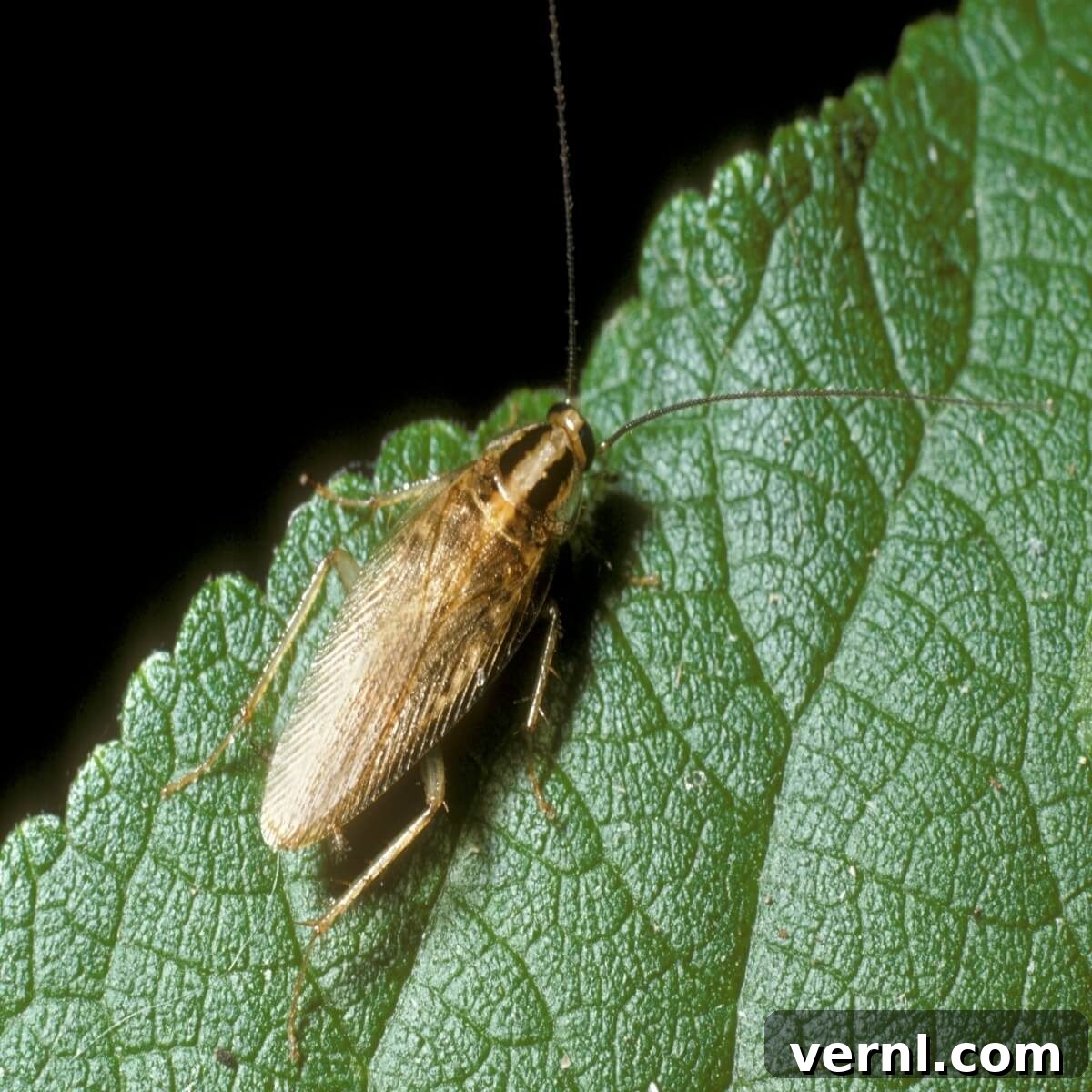
Distinguishing German cockroaches from other species is crucial for effective treatment. They are considerably smaller than their notorious counterpart, the American cockroach, typically growing to less than an inch (about 1/2 to 5/8 inch) in length. Their coloration ranges from a light yellowish-brown to a tan hue, allowing them to blend seamlessly into their indoor environments. A key identifying feature is the presence of two distinct, dark parallel stripes running lengthwise on their pronotum (the shield-like section behind their head). Like all insects, they possess six legs, which enable their characteristic rapid, scurrying movement, and a pair of long, slender antennae that constantly probe their surroundings. Although they are equipped with wings, German cockroaches are infrequent fliers, preferring to run or glide short distances when disturbed.
German Cockroach Behaviors and Habits
Unlike some other cockroach species that readily venture outdoors, German cockroaches exhibit a strong preference for indoor living. While they might occasionally be found outside in consistently warm and tropical climates, their inability to withstand harsh or cold environments means they are almost exclusively found near or within human structures, where they can find stable conditions for survival and reproduction.
“These roaches are usually brought into the home accidentally, hitchhiking a ride in on secondhand items or cellulose material,” explains Emma Grace Crumbley, an entomologist with Mosquito Squad Plus. She adds, “Once inside, they’re highly attracted to warm, dark areas and can easily infest appliances like Wi-Fi routers, microwaves, ovens, and even coffee makers, using the internal warmth and confined spaces as ideal harborage points.” This ‘hitchhiking’ behavior underscores the importance of inspecting items before bringing them into your home.
Among the various cockroach species, the German cockroach is arguably the truest scavenger, possessing an incredibly diverse and opportunistic diet. They are omnivores, meaning they will eat almost anything organic they can find. This includes typical human foods and crumbs, but also extends to less conventional items such as soap, book bindings, glue, toothpaste, pet food, starches, sweets, meats, greasy residues, and even fermented foods. Their indiscriminate feeding habits make thorough sanitation absolutely vital.
“Crumb remains from meals, messy dishes left overnight, and even grease splatters behind your cooking stove can be irresistible attractants,” emphasizes King. He also points out their significant sensitivity to humidity, stating, “Dripping faucets, leaky pipes, or pet water dishes left out overnight are huge attractants for these moisture-loving pests, providing them with essential hydration.”
The German Cockroach Life Cycle: A Challenge to Control
The German cockroach undergoes the typical three stages of incomplete metamorphosis: egg, nymph, and adult. The most significant challenge in controlling these pests lies in their remarkably efficient reproductive cycle. A single female German cockroach can produce numerous egg cases (oothecae) during her short lifetime, with each ootheca containing an average of 30-48 eggs. Given their average lifespan of only three to six months, this prolific reproduction capability is astonishing.
What makes German cockroach infestations grow exponentially is their rapid developmental rate. From egg to sexually mature adult in less than ninety days, sometimes as quickly as 45 days under ideal conditions, their population can explode. A few surviving individuals can quickly replenish and expand an infestation, making control incredibly difficult. The combination of frequent reproduction, large clutch sizes, and a fast metamorphosis means German cockroaches pose more persistent and widespread problems for humans than almost any other cockroach species.
Recognizing the Signs of German Cockroaches
Since German cockroaches are predominantly indoor dwellers, recognizing the early signs of their presence is critical for prompt action. These indicators can help confirm if they have infiltrated your establishment:
- Visual Sightings: The most obvious sign is seeing a cockroach. If you spot them scurrying around food preparation areas, near water sources, or in dimly lit spaces, especially during the day, it often indicates a significant infestation. German cockroaches are primarily nocturnal, so seeing them in daylight suggests overcrowding or a lack of food and water, forcing them out of hiding.
- Droppings: German cockroaches leave behind small, dark fecal droppings that resemble ground coffee, black pepper, or tiny black specks. These are typically found in areas where they feed and congregate, such as inside kitchen cabinets, along baseboards, under sinks, or on countertops. On vertical surfaces, they may leave smear marks.
- Egg Cases (Oothecae): Female German cockroaches are unique in that they carry their light brown, capsule-shaped egg cases for almost the entire gestation period, dropping them only a day or two before hatching. Finding these discarded oothecae, typically about 6-8mm long, in secluded spots like behind appliances, in cracks, or under furniture, is a clear sign of an active breeding population.
- Musty Odor: In cases of heavy infestation, German cockroaches can produce a distinct, unpleasant musty, oily, or stale odor. This smell is caused by their pheromones, droppings, and secretions, and becomes more pronounced as populations grow, often noticeable when entering an infested room or opening a cabinet.
- Shed Skins (Exuviae): As nymphs grow, they shed their exoskeletons multiple times. Finding these empty, translucent brown skins, or exuviae, in undisturbed areas like behind appliances, under furniture, or within cluttered spaces, confirms the presence of developing cockroaches.
Effective Strategies to Get Rid of German Cockroaches
German cockroaches are commonly found indoors, favoring warm, moist locations with a consistent food supply. Their preferred hiding spots include kitchens, bathrooms, and basements, where they often conceal themselves in drains, behind appliances, within cabinets, and deep inside cracks and crevices.
Because they thrive in unhygienic, moist conditions, the cornerstone of any successful eradication and prevention plan for German cockroaches is impeccable sanitation. Begin with a comprehensive deep clean: declutter your home, moving and cleaning behind the refrigerator and stove, meticulously scrubbing greasy spots, and vacuuming crumbs from drawers, pantry shelves, and floor corners. Pay special attention to cleaning under sinks, around pipes, and in any dark, undisturbed areas.
If you discover roaches or evidence of them on an item you wish to keep, Emma Grace Crumbley advises, “Remove as many roaches and egg cases as you can, then immediately seal the item in a sturdy trash bag.” For smaller items, she suggests, “If feasible, freeze the item for at least 48 hours to kill any hidden roaches or eggs. Alternatively, leave it outside in direct sunlight for several days until there’s no longer any sign of roach activity.”
Following sanitation, various methods are available to kill cockroaches, including traps, baits, gels, powders, and natural solutions. Tony King highly recommends the use of gel baits (such as Advion or Combat), strategically placing them in areas where you’ve observed activity, like under sinks, along the edges of appliances, inside cabinet hinges, and near pipes.
“These slow-acting baits are incredibly effective because they allow the roaches to consume the poison and return to their nest, sharing the contaminated bait with other roaches, including nymphs and those in hiding, through regurgitation and consumption of fecal matter,” King explains. This ‘domino effect’ helps to eliminate the entire colony. Additionally, he advises incorporating insect growth regulators (IGRs), like Gentrol, which don’t kill adults directly but instead disrupt the roaches’ life cycle, preventing nymphs from maturing and adults from reproducing, thereby stopping future generations. However, with any chemical treatment, it is absolutely critical to carefully read and follow all instructions to ensure the safety of children, pets, and other household members.
Due to their rapid and highly efficient reproductive cycles, German cockroaches are notoriously difficult to control. Even a few surviving eggs can quickly replenish an infestation. Therefore, if your diligent DIY efforts do not yield significant results within a few weeks, it is strongly advised to consult with a professional pest control service.
“For German roach infestations, in particular, DIY solutions typically prove insufficient,” states Crumbley. “These roaches are small, incredibly fast, and reproduce at an astonishing rate. The quickest and most efficient way to achieve lasting eradication of German cockroaches is to call a qualified pest control professional for expert assistance. They possess the knowledge, specialized tools, and stronger products required to tackle these resilient pests effectively.”
German Cockroach Safety and Health Risks
The unsanitary habits of the German cockroach make them a significant health concern for both homes and businesses. Their constant foraging through filth and subsequent contact with food surfaces can lead to the widespread contamination of food items. They are known carriers of various bacteria, including Salmonella and E. coli, as well as viruses and parasitic worms, which they can mechanically transmit from dirty environments to clean surfaces and food.
Beyond direct contamination, their droppings, shed skins, and saliva contain potent allergens. Exposure to these cockroach allergens can trigger or exacerbate allergy symptoms and asthma attacks, particularly in sensitive individuals and children. Prolonged exposure can even lead to the development of asthma in previously unaffected individuals. The presence of these pests also contributes to an overall unsanitary environment, potentially spreading pathogens harmful to people. The dangers cockroaches pose demand immediate and deliberate action to protect public health and safety.
Frequently Asked Questions About German Cockroaches
How fast do German cockroaches reproduce?
German cockroaches reproduce exceptionally quickly, which is a primary reason for their notorious pest status. Trenton Frazer, lead entomologist at Aptive Environmental, explains, “One female can carry about 40 eggs at a time in a single egg capsule, and produce multiple such capsules during her short lifespan, leading to hundreds of offspring in just a few months. Under ideal conditions, a single pair of German cockroaches can produce tens of thousands of descendants within a year, causing infestations to grow exponentially fast.” This rapid reproductive cycle makes early detection and aggressive intervention critical.
How can I prevent future German cockroach infestations?
Unlike some other cockroach species that may wander into your home from the outdoors, German cockroach infestations are almost always the result of accidentally bringing them inside, as Emma Grace Crumbley points out. Therefore, the most effective prevention strategy is meticulous inspection of all used items before they enter your home – this includes groceries, delivery boxes, secondhand furniture, electronics, and luggage returning from trips. If German roaches are found, act immediately by contacting a pest control professional.
Beyond vigilance with incoming items, maintaining a clean and unwelcoming environment is paramount, especially in kitchens and bathrooms. Promptly fix any water leaks, as moisture is a major attractant. Store all food in tightly sealed, airtight containers and never leave food out overnight, including pet food. Empty garbage cans nightly and use bins with tight-fitting lids. Address damp areas by using dehumidifiers and ensuring good ventilation. Regular vacuuming helps remove crumbs and eggs. Additionally, it’s beneficial to seal off potential entry and hiding points with caulk, paying attention to gaps along baseboards, holes around pipes, and spaces next to electrical outlets.
“Preventing future infestations is as simple as making your house as unwelcoming to cockroaches as possible,” says Tony King. He further recommends, “I also advise customers to place sticky traps in kitchen corners and under sinks as early warning signs. Regular maintenance, meticulous cleaning, and vigilance go a long way in keeping roaches away.”
Finally, for those residing in apartments, condominiums, or townhomes, prevention efforts must also involve communicating with neighbors and property management or homeowners’ associations (HOAs). “Infestations of German roaches can easily spread between adjacent rooms and units through shared walls, utility lines, and common spaces,” highlights Crumbley, emphasizing the need for a community-wide approach to control.
Are German cockroaches dangerous?
Yes, German cockroaches are considered dangerous pests due to the significant health risks they pose. They can contaminate food and surfaces with bacteria, viruses, and parasites. Their droppings and shed skins contain potent allergens that can trigger or worsen asthma and allergy symptoms, especially in children. While they don’t directly bite or sting, their presence indicates an unsanitary environment that can lead to various illnesses and compromise indoor air quality. Immediate action is recommended upon detection to mitigate these health hazards.
What attracts German cockroaches to a home?
German cockroaches are primarily attracted to homes by three essential elements: food, water, and shelter. They are opportunistic scavengers, drawn to any accessible food source, including crumbs, spills, greasy residues, pet food, and even non-food items like soap and glue. Their high sensitivity to humidity means they seek out moist environments, making leaky pipes, dripping faucets, and damp areas highly appealing. Finally, they require secluded, warm, and dark harborage points for safety and breeding, such as cracks in walls, behind appliances, and inside cluttered cabinets. Eliminating these attractants is key to prevention.
About the Experts
Tony King is a renowned pest control expert and the founder of The Pied Piper, a highly respected pest control company that has served the London, England, area for over 25 years. His extensive experience provides invaluable insights into effective pest management.
Emma Grace Crumbley is an accomplished entomologist at the national pest control franchise Mosquito Squad Plus. A self-described “bug nerd,” she leverages her deep expertise to educate the public about the fascinating, and sometimes problematic, world of insects.
Trenton Frazer serves as a lead entomologist at Aptive Environmental. With two decades of experience in the pest control industry, he is dedicated to providing innovative pest control solutions and empowering the public with knowledge on effective pest prevention and management strategies.
Additional Cockroach Resources
For more in-depth information about various cockroach species and understanding the implications of finding these pests in your home or business, explore these helpful pest control articles:
- Types of Cockroaches
- American Cockroach
- German Cockroach
- Oriental Cockroach
- Smokybrown Cockroach
- Brown-Banded Cockroach
- Pennsylvania Wood Cockroach
- Asian Cockroach
- Flying Cockroaches
- Cockroach noises
Sources
- https://www.epa.gov/managing-pests-schools/cockroaches-and-schools
- https://extension.umn.edu/insects-infest-homes/cockroaches#german-cockroach-137710