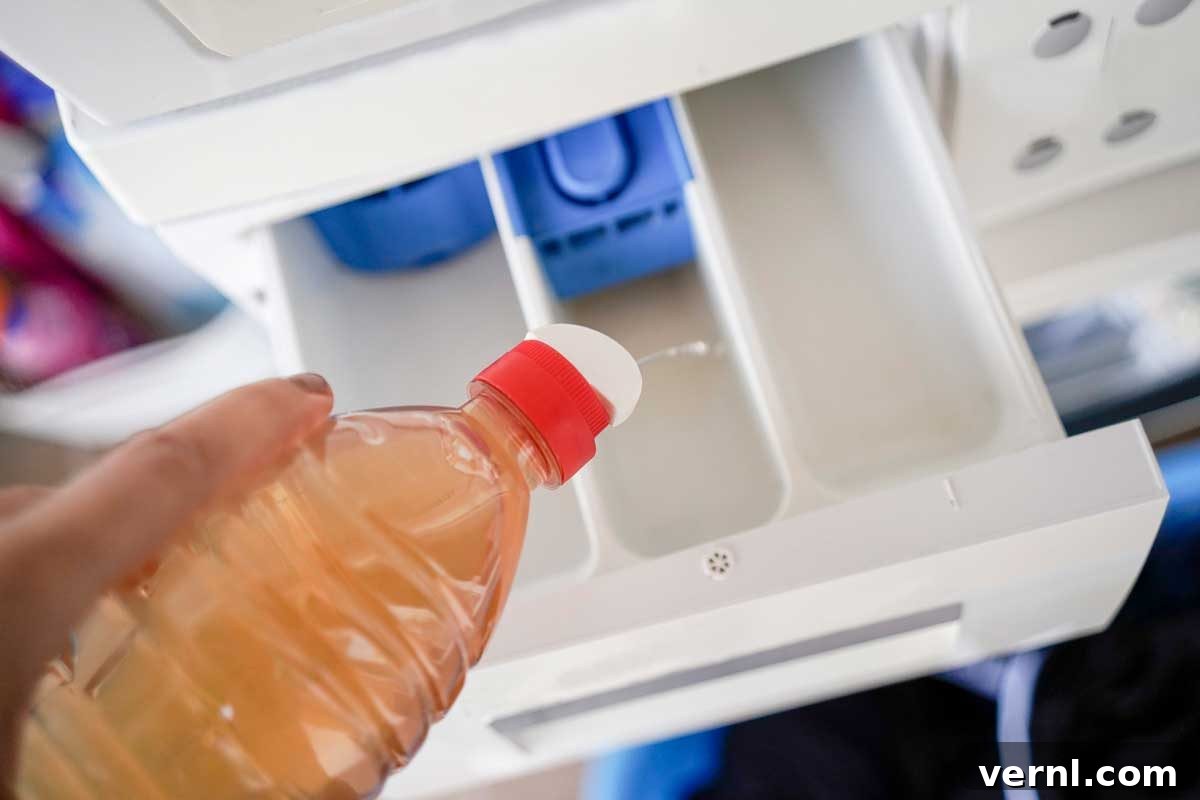
In a world brimming with specialized cleaning products, often laden with harsh chemicals and hefty price tags, there’s one humble pantry staple that consistently rises above the rest: vinegar. This incredibly versatile liquid is a true unsung hero, not just in the kitchen but throughout the entire household, and particularly in the laundry room. There’s genuinely no compelling reason not to keep your cupboard well-stocked with vinegar, as it boasts an indefinite shelf life, making large quantity purchases a smart, waste-free investment. Its applications span an impressive range, from delicate tasks like polishing piano keys to more robust challenges such as eradicating stubborn ballpoint-pen scribbles. Beyond its remarkable utility, vinegar is also exceptionally economical; a gallon jug typically costs just a few dollars, offering immense value for its widespread uses.
For those seeking an even more potent cleaning solution, specialized cleaning vinegar is available, boasting a 20 percent higher acidity compared to standard white distilled vinegar. This makes it particularly effective for tougher cleaning challenges where extra strength is needed. While vinegar is a powerful ally, it’s crucial to acknowledge its limitations. There are certain items you should never clean with vinegar, and a critical safety warning: never, under any circumstances, mix vinegar with bleach. This combination creates a toxic chlorine gas that can be extremely dangerous. However, despite these caveats, one area where vinegar unequivocally proves its worth, time and time again, is in the laundry room.
The thought of adding vinegar to your laundry might conjure images of your clothes smelling like a pickle jar, but rest assured, this distinctive odor completely dissipates during the wash and rinse cycles. Your freshly laundered garments will emerge smelling clean and neutral, without any lingering vinegary scent. Embrace the power of this natural, eco-friendly, and cost-effective solution as we explore nine transformative ways to integrate vinegar into your everyday laundry routine, elevating your garment care and machine maintenance to new heights.
The Ultimate Guide to Using Vinegar for a Cleaner, Fresher Laundry
Discover the unparalleled versatility of vinegar as a natural and powerful solution for common laundry dilemmas. From eliminating stubborn odors to restoring the vibrancy of your clothes, this eco-friendly household staple offers a multitude of benefits that can revolutionize your laundry routine. Dive into these expert tips to harness the full potential of vinegar for a cleaner, fresher, and more sustainable home.
1. Banish Unwanted Odors and Stop the Stink
Have you ever noticed that some clothes, despite being freshly washed, retain a persistent musty or lingering body odor? This common issue often stems from bacteria trapped within fabric fibers or residual detergent buildup. Vinegar, with its acetic acid content, acts as a natural deodorizer and antibacterial agent, effectively neutralizing these unwelcome smells and breaking down the culprits causing them. To bring your garments back to olfactory neutrality, simply add 1/2 to a full cup of distilled white vinegar to the rinse cycle of your washing machine. This method is particularly effective for gym clothes, towels, or items left damp for too long.
The vinegar works by dissolving the alkaline residues from detergents and breaking down odor-causing compounds, leaving fabrics genuinely clean and refreshed. While highly effective, a word of caution is prudent: the acidic nature of vinegar can, over prolonged and very frequent use, gradually weaken the elasticity of certain synthetic fibers like spandex or elastic bands. Therefore, it’s advisable not to make it a daily habit for every single wash, especially for items heavily reliant on stretch, such as your athletic wear. For routine odor removal on most fabrics, however, it remains a fantastic, chemical-free solution that ensures your clothes smell truly clean, not just covered up.
2. Maintain a Pristine Washing Machine
It’s easy to overlook, but sometimes the source of unpleasant laundry odors isn’t the clothes themselves, but the washing machine. Mold, mildew, and soap scum can accumulate in various parts of the appliance, particularly in front-loading machines. If your washer has developed a distinct, damp, and mildewy smell, a thorough vinegar cleaning can restore its freshness and efficiency. Begin by addressing the easily accessible areas: dampen a clean rag with white distilled vinegar and meticulously wipe down the rubber gasket around the door, the detergent dispenser, and any other visible surfaces where grime tends to collect. These areas are notorious breeding grounds for mold and mildew.
For a deeper, more comprehensive disinfection and to eliminate accumulated soap scum, hard water mineral deposits, and unseen grime from the entire washer drum and internal mechanisms, pour 2 cups of white vinegar directly into the detergent dispenser or drum. Then, run the machine through a full, hot water cycle without any clothes or detergent. This will circulate the vinegar throughout the system, dissolving buildup and sanitizing surfaces. If your washing machine is exceptionally dirty or has a significant odor problem, you can opt for a more intensive treatment: fill the machine with the hottest possible water setting, add 2 gallons of white vinegar, and let the agitator or drum run for 8 to 10 minutes to ensure thorough mixing. Afterward, turn off the washer and allow the vinegar solution to stand and soak overnight. In the morning, drain the basin and run your washer through a complete cycle once more to rinse away all residues. Regularly cleaning your machine with vinegar not only keeps it smelling fresh but also extends its lifespan and ensures cleaner washes for your clothes.
3. Effortlessly Remove Wrinkles
We’ve all experienced it: leaving clothes in the dryer for too long, only to find them a crumpled mess, forcing another spin cycle. Or perhaps you’ve pulled a garment from the closet only to discover unsightly creases just before heading out the door. Instead of reaching for the iron or re-running the dryer, a simple vinegar solution can come to your rescue. Create an effective wrinkle-releasing spray by mixing 1 part white vinegar with 3 parts water in a clean spray bottle. Lightly mist the wrinkled garment from about arm’s length, ensuring it’s damp but not soaking wet. As the fabric dries, the acetic acid in the vinegar helps to relax the fibers, causing the wrinkles to smooth out naturally. Hang the item to air-dry, and watch the creases disappear.
For an added touch of freshness, you can infuse your wrinkle-release spray with a few drops of your favorite essential oils. Lavender, lemon, or eucalyptus oils are popular choices that can impart a pleasant, natural aroma. Start with a light hand, perhaps 10 to 15 drops per four ounces of water, as essential oils can be potent. You can always add more scent to your liking, but it’s much harder to dilute it once added. This method is not only quick and convenient but also gentler on fabrics than constant ironing, making it ideal for delicate items or for quick touch-ups on the go.
4. Clean and Refresh Your Shower Curtain with Vinegar
Plastic shower curtains and liners are unfortunately prone to developing unsightly mildew stains, soap scum, and water spots over time, making them far from appealing to look at while showering. Fortunately, cleaning them with vinegar is an incredibly easy and effective fix that requires minimal effort. Simply toss your mildewed shower curtain or liner into the washing machine along with a couple of soiled bath towels. The towels provide gentle agitation that helps scrub the curtain clean without damaging it. Add 1/2 cup of your regular laundry detergent and 1/2 cup of baking soda to the load. The baking soda acts as a gentle abrasive and deodorizer, boosting the cleaning power.
Wash the load in warm water on your machine’s regular cycle. Crucially, during the first rinse cycle, add 1 cup of white vinegar. The vinegar will work to kill mildew, dissolve soap scum, and brighten the plastic. Before the machine proceeds to the spin cycle, remove the curtain or liner and immediately hang it back up in the shower to air dry. This prevents new creases and allows it to dry fully, inhibiting further mildew growth. You’ll be amazed at how fresh, clean, and stain-free your shower curtain looks, revitalizing your entire bathroom with minimal fuss.
5. Whiten and Brighten Dull Whites
Over time, white fabrics can lose their crisp, vibrant appearance, becoming dingy, yellowed, or grey due to hard water minerals, detergent residue buildup, or even slight color transfer from other garments. While bleach is a common solution, vinegar offers a natural, less harsh alternative for restoring brilliance to your whites. Here’s an effective out-of-the-washer solution to bring your dingy whites back to life: In a large pot, combine 1 cup of white vinegar with 1-1/2 quarts of tap water. Bring this mixture to a rolling boil on the stovetop. Once boiling, carefully pour the hot vinegar solution into a large, heat-safe bucket or basin.
Submerge your dingy white garments completely into the hot solution, ensuring they are fully saturated. Allow them to soak overnight. The hot vinegar solution works by gently dissolving mineral deposits and breaking down residues that contribute to dullness and yellowing, acting as a natural brightener. In the morning, remove the garments from the soak, wash them as you normally would with your regular detergent, and then dry them. You’ll be delighted by their remarkably restored brightness, appearing like new without the need for harsh chemicals. This method is particularly effective for cotton items, sheets, and towels that have lost their luster over time.
6. Restore Towel Absorbency and Softness
It’s a common frustration: once plush and absorbent towels gradually become stiff, scratchy, and less effective at drying, even with regular washing. This decrease in absorbency and softness is largely due to the accumulation of residues from fabric softener, dryer sheets, and even excess laundry detergent that build up within the towel fibers. These residues coat the fibers, preventing them from effectively absorbing water. Vinegar provides a fantastic, chemical-free way to strip away this buildup and restore some of that “just-bought” feeling to your towels.
To revitalize your towels, begin by washing a half-load of towels using a cup of white vinegar instead of your usual laundry detergent. Add the vinegar directly into the detergent dispenser or directly into the wash drum. Use hot water for this cycle, or if your machine has one, the sanitize cycle for maximum effectiveness. The acetic acid in the vinegar will work to break down and dissolve the accumulated residues. After this vinegar wash, run a second cycle with a half-cup of baking soda instead of vinegar or detergent, using hot water once more. Baking soda acts as a natural deodorizer and further helps to loosen any remaining deposits, while also helping to balance the pH of the fabric. Dry your towels as usual afterward. You’ll notice a significant improvement in their softness and, more importantly, their ability to absorb moisture, making them effective and enjoyable to use again.
7. Set Colors and Prevent Fading
One of the most disheartening experiences in laundry is seeing your vibrant new clothes fade after just a few washes, or worse, having their dyes bleed onto lighter garments in the same load. Vinegar can be a surprisingly effective secret weapon in preventing both color fading and dye transfer, helping to lock in the vibrancy of your brightly colored clothing. The acetic acid in vinegar helps to set the dyes in fabric, making them less prone to running and preserving their original intensity.
Before their very first wash, take your new, brightly colored garments and soak them in undiluted white vinegar for approximately 15 minutes. Ensure the fabric is completely submerged. After the soak, you can proceed to wash them as usual, either by hand or in the washing machine, ideally with similar colors. This pre-treatment step is particularly beneficial for items that are known to bleed, such as new denim or richly dyed natural fibers. As an added bonus, this vinegar soak can also help to eliminate any residual dust, manufacturing chemicals, or sizing agents that might be trapped in the fabric from the production process, resulting in a cleaner, purer garment from the outset. By taking this simple preventative measure, you can significantly extend the life and vibrancy of your colorful wardrobe.
8. Gently Fix Shrunken Sweaters
The dreaded laundry mishap: you’ve accidentally washed your favorite wool or cashmere sweater in hot water, or perhaps carelessly tossed it into the dryer, only to pull it out looking fit for a toddler. While not every shrunken garment can be fully restored, vinegar offers a remarkably effective method for relaxing those contracted fibers and gently stretching your sweater back to a wearable size. The acetic acid in vinegar helps to relax the fibers, making them more pliable and receptive to stretching.
To attempt this rescue mission, carefully boil your shrunken sweater in a solution of 1 part white vinegar to 2 parts water for approximately 25 minutes. Use a large pot to ensure the sweater is fully submerged and has room to move. The combination of heat and vinegar works to gently loosen and unfurl the tightly bound fibers. After boiling, carefully remove the sweater from the pot and allow it to cool enough to handle, but while it is still damp and warm. Lay the damp garment flat on a clean towel and gently begin to stretch it back into its original shape and dimensions. Be patient and work slowly, stretching small sections at a time in all directions – length, width, and sleeves – until you achieve the desired size. Once stretched, reshape it carefully and lay it flat on a fresh, dry towel or a mesh drying rack to air dry completely. Avoid hanging it, as this can cause it to stretch unevenly or distort its shape. This gentle process can often revive beloved garments from the brink of being discarded.
9. Eliminate Stubborn Sweat Stains
Yellow sweat rings on shirt collars and underarm areas are a common and often embarrassing problem, particularly on white or light-colored garments. These stubborn stains are typically caused by a chemical reaction between sweat (especially its salts and oils) and antiperspirant ingredients, as well as body oils and detergents. Mellowing these yellows with vinegar is a highly effective, natural solution that can restore your shirts to their pristine condition. The acidity of vinegar, combined with the mild abrasive and pH-balancing properties of baking soda, creates a powerful stain-fighting duo.
To tackle these unsightly marks, create a potent paste by mixing 2 parts white vinegar with 3 parts baking soda. Stir until you have a thick, spreadable consistency. Generously apply this paste directly onto the yellowed areas of the garment, ensuring the stain is completely covered. Allow the paste to set and work its magic for at least a half-hour; for older or more severe stains, you might extend this to a few hours. The vinegar helps to break down the mineral deposits and oils in the stain, while the baking soda lifts and neutralizes odors. After the setting time, gently rub the paste into the fabric with an old toothbrush or your fingers, then wash the garment as you normally would with your regular laundry detergent. For best results, allow the garment to air dry so you can check if the stain is fully removed before machine drying, as heat can sometimes set remaining marks. This method is incredibly effective at lifting those stubborn yellow rings, leaving your collars and underarms fresh and clean.
Incorporating vinegar into your laundry routine is not just a trend; it’s a smart, sustainable, and highly effective practice. From battling persistent odors and brightening whites to maintaining your washing machine and even rescuing beloved garments, vinegar proves itself to be an indispensable ally in garment care. Its affordability, non-toxic nature, and impressive versatility make it an essential household staple that delivers professional-level results without the environmental impact or harsh chemicals. By adopting these nine simple yet powerful methods, you can elevate your laundry experience, extend the life of your clothes, and enjoy a cleaner, fresher home, all thanks to the humble power of vinegar.