
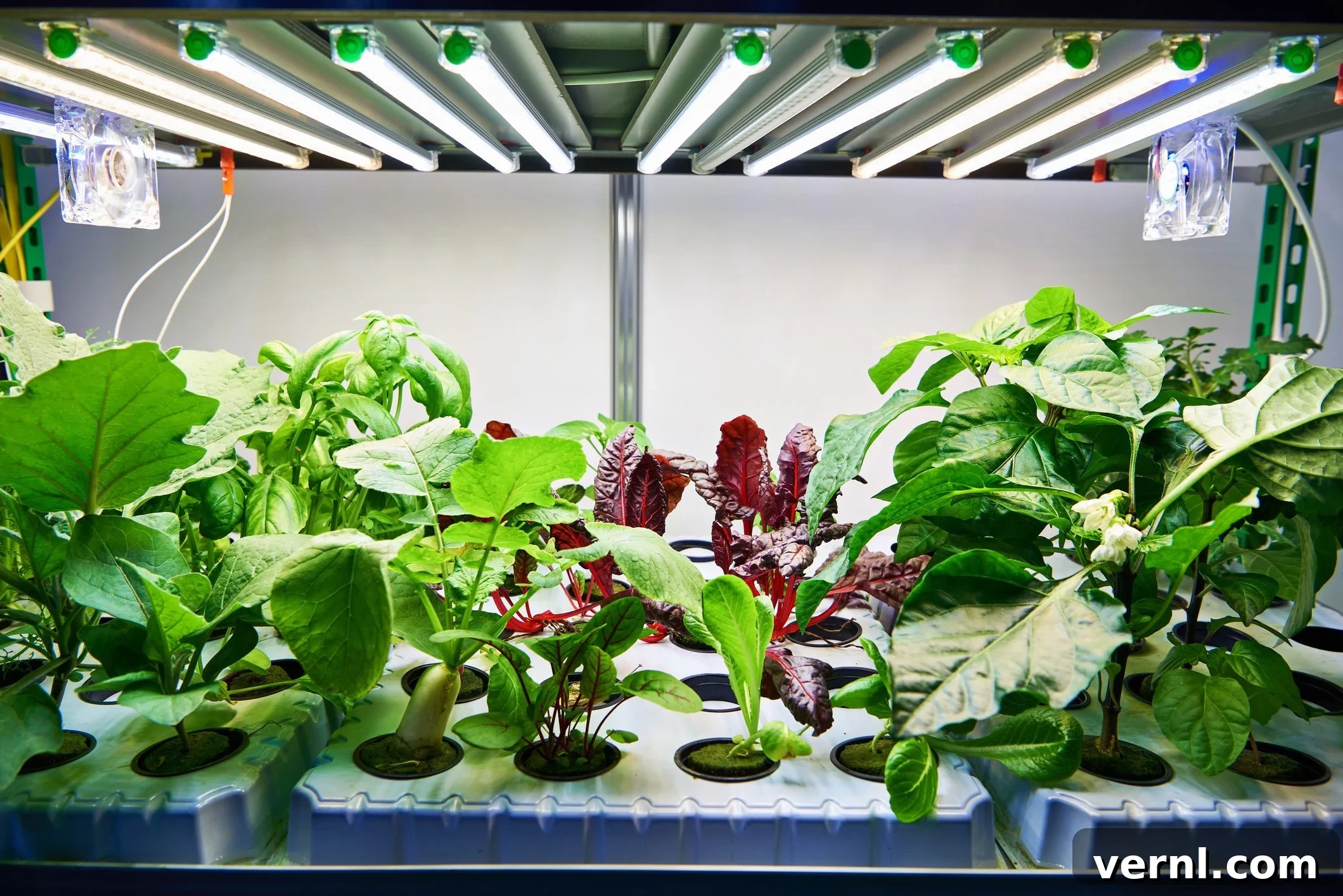
For millennia, humanity has nurtured plants, from ancient agricultural practices spanning 12,000 years to the cultivation of indoor flora for at least 3,000 years. In contemporary times, the practice of growing plants indoors has transcended a mere hobby to become a burgeoning trend. This resurgence is fueled not only by the inherent beauty and aesthetic appeal plants add to our living spaces but significantly by a growing collective desire for food independence and a closer connection to nature. Beyond simply enhancing our outdoor gardening capacity by allowing for early seed starting or overwintering delicate species, the presence of indoor plants has a profound impact on our well-being. Scientific studies increasingly demonstrate that bringing these vibrant splashes of green nature indoors can markedly improve our moods, reduce stress levels, and even boost cognitive function. However, as the seasons transition, and the daylight hours inevitably shorten, our leafy companions often require a little extra support to thrive. This is precisely where the innovation of grow lights steps in.
The journey of using artificial light for plant cultivation began in the mid-19th century, with pioneering botanists experimenting with various light sources. From these early trials, the field has evolved dramatically. As Leslie F. Halleck, a distinguished author and certified professional horticulturist, notes, “With the resurgence of indoor plant popularity, many plant enthusiasts have discovered their favorite plants may not thrive in their low-light conditions. Or they want to grow seedlings and edibles indoors, which pretty much always requires grow lighting.” This necessity has spurred significant advancements, making grow lights an indispensable tool for modern indoor gardeners.
What Exactly Is a Grow Light?
At its core, a grow light is an artificial light source, typically electric, designed to stimulate plant growth by emitting a spectrum of light suitable for photosynthesis. These specialized lights either supplement natural sunlight in situations where it’s insufficient or entirely replace it, providing all the necessary illumination for plants to flourish indoors. Grow lights are incredibly versatile, serving a multitude of purposes for the indoor gardener. They are perfect for establishing a thriving, year-round kitchen herb garden, ensuring a continuous supply of fresh basil, mint, or cilantro. They are also invaluable for overwintering tender potted plants, protecting them from harsh outdoor conditions, and for giving garden seedlings a strong, early start in the spring, well before outdoor planting is feasible.
“You don’t need a green thumb to start gardening indoors with grow lights,” Halleck emphasizes, demystifying the perceived complexity of indoor cultivation. “You just need a desire to learn and willingness to make a few mistakes. Green thumbs are, after all, earned not born!” This sentiment underscores the accessibility of indoor gardening with the right tools and a foundational understanding. She further advises, “That said, it’s beneficial to at least dip your toes into learning a bit more about light science, how plants use lights, and how measuring light indoors can significantly change your understanding of how to use grow lights successfully.” This foundational knowledge empowers gardeners to move beyond trial and error, optimizing their plant’s environment for maximum growth and health.
Understanding How Plants Utilize Light: The Science of Photosynthesis
To truly appreciate the effectiveness of grow lights, it’s essential to understand how plants interact with light. Photosynthesis, the process by which plants convert light energy into chemical energy, is fundamental to their survival and growth. This intricate biological process primarily uses specific wavelengths of light within the electromagnetic spectrum. While sunlight appears white to our eyes, it is actually composed of a rainbow of colors, each with a different wavelength. Plants, however, do not use all these wavelengths equally.
The most crucial wavelengths for plant growth fall primarily within the blue and red spectrums. Blue light (around 400-500 nm) is vital for vegetative growth, promoting strong stems and healthy, compact foliage. Red light (around 600-700 nm), on the other hand, is essential for flowering and fruiting, encouraging bud development and fruit ripening. Green and yellow light are largely reflected by plants, which is why we perceive leaves as green. Grow lights are specifically engineered to provide the optimal balance of these essential wavelengths, often mimicking the full spectrum of sunlight or concentrating on the red and blue components to maximize photosynthetic efficiency.
Beyond spectrum, light intensity and duration are equally critical. Light intensity, often measured in Photosynthetic Photon Flux Density (PPFD), indicates the amount of photosynthetically active radiation (PAR) reaching the plant. Different plants have varying intensity requirements, from low-light tolerant ferns to high-light demanding fruiting plants. The duration of light exposure, known as the photoperiod, also plays a significant role in a plant’s growth cycle, influencing everything from seed germination to flowering.
Can a Regular Light Bulb Fuel Plant Growth?
The question of whether a standard household light bulb can serve as a substitute for a dedicated grow light is common among budding indoor gardeners. The answer is nuanced and largely depends on the type of bulb. For optimal growth, plants require light wavelengths predominantly in the blue and red spectrums, as explained above. Standard incandescent light bulbs, while producing light, primarily emit wavelengths in the less beneficial yellow and green spectrums for plant photosynthesis. Furthermore, a significant drawback of incandescent bulbs is their high heat output. When placed close enough to plants to provide any meaningful light, the intense heat they generate can easily scorch and damage delicate foliage, rendering them largely unsuitable for effective plant growth.
On the other hand, certain regular fluorescent and LED bulbs can offer some benefit in specific, low-demand situations. Their white light incorporates a broader combination of wavelengths, including some blue and red. For instance, a cool white fluorescent bulb might suffice for maintaining a low-light houseplant or providing supplemental light for seedlings that will soon be moved outdoors. However, these bulbs are generally not as effective as grow lights that are specifically designed to deliver higher intensity and a precise, balanced color spectrum optimized for plant growth. As Jonathan Ebba, a field specialist with the University of New Hampshire Cooperative Extension, shrewdly observes, “We pay for every photon that we generate in terms of our electricity, so we should ideally want to only pay for photons that get used, as opposed to yellow ones that would be used by the plant less efficiently.” This highlights the importance of efficiency and targeted light output for both plant health and energy consumption.
Types of Grow Lights: Choosing Your Illumination Source
The market offers a diverse range of grow lights, each with unique characteristics, advantages, and ideal applications. Understanding these differences is key to selecting the most effective system for your indoor garden.
- Fluorescent Grow Lights (T5, T8, CFL): These have long been a popular choice for home growers, particularly for starting seeds and cultivating low-light plants. T5 high-output fluorescent bulbs are especially efficient and offer good light intensity for their wattage. Compact Fluorescent Lights (CFLs) are also an economical option for smaller setups. Fluorescents emit less heat than traditional incandescents and provide a relatively broad spectrum, making them suitable for vegetative growth. However, they are less intense and generally have a shorter lifespan compared to modern LED alternatives.
- LED Grow Lights (Light Emitting Diodes): LED technology represents the forefront of grow lighting, offering unparalleled efficiency, longevity, and customization. Modern LED grow lights can produce a full spectrum of light, closely mimicking natural sunlight, or they can be specifically engineered to emit only red and blue wavelengths (often resulting in a purple or pink glow) to maximize photosynthesis. Their low heat output means they can be placed closer to plants without fear of scorching, and their energy efficiency translates to lower electricity bills. While the initial investment for quality LED systems can be higher, their operational cost and extended lifespan often make them the most cost-effective solution in the long run.
- HID Grow Lights (High-Intensity Discharge: Metal Halide and High-Pressure Sodium): These powerful lights are typically used in commercial operations or for large-scale home growing due to their high intensity and broad coverage. Metal Halide (MH) bulbs emit a bluer spectrum, ideal for vegetative growth, while High-Pressure Sodium (HPS) bulbs produce a redder spectrum, perfect for flowering and fruiting. HID lights generate significant heat and consume more energy than LEDs, often requiring dedicated ventilation systems. While effective, they are less common for casual indoor gardeners due to their demands.
Why Are Specialized Grow Lights So Effective?
The effectiveness of grow lights stems from their ability to precisely control the environmental conditions necessary for photosynthesis, allowing plants to not just survive but truly flourish, even in the absence of natural sunlight or during the short, dim days of winter. By manipulating intensity and spectrum, grow lights can effectively transform a winter day into conditions akin to a vibrant summer afternoon for your plants.
However, the market is flooded with varying qualities of grow lights. As Jonathan Ebba cautions, “There’s so much junk [being marketed] right now. LED technology is new and kind of sexy, so suddenly we can buy tons of grow lights with a pink and purple shine, but many of them are so weak they can’t really accomplish anything, except maybe they can help a low-light houseplant on a windowsill grow better.” This underscores a critical point: merely having a grow light isn’t enough; its intensity, spectrum, and quality must align with the specific needs of the plants being grown. Investing time in researching what lamp to buy, based on what you intend to cultivate, will dramatically increase your chances of success and prevent wasted resources on ineffective products.
Which Plants Thrive Best Under Grow Lights?
A general rule of thumb for grow lights is that the more natural sunlight a plant typically requires, the more it will benefit from supplemental artificial light. Plants accustomed to the dense shade of a rainforest understory, for example, naturally demand less light. Conversely, plants native to sun-drenched environments like the Mojave Desert crave intense, prolonged illumination. Understanding your plant’s natural habitat provides significant clues about its light requirements.
Plants that benefit tremendously from the controlled conditions provided by a quality grow light include:
- Tomatoes and other fruiting-bearing plants: These require high light intensity and a specific spectrum for bountiful harvests.
- Herbs and other edible plants: A constant supply of fresh culinary herbs like basil, cilantro, and parsley, along with leafy greens, becomes achievable year-round.
- Flowering plants: Achieving vibrant blooms indoors often necessitates targeted red-spectrum light.
- Aloe, cacti, and other succulents: These desert-dwellers thrive on intense light that mimics their natural sunny environments.
- Sago palm: While somewhat adaptable, a sago palm will exhibit stronger, healthier growth with adequate light.
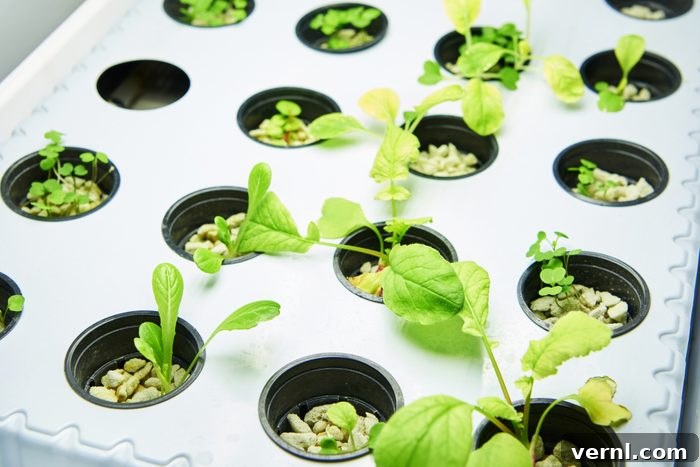
- Seedlings: Grow lights prevent young plants from becoming “leggy” and weak, promoting robust early development.
Jonathan Ebba offers a clear indicator for insufficient light: “Stretched, leggy, thin, weak-looking plants indicate a plant is not getting enough light.” If your plants exhibit these symptoms, it’s a strong signal that they need more illumination.
Conversely, some plants may fare perfectly well with a low-power grow light or even no grow light at all, especially if they receive decent natural windowsill exposure. These include:
- Ferns
- Bromeliads
- Philodendron
- Spider plants
- Bird of paradise
Leslie Halleck reiterates the paramount importance of plant-specific knowledge: “The best way to be successful with a grow light is to first learn more about the species of plant or crop you are growing. Each species has a requirement for the intensity and duration of light it would normally get from the sun in order to thrive and reproduce.” She adds, “When you acquire a deeper understanding of how tomato plants grow and the amount of light they actually need to thrive, it will completely change your perspective on the type of indoor grow light setup you’ll need to achieve those results.” This emphasizes that personalized plant care, informed by research, is the ultimate key to success with grow lights.
Setting Up Your Indoor Grow Light System
Once you’ve chosen the right grow light, proper setup is crucial for optimal plant growth. Consider these factors:
- Light Distance: This is perhaps the most critical aspect. Too close, and plants can suffer from light burn (bleaching, crisping leaves); too far, and they’ll stretch for light. LED lights generally allow for closer placement due to lower heat output. Always consult the manufacturer’s recommendations for specific light models and observe your plants for signs of stress.
- Timers: Most plants require a period of darkness to complete their metabolic processes, typically 6-8 hours. A simple timer ensures consistent light cycles, which is far better than manual on/off for plant health.
- Air Circulation: Even low-heat LEDs can contribute to stagnant air around plants. A small fan can improve air circulation, mimicking outdoor breezes, strengthening stems, and helping prevent fungal issues.
- Reflective Surfaces: White or reflective wall coverings around your grow area can help bounce stray light back towards your plants, maximizing efficiency and minimizing light loss.
Beyond Growth: The Multifaceted Benefits of Indoor Gardening with Grow Lights
While the primary function of grow lights is to facilitate plant growth, the act of indoor gardening itself, enabled by these technologies, offers a wealth of benefits that extend far beyond a bountiful harvest or vibrant blooms.
- Enhanced Mental Well-being: Connecting with nature, even within the confines of our homes, has been scientifically proven to reduce stress, anxiety, and symptoms of depression. Tending to plants, watching them grow under the nurturing glow of a grow light, provides a sense of purpose and calm.
- Year-Round Freshness and Sustainability: Imagine picking fresh basil for your pasta in the dead of winter or enjoying homegrown tomatoes months before the outdoor season begins. Grow lights empower you to cultivate fresh produce year-round, reducing your reliance on supermarket goods and minimizing your carbon footprint.
- Aesthetic Appeal and Home Decor: Indoor plants, especially those thriving under attractive grow lights, become living art pieces. Modern grow lights are designed to be sleek and minimalist, blending seamlessly with contemporary home aesthetics, turning a functional necessity into a decorative feature.
- Educational Opportunities: Indoor gardening offers a fantastic learning experience for all ages. Observing the life cycle of plants, understanding their needs, and experimenting with different growing techniques fosters curiosity and a deeper appreciation for the natural world.
FAQ: Your Common Questions About Grow Lights Answered
Does it take longer to grow plants with grow lights compared to natural sunlight?
Generally, natural sunlight, when abundant and of high quality, remains the best source for plant growth due to its broad spectrum and intensity. However, grow lights don’t necessarily make plants grow “slower”; rather, they *enable* growth that would otherwise be impossible or severely stunted in low-light conditions or during shorter seasons. With a high-quality grow light that produces the optimal red and blue wavelengths and sufficient intensity, plants can often grow at a comparable or even accelerated rate indoors, especially if their natural environment is being perfectly mimicked.
Can grow lights support an entire indoor garden?
Absolutely, yes! With the right grow light setup, it is entirely possible to support an entire indoor garden, from a collection of houseplants to a full-fledged edible garden. The key is selecting the correct type and intensity of grow light for the specific needs of all the plants in your garden. Ensuring adequate light coverage for all plants and providing a consistent light cycle (typically 12-16 hours of light followed by 8-12 hours of darkness) are crucial for success. Proper watering, nutrients, and air circulation also play vital roles in maintaining a thriving indoor ecosystem.
How do I know if my plant is getting enough light?
Observing your plant’s growth habits is the best indicator. As Jonathan Ebba noted, “Stretched, leggy, thin, weak-looking plants indicate a plant is not getting enough light.” Other signs include yellowing lower leaves (though this can also indicate nutrient deficiency), lack of flowering or fruiting in mature plants, or generally slow and stunted growth. Conversely, signs of too much light (light burn) can include bleached or scorched spots on leaves, crisping edges, or an overall pale appearance despite adequate watering.
What is the best light color for plants?
While plants primarily utilize blue and red light for photosynthesis, the “best” light color depends on the plant’s growth stage and type. Blue light promotes strong vegetative growth, while red light encourages flowering and fruiting. Full-spectrum grow lights, which emit a balanced range of colors that closely mimic natural sunlight, are often considered ideal for general growth across all stages and for a diverse indoor garden, as they provide all the necessary wavelengths without the “purple haze” look of red/blue-only lights.
About Our Esteemed Experts
- Leslie F. Halleck is a highly respected certified professional horticulturalist, educator, and botanical business expert. With 32 years of experience, she is dedicated to empowering plant enthusiasts with the knowledge to grow, save, and understand their plants and plant-related businesses. Halleck is the accomplished author of multiple authoritative books on horticulture. Discover more about her invaluable work at Halleck Horticultural.
- Jonathan Ebba serves as a field specialist with the University of New Hampshire Cooperative Extension. He holds an MS in Plant Biology from the University of New Hampshire and a BA in Biology from Fordham University. Prior to his significant contributions at the university, Ebba gained extensive practical experience as a grower in the greenhouse industry for 18 years, bringing a wealth of hands-on knowledge to his expertise.
Sources:
Homegrown: Houseplants through the Ages, New York Botanical Garden, LuEsther T. Mertz Library, 2019.
A Historical Background of Plant Lighting: An Introduction to the Workshop, Raymond M. Wheeler, HortScience, December 2008.
Lighting for Indoor Plants, University of Maryland Extension, March 10, 2023.