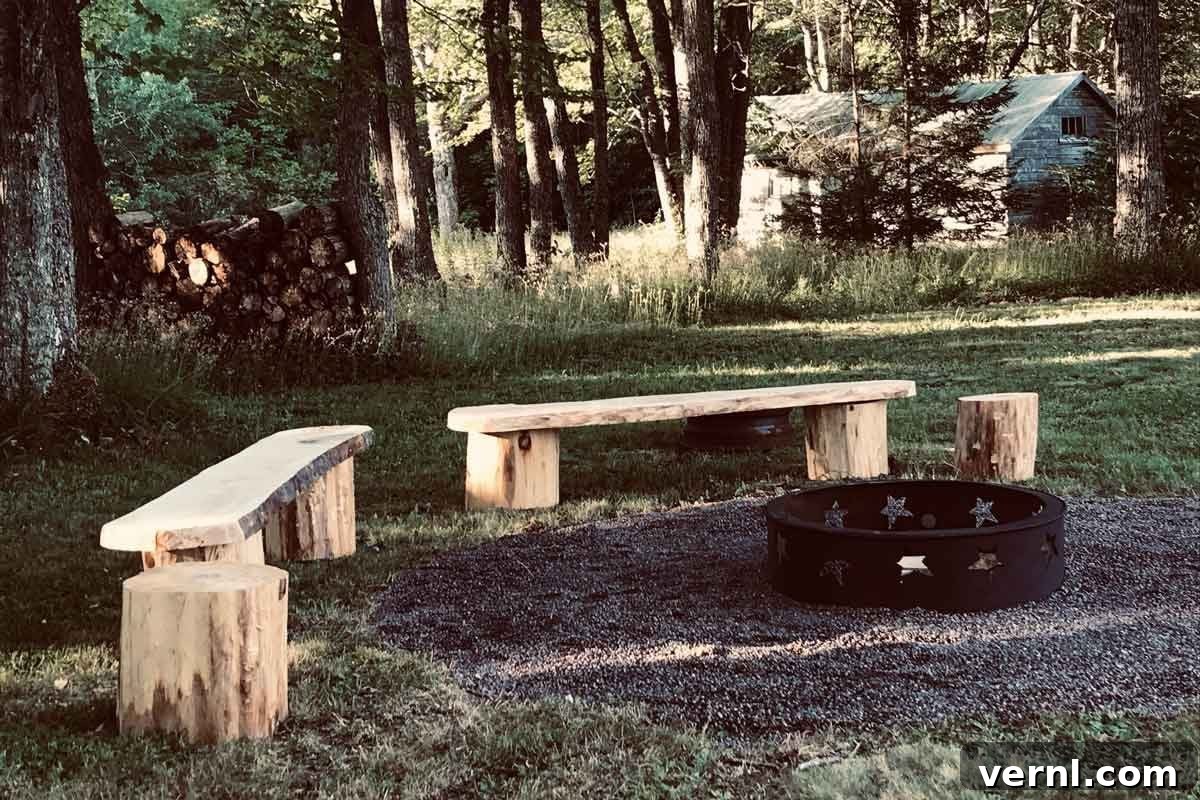
Who doesn’t cherish the thought of a peaceful outdoor fire on a crisp evening? It’s a truly welcome sight, whether you’re hosting a lively sing-along with friends and family or simply seeking a tranquil moment to commune with your own thoughts. Creating that perfect outdoor ambiance, complete with the mesmerizing dance of flames, is simpler than you might imagine. The most straightforward, and arguably safest, way to enjoy a captivating fire in your backyard is by incorporating an outdoor fire pit ring into your outdoor living space. This unassuming yet crucial accessory transforms a simple bonfire into a controlled, beautiful, and safe gathering point, enhancing your backyard experience immensely.
What Exactly is a Fire Pit Ring? Defining Your Backyard’s Centerpiece
An outdoor fire pit ring, often referred to as a campfire ring or fire ring liner, serves as a fundamental component for any backyard fire setup. At its core, it’s a sturdy, fire-proof framework designed to contain a fire directly on the ground. Its primary, indispensable task is to prevent fires from spreading beyond its perimeter. This vital containment protects surrounding vegetation, structures, and most importantly, minimizes the risk of accidentally starting a devastating wildfire. More than just a barrier, a high-quality fire pit ring defines the designated burn area, providing a clear visual cue for where the fire belongs and how large it should safely be. It’s the silent guardian of your backyard bonfire, ensuring your evening is filled with warmth and good cheer, not worry.
The Enduring Allure of Backyard Fires and the Role of the Fire Ring
There’s something inherently primal and comforting about gathering around a fire. It draws people together, sparks conversation, and creates unforgettable memories. A backyard fire pit, anchored by a reliable fire pit ring, becomes the focal point of your outdoor entertainment. Imagine roasting marshmallows, sharing stories, or simply unwinding under the stars. The fire pit ring makes these cherished moments possible by providing the essential structure for a safe and controlled burn. It allows homeowners to enjoy the charm and warmth of a traditional campfire without compromising safety, making it an indispensable addition to any garden or patio.
Exploring the Diverse World of Fire Pit Rings: Types, Materials, and Styles
While fundamentally utilitarian, the market for fire pit rings offers a surprising variety of styles, materials, and features. From basic functional models to elaborate decorative pieces, there’s a fire pit ring to suit every aesthetic and budget. Understanding these variations will help you select the perfect one for your outdoor haven.
Materials and Construction: Built to Last
Outdoor fire pit rings are typically crafted from robust metals designed to withstand extreme heat and outdoor elements. Common materials include:
- Powder-Coated Steel: Offers excellent durability and rust resistance thanks to its protective coating. This makes it a popular choice for long-lasting performance and a clean, finished look.
- Galvanized Steel: Treated with a zinc coating to prevent rust and corrosion, galvanized steel rings are highly resistant to moisture and weather, making them ideal for areas with high humidity or frequent rain.
- Corten Steel (Weathering Steel): Known for its distinctive, rust-like appearance that develops over time, Corten steel forms a protective layer of rust that actually prevents further corrosion. It offers a rustic, industrial aesthetic that blends beautifully with natural landscapes.
- Stainless Steel: While often a higher investment, stainless steel provides superior corrosion resistance and a sleek, modern look. It’s an excellent choice for longevity and minimal maintenance.
- Cast Iron: Exceptionally durable and capable of retaining heat, cast iron rings are heavy-duty options that can last for decades with proper care.
Prices for fire pit rings vary significantly, ranging from less than $40 for basic steel models to well over $200 for larger, more decorative, or specialized options like those made from Corten or stainless steel. The choice of material impacts not only the cost but also the durability, maintenance, and overall aesthetic of your fire pit.
Shapes and Sizes: Finding the Perfect Fit
As their name suggests, most fire pit rings are round, offering a classic campfire feel. However, hexagonal or octagonal shapes are also available, providing a unique design element that can complement modern or angular outdoor spaces. In terms of size, outdoor fire pit rings are commonly found with diameters ranging from 36 to 44 inches. This size range is generally considered ideal for backyard fires, providing ample space for logs and a good circumference for gathering, without becoming excessively large like a bonfire. Choosing the right size depends on the space available in your backyard and the typical number of people you expect to gather around it.
Specialized Fire Pit Ring Features
- Collapsible and Portable Rings: For those who love the flexibility of taking their fire pit on the go, many fire pit rings are collapsible and portable. These designs are perfect for camping trips, tailgating, or simply for homeowners who wish to store their fire pit discreetly during the off-season. Their lightweight and compact nature make them incredibly convenient.
- Smokeless Fire Pit Inserts: A highly sought-after innovation, some rings feature smokeless fire pit inserts. These designs utilize clever airflow engineering, often with double-wall construction and strategically placed vents, to draw in air and feed it to the top of the fire. This process creates secondary combustion, burning off smoke particles before they escape, resulting in a virtually smokeless experience. This means less stinging eyes and smoky clothes, allowing for a more enjoyable and comfortable outdoor gathering.
- Decorative Cutouts: Beyond their functional purpose, many fire pit rings are also designed with aesthetics in mind. They feature intricate cutouts of everything from trees, birds, and various wildlife to whimsical fairies, stars, and moons. These decorative elements cast beautiful shadows and patterns as the fire burns, adding an artistic touch to your outdoor ambiance and reflecting your personal style.
Elevating Your Fire Pit: Bowls, Masonry Kits, and DIY Solutions
While a standalone fire pit ring offers excellent functionality, there are several options for enhancing its appearance and utility, ranging from elevated bowls to integrated masonry structures.
Metal Bowls: Elevated Ambiance and Added Protection
Metal fire bowls represent a step up from a simple ground-level fire pit ring. These units are typically set on legs, elevating the flames for better visibility and warmth distribution. Many feature protective mesh screens that fit over the top, acting as a crucial barrier to corral sparks and embers before they can escape and potentially cause problems outside the immediate fire area. This added safety feature is particularly beneficial in areas with dry vegetation or for families with children and pets, offering an extra layer of peace of mind.
Integrated Fire Pit Kits and Masonry Designs
For a more permanent and aesthetically refined backyard feature, some fire pit rings are designed to be integrated within decorative masonry. An all-in-one DIY kit, for instance, typically includes a metal ring along with a surrounding set of retaining wall blocks. When assembled, these kits provide a beautifully finished, custom-look fire pit structure. In such setups, the metal ring plays a vital practical role: it shields the surrounding pavers or blocks from direct heat, preventing them from drying out, cracking, and deteriorating over time due to thermal stress. This ensures the longevity and integrity of your masonry work.
Another popular option for DIY enthusiasts is to build your backyard fire pit from scratch using firebricks. Firebricks are specifically designed to withstand extremely high temperatures, making them an ideal material for the interior lining of a permanent fire pit. This approach allows for complete customization in terms of shape, size, and exterior finish, enabling you to create a truly unique fire feature that perfectly complements your landscape design.
The Advantages and Considerations of Using a Fire Pit Ring
While the benefits of a fire pit ring are clear, it’s important to understand both its pros and cons to make an informed decision for your outdoor space.
Key Advantages (Pros)
- Superior Fire Containment: This is the paramount advantage. A fire pit ring acts as an effective physical barrier, keeping flames and embers safely within a controlled space. This drastically reduces the risk of accidental spread to surrounding grass, shrubs, or nearby structures, providing invaluable peace of mind.
- Clear Visual Boundaries: The ring establishes a precise perimeter for your fire, visually guiding users on the maximum safe size of the fire. This prevents a modest campfire from escalating into a dangerously large and unpredictable bonfire, promoting responsible fire management.
- Log Security: Round logs have a tendency to roll. The sturdy walls of a fire pit ring effectively prevent logs from rolling off the fire and into the surrounding area, where they could potentially ignite dry leaves or other combustible materials.
- Enhanced Social Hub: A fire pit ring naturally defines a central gathering spot in your backyard. It creates an inviting and cozy atmosphere for friends and family to come together, fostering conversation, laughter, and lasting memories. It serves as an excellent entertaining space for fellowship and fun.
- Versatile Off-Season Use: When not in use for fires, a fire pit ring can surprisingly double as a small raised garden bed. Simply fill it with appropriate soil mix, and you have a ready-made planter for herbs, flowers, or small vegetables, adding another layer of utility to your investment.
- Relatively Easy Installation: Compared to building a full masonry fire pit, installing a standalone metal fire pit ring is typically quick and straightforward, often requiring minimal tools and effort.
Important Considerations (Cons)
- Ash Management: Regular ash removal is necessary to maintain proper airflow and prevent excessive buildup. While not difficult, it is a recurring chore that requires careful handling of cooled ashes.
- Weather Protection: Fire pit rings, especially those without covers, can accumulate rain or snow, potentially leading to a sloppy, muddy mess inside. Covering the ring when not in use is advisable to keep it clean and ready for your next fire.
- Extreme Heat and Burn Risk: It’s crucial to remember that fire pit rings become extremely hot during use and remain hot for a significant time afterward. They pose a genuine danger for accidental burns. According to the Consumer Products Safety Commission, U.S. emergency rooms treated at least 5,300 injuries related to fire pits or outdoor heaters in 2017 alone, nearly triple the number reported in 2008. This underscores the critical importance of maintaining a safe distance and supervising children and pets around an active fire pit.
Crucial Fire Safety Considerations for Your Fire Pit Ring
Fire safety is not merely a recommendation but an absolute imperative when operating any fire pit ring. Adhering to these guidelines will ensure a safe and enjoyable experience for everyone.
- Strategic Placement: The location of your fire pit ring is paramount. It must be placed on a level, stable site that is a safe distance away from any structures, including homes, sheds, fences, and overhanging trees or branches. A general rule of thumb is to maintain a clear buffer of at least 10 to 20 feet from any combustible materials. This distance significantly reduces the risk of sparks igniting nearby objects.
- Protecting Vegetation: Ensure the fire ring isn’t too close to any delicate plants or dry vegetation. The intense heat generated by a fire can scorch and damage plants, and dry foliage poses a significant fire risk. Clear the area around the fire pit of any leaves, twigs, or other flammable debris.
- Establishing a Stable and Safe Base: A base of crushed stone, gravel, or non-combustible pavers beneath and around the fire ring is highly recommended. This type of base serves multiple critical functions: it promotes excellent drainage, preventing the area from becoming a slippery, mucky mess when it rains; it provides a stable, level foundation for the ring; and most importantly, it creates a non-combustible barrier between the fire pit and the ground, further enhancing safety. Avoid placing a fire pit directly on grass, wooden decks, or other flammable surfaces without a proper heat shield or elevated design.
- Appropriate Fuel: Only burn dry, seasoned firewood in your fire pit. Avoid burning treated lumber, painted wood, trash, plastic, or excessive amounts of leaves and yard waste, as these can produce toxic fumes, excessive smoke, and dangerous sparks.
- Constant Supervision: Never leave an active fire pit unattended, even for a moment. An unsupervised fire can quickly become out of control.
- Fire Extinguishing Readiness: Always have appropriate extinguishing materials readily available. A bucket of water, a shovel and sand, or a fire extinguisher should be within arm’s reach to quickly douse any stray sparks or unexpected flare-ups.
- Complete Extinction: Before retiring for the night or leaving the area, ensure the fire is completely extinguished. Douse embers thoroughly with water until they are cool to the touch, and stir the ashes to check for lingering hot spots.
- Mind the Wind: Avoid using your fire pit on windy days. Wind can easily carry embers and sparks long distances, increasing the risk of an uncontrolled fire.
- Know Local Regulations: Always check your local fire codes, homeowner association (HOA) rules, and any current burn bans in your area before lighting a fire. Regulations can vary significantly by municipality and time of year.
- Child and Pet Safety: Establish a clear “no-go” zone around the fire pit and educate children about the dangers of fire. Keep pets secured or at a safe distance from the heat and flames.
Choosing the Perfect Fire Pit Ring for Your Outdoor Oasis
Selecting the ideal fire pit ring involves balancing your specific needs with your aesthetic preferences and budget. Consider the size of your outdoor space, whether you need portability for camping or a permanent fixture for your backyard, and what material best suits your climate and desired look. Think about special features like smokeless technology or decorative cutouts that can enhance your experience.
Ultimately, a well-chosen fire pit ring is more than just a piece of metal; it’s an investment in countless memorable evenings, safe outdoor enjoyment, and the creation of a cherished gathering spot for years to come. By prioritizing safety, understanding the different types available, and choosing wisely, you can unlock the full potential of your backyard and embrace the magical allure of an open flame.