
The Majestic River Birch: A Comprehensive Guide to Year-Round Beauty and Care
While many ornamental trees are celebrated for their vibrant spring blooms and breathtaking fall foliage displays, their aesthetic contribution often diminishes with the arrival of winter. Not so with the remarkable river birch tree. This native North American species stands out as a true four-season wonder, offering unique charm and visual interest even on the coldest, dreariest days of winter.
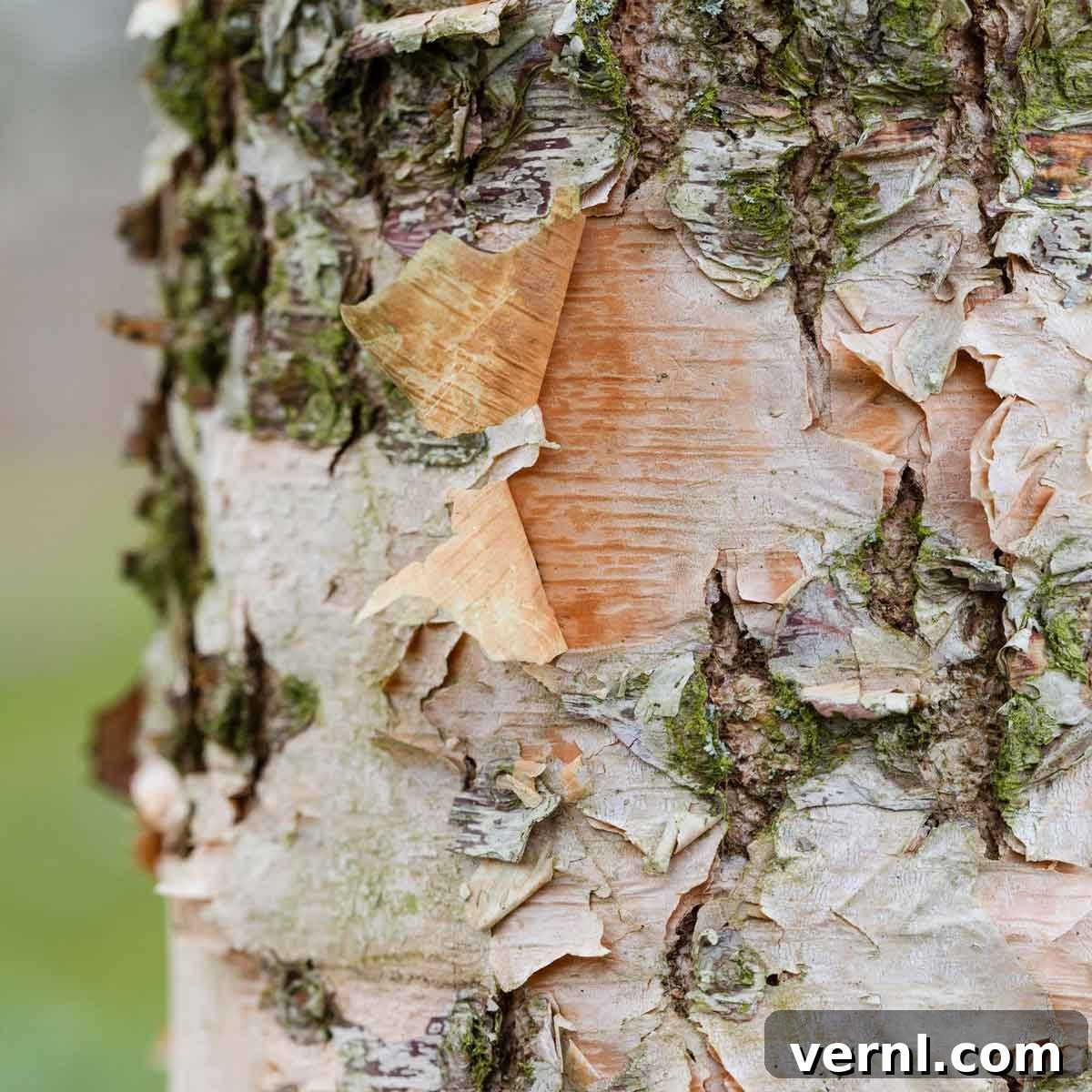
In late summer and early fall, river birches produce delicate, reddish-green catkins at the ends of their branches, signaling the gentle transition of seasons. However, the most captivating feature of the river birch, and indeed its crowning glory, is its distinctive bark. A brilliant, creamy white outer layer continuously peels back in delicate, papery strips, a process known as exfoliation. This reveals a striking salmon-pink to cinnamon-brown inner bark, creating a dynamic, ever-changing tapestry of color and texture on its trunk and branches. When the tree sheds its leaves in winter, this ornamental bark becomes an undeniable centerpiece in any landscape, infusing warmth and magic into the winter garden. Beyond its unparalleled beauty, the river birch boasts an impressive hardiness that allows it to thrive in a wide range of environments across the U.S.
This comprehensive guide delves into everything you need to know about growing and maintaining a magnificent river birch. We’ll explore its unique characteristics, optimal growing conditions, and provide expert tips on ideal planting locations, essential care practices, and effective pruning techniques to ensure your tree remains spectacular for years to come.
What Is a River Birch Tree (Betula nigra)?
The river birch, scientifically known as Betula nigra, is a highly valued, fast-growing, deciduous shade tree indigenous to the southeastern United States. It’s cherished by landscape designers and homeowners alike for its rapid development, exceptional resilience to environmental stresses, and significant ornamental appeal throughout the year. Characterized by its gracefully arched, often slightly drooping branches adorned with oval-shaped, serrated green leaves, the river birch presents a lush canopy from spring through autumn.
Beyond its verdant summer foliage, the river birch offers year-round beauty. In spring, its emerging catkins add subtle interest, followed by a vibrant green display that provides ample shade in summer. As autumn approaches, the leaves often turn a pleasing yellow before falling. However, it is its distinctive bark that truly elevates its ornamental status. The exfoliating bark, which peels back to reveal contrasting inner layers of cream, pink, and cinnamon, ensures the tree remains a focal point even after the leaves have dropped. This multi-seasonal appeal makes it a versatile and attractive choice for various garden designs.
A river birch tree can achieve an impressive mature height of between 40 and 70 feet, with some specimens reaching up to 80 feet, and a spread of 30 to 60 feet. Its growth rate is quite vigorous, often adding 13 to 24 inches (or sometimes even more) in height per year. Due to this rapid growth and its naturally attractive form, annual pruning is highly recommended. Regular pruning not only promotes healthy and balanced development but also helps to maintain its aesthetic appeal and structural integrity, allowing the tree to flourish and display its unique features to their fullest potential.
Why Choose a River Birch for Your Landscape?
Selecting the right tree for your landscape is a crucial decision, and the river birch offers a compelling array of benefits that make it an excellent choice for many homeowners and garden enthusiasts. Its unique characteristics provide significant value beyond mere aesthetics.
- Unrivaled Year-Round Interest: Unlike many deciduous trees that lose their charm in winter, the river birch truly shines. Its exfoliating bark, revealing stunning shades of salmon, cream, and brown, provides continuous visual interest, transforming a dormant landscape into a vibrant display. The delicate catkins in spring and attractive green foliage through summer and fall further enhance its multi-seasonal appeal.
- Exceptional Hardiness and Adaptability: The river birch is renowned for its robust nature. It thrives across a broad spectrum of climates, specifically in USDA Plant Hardiness Zones 4 through 9. This adaptability means it can withstand colder northern winters and warmer southern summers, making it a reliable choice for a vast geographical range.
- Rapid Growth for Quick Shade: If you’re looking to establish shade quickly in your yard, the river birch is an ideal candidate. Its fast growth rate means you won’t have to wait decades to enjoy a cooling canopy, providing relief from summer sun and contributing to energy efficiency sooner.
- Environmental Resilience: This species exhibits remarkable tolerance to a variety of challenging conditions. It can handle both extremely moist and, once established, surprisingly dry soils. It’s also more resistant to common birch pests and diseases compared to other birch varieties, reducing maintenance worries.
- Erosion Control and Water Management: Given its native habitat along riverbanks, the river birch is naturally adept at growing in moist environments and can tolerate periods of standing water. This makes it an excellent choice for areas with poor drainage, rain gardens, or slopes where erosion control is desired. Its extensive root system helps stabilize soil and absorb excess moisture.
- Wildlife Appeal: The catkins of the river birch provide an early food source for various birds and small mammals. Its dense canopy also offers shelter and nesting sites, contributing to local biodiversity.
Optimal Growing Conditions and Site Selection
To ensure your river birch thrives and reaches its full potential, understanding its preferred growing conditions is key. Paying attention to location, soil, and sunlight will set the foundation for a healthy, long-lived tree.
Preferred Habitat and Soil Requirements
True to its name, the river birch’s native habitat is typically found along riverbanks, streams, and other riparian areas where soil moisture is consistently abundant. “Like their name suggests, river birch thrive in moist environments and are a great choice for areas with poor drainage,” explains Benjamin Hanley, founder and managing director of Hanley Landscape Design. “Rather than fighting against existing site conditions, a good landscape designer uses them to their advantage, often incorporating river birches into areas prone to standing water or seasonal flooding.”
While young river birches require consistently moist soil, mature trees develop an extensive root system that makes them surprisingly drought-tolerant. This unique characteristic sets them apart from many other birch varieties, which often struggle in drier conditions. However, adequate moisture is still critical during prolonged dry spells, especially for optimal growth and bark exfoliation.
River birches have a strong preference for acidic soil, ideally with a pH range between 5.0 and 6.5. If the soil’s pH rises above 6.5, the tree can develop an iron deficiency, manifesting as chlorosis (yellowing leaves with green veins). Therefore, regularly testing your soil’s pH and amending it as needed is crucial for the tree’s health. The soil should also be well-draining yet capable of retaining moisture, and ideally rich in organic matter. While adaptable, they perform best in loamy or sandy loamy soils.
Sunlight and Hardiness Zones
For robust growth and the most vibrant bark display, river birches prefer full sun, meaning at least six hours of direct sunlight per day. They are hardy in USDA Plant Hardiness Zones 4 through 9, demonstrating their ability to withstand a wide range of temperatures, from cold northern winters to hot southern summers. In hotter regions, particularly Zones 8 and 9, river birches can tolerate and even benefit from partial shade, especially during the intense afternoon heat. This helps to prevent leaf scorch and reduces water stress, allowing the tree to remain vigorous and healthy.
Planting Your River Birch Tree
Proper planting is the first step toward a thriving river birch. Careful planning and execution will ensure your tree establishes a strong root system and grows into a majestic specimen.
Site Selection Considerations
Given the river birch’s aggressive root system and its natural inclination to seek out water, strategic placement is vital. As Benjamin Hanley advises, “Since the roots of a river birch will aggressively seek out water, especially when planted in a dry area, they should not be planted near septic systems, pools, or house foundations.” These roots can potentially infiltrate and damage underground structures. Similarly, avoid planting directly under power lines due to their mature height.
However, river birches can be successfully integrated into landscapes with thoughtful design. Hanley recounts, “We planted river birch in a part of the property with dense clay soil, which naturally retains water. The trees were placed at the lowest point of the driveway to help absorb stormwater runoff. The result is a beautiful, functional barrier of river birch that adds character while managing water on-site.” Consider planting them in moist depressions, along stream banks, or in rain gardens where their water-loving nature can be an asset. They also make excellent specimen trees or can be planted in groupings for a stunning visual impact.
Step-by-Step Planting Guide
- Choose the Right Time: The best time to plant a river birch is in spring or fall when temperatures are moderate, and rainfall is typically more consistent. This allows the tree to establish its root system before facing the stress of summer heat or winter cold.
- Prepare the Planting Hole: Dig a hole that is two to three times wider than the root ball, but only as deep as the root ball itself. The top of the root ball should be level with or slightly above the surrounding soil to prevent issues with root rot and ensure proper drainage.
- Inspect the Root Ball: Gently remove the tree from its container. If the roots are circling tightly around the perimeter of the root ball (girdling roots), carefully tease them apart with your fingers or make a few vertical cuts with a clean knife to encourage outward growth.
- Place the Tree: Carefully place the tree in the center of the hole, ensuring the root collar (the flare where the trunk meets the roots) is visible at or slightly above ground level. Avoid burying the root collar, as this can lead to oxygen deprivation and eventual tree decline.
- Backfill the Hole: Begin filling the hole with the excavated soil, gently tamping it down to remove large air pockets. Avoid compacting the soil too tightly. If your soil is very poor, you can amend it with a small amount of compost, but generally, it’s best to use native soil to encourage roots to spread into the surrounding landscape.
- Water Thoroughly: After backfilling, water the tree deeply to settle the soil around the roots and eliminate any remaining air pockets. This initial watering is crucial for establishment.
- Apply Mulch: Finish by applying a 2 to 4-inch layer of high-quality organic mulch, such as shredded bark or wood chips, around the base of the tree. Be sure to keep the mulch a few inches away from the trunk, creating a “donut” shape, to prevent moisture buildup and potential rot around the root collar.
How to Care for a River Birch Tree
Consistent and appropriate care is vital for your river birch to thrive, particularly during its establishment phase and throughout its mature life. Understanding the nuances of watering, mulching, fertilizing, and soil management will ensure your tree remains healthy and visually stunning.
As Benjamin Hanley notes, “Like most trees, river birch should be installed with 2 to 4 inches of high-quality mulch, but be sure to keep the root collar visible, which is key to long-term development. When the root collar is buried, the tree will struggle to breathe and will often send roots upward in search of oxygen, which leads to issues like root girdling, damage from lawnmowers, and sometimes, short-term or long-term failure.” This foundational advice underscores the importance of proper mulching technique.
Detailed Care Guidelines:
- Watering: River birches, especially when young, require consistently moist soil. During the tree’s first couple of years of growth and throughout hot summer months, water deeply once or twice a week. The goal is to keep the soil consistently moist but not waterlogged. The U.S. Forest Service recommends a slow (2-3 hours), deep (8-18 inches) watering once per week during the growing season to maintain adequate soil moisture. A good way to check is to feel the soil about 4-6 inches deep; if it feels dry, it’s time to water. Reduce watering by late August to allow the tree to properly prepare for winter dormancy.
- Mulching: Apply a two- to four-inch layer of organic mulch around the tree’s base, extending out to the drip line. This helps retain soil moisture, regulate soil temperature, suppress weeds, and slowly add nutrients back to the soil as it decomposes. Always remember to keep the mulch several inches away from the trunk to avoid root collar rot and pest issues.
- Fertilize: River birches benefit from fertilization in early spring as the first leaves begin to unfurl. Use a fertilizer specifically formulated for acidic soil. Look for products with a balanced NPK ratio (e.g., 10-10-10) or those designed for acid-loving plants. If your soil’s pH is above 6.5 and you observe yellowing leaves (a sign of iron deficiency), provide an iron amendment, such as chelated liquid iron, to correct the deficiency. Always follow manufacturer instructions for application rates.
- Test the Soil: It is highly recommended to test the soil’s pH every two to three years. This helps you monitor nutrient availability and prevents deficiencies. If the soil’s pH is consistently above 6.5, indicating an alkaline condition, add a soil acidifier (such as elemental sulfur or aluminum sulfate) to gradually lower the pH into the preferred acidic range.
- Winter Protection: While hardy, young river birches in colder zones can benefit from some winter protection. Ensure they are well-watered before the ground freezes. A thick layer of mulch will help insulate the roots. In extremely exposed locations, consider wrapping the trunk of very young trees with burlap during their first winter to prevent sunscald.
Managing Pests and Diseases That Target River Birch
While river birch trees are generally more resilient to pests and diseases compared to other birch varieties, they are not entirely immune. Vigilant inspection and timely intervention are crucial for maintaining their health. Here are some common issues and how to address them:
- Bronze Birch Borer (BBB): This roughly 1/2-inch-long, bronze- and black-colored beetle is a serious threat, particularly to stressed trees. The adult beetles lay eggs on the bark, and the larvae then bore into the cambium layer, disrupting nutrient and water flow. Common signs of infestation include yellowing and thinning foliage, starting at the upper canopy, D-shaped exit holes in the trunk where adult beetles emerge, and visible ridges or swellings on the bark.
- Prevention: Maintain tree health with proper watering and fertilization. Avoid wounding the bark.
- Treatment: Systemic insecticides can be applied as a soil drench or trunk injection, ideally before infestation becomes severe. Prune and destroy infested branches.
- Birch Leafminer: These small, black, 1/8-inch-long insects resemble flies. Their larvae feed on the green tissue between the upper and lower surfaces of the leaves, creating irregular blotches or “mines.” This feeding causes a partial to full browning or scorching of the leaves. While usually not fatal to the tree, severe infestations can weaken it and reduce aesthetic value.
- Prevention: Encourage natural predators like parasitic wasps. Maintain overall tree vigor.
- Treatment: Systemic insecticides or neem oil can be applied when larvae are active (typically in spring). Horticultural oils can also suffocate eggs.
- Birch Dieback: This condition refers to the progressive death of branches, typically starting in the upper canopy and moving downwards. It can be a symptom of various underlying stresses, including severe bronze birch borer infestation, environmental stress (drought, soil compaction), or a fungal infection.
- Prevention: Focus on overall tree health. Address any primary stressors promptly.
- Treatment: Identify and eliminate the root cause. Prune out dead and dying branches, sterilizing tools between cuts to prevent disease spread.
- Anthracnose Leaf Blight: This is a common fungal disease that thrives in cool, wet spring weather. It initially produces irregular brown spots on the leaves, which can later expand, causing leaves to curl, distort, and eventually die back completely. Severe infections can lead to premature leaf drop.
- Prevention: Ensure good air circulation through proper pruning. Rake and dispose of fallen infected leaves to reduce fungal inoculum.
- Treatment: For severe or recurrent infections, apply a fungicide in early spring according to product directions.
Regular inspection of your river birch throughout the year for any unusual spots, holes, or changes in foliage can help you catch problems early, making treatment more effective and less damaging to the tree. Promote tree health by providing adequate water, nutrients, and proper pruning to enhance its natural defenses against pests and diseases.
How to Prune a River Birch Tree for Health and Aesthetics
Pruning is an essential practice for maintaining the health, structure, and aesthetic appeal of your river birch. Proper timing and technique can prevent common issues and encourage vigorous growth. The best times to prune river birch are during late spring after the leaves have fully emerged, late fall after leaf drop, and throughout the winter dormancy period. Avoid pruning in early spring just before the first leaves emerge, as this is when the sap is actively rising, causing the tree to “bleed” excessively. While not usually harmful, it can be messy. Furthermore, fresh pruning cuts made in summer can attract birch borers, making the tree more vulnerable to infestation.
Essential Pruning Tools:
Depending on the size of the branches you need to remove, you’ll require different cutting tools:
- Bypass Pruning Shears: Ideal for small branches (up to 3/4 inch in diameter).
- Loppers: For branches up to 1.5 to 2 inches in diameter.
- Pruning Saw: For larger branches.
- Pole Pruner: Essential for reaching higher branches without a ladder, ensuring safety. A telescoping pole with a pruner and saw attachment is highly versatile.
Key Pruning Steps:
Always use sharp, clean tools to make clean cuts that heal quickly. Sterilize your blades with rubbing alcohol or a bleach solution (1 part bleach to 9 parts water) between cuts, especially when removing diseased branches, to prevent the spread of pathogens.
- Remove Suckers and Watersprouts: These are vigorous, upright shoots that grow from the trunk or around the base of the tree (suckers) or from branches (watersprouts). They are often weak and detract from the tree’s form. Remove them as close to their point of origin as possible.
- Eliminate Diseased, Damaged, or Dead Branches: This is a critical step for tree health. Inspect your tree regularly, and remove any branches showing signs of disease, breakage, or decay as soon as they are discovered, regardless of the time of year. Always make your cut into healthy wood, beyond the diseased section.
- Remove Rubbing or Crossing Branches: Branches that rub against each other can create wounds where pests and diseases can enter. Identify the weaker or poorly positioned branch and remove it, allowing the stronger branch to develop properly.
- Thin for Airflow and Light Penetration: Trim back branches that are closer than two inches apart or are growing too densely within the canopy. This practice promotes better air circulation, which helps reduce fungal diseases, and allows light to penetrate the inner canopy, stimulating healthier growth.
- Prune for Desired Shape and Balance: Step back and observe the overall form of your tree. Trim back branches that detract from its desired appearance or create an imbalanced canopy. This is an aesthetic choice, but it also contributes to the tree’s structural integrity. Aim for a natural, open form that highlights the peeling bark.
- Raise the Canopy (if desired): As the tree matures, you may wish to remove lower branches to create clearance for walking or mowing. This process, known as “limbing up,” should be done gradually over several years to avoid stressing the tree.
Remember, less is often more when it comes to pruning. Avoid removing more than 25% of the tree’s canopy in a single year. Proper pruning not only enhances the tree’s beauty but also contributes significantly to its long-term vitality and resistance to environmental stressors.
How to Propagate a River Birch Tree
Propagating river birch allows you to grow new trees from existing ones, whether to expand your landscape, share with others, or replace older specimens. River birch can be propagated relatively successfully from both seeds and cuttings.
River birch seeds can be harvested from the catkins in late spring when they start to turn brown. For best results, it’s crucial that these seeds are planted immediately after collection. Propagation from cuttings is also a viable method, especially if you want to ensure the new tree has the exact same characteristics as the parent plant.
Propagating from Seeds:
- Collect Catkins: In late spring, gather the brownish, mature catkins from a healthy river birch tree. Place them in a dry location indoors, perhaps in a paper bag, for three to four days. This allows the catkins to dry out and the tiny seeds to naturally separate from the fruit.
- Prepare Seed Trays: Sow a thin layer of seeds in a tray filled with a sterile, soilless growth medium (like a mix of peat moss and perlite). This prevents damping-off disease and provides an ideal environment for germination.
- Provide Indirect Sunlight: Place the seed tray in a protected area that receives indirect sunlight. A greenhouse or a bright window with diffused light is suitable.
- Maintain Moisture: Water the seeds twice a day with a gentle mist or by bottom-watering to keep the growth medium consistently moist. Ensure good drainage to prevent waterlogging. Germination typically takes four to six weeks, during which sprouts will begin to form.
- Transplant Seedlings: Once the seedlings have formed their second set of true leaves (usually two to three weeks after germination), they are ready to be transferred. Carefully transplant each seedling into individual nursery pots filled with a high-quality potting soil mix.
- Nurture Young Saplings: Continue to keep the soil moist by watering two to three times a week, depending on conditions. Keep the young saplings in a protected area, such as a cold frame or sheltered spot, until the following spring. Learning about a tree watering bag might be useful for future care.
- Acclimatize and Plant Out: About a week before transplanting outdoors, begin to acclimate the saplings by gradually exposing them to direct sunlight and outdoor conditions. After spring’s last frost, plant the saplings into their permanent outdoor locations.
Propagating from Cuttings:
- Prepare Potting Medium: Fill a small nursery pot with a moist, sterile soilless medium, similar to what you’d use for seeds. A mix of peat moss and perlite or sand works well for drainage and aeration.
- Take Cuttings: In late spring or early summer, select a healthy, semi-hardwood branch from the tip of a parent tree. Cut a six- to eight-inch-long section, making the cut just below a leaf node (the point where a leaf meets the stem) at a 45-degree angle. Remove the lower leaves from the cutting, leaving only a few leaves at the top.
- Apply Rooting Hormone (Optional but Recommended): Dip the cut end of the stem into a rooting hormone powder or liquid to significantly increase the chances of successful rooting.
- Plant Cuttings: Make a small hole in the prepared potting mixture with a pencil or stick. Insert the treated end of the cutting into the hole, ensuring at least one node is buried. Gently firm the soil around the cutting.
- Create a Humid Environment: Place the pot on a heat mat in a protected area with indirect sunlight. To maintain high humidity, which is crucial for river birch cuttings to root successfully, cover the pot and cutting with a clear plastic bag or dome, ensuring the leaves don’t touch the plastic.
- Mist Regularly: Mist the cutting (inside the plastic cover) twice a day to keep the foliage hydrated and maintain the humid microclimate.
- Check for Root Development: After about six weeks, gently tug on the cutting. If you feel resistance, it indicates that roots have begun to form. You can also carefully lift the cutting to inspect for new root growth.
- Pot Up and Harden Off: Once a strong root system has developed, transfer the rooted cutting to a larger pot filled with potting soil. Keep the pot in a protected location, gradually exposing it to outdoor conditions over a week or two, until the following spring.
- Transplant Outdoors: After the last frost of spring, your new river birch can be safely transplanted into its permanent spot in the ground.
Popular River Birch Cultivars
While the straight species of River Birch is a magnificent tree, horticulturists have developed several cultivars that offer enhanced characteristics or specific attributes, providing more options for various landscape needs.
- ‘Heritage’ (Betula nigra ‘Heritage’): This is arguably the most popular and widely available cultivar. ‘Heritage’ is prized for its exceptionally vigorous growth, even more striking bark that exfoliates into rich salmon-cream, tan, and cinnamon tones, and superior heat tolerance. It also shows increased resistance to bronze birch borer compared to many other birch species, making it a robust choice for a broad range of climates.
- ‘Dura-Heat’ (Betula nigra ‘Dura-Heat’): As its name suggests, ‘Dura-Heat’ is specifically bred for improved heat tolerance, making it an excellent option for warmer southern climates where other birches might struggle. Its foliage tends to remain greener longer through hot summers, and its bark maintains the attractive exfoliating characteristics.
- ‘Little King’ (Betula nigra ‘Little King’, synonym ‘Fox Valley’): This is a dwarf or compact cultivar, ideal for smaller gardens or spaces where a full-sized river birch would be too large. ‘Little King’ typically reaches heights of only 10 to 20 feet with a similar spread, maintaining the beautiful exfoliating bark in miniature. It offers all the charm of the river birch in a more manageable size.
- ‘Summer Cascade’ (Betula nigra ‘Summer Cascade’): This weeping form of river birch offers a unique aesthetic with graceful, pendulous branches that cascade downwards. It retains the attractive exfoliating bark and resistance of the species, but with a distinctive weeping habit that can add dramatic flair to a landscape.
When selecting a river birch for your property, considering these cultivars can help you choose a tree that best suits your specific climate, space constraints, and desired aesthetic.
FAQ: Frequently Asked Questions About River Birch Trees
Can I plant a river birch near my house or driveway?
Due to their naturally aggressive root system, which actively seeks out water, river birches should generally not be planted in close proximity to sensitive structures. As Benjamin Hanley advises, “Since the roots of a river birch will aggressively seek out water, especially when planted in a dry area, they should not be planted near septic systems, pools, or house foundations.” The roots can potentially cause damage to these structures over time as they grow and expand. However, successful planting near a driveway is possible with careful planning and site assessment. Hanley shares an example: “We planted river birch in a part of the property with dense clay soil, which naturally retains water. The trees were placed at the lowest point of the driveway to help absorb stormwater runoff. The result is a beautiful, functional barrier of river birch that adds character while managing water on-site.” Always assess your specific site conditions and consider the mature size of the tree’s root system before planting near any infrastructure.
How much water does a river birch need?
River birches thrive in consistently moist soil, especially when they are young and establishing their root systems, and during periods of hot, dry weather. According to the U.S. Forest Service, during the active growing season (spring through early fall), a general rule for maintaining adequate soil moisture for a river birch is a slow (2-3 hours), deep (8-18 inches) watering once per week. This deep watering encourages roots to grow downwards, making the tree more drought-tolerant as it matures. During prolonged dry spells or extreme heat, you may need to increase the frequency. Conversely, watering should be gradually decreased by late August and into fall to allow the tree to harden off and prepare for proper winterization, preventing new growth that could be damaged by early frosts.
Do river birch trees have invasive roots?
While river birch roots are not considered invasive in the same aggressive manner as some other tree species that lift pavement or crack foundations far away from the trunk, their strong water-seeking habit means they can cause issues if planted too close to water sources like septic fields, drainage pipes, or old foundations. They are more accurately described as having extensive, shallow-to-medium depth roots that can spread widely, especially in search of moisture. Proper site selection, as discussed above, is key to avoiding potential problems.
How fast do river birches grow?
River birches are known for their rapid growth rate. Under ideal conditions (full sun, moist, acidic soil), they can grow anywhere from 13 to 24 inches (or even more) per year, particularly during their juvenile and adolescent stages. This makes them an excellent choice for quickly establishing shade or creating a visual screen in your landscape.
About the Expert
Benjamin Hanley is an award-winning landscape designer and the visionary founder of Hanley Landscape Design, a distinguished firm based in Newport, Rhode Island. With a deep commitment to sustainable and aesthetically pleasing outdoor spaces, Benjamin’s expertise extends beyond design. He is also a Certified Invasive Manager for the State of Rhode Island Coastal Resources Management Council, demonstrating his dedication to ecological balance. Furthermore, Benjamin is a proud member of the Association of Professional Landscape Designers (APLD), actively contributing to and upholding the highest standards in the landscape design profession.