
Master the Heat: The Ultimate TikTok Car Cooling Hack for Rapid Relief
Summer heatwaves are an annual certainty, and few experiences are as universally uncomfortable as stepping into a car that has been baking under the sun. The interior of a parked vehicle can reach dangerously high temperatures in a shockingly short amount of time, often far exceeding the ambient outside air. This intense heat can turn a simple errand or commute into an ordeal, impacting both comfort and safety. If you’re searching for an ingenious and rapid way to cool down your sweltering car, an expert on TikTok, known as Pushing Pistons, has unveiled a highly effective strategy designed to literally pump out the heat on those scorching summer days. His viral video meticulously breaks down this hack into easy-to-follow steps, offering a practical solution to avoid those often unbearable temperatures.
The Unbearable Reality of a Sun-Baked Car Interior
Before diving into the solution, it’s crucial to understand the severity of the problem. A car parked in direct sunlight on a hot day acts like a miniature greenhouse. Solar radiation passes through the windows, heating the interior surfaces like the dashboard, seats, and steering wheel. These surfaces, in turn, radiate heat, which then gets trapped inside, causing a rapid and dramatic increase in temperature. Studies have shown that a car’s interior can climb by nearly 20 degrees Fahrenheit in just 10 minutes, and by over 40 degrees in an hour. This isn’t just uncomfortable; it poses significant health risks, including heatstroke, especially for children, pets, and vulnerable adults left unattended for even short periods. Beyond the safety concerns, the intense heat can damage interior materials, release unpleasant odors from plastics, and significantly degrade your driving experience before the air conditioning even has a chance to kick in.
While many drivers simply hop in and crank the air conditioning to full blast, this isn’t always the most efficient or fastest method for initial cooling. The AC system has to work incredibly hard to cool down a vast volume of superheated air, which can put strain on the compressor, consume more fuel, and take a frustratingly long time to achieve a comfortable temperature. This is where Pushing Pistons’ innovative hack comes into play, leveraging basic principles of thermodynamics and ventilation to expedite the cooling process dramatically.
The Pushing Pistons Car Cooling Hack: A Step-by-Step Guide
This method focuses on rapidly expelling the superheated, stagnant air from your car’s cabin before the air conditioning even begins its work. It’s a combination of strategic ventilation and forced air exchange, designed to maximize efficiency. Here’s how to perform this ingenious hack:
Step 1: Strategic Initial Ventilation – The Passenger Side Approach
To begin, the first critical step is to create an effective cross-ventilation pathway. You should roll down both the forward (front) and rear windows on the passenger side of your vehicle completely. This specific setup is crucial for establishing an optimal exit point for the hot air that will soon be expelled from the car.
Step 2: The “Pumping” Action – Forcing Out Stale Heat
Once the passenger-side windows are down, move to the driver’s side. With the driver’s door slightly ajar, gently but firmly push and pull the door back and forth several times. Imagine you are subtly “fanning” the interior. This “pumping” action creates a pressure differential inside the cabin. As you push the door inwards, you slightly increase internal pressure, forcing air out through the open passenger windows. When you pull it outwards, you create a slight vacuum, drawing in cooler ambient air. Repeating this action vigorously helps to rapidly displace and pump out a significant volume of the superheated, stagnant air trapped within your car.
Step 3: Comprehensive Air Exchange – All Windows Down
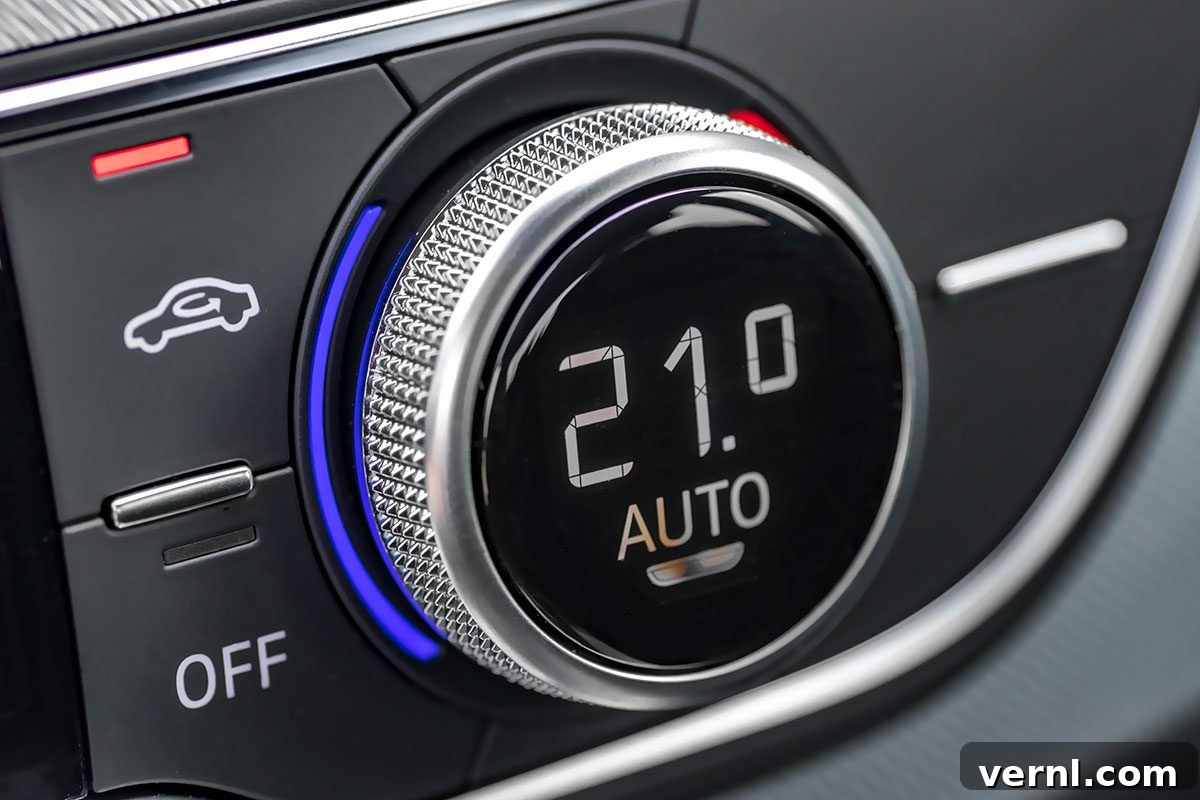
After the initial pumping, it’s time for a full flush. Roll down all remaining windows in your car – that includes the driver’s side front and rear windows. This maximizes the pathways for air exchange. Immediately after, turn on your vehicle’s air conditioning system. Crucially, ensure that the air circulation setting is turned off, meaning your AC is pulling in fresh air from outside the vehicle. This is vital because, at this stage, the air outside your car is significantly cooler than the air inside. Additionally, direct the airflow specifically to the foot wells. This precise targeting is a key component of the hack’s scientific effectiveness, which we will elaborate on shortly.
Step 4: The AC Purge – Rolling Up Windows Once Cold Air Flows
Allow the air conditioning to run with all windows down and fresh air directed to the footwells for a short period – typically 30 seconds to a minute – until you feel a consistent stream of genuinely cold air emanating from the vents. Once this cold air flow is established, proceed to roll up all windows in your car. This action seals the cabin, allowing the AC system to focus on cooling the now somewhat refreshed interior air more effectively.
Step 5: Optimizing for Efficiency – Switching to Recirculation
With all windows up and cold air now circulating, the next step is to switch your air conditioning setting back to recirculate. At this point, the air inside your car is substantially cooler than the air outside. By recirculating the already cooled cabin air, your AC system doesn’t have to work as hard to chill new, hotter outside air, leading to greater fuel efficiency and faster overall cooling. This change is critical for maintaining the desired temperature without overworking the system.
Step 6: Final Comfort Customization – Adjusting Airflow
Once your car’s interior has reached a comfortable temperature and the AC is efficiently recirculating cold air, you are free to adjust the vent direction to your personal preference. You no longer need to keep the airflow limited to the footwell vents. Direct the air wherever you desire – towards your face, body, or to ensure even cooling throughout the cabin. The primary goal of rapidly expelling initial heat has been achieved, and now it’s all about sustained comfort.
The Science Behind the Speed: Why This Hack Works So Well
This car cooling hack isn’t magic; it’s a clever application of fundamental scientific principles, primarily related to heat transfer and air dynamics. Understanding the ‘why’ makes the ‘how’ even more compelling:
The Principle of Convection: Hot Air Rises, Cool Air Falls
You might recall from your basic science classes that hot air is less dense than cool air, causing it to rise, while cooler, denser air sinks. This principle of convection is at the core of this hack. When your car’s interior is scorching hot, the hottest air accumulates towards the ceiling. By initially directing the incoming cold air from the air conditioning system to the foot wells (the lowest point in the cabin), you are leveraging this natural phenomenon. The heavy, cool air entering the footwells actively pushes the lighter, hot air upwards and out through any open vents or gaps, effectively “flushing” the heat out of the car. If the air conditioning were initially set to come in from higher vents, the cool air would still fall, but it wouldn’t create the same forceful, rapid displacement of the superheated air upwards. This bottom-up cooling strategy is significantly more efficient at expelling initial heat than top-down cooling.
Pressure Differential and Rapid Air Exchange
The “pumping” action of the driver’s side door is not just a gesture; it’s a deliberate mechanism to create a temporary pressure differential within the car. Pushing the door in briefly increases internal air pressure, forcing a burst of hot air out through the open passenger windows. Pulling it out creates a slight vacuum, drawing in a small amount of cooler ambient air. Repeated quickly, this action acts like a manual pump, rapidly cycling out a large volume of the superheated, stagnant air that is trapped inside. This forced air exchange significantly speeds up the process of replacing scorching interior air with slightly cooler ambient air, giving your AC a head start.
Strategic Recirculation for Optimal Efficiency
The timing of the recirculation switch is also a critical, often misunderstood, element. When your car has been sitting in the sun, the air inside the cabin is typically much hotter than the air outside. If you were to immediately engage the recirculation feature, your AC system would continuously try to cool down the already superheated internal air, making it work much harder and take much longer to achieve a comfortable temperature. This is why the hack emphasizes initially pulling in fresh outside air, which, despite being warm, is still cooler than the trapped cabin air. Once the interior has noticeably cooled down (as indicated by consistent cold air from the vents), switching to recirculation becomes the most economical and efficient option. At this point, the air inside your car is cooler than the air outside, and recirculating it allows your AC to maintain the desired temperature with less effort, saving fuel and reducing wear on the system.
By combining these actions – strategic ventilation, forced air expulsion, targeted cold air delivery, and intelligent recirculation management – this hack provides a powerful, science-backed method for cooling down your car much faster than simply blasting the AC from the get-go. It’s not just about comfort; it’s about smart energy use and extending the life of your vehicle’s air conditioning system.
Beyond the Hack: Comprehensive Car Cooling Tips for Summer
While Pushing Pistons’ hack is incredibly effective for rapid cooling, a holistic approach to managing car heat involves both reactive solutions and proactive prevention. Here are additional tips to keep your vehicle cooler during the summer months:
Preventative Measures: Stopping Heat Before It Starts
- Seek Shade: The simplest and most effective prevention is to park in the shade whenever possible. Even partial shade can make a significant difference in interior temperature buildup.
- Use Sun Shades and Reflectors: A good quality windshield sunshade can block a substantial amount of solar radiation from entering the car. Consider side window shades as well, especially if your car will be parked for an extended period.
- Crack Windows (Safely): If it’s safe and legal in your area, cracking your windows slightly (about half an inch) can create a small ventilation path, allowing some hot air to escape and preventing extreme temperature spikes. Be mindful of security and weather conditions.
- Tinted Windows: Professionally installed window tint can block UV and infrared rays, significantly reducing heat transfer into the cabin. Check local regulations regarding tint darkness.
- Cooling Seat Covers: Some seat covers are designed with breathable materials or even active cooling features to prevent scorching hot seats.
- Dash Covers: A light-colored dash cover can reflect some of the sun’s energy, protecting your dashboard and reducing heat radiation.
Alternative Initial Cooling Methods
- “Air Out” Your Car: Before getting in, open all your car doors and let them stand open for a minute or two. This allows a quick burst of trapped hot air to escape naturally.
- Remote Start: If your car has a remote start feature, use it to turn on the engine and air conditioning a few minutes before you plan to depart. This gives the AC a head start in cooling the cabin.
Regular Maintenance for Optimal AC Performance
- AC System Check-up: Ensure your air conditioning system is regularly serviced. Low refrigerant levels, a clogged condenser, or a failing compressor can drastically reduce cooling efficiency.
- Replace Cabin Air Filter: A dirty or clogged cabin air filter can restrict airflow into your car’s interior, making your AC work harder and less effectively. Replacing it according to your car’s maintenance schedule is a simple and inexpensive fix.
Conclusion: Stay Cool, Drive Safe This Summer
Dealing with a sweltering car interior during a heatwave is more than just an inconvenience; it can be a serious comfort and safety concern. The Pushing Pistons car cooling hack offers a scientifically sound and remarkably effective method to rapidly reduce your vehicle’s temperature, transforming an unbearable experience into a manageable one. By strategically ventilating, actively expelling hot air, and intelligently utilizing your air conditioning’s recirculation feature, you can achieve a cooler cabin much faster and more efficiently. We encourage you to try this brilliant hack and combine it with preventative measures to ensure a more pleasant and safer driving experience throughout the hottest months. Don’t let the summer heat get the best of your commute – master the heat with smart, simple solutions.
Related Articles You Might Find Interesting:
- Do You Know What That Little Button on Your Seat Belt Is For?
- What Those Lines on Your Backup Camera Really Tell You
- Here’s What The Small Panel On Your Car’s Front Bumper Is For