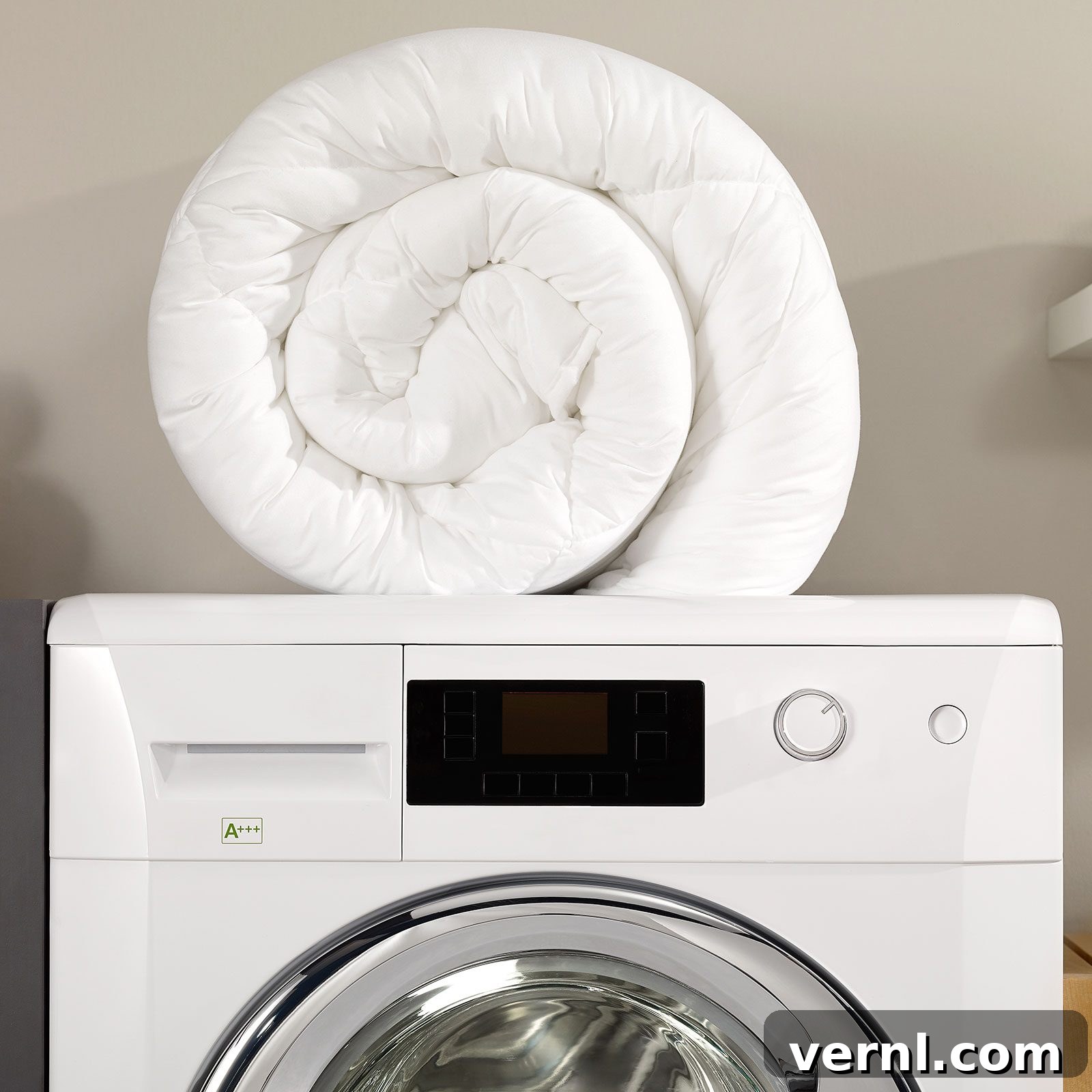
The Ultimate Guide to Washing and Caring for Your Down Comforter
Ensuring your bedding is clean and fresh is essential for a healthy sleep environment. While regularly washing items like sheets and pillowcases is straightforward, tackling bulkier items such as large quilts, weighted blankets, or especially a plush down comforter, can seem daunting. During colder months, a cozy down comforter provides unparalleled warmth and comfort. Unlike sheets, which require weekly laundering, your down comforter doesn’t demand such frequent washing, but it still needs diligent care to maintain its luxurious loft and cleanliness. Improper washing techniques, however, can quickly turn your fluffy comforter into a lumpy, uncomfortable mess, diminishing its comfort and lifespan.
The unique filling of traditional down comforters, composed of delicate goose or duck feathers, is what makes them so light and insulating. However, these feathers are prone to clumping and flattening when exposed to excessive moisture or detergent residue during washing. This can result in an uneven distribution of warmth and a noticeably less comfortable feel. Even modern down alternative comforters, typically filled with polyester or rayon fibers, can suffer from similar bunching issues if not cared for correctly. The good news is that with the right approach, washing a down comforter is far simpler than you might imagine. By following a few mindful steps, you can preserve its plushness, extend its life, and ensure it remains a source of comfort for years to come. If you’re also exploring new bedding options, consider checking out the highly-rated Sunday Citizen comforter or the innovative Evercool cooling comforter, especially if you’re a hot sleeper.
How to Wash a Down Comforter Properly
Understanding the correct frequency for washing your down comforter is the first step in proper maintenance. Appliance expert Whirlpool suggests washing your comforter two or three times a year, particularly if it’s protected by a duvet cover. Using a duvet cover acts as a barrier, keeping your comforter cleaner for longer and allowing you to wash the cover much more frequently – a task considerably easier than washing the comforter itself. If you opt not to use a duvet cover, it’s generally recommended to wash your comforter every couple of months, depending on usage and personal preference.
Other sleep experts, such as the Sleep Foundation, offer slightly different guidance, suggesting that a down comforter with a duvet cover may only need to be washed one to two times per year. Given the delicate nature of down, the overarching advice is to only wash it when truly necessary to minimize wear and tear. Factors like allergies, pet ownership, or frequent spills might necessitate more frequent cleaning. Additionally, if your down comforter is brand new, Whirlpool advises against using it straight out of the package. This is due to the potential presence of “trace chemicals” or other irritants from the manufacturing process that could affect sensitive skin or cause an unpleasant odor, making a pre-use wash a good idea. Always err on the side of caution and follow these careful steps when washing your down comforter, also known as a duvet insert:
- Consult the Care Label: This is your primary guide. Before initiating any laundering, locate and carefully read your comforter’s care label. If it specifies “dry clean only” or recommends professional cleaning, especially for delicate fabrics like silk or intricate stitching, it’s best to heed that advice and take it to a reputable dry cleaner for specialized care. However, if the label provides instructions for at-home washing, you’re cleared to proceed with the following steps. Ignoring the care label can lead to irreversible damage.
- Inspect and Repair Any Damage: Thoroughly examine your down comforter for any existing rips, tears, or loose seams. Even a small opening can lead to feathers escaping during the wash cycle, creating a messy situation and potentially damaging your washing machine. Promptly sew up any such damages using a needle and thread or a fabric patch kit before washing. This simple preventative measure ensures the filling stays securely inside.
- Pre-Treat Stains Effectively: Before a full wash, it’s crucial to spot-treat any visible stains. Apply a mild, pH-neutral stain remover directly to the affected areas. For common organic stains like blood, pet urine, or food, an enzymatic cleaner is highly effective at breaking down the proteins responsible for the stain and odor. When applying any stain treatment, gently lift the comforter’s outer fabric away from the internal filling to prevent the cleaner from saturating the down. Allow the treatment to sit for at least 10-15 minutes, or as directed by the product, before washing. Always test the cleaner on an inconspicuous area first to ensure it doesn’t discolor the fabric.
- Ensure Adequate Washing Machine Capacity: Down comforters are bulky items that require ample space to move freely in the washing machine for a thorough and even clean. If your home washer is a standard or small capacity, it might not be suitable. For larger comforters, consider using a high-capacity front-loading washing machine at a local laundromat. A machine that is too small will compress the comforter, preventing proper cleaning and rinsing, and can also lead to excessive clumping. Ensure the comforter isn’t excessively bunched or crammed into the machine.
- Choose the Right Detergent: Opt for a mild, gentle detergent, preferably one that is formulated for delicate items or specifically designed for down products. Harsh detergents can strip the natural oils from down feathers, reducing their loft and insulating properties. Crucially, use a minimal amount of detergent – less is often more when it comes to washing down comforters. Excessive detergent can leave behind residue that weighs down the feathers and contributes to clumping.
- Set Your Washer Correctly: Select the most gentle cycle available on your washing machine, such as “delicate” or “hand wash.” Use warm water, not hot, as extremely hot water can damage the down feathers and the fabric. To ensure all detergent residue is completely rinsed out (a critical step to prevent clumping and odor), always select an extra rinse cycle. Some machines also offer an additional spin cycle, which can help remove excess water, shortening drying time, but be mindful not to over-spin if it’s too aggressive.
- Complete the Wash Cycle: Once you’ve set all the parameters, initiate the wash cycle and allow it to run to completion without interruption. Resist the urge to open the machine mid-cycle, as this can disrupt the delicate washing process.
These detailed steps aren’t just for comforters; you can also apply similar principles when learning how to wash a down jacket at home for effective care.
How to Dry a Down Comforter Effectively
The drying process is arguably even more critical than washing when it comes to preserving your down comforter’s integrity and loft. Incorrect drying can lead to mildew, odor, and permanent damage to the down. Follow these steps meticulously to complete your laundering cycle successfully:

- Ensure Ample Dryer Space: Similar to washing, your down comforter needs plenty of room to tumble and circulate air freely in the dryer. Overfilling the dryer will result in uneven drying, which is a primary cause of mildew. If your home dryer is too small, again, consider using a commercial-sized dryer at a laundromat. A wet down comforter will feel heavy and may even emit a strong, distinct “wet feather” scent – this is normal and will dissipate as it dries completely, so don’t be alarmed.
- Select a Low-Heat or Delicate Setting: Your natural inclination might be to use a high heat setting to speed up the drying process, but this is a common mistake that can severely damage down feathers. High heat can scorch, shrink, or make the delicate down brittle, permanently reducing its loft and insulating capabilities. Always choose the lowest heat setting available, such as “low,” “delicate,” or “air fluff.” While this prolongs the drying time, it protects your comforter’s filling.
- Regularly Break Up Clumps and Fluff: To ensure even drying and prevent clumping, it’s essential to pause your dryer frequently – approximately every 20 to 30 minutes – throughout the drying cycle. Open the dryer door, remove the comforter, and give it a vigorous shake and fluff. This helps redistribute the down filling and prevents moisture pockets. For an added boost, consider adding two or three clean wool dryer balls (or clean tennis balls placed in socks to prevent dye transfer) to the dryer. These balls help to separate the down clusters, speed up drying time by creating air pockets, and soften the comforter without the need for chemical fabric softeners.
- Practice Patience: Drying a down comforter is not a quick process. Due to their bulkiness and the delicate nature of the down, it can easily take several hours, sometimes up to 4 to 6 hours, for your comforter to dry completely. Rushing this step is the most common cause of mildew and persistent odors. Continue drying and checking until the comforter feels completely dry to the touch and has regained its full loft and fluffiness. There should be no damp spots or residual “wet feather” smell.
Crucial Considerations for Long-Term Down Comforter Care
Beyond the washing and drying steps, several other factors contribute significantly to the longevity and freshness of your down comforter. Keeping these in mind will help you avoid common pitfalls and ensure your investment remains comfortable and hygienic:
- Avoid Air-Drying Down Comforters: While air-drying might seem like a natural and gentle option, most experts strongly advise against it for down comforters. The primary reason is the significantly increased risk of mildew and mold growth. Down feathers take an extremely long time to air dry completely, creating a moist environment where fungi can thrive, leading to unpleasant odors and potential health hazards.
- Be Cautious with Professional Dry Cleaning: The term “dry cleaning” often implies the use of harsh chemical solvents that can strip the natural oils from down feathers, making them brittle and reducing their insulating efficiency and lifespan. If your care label suggests professional cleaning, specifically ask your local cleaner if they offer a “laundering” service for down items rather than traditional “dry cleaning.” Laundering typically uses water-based processes that are much gentler on down.
- Ensure Absolute Dryness to Prevent Mildew: This cannot be stressed enough: your down comforter must be 100% completely dry before storing or placing it back on your bed. Even a slight amount of residual moisture can lead to rapid mildew or mold growth, which produces a musty smell and can pose serious respiratory health risks if inhaled. If you discover mildew or mold on your comforter, it’s safest to take it to an expert cleaner who specializes in remediation, or in severe cases, consider replacement.
- Use Detergent Sparingly: As mentioned in the washing steps, using too much detergent is detrimental. Excess detergent can coat the delicate down feathers, preventing them from fluffing up properly and causing them to flatten and clump together. This diminishes the comforter’s loft, warmth, and overall comfort. Stick to a minimal amount of mild, diluted detergent.
- Never Use Fabric Softener: Fabric softeners are designed to coat fibers, which is precisely what you want to avoid with down. The residue from fabric softener will cling to the comforter’s fill, weighing down the feathers, promoting clumping, and drastically reducing the down’s natural ability to trap air and insulate. This ultimately leads to a loss of warmth and fluffiness.
- Monitor Dryer Temperature: Even on a “low” setting, some dryers can fluctuate or run hotter than ideal. Periodically check the comforter’s temperature during the drying process. If it feels excessively hot to the touch, consider reducing the heat further or turning off the heat setting for a portion of the cycle to allow for air-only tumbling. Overheating can damage the delicate down structure, making it less resilient and soft.
By adhering to these detailed guidelines, you can ensure your down comforter remains a cherished, clean, and supremely comfortable part of your bedding for many seasons. Remember, proper care not only maintains its aesthetic appeal but also preserves its functional qualities. Down comforters are not the only items that require special care; explore more laundry tips for hard-to-wash items to keep all your household textiles in top condition.