
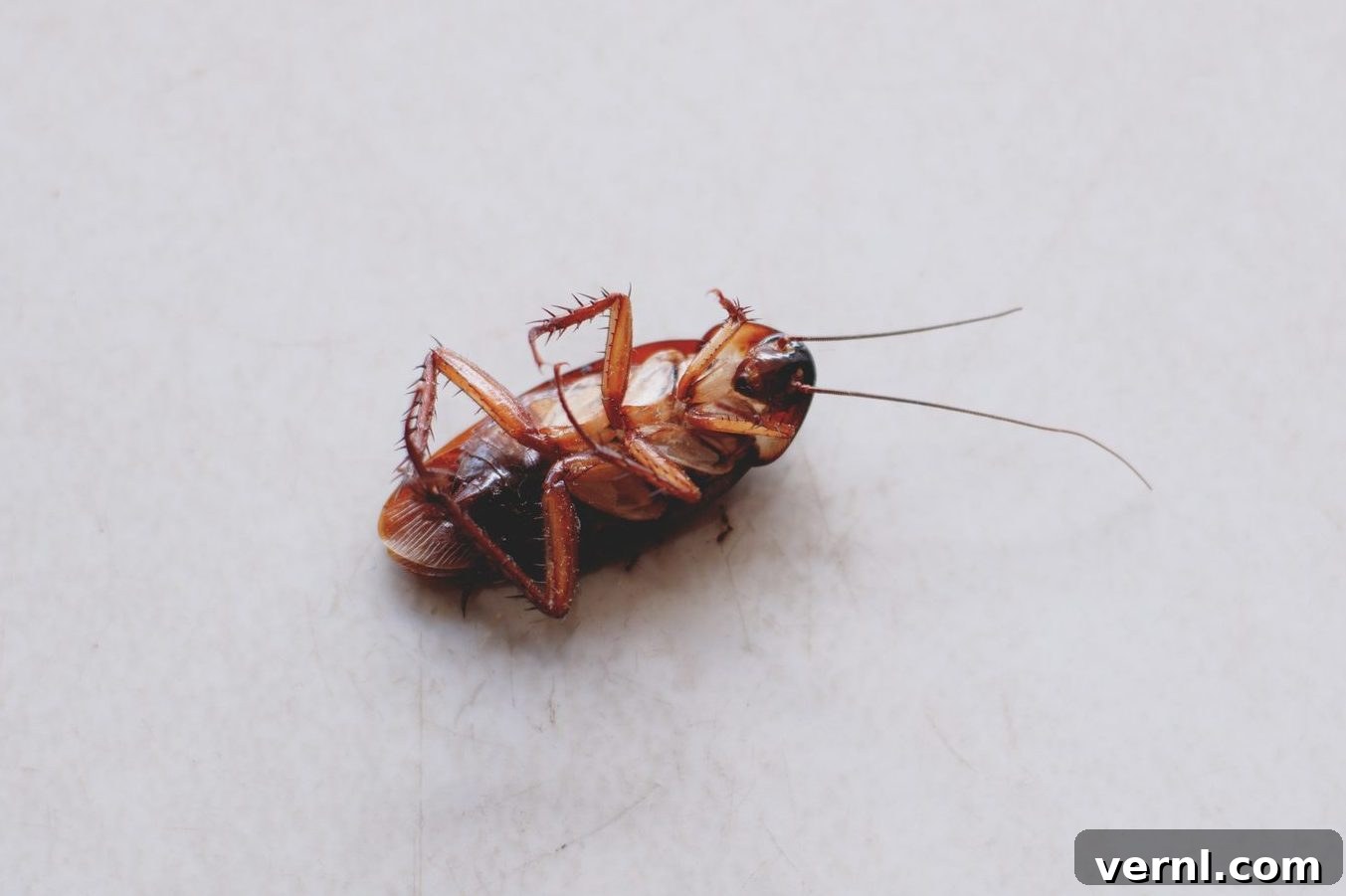
Boric acid, a naturally occurring mineral found globally from oceanic waters to rich soil deposits, has long been recognized for its diverse applications. While its elemental form is ubiquitous in nature, appearing in many plants and nearly all fruits as a vital nutrient, its refined chemical compound form is specifically utilized in various industrial and domestic settings. Mined from boron-rich geological formations, particularly near volcanic regions and arid lake beds, this compound is engineered into a powerful tool. Beyond its use as an effective herbicide, humans leverage boric acid in everything from manufacturing durable fiberglass to preserving wood. However, its role as a household pest control solution is particularly notable.
This comprehensive guide delves into the efficacy of boric acid against common household pests, outlining its mechanisms of action, best practices for safe application, and critical safety considerations for families and the environment. We have gathered insights from leading experts in the field: Wyatt West and Dr. Nancy Troyano, both board-certified entomologists, along with Bernie Holst III, CEO of Horizon Pest Control in Midland Park, New Jersey, to provide a well-rounded and authoritative perspective on this potent compound.
What Is Boric Acid and How Is It Used in Pest Control?
Boric acid, also known by its chemical nomenclature as orthoboric acid, hydrogen borate, or boracic acid, is a chemical compound meticulously formulated with the element boron. Esteemed for its versatility, it serves multiple purposes across various industries and households. It is most prominently recognized and employed as a broad-spectrum insecticide, an effective herbicide, a powerful fungicide, a reliable antiseptic, and even a flame retardant.
In the realm of pest management, boric acid stands out as a highly effective insecticide. It is predominantly used to target and eliminate a range of stubborn household pests including cockroaches, ants, silverfish, termites, and fleas. Its application extends beyond insects; as an herbicide, it demonstrates remarkable effectiveness against various molds, fungi, and specific types of problematic weeds, making it a multifaceted solution for maintaining a pest-free and healthy living environment.
Understanding How Boric Acid Works Against Common Household Pests
The effectiveness of boric acid as an insecticide lies in its unique mode of action, which primarily targets the digestive and nervous systems of susceptible pests. When insects such as cockroaches, ants, or silverfish come into direct contact with boric acid, the fine particles adhere to their exoskeletons. These pests, being meticulous groomers, inevitably ingest the boric acid particles as they clean themselves. Once ingested, the compound begins its work by disrupting the insect’s stomach functions, severely impairing their ability to digest food and absorb nutrients. This internal disruption gradually leads to starvation and dehydration.
Furthermore, boric acid also acts as a neurotoxin, interfering with the insect’s nervous system. This dual action ensures a thorough and effective elimination. However, it’s crucial to understand that boric acid does not provide an instantaneous kill. Its efficacy relies on accumulation within the insect’s body, meaning it can take several days or even longer to observe its full effect. This slow action is often an advantage in bait formulations, as affected insects can return to their colonies and spread the boric acid to other members, leading to a more comprehensive eradication of the infestation.
While boric acid is generally lethal to any arthropod (including insects, spiders, ticks, and mites) that ingests it, its practical application is more specific. Its primary effectiveness is observed in arthropods that engage in regular self-grooming. This explains why it is less effective against pests like spiders, centipedes, and ticks, which typically do not groom themselves in a manner that leads to sufficient ingestion of the compound. Wyatt West, a board-certified entomologist, also notes that boric acid can theoretically damage insects’ exoskeletons, leading to dehydration. However, he advises that if the goal is purely physical abrasion and desiccation, there are more effective solutions available, such as diatomaceous earth, which works purely through physical means.
Boric acid pest control products are readily available in various formulations to suit different application needs and pest types. These include fine powders, attractive gels, and convenient tablets or baits. As West explains, “Typically, you will see boric acid used in insect baits.” These baits are designed to be highly appealing to target pests, ensuring ingestion and maximizing the compound’s effectiveness.
Implementing Boric Acid Safely and Effectively in Your Home
Successful and safe use of boric acid for pest control hinges on careful planning and strict adherence to guidelines. Before application, it is essential to determine the most suitable form—gel, powder, tablet, or trap—based on the specific type of insect you’re targeting, the location of the infestation, and the overall environmental conditions of the area. This preliminary assessment is critical for optimizing efficacy and minimizing risks.
Above all, it is paramount to meticulously read and follow all directions provided on the product label. Boric acid is a poisonous substance and can be potentially harmful if misused by people or pets. Bernie Holst III emphasizes this point, stating, “Mixing more doesn’t mean it’s more effective.” In fact, incorrect ratios can render the treatment less attractive to pests or even repel them, making the effort counterproductive.
Key Principles for Maximizing Success and Safety:
- Strategic Placement: Observe pest activity patterns closely. For ants, this typically means placing bait or powder along their trails, near entry points, or along baseboards and corners. For cockroaches, common hotspots include under sinks, behind appliances, and in dark, moist areas. Precision in placement ensures pests encounter the treatment.
- Thorough Cleaning: Before applying any pest control product, thoroughly clean the areas that are attracting bugs. Remove food crumbs, spills, and debris. This step is crucial not only to prevent immediate recurrence but also to ensure that pests are more likely to be attracted to the boric acid bait rather than other food sources. A clean environment is the foundation of effective pest management.
- Preventive Measures: Regularly seal cracks and crevices, repair leaky pipes, and store food in airtight containers to deny pests access to entry points and resources.
Specific Guidance for Using Boric Acid Powder:
Boric acid powder requires careful handling due to its particulate nature, which can easily become airborne. To ensure your safety:
- Personal Protective Equipment (PPE): Always wear appropriate safety gear, including goggles to protect your eyes, a mask or respirator to prevent inhalation, gloves to avoid skin contact, and a long-sleeved shirt. This prevents accidental exposure.
- Application Technique: Do not create piles of powder. Instead, sprinkle a very thin, almost imperceptible layer along paths where insects travel. A light dusting is sufficient for pests to pick up the particles on their bodies. Excessive amounts can be easily detected and avoided by pests, reducing effectiveness.
- Post-Application Cleanup: Within 24 to 48 hours after application, carefully vacuum the treated area to remove any residual powder. This helps in controlling the amount of chemical in the environment and prevents exposure to non-target organisms.
- Restrict Access: Ensure that children and pets are strictly prohibited from entering the treated area until it has been completely cleaned and all residues have been removed.
Holst also advises common sense precautions for outdoor applications: “Don’t apply products outside before it rains. And you would not want to spray a product or use a granular product near a body of water, because of drift issues and or rain water carrying the granular product into the water.” This highlights the importance of considering environmental factors to prevent contamination and ensure product efficacy.
Boric Acid Safety for Pets and Kids: Risks and Vital Tips
The question of boric acid safety around pets and children elicits a nuanced answer: it is safe under specific conditions, but dangerous if those conditions are not met. When applied correctly and according to label instructions, boric acid for bugs can be a safe pest control solution. However, it must never be inhaled or ingested. The key distinction lies between proper, minimal application in inaccessible areas versus careless, excessive use in easily reachable spots.
Wyatt West offers a crucial perspective: “In terms of pesticides, boric acid is going to be one of the ‘safest’ around.” He cautions, “We have to remember that at the end of the day, all pesticides are poisons, but when used correctly, they carry minimal risk. Always follow the label! Don’t take unnecessary risks.” This expert advice underscores that while boric acid is less toxic than many conventional pesticides, its inherent toxicity necessitates respect and responsible handling. The risks are dramatically reduced when users meticulously adhere to manufacturer guidelines.
To Minimize Risks to Children and Pets:
- Strict Adherence to Instructions: Always follow the label instructions precisely for proper mixing, targeted application, secure storage, and safe disposal of boric acid products at home. Deviation from these guidelines increases the potential for harm.
- Consider Proximity: Remember that pets and young children spend more time closer to floor level. This increases their likelihood of coming into contact with boric acid residues on carpets, low surfaces, or inadvertently placed baits. Therefore, strategic placement in areas inaccessible to them is critical.
- Emergency Contact: In the event of accidental exposure, always refer to the instructions on the product label. For immediate and expert advice, contact the Poison Control Center at 1-800-222-1222. Keep this number readily accessible.
Additional Safety Considerations:
- Avoid Sensitive Areas: Never use boric acid near pet food or water dishes, or on any surfaces used for food preparation, such as kitchen counters or cutting boards. Contamination of food or drink sources can lead to accidental ingestion.
- Secure Storage: After use, store boric acid products in their original containers in a secure location, out of reach of children and pets. Proper storage prevents curious hands or paws from accessing the chemical.
- Protect Decorative Surfaces: Avoid applying boric acid directly onto decorative surfaces. It has the potential to cause unsightly stains or discoloration, permanently damaging finishes.
Is Boric Acid an Environmentally Friendly Pest Control Option?
The environmental profile of boric acid is generally favorable when compared to many synthetic chemical pesticides, though it requires careful consideration. Bernie Holst III highlights its natural origins: “Boric acid naturally occurs in the environment in soil, water and plants, so in that regard, it is a ‘green’ product.” This natural prevalence contributes to its perception as an eco-friendlier option. Furthermore, boric acid is not known to emit harmful volatile organic compounds (VOCs) or vapors into the atmosphere, which is a significant environmental advantage.
Its toxicity to non-target organisms is also relatively low. It is generally believed to be minimally toxic to most birds, fish, and amphibians, making it a safer choice for ecosystems compared to broad-spectrum insecticides that can decimate beneficial wildlife. Wyatt West acknowledges this unusual positive trait: “That is unusual when talking about pesticides.”
However, the environmental benefit is not without caveats. Holst adds, “However, in certain formulations and quantities, it can potentially kill plants.” While plants naturally utilize trace amounts of boron (from which boric acid is derived) as a vital micronutrient, even slightly elevated levels in the soil can quickly become toxic. An excess of boric acid can inhibit plant growth, cause leaf scorching, and ultimately lead to plant death. Therefore, applying boric acid directly to garden soil or near desirable plants should be done with extreme caution, as any significant addition could easily shift the balance from a nutrient to a detrimental herbicide.
West provides a prudent final thought regarding its environmental impact: “However, I would not make a habit of going around haphazardly using any compounds containing any derivative of boron. Too much of anything is never good for the environment.” This underscores the principle of responsible use – even naturally derived substances can have negative environmental consequences if overused or misapplied. Responsible disposal of unused product and packaging is also crucial to prevent environmental contamination.
Effective Alternatives to Boric Acid for Pest Control
For those seeking pesticide alternatives or complementary strategies, a wide array of eco-friendly and natural pest control options are available. These methods often focus on prevention, physical barriers, or natural repellents and insecticides, providing sustainable solutions for a pest-free home and garden.
One highly popular and effective alternative is diatomaceous earth (DE). This fine powder is composed of fossilized remains of diatoms, tiny aquatic organisms. When insects with exoskeletons come into contact with DE, its microscopic sharp edges cut through their protective waxy layer, leading to dehydration and death. DE is non-toxic to humans and pets when food-grade varieties are used.
Neem oil, extracted from the neem tree, is another powerful natural insecticide. It works by disrupting insect growth and reproduction, acting as an anti-feedant, and a repellent. Neem oil is effective against a broad spectrum of pests and is generally safe for beneficial insects, pets, and humans when used as directed.
Essential oils, known for their strong aromatic properties, can also serve as natural pest repellents. Peppermint oil, thyme oil, and rosemary oil are particularly effective. These oils can be diluted with water and sprayed in areas where pests are present or used on cotton balls placed strategically to deter insects like ants, spiders, and rodents. Their strong scents interfere with pests’ ability to navigate and locate food sources.
Homemade insecticidal soaps, typically made from mild liquid dish soap and water, work by breaking down the protective outer layers of soft-bodied insects like aphids, spider mites, and whiteflies, leading to dehydration. These solutions are simple to prepare and safe for most plants, though a patch test is recommended.
Beyond specific products, maintaining a healthy garden ecosystem is a crucial preventive measure. Strong, vigorous plants are better equipped to produce their own natural chemicals that deter pests. Encouraging beneficial insects, such as ladybugs and lacewings, which prey on garden pests, can also significantly reduce pest populations naturally.
Other simple yet effective natural methods for keeping bugs away include burning firewood in a fireplace or outdoor pit, as the smoke can repel mosquitoes and other flying insects. For ants, spraying vinegar directly on their trails can disrupt their pheromone communication, deterring them. For ant mounds in outdoor areas, carefully pouring boiling water directly onto the mound can be an immediate and effective solution, though care must be taken to avoid accidental burns or harming nearby plants.
Frequently Asked Questions About Boric Acid for Pest Control
Is boric acid the same as borate or borax?
While related through the element boron, boric acid, borate, and borax are distinct chemical compounds with different properties and uses. Borax, for instance, is a form of boron but is generally not considered as effective or suitable for pest control as boric acid. As Wyatt West clarifies, “They are two entirely different chemical compounds.” He adds, “Borax is generally less effective than boric acid as an insecticide. If you are going to purchase either of them, boric acid would be the way to go” for pest control purposes. Borax is more commonly found in household products like laundry detergents, hand soaps, cosmetics, and as a fertilizer additive, where its chemical properties are better suited.
Can I DIY a boric acid pest control formula at home?
Technically, yes, it is possible to mix boric acid with attractive ingredients like powdered sugar or other foods to create a homemade bait. However, experts strongly advise against this approach due to several critical drawbacks. Wyatt West recommends, “I would recommend buying a premade bait instead of going through the trouble of making your own. I’m not sure you’d save much time or money by making your own.” The primary reason for this recommendation is the difficulty in achieving the correct ratio and consistency, which is vital for effectiveness and safety. Dr. Nancy Troyano, a board-certified entomologist, explains the danger of improper mixing: “Mixing at the wrong ratio for the species of pest present can treat one aspect of the problem, but never truly eliminate the issue.” Incorrect ratios can make the bait unpalatable or too potent, leading to pests dying before they can spread the chemical to the colony, thereby hindering complete eradication. Premade boric acid baits are formulated by professionals to be both attractive and lethal at the optimal concentration, ensuring safety and ease of use without the guesswork and potential for errors associated with DIY solutions.
Is boric acid safe to use around the house?
Yes, boric acid can be safely used around the house, but only when applied in small, targeted amounts and strictly according to the product label instructions. ABC Termite & Pest Control highlights that boric acid can be considered safer than many fast-acting chemical pesticides precisely because it doesn’t kill instantly. Its slower action allows for lower concentrations and less overall exposure risk if properly contained. The key to safety lies in its placement – in cracks, crevices, wall voids, and other areas inaccessible to children and pets, where target pests are likely to forage. When used responsibly, boric acid minimizes direct contact for non-target occupants of the home while effectively addressing pest infestations. Always prioritize proper ventilation, handwashing, and storing the product securely to ensure a safe environment.
About Our Esteemed Experts:
- Wyatt West is an accomplished University of Georgia alumnus who initiated his career as a Branch Manager at Active Pest Control. He currently holds the position of Training Manager at Arrow Exterminators, where he adeptly applies his extensive field experience and instructional expertise to elevate industry standards.
- Bernie Holst earned his Bachelor of Science in Accounting and Finance from the University of Rhode Island. He currently serves as the Chief Executive Officer of Horizon Pest Control, guiding the company with strategic financial insight and visionary leadership.
- Dr. Nancy Troyano, a distinguished Board-Certified Entomologist, brings over two decades of invaluable experience in the intricate fields of medical, veterinary, and urban entomology. Specializing in Technical Education and Training, she presently contributes her vast knowledge and skills in this capacity for American Pest Operations at Rentokil.
Sources:
- ABC Termite & Pest Control: “Is it Safe to Sprinkle Boric Acid Around the House?”
- HRSA: “Poison Control Center”