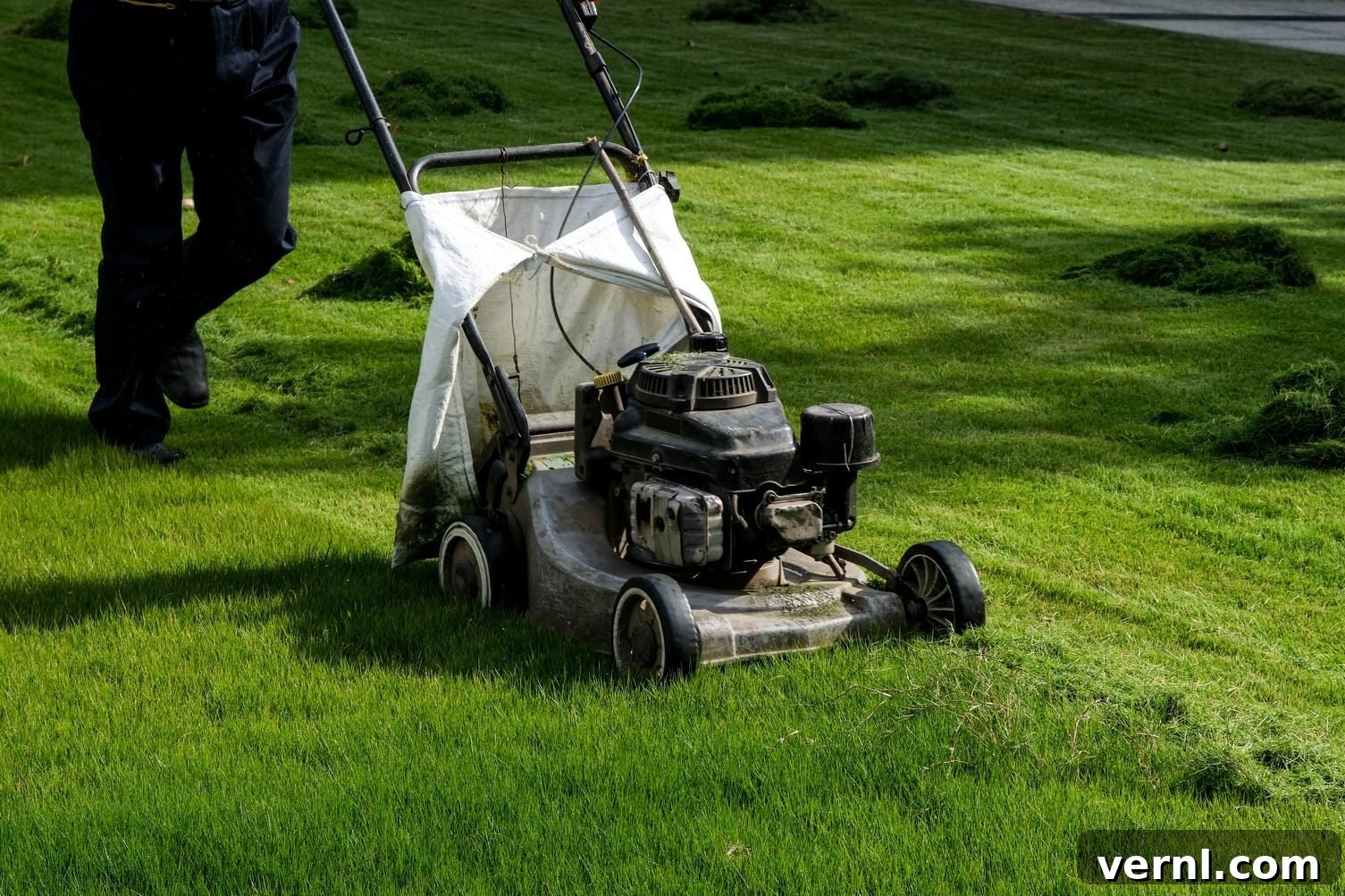
While the average homeowner invests around 70 hours annually tending to their yard, the secret to a truly lush landscape isn’t merely the amount of time spent, but rather *when* and *how* that effort is applied. Through years of hands-on experience in yard maintenance, it’s become abundantly clear that the key to a consistently green lawn lies in nurturing its health from the roots up. A robust, healthy lawn naturally possesses a greater resilience against common challenges like disease, environmental stress, and pervasive pests. It develops deep, strong root systems capable of efficiently absorbing essential nutrients and water from the soil, making it more self-sufficient and drought-tolerant. Furthermore, a dense, thick canopy of native grass acts as a natural barrier, actively suppressing weed growth—all critical elements contributing to that perfectly verdant, envy-inducing lawn.
This comprehensive guide delves into best practices primarily for northern or cool-climate grasses, though the foundational principles are widely applicable to warm-climate varieties as well. We’ve gathered invaluable insights and expert tips from two seasoned industry professionals: Osmar Castillero of Blades Landscaping and Matt Cameron from CMS Landscaping. Their collective wisdom will illuminate the path to achieving and maintaining a beautifully healthy lawn, year after year.
How to Achieve a Healthy Lawn: Essential Practices for a Pristine Yard
Transform your lawn into a vibrant, resilient landscape with these essential tips, designed to ensure a green, healthy appearance throughout every season. Whether you’re aiming for long-term health or simply need to repair an existing lawn, these strategies will guide you.
Optimize Your Mowing Height Seasonally for Peak Grass Health
The ideal cutting height for your grass is not a static number; it’s a dynamic variable influenced by your specific grass type, geographical region, and crucially, the time of year. As Osmar Castillero, an expert at Blades Landscaping, emphasizes, “Blade height is very important.” He meticulously adjusts his mower’s blade height throughout the season to adapt to changing environmental conditions, particularly temperature fluctuations.
In the spring, when cool-season grasses are actively growing and temperatures are moderate, Castillero typically sets his blades at three inches. This encourages vigorous growth and establishes a strong base. However, as summer temperatures rise and stress levels increase, he incrementally raises his blades to 3 1/2 to 4 inches. This taller grass provides crucial benefits: it helps shade the soil, reducing moisture evaporation and keeping the root zone cooler, thereby making the lawn “less likely to burn” under intense sun. Taller grass also develops deeper roots, enhancing drought resistance and nutrient uptake, while its dense canopy helps to naturally suppress weeds by blocking sunlight. For warm-climate grasses, these recommended heights should generally be adjusted downward by approximately half an inch to accommodate their distinct growth habits and tolerances. Cutting too short, often referred to as “scalping,” can severely stress your lawn, making it more susceptible to disease, pest infestations, and heat damage by exposing sensitive crowns and weakening the root system.
Ensure a Pristine Cut: The Importance of a Sharp Mower Blade
One of the most overlooked yet critical aspects of lawn care is the condition of your mower blade. A diligently maintained, sharp and perfectly balanced blade is essential for achieving a clean, even cut. When a sharp blade slices through each grass blade cleanly, it minimizes trauma to the plant, allowing it to heal quickly and continue healthy growth. In stark contrast, a dull blade doesn’t cut; it tears and rips the grass blades. This ragged damage leaves the grass vulnerable to disease pathogens, increases moisture loss, and gives the lawn a frayed, grayish-brown appearance as the torn tips dry out.
To maintain an optimal cutting edge, sharpening and balancing your mower blade at least three times a year is typically sufficient for most homeowners, assuming normal usage. However, if you frequently encounter rocks, branches, or other debris, more frequent sharpening may be necessary. A simple visual inspection of your lawn can quickly reveal the blade’s condition. Castillero advises, “If the top of the grass is torn, split, and starting to turn yellow, it’s time to sharpen your blades.” Additionally, running your hand over a freshly mown area can tell you if the cuts are clean or if the tips feel ragged. Investing a little time in blade maintenance will significantly contribute to your lawn’s overall health and aesthetic appeal.
Cultivate Deep Roots: The Art of Regular, Long Waterings
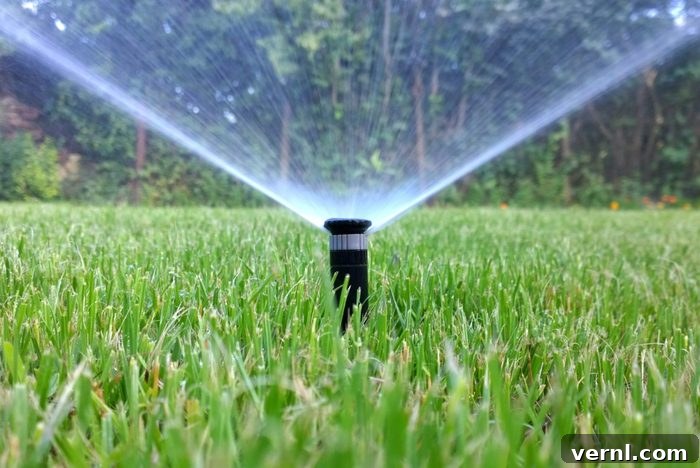
Effective lawn irrigation isn’t about how often you water, but how deeply. Regular, longer waterings are far more effective in encouraging the development of deep, resilient root systems compared to frequent, short sprinkles. Shallow watering conditions your grass to develop shallow roots, making it highly susceptible to drought stress and requiring constant hydration. Deep watering, on the other hand, encourages roots to grow further down into the soil in search of moisture, making the lawn more self-sufficient and durable.
According to Castillero, a general guideline is to provide your lawn with an inch of water per week. This amount, however, can fluctuate based on several factors, including ambient temperature, your specific grass type, and the composition of your soil. Sandy soils drain quickly and may require more frequent, slightly shorter watering sessions, while clay soils retain water longer and benefit from less frequent but very deep applications. To accurately measure the amount of water applied, you can use a simple rain gauge or place a few empty tuna cans on your lawn during irrigation. Depending on conditions, you may need to apply up to two inches of water in particularly hot or dry periods.
The absolute best time of day to water your lawn is in the early morning, typically between 4 AM and 10 AM. Watering at this time minimizes water loss due to evaporation as temperatures are cooler and winds are calmer. Crucially, it also allows the grass blades ample time to dry completely before nightfall. Watering in the evening or at night leaves the grass wet for extended periods, creating an ideal environment for fungal diseases to develop and spread. Smart irrigation systems equipped with rain sensors and timers can further optimize your watering schedule, ensuring efficiency and minimizing waste.
Practice the “1/3 Rule” and Recycle Nutrients with Clippings
Understanding how much to mow is as vital as when and how. The top one-third of a blade of grass is primarily thin, leafy tissue, rich in nutrients. When cut, this part decomposes rapidly, returning valuable organic matter and contributing up to one-third of the nitrogen your lawn requires to the soil. Matt Cameron from CMS Landscaping strongly advocates for the “1/3 Rule,” which dictates that you should only ever remove the top third of the grass blade during a single mowing session. This rule is paramount for grass health for several reasons:
- Reduces Stress: Cutting more than one-third of the blade at once severely shocks the grassroots, forcing the plant to expend significant energy on regrowth rather than root development.
- Prevents Scalping: Over-mowing exposes the sensitive stems and crowns of the grass plant, making them highly susceptible to burning in direct sunlight and creating an uneven, patchy appearance.
- Promotes Photosynthesis: Taller grass blades have more surface area for photosynthesis, allowing the plant to produce more energy and grow stronger.
- Weed Suppression: A slightly taller, denser turf shades the soil, inhibiting weed seed germination.
Cameron also highlights the significant benefit of not bagging your grass clippings. When you regularly mow and adhere to the 1/3 Rule, these small clippings are an excellent source of recycled nutrients. They act as a natural, slow-release fertilizer, enriching the soil with nitrogen, phosphorus, and potassium. This practice, often called “grasscycling,” reduces the need for synthetic fertilizers, saves you the effort of bagging, and keeps valuable organic material out of landfills. Modern mulching mowers are specifically designed to chop clippings into fine pieces that quickly settle into the turf and decompose, further enhancing this beneficial process. Only consider bagging clippings if the grass is excessively tall (which indicates you’ve broken the 1/3 rule) or if there’s an active disease outbreak that you don’t want to spread.
Strategic Timing: Fertilizing and Weed Treatments for Optimal Results
Effective weed control and proper fertilization are cornerstones of maintaining a lush, weed-free lawn throughout the growing season. However, timing is everything to maximize their effectiveness and minimize environmental impact. Here are some crucial guidelines:
- Early Spring Weed Defense (Pre-Emergents): “Early spring is when to put down pre-emergent weed treatments,” Castillero advises, “before weeds have a chance to start growing.” These products create a chemical barrier in the soil that prevents weed seeds, especially crabgrass and other annual weeds, from germinating. The precise timing often depends on soil temperature (e.g., when soil temperatures consistently reach 50-55°F). Applying too early or too late will significantly reduce their efficacy.
- Spring Fertilization for Vigor: Fertilize your lawn in early spring to give the grass a vital jump-start, promoting robust root development and a healthy green-up after winter dormancy. A slow-release nitrogen fertilizer is often ideal, providing a steady supply of nutrients over several weeks without causing rapid, excessive top growth that can weaken the plant. Conduct a soil test every few years to understand your lawn’s specific nutrient deficiencies and avoid over-application, which can harm the environment and your grass.
- Mid-Season & Fall Treatments: Depending on your grass type and specific weed pressures, a second application of fertilizer or a post-emergent weed killer may be needed in late spring or early summer. Fall fertilization (late summer/early fall) is particularly important for cool-season grasses, as it helps strengthen roots for winter and promotes early spring growth.
- Read Product Directions Meticulously: Always, without exception, read and strictly follow all product directions for both fertilizers and weed killers. Some chemicals require activation by moisture, while others can be rendered useless or even harmful if watered in too soon. Pay close attention to application rates, methods, and any specific environmental conditions (e.g., temperature ranges, wind speeds) for safe and effective use.
- Prioritize Safety Warnings: Heed all safety warnings on product labels. Wear appropriate personal protective equipment (gloves, eye protection, long sleeves, closed-toe shoes) and keep children and pets off treated areas for the recommended duration. Store chemicals securely and out of reach.
Rejuvenate Your Soil: The Benefits of Fall Lawn Aeration
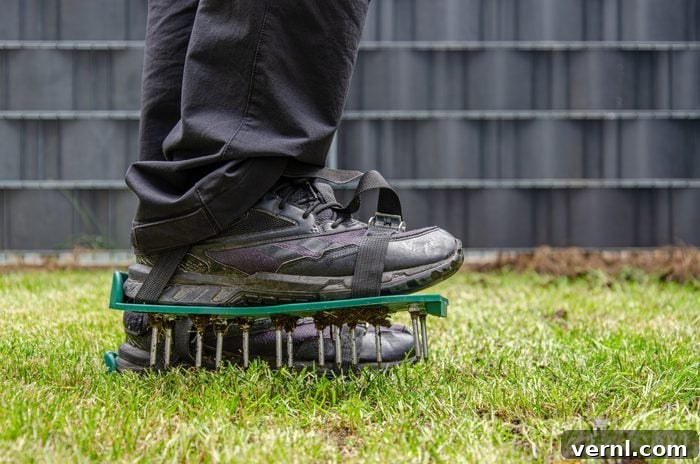
Lawn aeration—the strategic process of creating small holes in the turf to remove plugs of soil—is one of the most beneficial practices you can perform for your lawn’s long-term health. Over time, heavy foot traffic, mowing, and even rainfall can compact soil, reducing vital air and water circulation. Aeration directly counteracts this by:
- Improving Air-to-Soil Interaction: Creating channels allows oxygen to reach grass roots more effectively, essential for healthy growth and nutrient uptake.
- Facilitating Deeper Penetration: Water, fertilizers, and other nutrients can penetrate the soil more easily and reach the root zone, maximizing their effectiveness. This reduces runoff and ensures that valuable resources are utilized by the grass.
- Reducing Soil Compaction: Relieving compaction allows roots to grow deeper and spread more freely, leading to a stronger, more resilient turf that is better able to withstand environmental stresses like drought.
- Enhancing Microorganism Activity: Aeration promotes a healthier soil microbiome, where beneficial microorganisms break down thatch and convert nutrients into forms usable by grass.
“Aerating is one of the best [lawn] practices you can perform,” states Matt Cameron, underscoring its profound impact. While various tools exist, the most effective for this task is typically a gas-powered core aerator, which extracts small plugs of soil, leaving behind small holes that will gradually fill in. These machines are readily available at most local rental centers, making professional-grade aeration accessible to homeowners.
As with many lawn care tasks, timing is absolutely critical for aeration. While you can aerate in the spring, fall is generally considered the optimal time for cool-season grasses. “A great time to aerate is in October,” Castillero suggests. This allows the grass to recover and begin establishing new root growth before winter sets in. For warm-season grasses, late spring to early summer, after the grass has fully emerged from dormancy and is actively growing, is usually the best window. Combining aeration with overseeding immediately afterwards can significantly improve turf density and rejuvenate an aging lawn, as the newly created holes provide ideal pockets for seed-to-soil contact.
Frequently Asked Questions (FAQs) About Lawn Health
Are mushrooms a sign of a healthy lawn?
No, the presence of mushrooms is generally not an indicator of a healthy lawn; rather, they often signal underlying issues. Mushrooms are the fruiting bodies of fungi, and their appearance suggests a high level of decaying organic matter in your soil, coupled with excessive moisture. “You might be watering too early and too much,” Castillero observes, noting that while mushrooms don’t necessarily destroy your lawn, they certainly detract from its aesthetic appeal. Their presence can point to several problems, including improper drainage (standing water encourages fungal growth), compacted soil (which also hinders drainage), or a nutrient imbalance. Addressing these issues, perhaps by reducing watering frequency, improving drainage, or aerating the lawn, will usually diminish mushroom growth.
Is clover a sign of a healthy lawn?
It depends entirely on your lawn goals! If clover is a desired component of your lawn, then yes, its presence can indeed be a sign of a thriving, ecologically balanced ecosystem. Clover offers several benefits: it’s a natural nitrogen fixer, meaning it pulls nitrogen from the air and deposits it into the soil, reducing the need for synthetic fertilizers. It’s also remarkably drought-resistant and requires less maintenance than many traditional grasses, making it a sustainable choice for greenery. Furthermore, clover flowers provide a valuable food source for pollinators like bees. However, if your ideal lawn is a monoculture of pure grass without any broadleaf plants, then clover would be considered an unwanted addition. Even in this scenario, its presence doesn’t inherently mean your lawn is unhealthy; it simply indicates a different set of priorities or conditions.
Are crickets a sign of a healthy lawn?
This is a nuanced question, as the health indicator truly depends on the type of cricket. Common field crickets, prevalent throughout North America, can indeed signal a healthy lawn. These beneficial insects consume weed seeds and decaying organic material, contributing positively to the lawn’s ecosystem by returning nutrients to the soil. Their presence often indicates a balanced environment. Conversely, mole crickets are a significant lawn pest, particularly found throughout the coastal southern United States. These destructive insects feed on grassroots, tunnels through the soil, and can cause extensive, visible damage to lawns, resulting in brown patches and weakened turf. Therefore, identifying the specific type of cricket is crucial to determining whether their presence is a boon or a bane for your lawn’s health.
About the Experts
Osmar Castillero is the dedicated owner of Blades Landscaping Services, a distinguished lawn care and maintenance company proudly serving the Lowell, Massachusetts area. With over a decade of hands-on experience in the landscaping industry, Osmar brings a wealth of practical knowledge and expertise to every aspect of lawn health.
Matt Cameron is the esteemed owner of CMS Landscaping, a comprehensive full-service lawn care and irrigation company based in Holyoke, Massachusetts. Boasting 15 years of extensive landscaping experience, Matt is a recognized authority in creating and maintaining pristine, vibrant outdoor spaces.