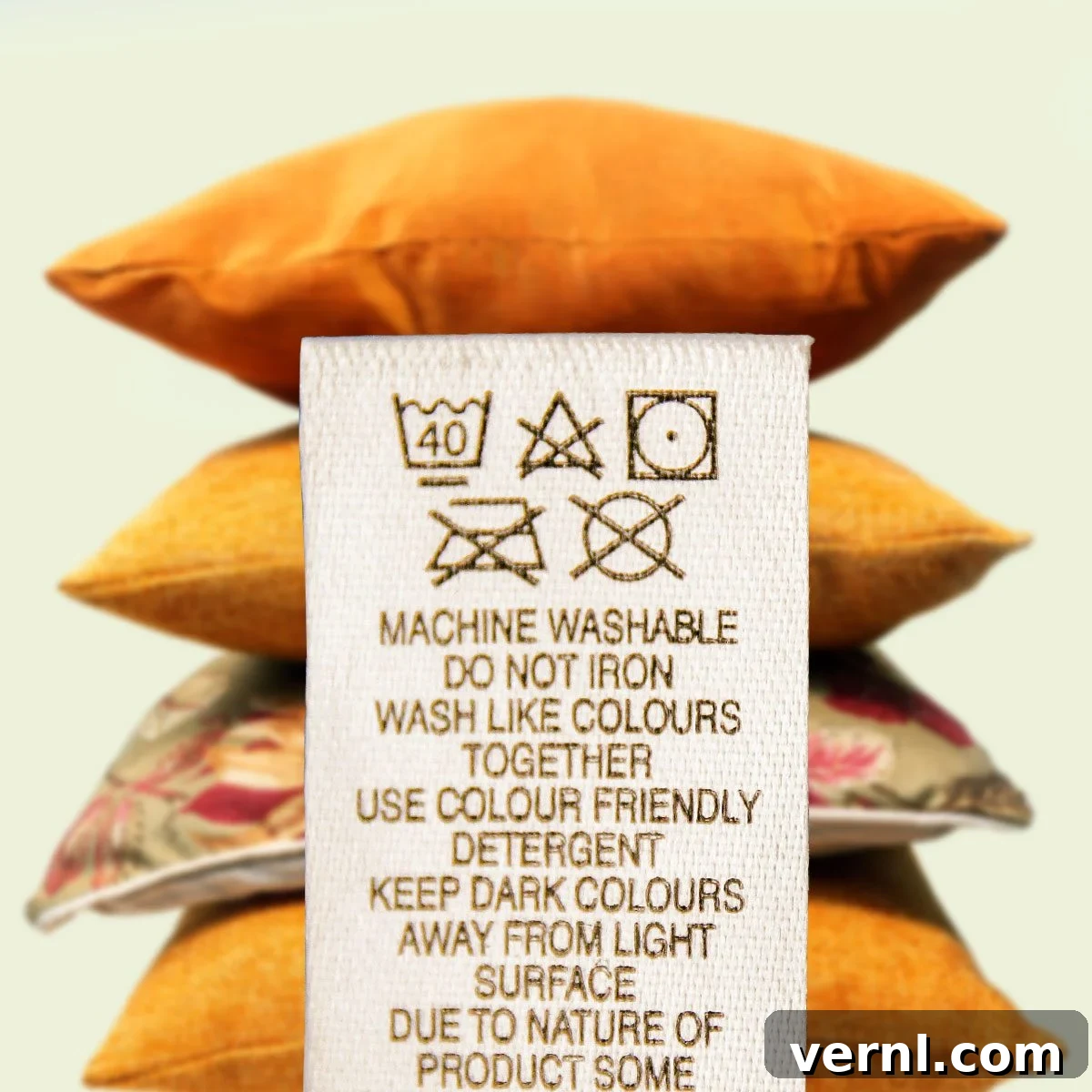
Have you ever been kept awake by a rogue tag, its stiff edge persistently poking out from under your pillowcase, scratching against your skin? It’s a remarkably common, albeit irritating, nocturnal dilemma. One night, after a particularly persistent tag had disrupted my peace for too long, I made a snap decision: off with its head! I ripped off the offending label, tossed it onto the floor, and finally drifted off to sleep, enjoying the immediate relief. The next morning, however, as I tidied up, I picked up the discarded tag and was met with a stark, unsettling warning: clearly emblazoned were the words, “Do Not Remove Under Penalty of Law.” A wave of mild panic washed over me. Had I just committed a federal offense? Were the elusive ‘pillow police’ about to raid my bedroom for this seemingly trivial transgression?
Fortunately, my anxieties were quickly put to rest. Derek Hales, the insightful founder and editor-in-chief of NapLab, a leading publication dedicated to rigorously testing and reviewing mattresses, sheets, pillows, and other sleep essentials, assured me I had nothing to worry about. He clarified that for an end-user consumer like myself, removing that pesky tag from my own bedding is perfectly legal. But if it’s not illegal for us, why the stern, almost threatening, warning? The story behind these seemingly innocuous fabric labels is far more interesting, historically significant, and crucial for consumer protection than you might initially imagine.
The Hidden History: Why Bedding Tags Came Into Existence
The origins of bedding tags are rooted deeply in public health concerns and pivotal consumer protection efforts that emerged over a century ago. Imagine a time in the early 1900s when there were virtually no regulations governing what manufacturers could put inside your pillow or mattress. This was a period fraught with potential health hazards stemming from unmonitored and often unsanitary manufacturing practices, driven by a desire to cut costs.
“In the early 1900s, it was a widespread, and disturbing, practice for many bedding manufacturers to use extremely low-quality, unsanitary, and often dangerous materials to fill pillows and mattresses,” explains Derek Hales. “These ‘fillers’ ranged from used feathers, various types of animal hair (including horsehair and hog hair), to scraps of fabric, cloth, paper, and even more unhygienic substances salvaged from various waste streams. The complete lack of transparency meant consumers had absolutely no idea what they were truly sleeping on, leading to widespread health issues and legitimate public outcry.”
The repercussions of these practices were severe. Such unsanitary contents became ideal breeding grounds for bacteria, mold, dust mites, and pests, contributing significantly to the transmission of communicable diseases and a general decline in public health. This alarming situation spurred dedicated consumer advocates, public health officials, and lawmakers to demand urgent change. The eventual introduction of mandatory bedding tags was a direct and critical response to this public health crisis. These tags were designed to bring much-needed transparency and accountability to the bedding industry, serving as vital declarations that informed consumers exactly what raw materials were used in the manufacturing of their bedding products, thereby safeguarding public health and promoting fair trade practices.
Deciphering the Labels: What Your Bedding Tag Actually Tells You
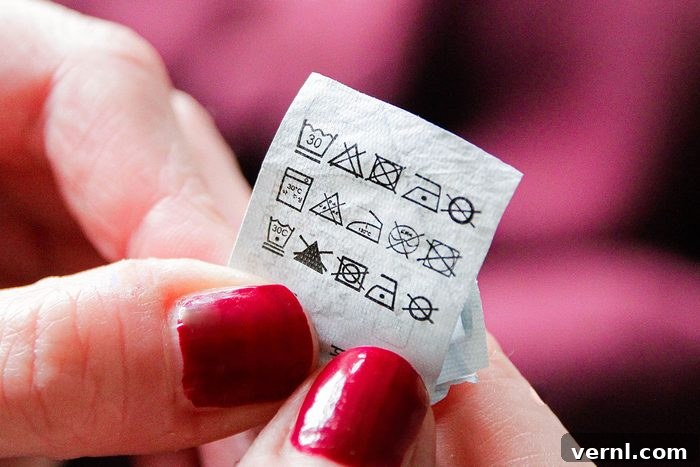
Given that you can’t easily dissect a pillow or mattress to inspect its internal composition, bedding tags remain the primary, and often only, reliable source of information about what you’re literally sleeping on. These small labels are packed with crucial details that extend far beyond just material composition. According to Barbara Stern, a distinguished bedding and textile expert, “Tags are indispensable for signaling adherence to vital safety requirements, such as fire resistance and hypoallergenicity. Moreover, they frequently provide essential care instructions that are crucial for maintaining the item’s quality, longevity, and hygienic condition.”
Understanding these details can empower you to make informed decisions about your bedding purchases, ensuring comfort, safety, and proper maintenance. Here’s a detailed breakdown of the critical information you’ll typically find on your pillow or mattress tags:
- Material Composition: This is arguably the most fundamental piece of information. The tag meticulously lists all the primary materials used in the construction of the pillow or mattress. This could include natural fibers like down, feathers, cotton, wool, or kapok, as well as synthetic materials such as memory foam (often specifying density), polyester fiberfill, or natural/synthetic latex. Crucially, it also specifies whether these materials are new (virgin, unused) or recycled (reprocessed). For down and feather products, you might also see “fill power,” which indicates the quality and insulating ability, or for synthetic fills, denier, which refers to fiber thickness and softness.
- Allergen Safety Information: While manufacturers are primarily required to list generic names of raw materials and fibers, the tag can offer important clues about potential allergens. Ideally, it should indicate if the product is hypoallergenic or free from common irritants like certain dyes or chemical finishes. It’s important to note, however, that some materials, though generically named, might have been processed with chemicals like formaldehyde or other volatile organic compounds (VOCs), which can be potent allergens or irritants for sensitive individuals. Always look for third-party certifications like OEKO-TEX® Standard 100 if allergen concerns are paramount, as these certify textiles are free from harmful substances.
- Fire Safety Standards: Adherence to government fire-resistance standards is a critical safety feature. The tag will confirm that the bedding product meets specific flammability regulations designed to slow the spread of fire, offering precious minutes in an emergency. In some regions, like California in the United States, you might see references to specific standards such as “CAL 117,” indicating compliance with strict flammability tests. This is a non-negotiable safety requirement for most bedding products sold today.
- Washing Instructions: Proper care can significantly extend the life and cleanliness of your bedding. The tag uses universally recognized symbols to guide you. A symbol of a bucket filled with water signifies that the item can be machine washed. If there’s a number inside the bucket, it represents the maximum recommended water temperature (in Celsius or Fahrenheit, depending on the country of manufacture). Delicate items like down pillows often require specific gentle cycles and cold water, while synthetic fills might tolerate warmer temperatures. Ignoring these instructions can lead to shrinkage, damage, or loss of loft.
- Drying Instructions: Equally important are the drying guidelines. A square with a circle inside it means the item is suitable for machine drying. Dots inside the circle indicate the recommended heat level: one dot for low heat, two dots for medium heat, and three dots for high heat. An ‘X’ through this symbol means tumble drying is not recommended. Excessive heat can damage certain materials, causing shrinkage, melting (especially for synthetic foams), or deterioration of fibers, and can also lead to uneven drying which encourages mold.
- Bleaching and Ironing: Other common symbols include a triangle for bleaching (often with an ‘X’ through it if not allowed) and an iron symbol for ironing (again, often with an ‘X’ if not recommended, or with dots indicating temperature settings). Bedding usually does not require ironing, but understanding these symbols is key for other textiles.
- Country of Origin: This two-letter code identifies the country where the product was primarily manufactured. While seemingly minor, this information is vital for international trade regulations, customs duties, and allows consumers to make informed choices regarding global supply chains and ethical sourcing. Codes can sometimes change over time; for instance, China was once “RC” (Republic of China) but is now commonly “CN,” and Canada’s code was changed to “CD” to avoid confusion with California’s state code “CA.”
- Manufacturer/Distributor Information: The tag will also typically include the name and sometimes the address or registration number of the manufacturer or distributor. This information is crucial for warranty claims, product registration, or if a consumer needs to contact the company for inquiries or feedback.
- Certifications: Modern tags increasingly feature symbols from independent certification bodies. These include OEKO-TEX® Standard 100 (for textiles tested for harmful substances), GOTS (Global Organic Textile Standard) for organic materials, CertiPUR-US® (for flexible polyurethane foams with low VOC emissions), or Downmark® (certifying quality and ethical sourcing of down). These certifications offer additional, verifiable assurance about the product’s quality, safety, and environmental impact.
The “Penalty of Law”: Who Does It Really Apply To?
The intimidating phrase “Do Not Remove Under Penalty of Law” is perhaps the most famous, or infamous, part of these tags, often sparking mild alarm or wry amusement. But as Derek Hales clarifies, this stern warning is explicitly *not* directed at the end-user consumer. “It is only illegal for manufacturers, distributors, and retailers to remove, alter, or deface the tag before the product is sold to the consumer,” Hales emphasizes. “Once the product is in the hands of the individual consumer, the tag has served its primary regulatory purpose of providing transparency and ensuring compliance at the point of sale.” So, rest assured, you won’t be facing any legal repercussions or a visit from the ‘pillow police’ for snipping off a bothersome tag from your own pillow, mattress, or comforter.
Beyond Annoyance: Why These Tags Persist Today
Even in an era of sophisticated consumer protection laws and widespread product information, the humble bedding tag remains a critically important tool. Its continued existence serves a vital function in preventing fraud and ensuring fair trade practices within the bedding industry. “The tag acts as a crucial safeguard, preventing unscrupulous manufacturers from misrepresenting their products,” Hales explains. “It stops them from marketing a pillow, for instance, as being filled with a high-quality, premium material X, when in reality, it contains a lower-quality, cheaper material Y. This ensures market integrity and consumer trust.”
These tags provide an enduring, legally mandated record of a product’s composition, allowing consumers to verify claims and ensuring that they receive the quality they pay for. This transparency helps maintain competitive integrity in the market and actively protects consumers from deceptive practices that could otherwise go unnoticed until long after the purchase, when recourse might be difficult. It’s a testament to the ongoing and evolving need for clear, mandatory labeling in consumer goods, serving as a silent but powerful advocate for consumer rights and product authenticity.
A Cultural Icon: Bedding Tags in Pop Culture and Urban Legend
The sheer absurdity of a consumer fearing legal action for removing a tag from their own personal property has made these warnings a goldmine for humorists and an enduring staple of pop culture. Comedians like the legendary George Carlin and observational humorist Jerry Seinfeld have famously riffed on the irrationality of the “Do Not Remove” warning, brilliantly turning it into a relatable punchline about overregulation, bureaucratic excess, and consumer paranoia. Their routines highlighted the inherent humor in a warning that seems so grave, yet applies to such a mundane item.
The idea has permeated animation and television for decades, further cementing its status as an urban legend. Sixties-era cartoon favorites such as Daffy Duck and Bugs Bunny have been comically “arrested” for this seemingly innocuous “crime,” playing on the public’s understanding of the urban legend for laughs. Iconic recurring TV series, including “Seinfeld,” “Friends,” and “The Simpsons,” have all referenced the bedding tag warning in a satirical, tongue-in-cheek manner, often depicting characters fretting over or humorously defying the rule. The enduring joke underscores the vast discrepancy between the stern legal language on the tag and the common knowledge that, for the individual owner, pulling off that tag is entirely legal and without consequence. After all, who would even know?
Your Guide to Handling Bedding Tags Responsibly
While you are undoubtedly free to remove the tag from your own bedding once purchased, there are a few practical considerations that might encourage you to keep it, or at least carefully store its vital information:
- Warranty Claims: Some manufacturers may require the original tag or at least the information contained on it (like product codes or batch numbers) as proof of purchase or for processing warranty claims, especially if there’s a manufacturing defect or issue with the product within the warranty period. It’s often easier to keep the tag than to try and find the information later.
- Care Instructions: The washing and drying symbols are invaluable for maintaining your bedding correctly, extending its lifespan, and ensuring it remains hygienic. If you remove the tag, consider taking a clear photo of it or noting down the specific care instructions to refer to later. Incorrect washing or drying can significantly damage delicate fabrics or fills.
- Resale Value: If you ever plan to sell your bedding (e.g., a high-quality mattress or a specialty pillow) in the future, having the original tag intact can provide potential buyers with immediate assurance about its composition, authenticity, and legitimacy, potentially enhancing its resale value and credibility.
- Health and Safety Information: For items like crib mattresses, medical support pillows, or specialty bedding designed for specific health needs, retaining the tag ensures you always have access to crucial safety, material, and care information that might be vital for specific users.
- Product Registration: Some manufacturers offer product registration which might be linked to information found on the tag, allowing for easier recalls or customer service in the future.
Ultimately, the decision to keep or remove the tag from your personal bedding is yours to make. However, understanding its true purpose — a legacy of consumer protection ensuring transparency and quality from the point of manufacture to sale — helps you appreciate its significance. Whether you snip it off or let it be, these small fabric labels play a powerful, unseen role in the integrity of the products we bring into our homes.
Frequently Asked Questions About Bedding Tags
So why the scary language if it doesn’t apply to me?
The “scary language” – specifically “Do Not Remove Under Penalty of Law” – is not aimed at individual consumers at all. Instead, it is a legally mandated warning directed primarily at manufacturers, wholesalers, and retailers within the supply chain. It serves to unequivocally advise these commercial entities that stringent laws require them to fully disclose the materials used in the products they produce, distribute, and sell. This ensures that accurate, unadulterated product information reaches the consumer at the point of purchase. If an individual were to buy a pillow and then attempt to sell it to another person, that transaction, depending on its nature and frequency, might potentially fall under the purview of these commercial labeling laws, making the tag’s presence relevant for the seller.
What happens if a company removes the tag before sale?
For manufacturers or sellers who remove, alter, or deface these crucial tags prior to the point of sale to a consumer, the consequences can be significant and severe. Such actions are considered deceptive trade practices and can lead to substantial penalties under regulations like the Federal Trade Commission Act (FTC Act) in the United States, and similar consumer protection laws globally. Penalties typically include substantial financial fines, potential legal action by state or federal authorities, and in severe or repeated cases, the loss of certification or licenses required to manufacture or sell bedding products. These strict enforcement measures underscore the government’s unwavering commitment to consumer transparency and product integrity within the marketplace.
About Our Experts
- Derek Hales is the esteemed Founder and Editor-in-Chief of NapLab. His publication is renowned for its objective, data-driven methodology in testing and reviewing a wide array of mattresses and sleep products, providing invaluable insights for consumers.
- Barbara Stern is a highly respected textile and bedding expert associated with Ottoman Textiles. Her extensive knowledge covers the intricate world of fabric composition, care, and industry standards for bedding.
Sources & Further Reading
- Blue Dahlia: The Ultimate Guide To Deciphering Bedding Labels; (2024)
- FindLaw: Is It Illegal to Remove Mattress, Pillow Tags?; (2019)
RELATED ARTICLES:
- The Real Reason Aluminum Foil Has a Shiny Side and a Dull Side
- Think Adirondack Chairs Are Uncomfortable? You’re Using Them Wrong
- Why You Shouldn’t Crush Aluminum Cans Before Recycling