
The Enduring Charm of Jade Plants: Your Ultimate Guide to Growing and Caring for Crassula Ovata
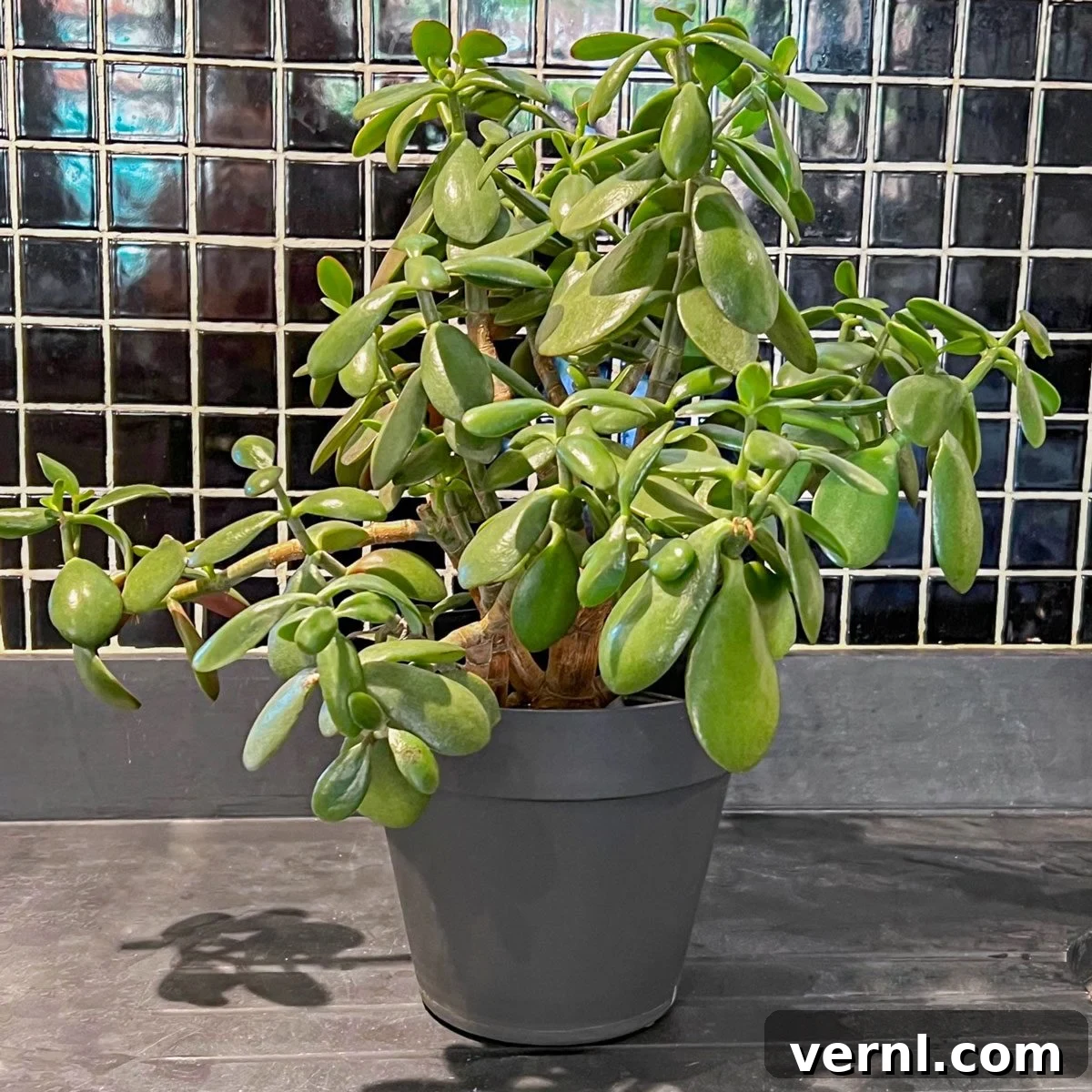
There’s something truly special about a vibrant jade plant thriving on a windowsill. Their glossy, plump green leaves and sturdy, tree-like growth bring a sense of tranquility and cheer to any space. I’ve been fortunate enough to witness this firsthand, with several magnificent jade plants gracing my home, some even producing adorable “pups” that promise new life and beauty. Their undeniable appeal lies in a unique blend of resilience, elegant simplicity, and an almost magical ability to flourish with just a modest amount of love and attention.
My journey with jade plants began quite unexpectedly. I moved into a rental property that had been vacant for nearly a year. Tucked away in the garage, behind forgotten scrap wood, I stumbled upon two small, neglected jade plants. They were shriveled, bone dry, and clearly struggling to burst free from their cramped pots. Yet, against all odds, a hint of green persisted within them. Their valiant will to survive, enduring a year of low light, no water, and zero care, deeply moved me.
Determined to give them a second chance, I repotted them into fresh soil, gradually reintroduced them to increasing amounts of light, and provided that much-needed first drink. The transformation was astonishing. These once-wizened plants not only recovered but absolutely thrived, turning me into an instant jade plant enthusiast. While I traditionally leaned towards outdoor gardening, these resilient succulents quickly converted me. Those two original jade plants have now matured into impressive giants in my kitchen, generously producing numerous pups that I’ve lovingly repotted, shared as gifts, or placed in various cherished spots throughout my home.
Now, let’s explore the wonderful world of jade plants and equip you with everything you need to know to cultivate these magnificent botanicals yourself.
What Exactly Is a Jade Plant?
Scientifically recognized as Crassula ovata, the jade plant is a prominent member of the succulent family, celebrated for its robust nature and striking beauty. Originating from the dry, rocky regions of South Africa, this plant has adapted to store water in its thick, fleshy leaves, stems, and roots, making it incredibly drought-tolerant and forgiving. Often referred to by various endearing common names such as “Money Plant,” “Friendship Tree,” “Lucky Plant,” or “Pink Joy,” the jade plant carries rich symbolism of good fortune, prosperity, and enduring friendship, making it a popular gift and a staple in many homes and offices around the world.
Its widespread popularity stems from its remarkable low-maintenance requirements, making it an ideal choice for both seasoned gardeners and beginners with an untested green thumb. Unlike many delicate houseplants, jade plants are remarkably resilient and hard to kill, capable of bouncing back even from periods of neglect. Their sculptural form, resembling miniature trees, adds an architectural element to interior decor, enhancing any aesthetic from modern minimalist to cozy bohemian.
Accessing a jade plant for your collection is typically quite easy and inexpensive. You can readily find smaller Crassula ovata plants at garden centers, nurseries, and even some supermarkets, with prices often starting as low as $10 for young specimens. While these smaller plants offer a budget-friendly entry point, remember that jades grow relatively quickly and will soon require larger pots to accommodate their expanding root systems and canopy.
Important Note on Toxicity
While undoubtedly beautiful and a joy to behold, it’s crucial to be aware that jade plants can be toxic to both pets and humans if ingested. The exact compounds responsible for the toxicity are not fully understood, but symptoms in animals can range from vomiting and lethargy to depression and coordination problems. In humans, ingestion may lead to mild gastrointestinal upset. To ensure the safety of your beloved companions and family members, it is always wise to position jade plants out of reach. In my personal experience, neither my cats nor my dogs have shown any interest in my jades, but animal behavior can be unpredictable. It’s always best to err on the side of caution; place your jade plants on high shelves, sturdy plant stands, or in rooms inaccessible to curious pets and young children.
Exploring the Diverse World of Jade Plant Varieties
While the common Crassula ovata is the most recognized form, the world of jade plants is surprisingly diverse, offering a fascinating array of cultivars and related species. Even within the beloved Crassula ovata group, you’ll discover charming variations with distinct leaf shapes and growth habits. For instance, the ‘Hobbit’ and ‘Gollum’ varieties, with their unique tubular or spoon-shaped leaves, are particularly captivating—a personal favorite for a devoted Lord of the Rings enthusiast like myself!
Beyond these popular Crassula ovata cultivars, many other types of succulents share the “jade” moniker or possess similar characteristics that make them equally appealing to cultivate:
- Crassula arborescens: The Silver Jade Plant
Recognized by its striking silvery-blue, rounded leaves, often edged with a subtle red hue when exposed to sufficient sunlight. This variety grows larger and more tree-like than Crassula ovata, making it a dramatic specimen for those with ample space. Its unique coloration adds a cool, sophisticated touch to any plant collection. - Crassula rupestris: The Rosary Vine or Kebab Bush
This variety presents a distinctly different appearance with small, stacked, triangular leaves that tightly clasp the stem, forming a dense, shrubby or trailing display. Its growth habit makes it excellent for hanging baskets or cascading over the edges of pots, adding textural interest. Flowers are typically small and star-shaped. - Crassula marnieriana: The Jade Necklace or Worm Plant
A truly unique and eye-catching succulent, characterized by its tightly packed, round, flattened leaves that are stacked along slender stems, creating an appearance reminiscent of a string of beads or a “jade necklace.” The leaves often develop reddish margins in bright light, enhancing its appeal. It typically has a more trailing or creeping growth habit. - Crassula sericea ‘Hottentotta’: The Hottentot Jade
A rarer and highly sought-after variety, this jade is distinguished by its velvety, fuzzy leaves and very compact growth habit. The texture of its foliage sets it apart, inviting touch, and its smaller size makes it perfect for miniature gardens or as a unique desk plant. - Crassula ovata ‘Tricolor’: The Variegated Jade Plant
A stunning variegated form of the common jade, featuring vibrant green leaves splashed with creamy white and often tinges of pink or red along the edges. This cultivar adds a burst of color and visual interest, though it may grow slightly slower than its all-green counterpart due to reduced chlorophyll. - Crassula ovata ‘Minima’: The Miniature Jade Plant
As its name suggests, this is a smaller, more compact version of the common jade. It retains the classic round, fleshy leaves but on a much smaller scale, making it ideal for bonsai enthusiasts or for those with limited space who still desire the traditional jade plant aesthetic.
Optimizing Jade Plant Growing Conditions
While jade plants are renowned for being supremely easy to grow, like all living organisms, they flourish best when their specific environmental needs are met. Providing the right conditions from the start will ensure a healthy, vibrant, and long-lived plant.
Choosing the Right Pot or Container
The pot you select is more critical than you might imagine. Jade plants are highly susceptible to root rot, a fungal disease caused by excess moisture around their roots. Therefore, a container with excellent drainage is non-negotiable. Always opt for a pot with one or more drainage holes at the bottom to allow surplus water to escape freely. Terracotta pots are often preferred for succulents because their porous nature allows for better airflow and faster evaporation of moisture from the soil, further preventing waterlogging. While plastic pots can be used, ensure they have ample drainage and be more cautious with watering. The size of the pot should be proportionate to the plant; a pot that is too large can hold excessive moisture, while one that is too small will restrict root growth and necessitate frequent repotting. As a general rule, choose a pot that is only slightly larger than the plant’s root ball.
Meeting Light Requirements
Jade plants thrive in bright, indirect sunlight. They adore receiving plenty of natural light but need protection from the intense, scorching rays of the midday sun, especially during the summer. A south-facing window that receives ample light throughout the day is often ideal, provided the plant is slightly set back or filtered by a sheer curtain to prevent leaf burn. East or west-facing windows can also work well, offering morning or afternoon sun, respectively. If your jade plant’s leaves start to turn a reddish hue or develop brown, crispy spots, it’s a clear indication that it’s receiving too much direct, intense sunlight. Conversely, insufficient light can lead to leggy growth (etiolation), where the stems become stretched and weak as the plant desperately reaches for light, and the leaves may appear pale and small. If natural light is scarce, consider supplementing with a full-spectrum LED grow light, positioned about 12-18 inches above the plant for 12-14 hours daily.
The Ideal Potting Mix
The soil is another crucial element in preventing root rot. It must be well-draining to ensure water passes through quickly and does not remain saturated around the roots. A standard potting soil alone is usually too dense for succulents. The best potting mix for jade plants is a fast-draining blend that provides both aeration and slight moisture retention. A common and effective combination is a mixture of standard potting soil amended with coarse sand, perlite, or pumice in a 1:1:1 ratio. These amendments improve drainage and aeration significantly. Many gardeners also find success with a specialized succulent or cactus potting mix, which is specifically formulated to meet the unique needs of these arid-loving plants. The pH preference for jade plants is slightly acidic to neutral, typically between 6.0 and 7.0.
Mastering Watering Needs
Jade plants are highly drought-tolerant and much prefer to be on the drier side. Overwatering is the most common cause of problems and ultimately, plant death. It is absolutely essential to allow the soil to dry out completely between waterings. The “drench and dry” method is highly recommended: water thoroughly until water drains from the bottom of the pot, then allow the soil to become completely dry before watering again. To check the soil’s moisture level, simply insert your finger about two inches deep into the soil. If the top half-inch to two inches of soil feels dry, it’s time to water. If it still feels moist, wait a few more days and re-test. During the active growing season (spring and summer), watering may be more frequent, while in the dormant winter months, it should be significantly reduced, sometimes to as little as once a month or even less, depending on environmental conditions.
Essential Jade Plant Care and Maintenance Practices
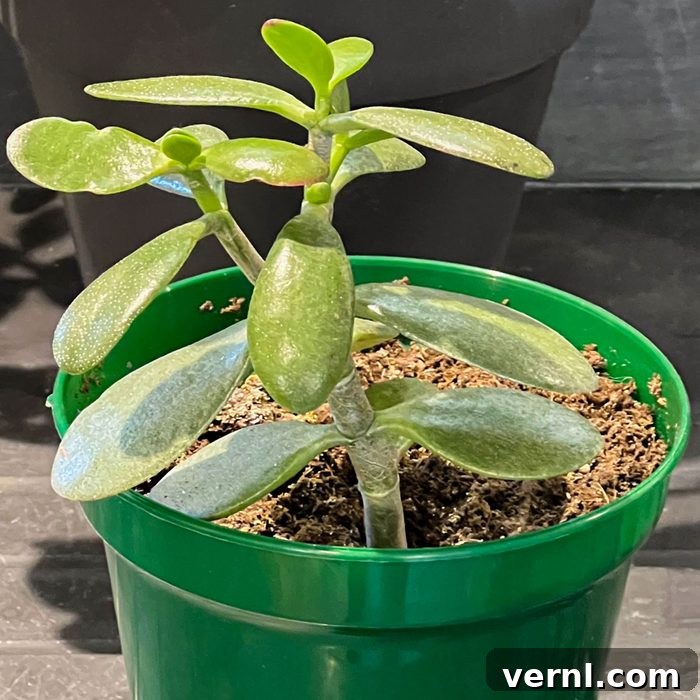
Consistent, proper care is the cornerstone of a thriving jade plant, ensuring its longevity and vibrant appearance. These practices are relatively simple but make a significant difference.
Pruning and Shaping Your Jade Plant
Regular trimming serves multiple purposes for a jade plant. It helps maintain a desirable shape, encourages bushier growth, improves air circulation within the plant, and can even stimulate flowering. While some gardeners prefer a meticulously sculpted look, I personally tend to prune only to remove dead, damaged, or diseased leaves and branches. I enjoy allowing my plants to grow and sprawl more naturally, appreciating their organic forms. However, if you desire a more compact, tree-like structure, you can strategically pinch off new growth tips (apical buds) to encourage branching. Harder pruning, involving cutting back entire branches, can be done to reshape older, leggy plants. Always use clean, sharp scissors or pruning shears to make clean cuts, which minimizes stress to the plant and prevents disease. The best time to prune is during the active growing season in spring or early summer.
Fertilizer Application
Jade plants are not heavy feeders and do not require frequent fertilization. Over-fertilizing can actually be detrimental, leading to nutrient burn or excessive leggy growth. During the active growing season (spring and summer), you can apply a balanced, water-soluble succulent fertilizer once every two to four weeks. Ensure the fertilizer is diluted to half or quarter strength to prevent chemical burns. Avoid fertilizing during the plant’s dormant period in fall and winter. A fertilizer with a lower nitrogen content is generally preferred, as too much nitrogen can encourage soft, weak growth rather than robust stems and leaves.
Addressing Pests and Diseases
Healthy jade plants are generally quite resistant to pests and diseases, but occasional issues can arise. Common pests to watch out for include mealybugs, scale insects, aphids, and spider mites. Mealybugs appear as small, white, cottony masses, often in leaf axils or on stems. Scale insects are tiny, oval, brownish bumps that cling to stems and leaves. Spider mites are almost invisible but cause stippling on leaves and fine webbing. If you detect any pests, isolate the affected plant immediately. Minor infestations can often be treated by wiping the pests off with a cotton swab dipped in rubbing alcohol, or by spraying the plant with insecticidal soap. For persistent issues, neem oil can be an effective organic treatment. The most common disease is root rot, which is entirely preventable by ensuring proper drainage and avoiding overwatering. If you maintain optimal growing conditions and regularly inspect your plant, most pest and disease issues can be caught early and managed effectively.
Temperature and Humidity Considerations
Jade plants prefer average room temperatures, ideally between 65-75°F (18-24°C). They can tolerate cooler temperatures down to about 50°F (10°C) but should be protected from freezing conditions. Avoid placing them near cold drafts from windows or air conditioning vents, as sudden temperature drops can stress the plant. Unlike many tropical houseplants, jade plants do not require high humidity; average household humidity levels are perfectly suitable for them, reflecting their arid native environment.
The Simple Art of Propagating Jade Plants
Propagating jade plants is one of the most rewarding aspects of growing them. They are incredibly easy to multiply, allowing you to create new plants from existing ones to expand your collection, share with friends, or simply rejuvenate an older plant. This process is surprisingly straightforward and offers a high success rate.
Essential Tools and Materials
Before you begin, gather a few basic items:
- Sharp, sterile scissors or pruning shears: Clean, sharp tools are crucial for making clean cuts, which minimizes damage to the parent plant and the cutting, promoting faster healing and reducing the risk of disease. Sterilize your tools with rubbing alcohol before and after use.
- Well-draining succulent potting soil: As discussed in the growing conditions, a mix formulated for succulents or cacti is ideal for providing the right balance of aeration and moisture for young roots.
- Suitable containers: Small pots or propagation trays with drainage holes are perfect for starting new plants. You can use anything from plastic nursery pots to terracotta pots.
Multiple Options for Successful Propagation
Jade plants are versatile and can be propagated using several simple methods:
- The Cutting Method (Stem or Leaf Cuttings):
- Selecting a Cutting: For stem cuttings, choose a healthy, vibrant stem segment that is at least 2-4 inches long and has several leaves. For leaf cuttings, select a plump, healthy, and mature leaf, ensuring it is removed entirely from the main stem, including the small base where it attaches.
- Callus Formation: After taking your cutting, it’s critical to allow it to “callus over.” This means letting the cut end dry and form a protective scab, which prevents rot when planted. Lay the cuttings in a dry, shaded area for a few days to a week. The time required for callusing depends on humidity and cutting size; larger cuttings take longer.
- Planting: Once the cut end has callused, your cuttings are ready for planting.
- Soil Propagation (for Cuttings):
- For Leaf Cuttings: Gently lay the callused leaf flat on top of the well-draining succulent soil, ensuring the cut end is in contact with the soil. You can lightly press it down.
- For Stem Cuttings: Plant the callused stem cutting about a half-inch to one inch deep into the soil. You can use a chopstick or pencil to make a small hole for easier insertion.
- Initial Care: Do not water immediately after planting. Wait a week or two, or until you see small roots beginning to form (you can gently tug on stem cuttings to check for resistance). Once roots have developed, begin watering sparingly, only when the soil is completely dry, similar to a mature jade plant. New growth will eventually sprout from the base of the leaf or from nodes on the stem cutting.
- Spontaneous Pups (from Dropped Leaves):
Sometimes, your jade plant will naturally drop leaves into its pot. If these leaves land on moist soil, they may spontaneously root and begin to form tiny “pups.” If you notice a dropped leaf clinging to the soil when you try to lift it, it’s likely rooting. Leave it undisturbed for a few weeks until you see a tiny new plantlet (pup) sprout from the base of the old leaf. Once the pup is established and a good size, carefully lift the entire new plant, including its roots and the shriveled remains of the old leaf (which provides nutrients), and plant it into its own small pot.
- Rooting Nodes on Stems:
Occasionally, you might observe small white aerial roots emerging from the nodes (where leaves attach) along a branch of your jade plant. This is a natural occurrence, often triggered by slightly humid conditions or as the plant seeks stability. You can choose to leave these aerial roots; they will eventually dry up, and the plant will continue to grow unharmed. Alternatively, you can leverage this natural rooting. Carefully cut the branch just below the rooting node, allow the cutting to callus, and then plant it in soil. These cuttings typically root very quickly due to the pre-existing root structures.
- Water Propagation (for Stem Cuttings):
While less common for jade plants than for other houseplants, stem cuttings can also be rooted in water. Place the callused stem cutting in a small jar or glass of water, ensuring only the bottom inch of the stem is submerged. Change the water every few days to prevent bacterial growth. Once roots are about an inch long, transfer the cutting to soil. Be aware that plants rooted in water sometimes experience a “transplant shock” when moved to soil, so monitor them closely.
Aftercare for Newly Propagated Plants
Once your new jade plants are established in their pots, their care mirrors that of mature plants but with a bit more tenderness. Provide them with bright, indirect light, and be particularly mindful of watering, allowing the soil to dry completely between applications. Protect them from extreme temperatures and ensure they have good air circulation. With patience and proper care, these tiny propagations will grow into robust, beautiful jade plants, continuing their legacy in your home.
Common Jade Plant Problems and Troubleshooting
Even though jade plants are resilient, they can sometimes face issues. Understanding these common problems and their solutions can help you quickly address any concerns and keep your plant thriving.
- Leaf Drop: If your jade plant is suddenly shedding leaves, it’s usually a sign of stress.
- Overwatering: Leaves may appear yellow, soft, or mushy before dropping. The solution is to reduce watering frequency and ensure the soil dries out completely.
- Underwatering: Leaves will shrivel, wrinkle, and then drop. Increase watering frequency slightly, ensuring the plant gets a thorough drink each time.
- Light Issues: Too little light can cause leaves to drop, especially older ones. Move the plant to a brighter location.
- Temperature Stress: Sudden changes in temperature or exposure to cold drafts can also cause leaf drop.
- Wrinkled or Shriveled Leaves: This is a classic sign of an underwatered jade plant. The leaves are losing their stored water. Give the plant a thorough watering, and the leaves should plump up within a day or two. If they remain shriveled after watering, check for root rot, which can prevent roots from absorbing water.
- Red or Yellow Leaves:
- Reddish Tinge: Often a desirable stress response to bright sunlight or cool temperatures, indicating the plant is “blushing.” It’s generally harmless and even attractive.
- Yellowing: Usually indicates overwatering, leading to root rot. Leaves may also feel soft. Address watering habits immediately.
- Leggy Growth (Etiolation): When a jade plant stretches out with long, sparse stems and small, widely spaced leaves, it’s reaching for more light. This indicates insufficient light. Move your plant to a brighter location. You can prune back the leggy growth to encourage a more compact shape; these pruned sections can often be propagated.
- Soft or Mushy Stems: This is a severe symptom of overwatering and indicates advanced root rot. The stem may feel squishy to the touch and appear discolored. In such cases, it may be difficult to save the entire plant. You might be able to take healthy stem cuttings from unaffected parts of the plant to propagate new ones.
- Lack of Growth: If your jade plant isn’t growing, it could be due to several factors: insufficient light, nutrient deficiency (though jades don’t need much), or being in its dormant phase (especially in winter). Ensure adequate light and consider a light feeding during the growing season.
The Undeniable Benefits of Owning a Jade Plant
Beyond their captivating beauty and ease of care, jade plants offer a multitude of benefits that make them an excellent addition to any home or office environment.
- Symbolism and Good Fortune: As “Money Plants” or “Lucky Plants,” they are widely believed to attract wealth, prosperity, and good fortune, especially in Feng Shui. This cultural significance adds an extra layer of positive energy to your space.
- Aesthetic Appeal and Decor: Their unique, tree-like structure and glossy, succulent leaves provide a sophisticated and natural aesthetic. They can serve as a stunning centerpiece, a minimalist accent, or a vibrant addition to a plant collection, complementing a wide range of interior design styles.
- Low Maintenance and Resilience: For busy individuals, beginners, or those who travel frequently, the jade plant is a dream come true. Its drought tolerance and ability to thrive with minimal intervention mean less worry and more enjoyment. Their resilience makes them incredibly forgiving.
- Air Purification: Like many houseplants, jade plants contribute to improving indoor air quality, albeit modestly. They absorb carbon dioxide and release oxygen, and can help filter out some common indoor pollutants, creating a fresher and healthier living environment.
- Stress Reduction and Well-being: The act of caring for plants, observing their growth, and being surrounded by nature can have significant positive impacts on mental well-being. This connection to the natural world (biophilia) is known to reduce stress, improve mood, and foster a sense of calm.
- Ease of Propagation: The ease with which jade plants can be propagated allows you to readily expand your collection, share with loved ones, or even start a small hobby. There’s immense satisfaction in nurturing a tiny cutting into a full-fledged plant.
Conclusion: Embrace the Enduring Beauty of Jade Plants
Jade plants, with their iconic charm, unwavering resilience, and relative ease of care, stand as a testament to the beauty and adaptability of the natural world. From their humble beginnings in South Africa to becoming beloved staples in homes worldwide, these “money plants” offer far more than just aesthetic appeal. They are living symbols of prosperity, enduring friendship, and a constant reminder that with just a little understanding and consistent attention, even the most neglected life can flourish.
Whether you’re a seasoned plant parent looking to diversify your collection or a curious beginner eager to cultivate your green thumb, the Crassula ovata is an exceptional choice. By providing the right light, well-draining soil, and mindful watering, you too can enjoy the vibrant greenery and sculptural elegance that a jade plant brings to your living space. So, go ahead—adopt a jade, propagate its pups, and let its enduring charm brighten your world for years to come.