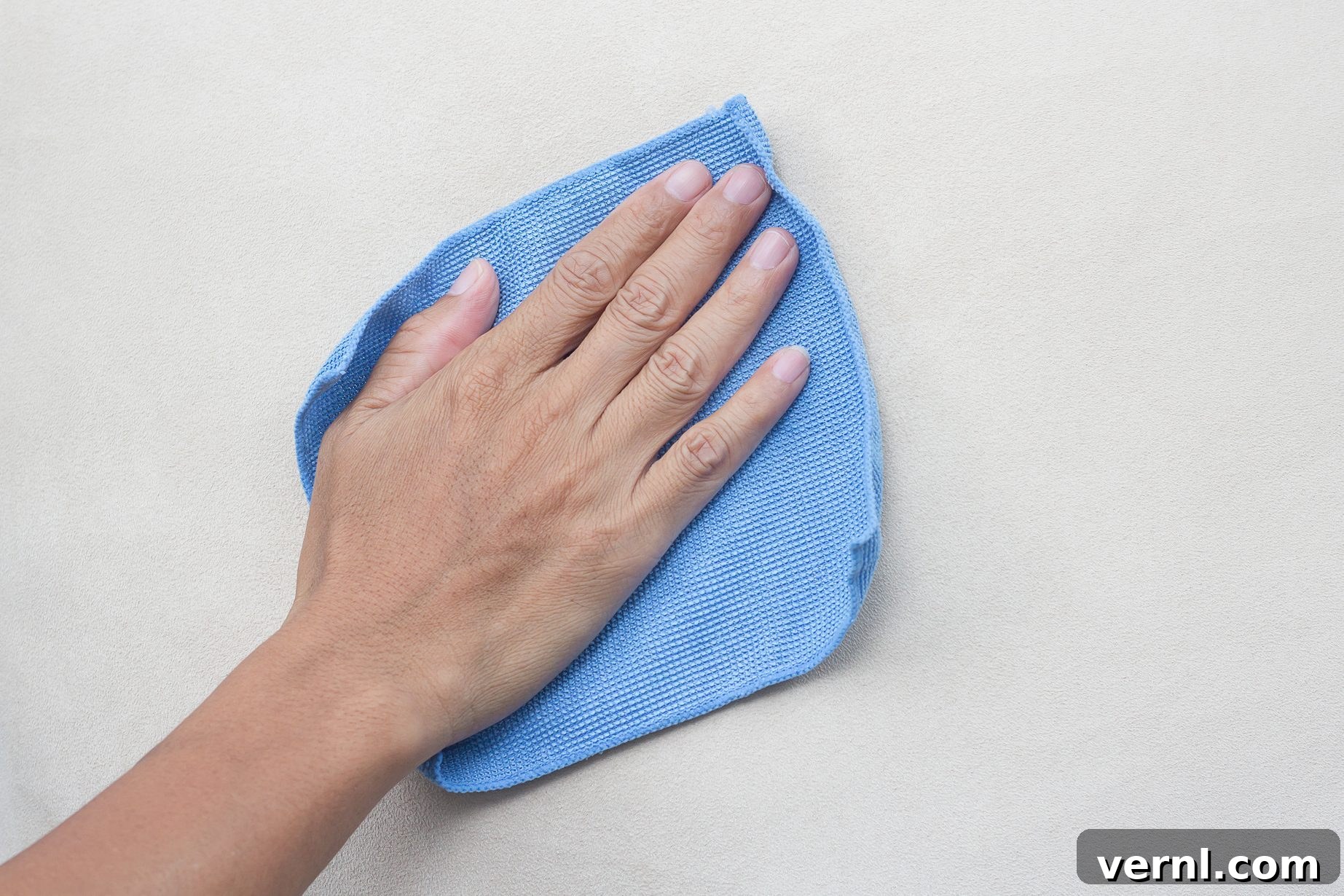
For millennia, humans have been constructing walls, and for just as long, we’ve largely avoided the chore of cleaning them. Minor smudges around light switches? A quick swipe with a sponge and gentle soap typically resolves these high-traffic imperfections. But the thought of tackling an entire wall, let alone every wall in the house, often feels like a monumental, low-reward task. Would anyone truly notice the effort? This common perception frequently relegates wall cleaning to the bottom of the household chore list, leading to years of accumulated grime.
However, contrary to popular belief, regularly cleaning your walls is not only a good idea but also comes with a surprising array of benefits far beyond just a fresh, clean appearance. It’s a fundamental aspect of home maintenance that can significantly impact your living environment. This comprehensive guide will explore why this often-overlooked task is crucial, the optimal tools and products to use, and invaluable expert tips from Melissa Homer, a seasoned cleaning consultant at Ecomaids, to help you achieve beautifully clean walls with ease.
Why Regular Wall Cleaning is Essential for Your Home
The frequency and intensity of wall cleaning necessary can vary significantly from one room to another, as highlighted by cleaning expert Melissa Homer. Understanding these nuances is key to an efficient and effective cleaning regimen.
In areas like living rooms and bedrooms, which typically experience less direct grime, an annual wall-washing might suffice. For infrequently used spaces such as guest bedrooms, targeted spot cleaning can often keep walls looking pristine for several years. These rooms mainly accumulate airborne dust, which can usually be managed with less frequent, thorough cleaning.
Conversely, kitchens and bathrooms demand the most diligent attention. These environments are hotbeds for dirt accumulation due to unique atmospheric conditions. The combination of moisture from cooking steam or showers, and airborne oils, creates a sticky surface that acts as a magnet for dust and other particles. “Dust that would usually fall harmlessly to the floor in most rooms will readily cling to a wall that’s damp and sticky from cooking fumes or shower steam,” Homer explains. This sticky film not only traps dust but also contributes to the buildup of grease and grime, making regular cleaning indispensable.
Beyond room-specific factors, your climate and personal habits play a significant role in determining how often your walls need cleaning. If you share your home with pets, whose dander and fur can easily adhere to vertical surfaces, or if you frequently keep windows open in humid, dusty, or smoggy conditions, all the walls in your home may require more frequent cleaning. Environmental pollutants, pollen, and even smoke from fireplaces or candles can settle on walls, creating a dull, discolored film over time.
Ultimately, your walls will provide the most accurate indication of their cleaning needs. As Homer wisely puts it, “At the end of the day, the wall will tell you if it needs to be cleaned.” Look for visual cues such as discoloration, dullness, streaks, or noticeable smudges.
Beyond Aesthetics: The Tangible Benefits of Washing Walls
While the primary motivation for most homeowners to wash their walls is often aesthetic, recognizing the myriad of other benefits can transform this chore into a valuable maintenance practice. “Washing walls, for most people, is an aesthetic choice, as dirty walls can really detract from an otherwise attractive room,” notes Melissa Homer. Uncleaned walls gradually develop a discolored, uneven appearance, and in cases of severe neglect, may even exhibit unsightly “maple-syrup” like drips caused by accumulated grime running down the surface.
However, the advantages of periodically cleaning walls extend well beyond just making your home look presentable:
- Significant Allergy Relief: While a dirty wall is rarely an immediate health hazard for most, for allergy sufferers, the impact can be profound. Walls act as silent collectors of dust, pet dander, pollen, and other airborne allergens. Regular washing effectively removes these irritants, leading to a noticeable improvement in indoor air quality and reduced allergy symptoms, providing a healthier living environment for everyone, especially children and individuals with asthma or other respiratory sensitivities.
- Extended Paint Life: Grimy, heavily soiled walls often necessitate more aggressive cleaning methods, which can inadvertently damage the paint finish. By contrast, periodic, gentle cleaning throughout the life of your paint minimizes the need for harsh scrubbing later on. This proactive approach helps preserve the integrity and vibrancy of your paint, significantly extending its lifespan and delaying costly repainting projects. A clean surface is less likely to break down, crack, or peel prematurely.
- Prevention of Mold and Mildew Growth: Mold is an insidious organism that can thrive in various environments, including on painted surfaces, particularly in moisture-prone areas like bathrooms, kitchens, and basements. It’s not just unsightly; mold can pose serious health risks. Regular cleaning disrupts the conditions mold needs to grow, eliminating food sources (like dust and soap scum) and reducing moisture accumulation on the surface. Proactive cleaning is a simple yet powerful strategy for preventing mold and mildew, safeguarding both your home’s structure and your family’s health.
- Instant Freshening and Brightening of Rooms: There’s an undeniable psychological uplift that comes with clean surroundings. Clean walls reflect light more effectively, making any room feel brighter, larger, and more inviting. This instant rejuvenation costs significantly less than a full remodel or even a fresh coat of paint, offering a quick and economical way to revitalize your living spaces and enhance your home’s overall appeal.
- Improved Indoor Air Quality: Beyond specific allergens, walls accumulate general particulate matter. Cleaning removes these pollutants from the surfaces, preventing them from becoming airborne again. This contributes to a cleaner breathing environment, reducing stuffiness and improving the overall freshness of your home’s air.
- Early Detection of Problems: Regular wall washing provides an opportunity to closely inspect your walls. You might notice small cracks, water stains, or early signs of pest activity that could otherwise go unnoticed, allowing for timely intervention and preventing larger issues.
The Optimal Tools and Products for Efficient Wall Cleaning
Achieving impeccably clean walls doesn’t require an arsenal of specialized equipment. In fact, a minimalist approach with the right products and tools is often the most effective and safest. Here are the essential items for your wall-cleaning toolkit:
- Microfiber Flat Mop with a Telescoping Handle: This is arguably the most crucial tool. A microfiber mop head is incredibly efficient at trapping dust and grime without scratching delicate paint finishes. The flat design ensures even pressure, while the telescoping handle allows you to reach high ceilings and awkward corners effortlessly, eliminating the need for precarious ladders in most cases. Its maneuverability makes it ideal for large surface areas.
- Household Mop Bucket (or Two): A sturdy mop bucket is essential for mixing your cleaning solution. For best practices, consider using two buckets: one for your cleaning solution and another with clean rinse water. This “two-bucket method” prevents you from redepositing dirty water onto your freshly cleaned walls, ensuring a streak-free finish.
- Mild Dishwashing Liquid, such as Dawn: When it comes to cleaning solutions, less is often more. A gentle dish soap like Dawn is highly effective at cutting through grease and grime without being harsh on painted surfaces. Its mild formulation means it’s unlikely to strip paint or leave residue. A few drops in a bucket of warm water are usually all you need.
- Neutral-pH Floor Cleaner, like Mr. Clean: For a slightly stronger, yet still safe, option, a neutral-pH floor cleaner is an excellent alternative. These cleaners are designed to be gentle on various surfaces while effectively lifting dirt. Their pH-balanced nature ensures they won’t damage paint or leave behind harsh chemical residues, making them ideal for routine wall maintenance.
- Soft Microfiber Cloths or Sponges: These are indispensable for spot cleaning, tackling stubborn marks, or delicately cleaning smaller, intricate areas. Microfiber is gentle yet highly absorbent, while a soft sponge can provide a bit more scrubbing power without being abrasive. Always opt for non-scratch options.
- Optional but Recommended: Vacuum Cleaner with Brush Attachment: Before any wet cleaning, a quick vacuum of the walls can remove loose dust and cobwebs, making the subsequent wet cleaning more efficient and preventing muddy streaks.
- Protective Tarps or Old Towels: Lay these down along the baseboards to protect your floors and furniture from drips and splashes, especially when working on lower sections of the wall.
A Comprehensive Guide to Safely Cleaning Painted Walls
Cleaning painted walls requires a delicate touch and a methodical approach. As Melissa Homer wisely advises, “The key to washing walls is to remember it’s just surface dust on a delicate surface. So we don’t need to—and shouldn’t—risk doing anything aggressive to get it clean.” Follow these expert tips to gently yet effectively refresh your walls:
1. Conduct a Preliminary Assessment: Does the Wall Truly Need Cleaning?
Before dedicating time and effort to a full wall wash, it’s prudent to confirm if the wall is actually dirty enough to warrant it. An easy and effective method for this check, as suggested by Homer, involves a simple test. Dampen a clean microfiber towel with a very mild dish-soap solution—just a drop or two of dishwashing liquid in warm water is sufficient. Gently swipe the cloth across a small, inconspicuous section of the washable wall. Allow the area to dry completely. Then, return to observe the results. If there’s a noticeable difference in the paint’s brightness, color vibrancy, or cleanliness where you applied the cloth compared to the surrounding uncleaned area, your wall is indeed due for a thorough cleaning.
2. Confirm Wall Washability and Paint Type
It’s crucial to ascertain whether your wall’s surface is washable before proceeding with any wet cleaning. “If you have non-washable paint, you can’t clean it even if you should,” explains Homer. Non-washable surfaces, which include certain types of wallpaper (especially older or delicate varieties), flat finish paints that are not explicitly labeled as washable, or historic paint formulations, require a different approach. For these surfaces, avoid liquid cleaners entirely. Instead, use a vacuum cleaner equipped with a soft brush attachment to gently sweep away dirt and dust. For any stubborn spots, attempt to clean them as gently as possible with a dry eraser or a very lightly damp, nearly dry cloth, ensuring minimal moisture contact and immediate blotting.
3. Always Perform a Spot Test
Even if you believe your paint is washable, a spot test is an essential precautionary step. Paint finishes vary widely in durability and washability. Generally, flat-finish paints are less durable and less washable than eggshell, satin, or semi-gloss finishes, although some modern manufacturers do produce washable flat paints. If you are uncertain about your paint’s washability or its reaction to cleaning solutions, select an inconspicuous area for testing. Ideal spots include behind a large piece of furniture, inside a closet, or near the baseboard where any potential mishap would be less noticeable. Apply your chosen mild cleaning solution to this small section with a soft cloth or sponge, using gentle circular motions. Let it sit for a few minutes, then wipe it clean and allow it to dry. Carefully inspect the area for any signs of paint discoloration, dulling, streaking, or removal before proceeding with the rest of the wall.
4. Opt for Mild Cleaning Solutions
The type of cleaner you use is paramount, especially on painted walls. While you might use more aggressive cleaners for a kitchen tile backsplash, a painted wall demands a far gentler approach. A microfiber mop paired with a mild cleaning agent is typically all that’s required. “Dish soaps like Dawn and neutral-pH floor cleaners like Mr. Clean are the go-to defaults for delicate tasks such as washing walls, as they truly can’t damage anything that can handle water,” Homer advises. Avoid harsh chemicals, abrasive cleaners, or anything with strong solvents, as these can strip paint, leave streaks, or cause permanent damage. A simple solution of warm water with a few drops of dish soap is often sufficient for most general wall cleaning tasks.
5. Adopt the Two-Bucket Cleaning Method and Wash the Entire Wall Systematically
For optimal results and to prevent streaking, employ the two-bucket method. Fill one bucket with your mild cleaning solution (e.g., warm water and dish soap) and the second bucket with clean, plain warm water for rinsing. This ensures you’re always applying clean solution and rinsing with clean water. Start cleaning at the top of the wall and work your way downwards. This technique prevents dirty water from dripping onto already cleaned sections, causing streaks. Utilize an extendable mop handle to reach high areas safely and effectively. As Homer emphasizes, failing to clean the entire wall can result in a visible demarcation line between the cleaned and uncleaned sections, detracting from the overall freshness. If you have exceptionally high ceilings, such as 20-foot ceilings, prioritize safety over perfection. It may be prudent to let the highest reaches go uncleaned or, better yet, consider hiring professional cleaners. They come equipped with specialized commercial-length poles or scaffolding to access every corner safely. Never risk a fall or injury for the sake of a perfectly clean wall.
6. Exercise Caution with Water Application
When cleaning walls, it’s critical to control the amount of water you use. Your microfiber mop or cloth should be damp, not dripping wet. Before applying it to the wall, thoroughly squeeze out any excess water. Over-saturated tools will only create a messy situation, leading to drips and potentially damaging your baseboards, flooring, or carpet. More importantly, be extremely vigilant around electrical outlets, light switches, and other electrical fixtures. Water and electricity are a dangerous combination, and allowing water to seep into receptacles or switches can cause a dangerous short circuit, ground fault, or even electrocution. Always wipe around these areas with a barely damp cloth.
After applying your cleaning solution to a section, immediately follow up with a clean, damp cloth or mop dipped in plain rinse water. This removes any soap residue, which can attract dust and cause streaking. Finally, allow the wall to air dry completely, or gently wipe it with a dry microfiber cloth to speed up the process and prevent water spots.
Proactive Strategies: Preventive Tips for Keeping Walls Clean Longer
Maintaining the pristine look of your walls isn’t just about cleaning; it’s also about implementing preventive measures that significantly extend the time between deep cleans. By adopting these simple habits and considerations, you can keep your walls looking freshly painted for much longer:
- Choose Washable Paint Finishes: When repainting or building, opt for durable, washable paint finishes such as satin, semi-gloss, or even some modern washable flat paints. These finishes are engineered to withstand gentle scrubbing and moisture, making future cleaning much easier and less likely to damage the paint. Matte or traditional flat paints, while aesthetically pleasing, are often less forgiving to wet cleaning.
- Maintain Furniture Clearance: Position your furniture a few inches away from walls. This simple act prevents constant rubbing, scuffs, and impact marks that can occur from daily use, vacuuming, or accidental bumps. It also allows for better air circulation, which can help prevent moisture buildup behind furniture.
- Install Door Stoppers: Protect your walls from impact damage caused by swinging doors. Door stoppers, whether floor-mounted or hinge-pin types, absorb the shock and prevent doorknobs from denting or chipping the wall surface behind them. This is an inexpensive yet highly effective protective measure.
- Incorporate Chair Rails or Wall Panels in High-Traffic Areas: For areas that experience heavy use or where furniture frequently bumps against walls (like dining rooms, hallways, or children’s playrooms), consider installing chair rails or protective wall panels. These architectural elements offer an extra layer of defense against scuffs, dents, and general wear and tear, adding both functionality and aesthetic appeal.
- Encourage Indoor Hand Cleaning: Promote good hygiene by encouraging family members and guests to wash their hands, especially after coming in from outside or before touching light switches and walls. This simple habit drastically reduces the transfer of dirt, oils, and fingerprints onto your walls, particularly in high-contact areas.
- Avoid Burning Candles Near Walls: While candles create a cozy ambiance, burning them too close to walls, especially scented ones, can lead to invisible soot stains. Over time, this soot builds up, creating a yellowish or grayish film that is difficult to remove without damaging the paint. Always ensure adequate ventilation and keep candles a safe distance from vertical surfaces.
- Implement Regular Dry Dusting: The most straightforward preventive measure is regular dusting. Use a dry microfiber cloth, a duster with an extendable handle, or a vacuum cleaner with a soft brush attachment to gently dust your walls every few weeks. This proactive step removes loose dust, cobwebs, and airborne particles before they have a chance to stick, accumulate, and become embedded grime, making deep cleaning less frequent and less laborious.
- Ensure Adequate Ventilation: Especially in moisture-prone areas like kitchens and bathrooms, ensure proper ventilation by using exhaust fans during and after activities that generate steam (cooking, showering). Good airflow helps reduce humidity, which in turn minimizes the environment for mold and mildew growth on walls.
- Address Stains Promptly: Don’t let spills or marks sit on your walls. The sooner you attend to a stain, the easier it will be to remove with a gentle spot clean, preventing it from setting in and requiring more aggressive methods later.
Frequently Asked Questions About Wall Cleaning
Do dirty walls affect indoor air quality or health?
Absolutely. Walls are often overlooked collectors of various indoor pollutants. They accumulate dust, pet dander, pollen, mold spores, and even cooking grease, particularly in kitchens and bathrooms. While a small amount of dirt may not pose a significant threat to most individuals, for sensitive populations—including those with allergies, asthma, or other respiratory conditions, as well as young children—these accumulated particles can trigger adverse health reactions. Regular wall cleaning removes these contaminants from your home’s surfaces, preventing them from becoming airborne and significantly improving overall indoor air quality, contributing to a healthier and more comfortable living environment for everyone.
How often should I deep clean my walls?
The frequency depends on the room and household habits. For living areas and bedrooms with moderate traffic, an annual deep clean is usually sufficient. Guest bedrooms might only need spot cleaning for several years. However, kitchens and bathrooms, due to moisture and grease, typically require more frequent attention, perhaps every 3-6 months. Homes with pets, smokers, open windows in dusty or polluted areas, or young children may need more frequent cleaning across all rooms.
Can I use a steam cleaner on my painted walls?
Generally, it is not recommended to use steam cleaners on painted walls. The high heat and moisture from steam can potentially damage paint, cause it to peel, bubble, or dull the finish. It can also drive moisture into the drywall or plaster beneath, leading to mold growth or structural damage. Stick to the recommended mild cleaning solutions and damp (not wet) microfiber mops for painted surfaces.
What’s the best way to clean wallpaper?
Cleaning wallpaper requires a different approach. First, determine if your wallpaper is washable or scrubbable. Most modern vinyl wallpapers are washable. For non-washable wallpaper, use a vacuum cleaner with a soft brush attachment to remove dust and cobwebs. For washable wallpaper, use a very lightly damp, soft sponge with a minimal amount of mild, diluted dish soap solution. Work in small sections, wiping gently and immediately blotting dry. Avoid oversaturating or harsh scrubbing, which can damage the paper or adhesive.
Is rinsing the walls after cleaning truly necessary?
Yes, rinsing is a crucial step that should not be skipped, especially if you’ve used a cleaning solution. Soap residue left on walls can attract new dust and dirt more quickly, leading to faster re-soiling. It can also leave behind a dull film or streaks. Rinsing with clean, plain water (using the two-bucket method) ensures all soap residue is removed, leaving your walls truly clean, streak-free, and less prone to attracting dirt.
About The Experts
- Melissa Homer brings over two decades of invaluable experience to the professional cleaning industry. As a Cleaning Consultant for Ecomaids, she has established herself as a leading authority, having provided expert guidance and consultation to some of the world’s largest cleaning franchises and manufacturers. Her practical insights and deep understanding of cleaning methodologies make her a trusted voice in home maintenance.
Sources and Further Reading:
- U.S. General Services Administration: “Routine and Periodic Cleaning of Walls and Ceilings” – Provides insights into professional cleaning standards and practices for maintaining building surfaces.
- American Cleaning Institute: “Fast and Efficient Home Cleaning Guide” – Offers practical tips and guides for effective home cleaning, including advice on surface care.
- Sherwin Williams: “Designing With Flat Finishes” – Provides valuable information on different paint finishes, their characteristics, and maintenance considerations.