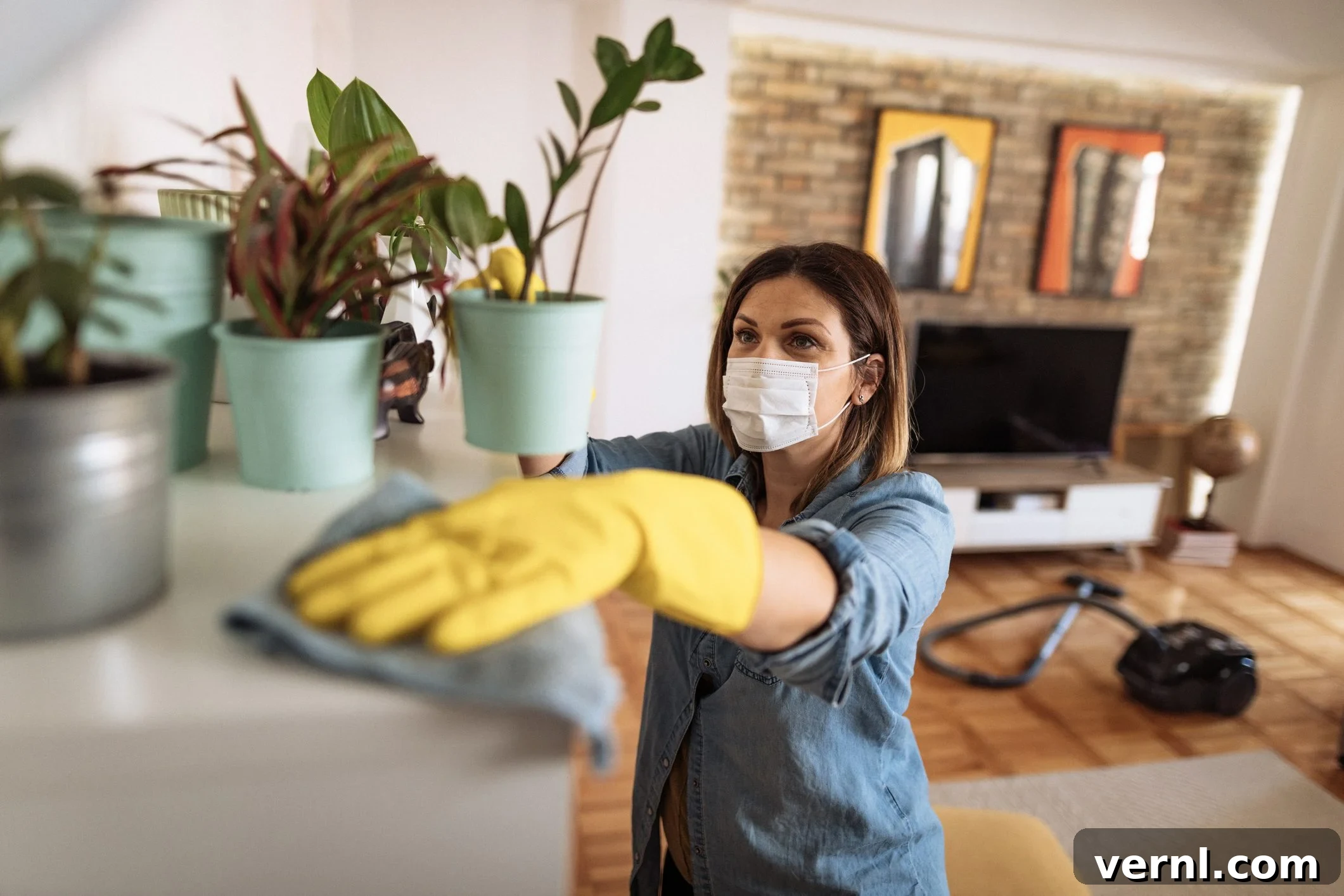
Mastering Dust Control: Essential Hacks for a Spotless, Healthier Home
Dust. It’s an unavoidable reality of daily life, a persistent adversary in the quest for a clean home. No matter how diligently we clean, those tiny particles seem to reappear almost instantly, settling on every surface. From the moment we wake up and begin our day, producing skin cells and lint from our clothes, to the evening when we spot a fine layer accumulating on our furniture, dust is a constant presence. While complete eradication is an impossible dream, transforming your approach to dust control can significantly reduce its presence, improve your indoor air quality, and contribute to a healthier, more comfortable living environment.
Understanding the pervasive nature of dust is the first step towards conquering it. It’s not just external grime; much of it is produced right within our homes. Human skin cells, pet dander, fibers from clothing and linens, hair, and even microscopic food particles all contribute to the ever-growing dust pile. Beyond these internal sources, external factors like pollen, soil, industrial pollutants, and construction dust also infiltrate our living spaces through open windows, doors, and even on our shoes and clothes. Seasonal changes further exacerbate the issue; dry winter air can lead to more shedding from skin and fabrics, while the open windows of spring and summer invite a deluge of outdoor allergens and dirt. Living near construction sites or in areas prone to dust storms adds another layer of challenge. But fear not, for with the right strategies and a bit of dedication, you can significantly diminish dust’s unwelcome reign.
The Ubiquitous Enemy: Understanding What Dust Really Is
Before we can effectively combat dust, it’s crucial to understand its complex composition. Dust isn’t a single substance but a dynamic mixture of microscopic particles originating from a myriad of sources, both inside and outside your home. The typical household dust bunny is a testament to this diversity, often comprising an intricate blend of organic and inorganic matter.
A significant portion of indoor dust comes from us, its inhabitants. We continuously shed dead skin cells, roughly 30,000 to 40,000 every minute, which quickly become airborne and settle as dust. Our hair, too, breaks and falls, adding to the accumulation. For pet owners, pet dander – microscopic flakes of skin shed by animals – is a major contributor, often triggering allergies in sensitive individuals. Beyond our biological contributions, the very fabric of our homes plays a role. Fibers from clothes, carpets, upholstery, bedding, and even towels constantly break down and become airborne. These tiny textile fragments, along with pollen carried in from outside, spores, bacteria, viruses, and even microscopic insects or their waste products (like dust mites), form the biological component of dust.
The inorganic constituents are equally diverse. Soil particles tracked in from outdoors, soot from candles or fireplaces, fine sand, tiny bits of plastic, and industrial pollutants from car exhaust or nearby factories all find their way into our homes, contributing to the overall dust load. The cumulative effect of these various elements means that dust is an ever-present challenge, constantly regenerating and settling on surfaces. Recognizing this complex nature helps us appreciate that a multi-faceted approach, targeting both its sources and its accumulation, is essential for effective dust control.
Beyond Aesthetics: Why a Dust-Free Home Matters for Your Health
While a layer of dust might simply look unsightly, its implications extend far beyond aesthetics, directly impacting the health and well-being of your household. The American Lung Association highlights dust and dust mites as significant indoor triggers for individuals with asthma and allergies, emphasizing that regular dusting is vital for improving indoor air quality. Dust isn’t just inert particles; it’s a carrier for a host of potential irritants and allergens.
For allergy and asthma sufferers, dust can be a constant source of discomfort and even severe reactions. Dust mites, microscopic creatures that thrive in warm, humid environments and feed on dead skin cells, are a primary concern. Their fecal matter and decaying bodies are powerful allergens that can trigger sneezing, runny noses, itchy eyes, skin rashes, and exacerbate asthma symptoms, leading to wheezing, coughing, and shortness of breath. Beyond dust mites, pollen, pet dander, mold spores, and even fragments of insect exoskeletons found within dust can act as allergens, initiating immune responses in sensitive individuals.
Even for those without diagnosed allergies, high levels of dust can irritate the respiratory system, leading to dry coughs, sore throats, and general discomfort. Long-term exposure to dust, especially that containing environmental pollutants, can contribute to more chronic respiratory issues. Furthermore, dust can act as a reservoir for bacteria and viruses, potentially increasing the risk of illness. Beyond health, dust can also impact the longevity and efficiency of your home’s appliances and electronics. A thick layer of dust acts as an insulator, causing electronics to overheat, reducing their lifespan. It can also clog filters in your HVAC system, making it work harder, increasing energy consumption, and circulating more dust throughout your home. Thus, effective dust management isn’t just about maintaining a tidy appearance; it’s a fundamental aspect of creating a healthy, efficient, and comfortable living space.
Proactive Dust Prevention: Strategies Before You Even Dust
While dusting is an essential chore, the most effective way to combat dust is to minimize its accumulation in the first place. Adopting proactive prevention strategies can dramatically reduce the amount of dust circulating in your home, making your regular cleaning routine much more efficient. These methods focus on controlling the sources of dust and optimizing your home environment.
Optimizing Your HVAC System and Air Quality
Your heating, ventilation, and air conditioning (HVAC) system can be both a solution and a source of dust. Investing in high-quality air filters, particularly those with a MERV (Minimum Efficiency Reporting Value) rating of 8 or higher, can significantly trap airborne particles like dust, pollen, and pet dander. These filters should be checked and replaced every 1-3 months, or more frequently if you have pets or allergies. Additionally, consider having your ducts professionally cleaned every few years to remove accumulated dust and debris that can be recirculated throughout your home. Running your HVAC fan even when the heating or cooling isn’t on can help continually filter the air.
Controlling Indoor Humidity Levels
Dust mites thrive in humid environments. Keeping your indoor humidity levels between 30% and 50% can inhibit their growth and reduce their population. In humid climates, a dehumidifier can be an invaluable tool. In drier environments, a humidifier might be necessary, but ensure it’s cleaned regularly to prevent mold growth, which also contributes to airborne particles.
Implementing Strategic Entryway Protocols
Much of the dirt and dust from outdoors is tracked in on shoes. Implementing a “no-shoes in the house” policy and placing sturdy doormats both inside and outside all entrances can trap a surprising amount of dust, dirt, and allergens before they enter your living space. Regularly shaking out and cleaning these mats is crucial for their effectiveness.
Decluttering for Dust Reduction
Every object in your home provides a surface for dust to settle. By decluttering, you reduce the number of horizontal surfaces that collect dust and make the remaining surfaces easier to clean. Store items in enclosed cabinets, drawers, or containers rather than leaving them exposed on shelves. The less clutter, the less dust has to cling to.
Regular and Effective Vacuuming
Vacuuming is a frontline defense against dust, but using the right tools and techniques matters. Opt for a vacuum cleaner with a HEPA (High-Efficiency Particulate Air) filter, which can capture up to 99.97% of particles 0.3 microns or larger, preventing them from being recirculated into the air. Regularly vacuum carpets, rugs, and upholstered furniture. For hard floors, a vacuum with a brush roll that can be turned off (to avoid scattering dust) or a hard floor attachment is ideal. Vacuum slowly to allow the suction to pick up more particles, and go over areas multiple times.
Utilizing Air Purifiers
For an added layer of defense, consider investing in a high-quality air purifier, especially for bedrooms or main living areas. Air purifiers with HEPA filters can continuously capture airborne dust, pollen, pet dander, and other allergens, significantly improving indoor air quality. Place them strategically where dust tends to accumulate or where people spend the most time.
Washing Linens and Fabrics Regularly
Bedding, curtains, throw blankets, and even pet beds are major collectors of dust, skin cells, and pet dander. Wash all bedding, including pillowcases, sheets, and duvet covers, weekly in hot water (at least 130°F or 54°C) to kill dust mites. Curtains and other washable fabrics should be cleaned regularly according to their care instructions.
Mastering the Art of Dusting: Top Hacks and Techniques
Even with excellent prevention strategies, dusting remains an essential part of maintaining a clean and healthy home. The good news is that with a few smart hacks and techniques, this chore can become less tedious and more effective.
The Fundamental Rule: Dust from Top to Bottom
This is perhaps the most fundamental and time-saving dusting hack. Gravity is always at play, pulling dust downwards. Therefore, always begin your dusting routine from the highest points in a room and work your way down. Start with ceilings, high light fixtures, ceiling fans (making sure they are off), and wall decor. Once these elevated areas are clean, move to shelving, furniture, windowsills, and finally, baseboards and the floor. Dusting a ceiling fan last, for example, would result in dust falling onto your freshly cleaned floor, requiring you to re-dust. This top-to-bottom approach ensures that any disturbed dust settles on surfaces you haven’t yet cleaned, saving you valuable time and effort.
Clever Liner Solutions for High Shelving
For hard-to-reach or frequently dusty high shelves, consider lining them with newspaper, old wrapping paper, or even wax paper. This simple trick transforms a tedious dusting task into a quick and easy swap. When it’s time to clean, simply lift and remove the dust-laden liner, dispose of it, and replace it with fresh material. This method is particularly effective for kitchen cabinet tops, the tops of wardrobes, or any elevated surface that accumulates dust but isn’t frequently used. It’s an eco-friendly hack, especially when using recyclable materials like old newspapers.
The Versatile Lint Roller: Reaching Tricky Spots
While commonly associated with removing lint from clothing, a lint roller is a surprisingly effective tool for dusting awkward or delicate surfaces. Its sticky surface makes it perfect for picking up dust from lamp shades, fabric window blinds, upholstered furniture, decorative throw pillows (especially those not machine-washable), and even delicate electronics screens. For areas with intricate details or fabrics that can’t be wiped or washed, the lint roller offers a quick, gentle, and efficient solution to grab dust without spreading it around.
Gentle Breeze for Greenery: Dusting Houseplants with a Hairdryer
Dust can accumulate on the broad leaves of houseplants, blocking light and hindering photosynthesis, which is essential for their health. Wiping each leaf by hand can be incredibly tedious, especially for plants with numerous small leaves. A smart alternative is to use a hairdryer set to a cool, low-speed setting. Gently blow the dust off the leaves, ensuring the cold air won’t damage the delicate foliage. For larger-leafed plants, a soft, damp microfiber cloth can still be effective, but for smaller, intricate plants, the hairdryer method is a game-changer.
Tongs for Blinds: Conquering Venetian Vexations
Venetian blinds, with their numerous slats, are notoriously difficult to clean. A brilliant hack involves repurposing a pair of kitchen tongs. Wrap each arm of the tongs with a microfiber cloth or even an old sock, securing them with rubber bands if necessary. Then, simply clamp the tongs around each blind slat and glide along, cleaning both sides simultaneously. This method is incredibly efficient, allowing you to quickly and thoroughly remove dust from an otherwise challenging household item.
DIY Dusting Sprays: Effective and Eco-Friendly
Commercial dusting sprays often contain harsh chemicals and artificial fragrances. You can create your own effective and eco-friendly dusting spray with just a few common household ingredients. A popular recipe includes water, white vinegar (for cleaning and shine), a few drops of olive oil (to condition wood and help repel dust), and a few drops of essential oil (like lemon or lavender) for a pleasant scent. This DIY spray not only cleans and shines surfaces but also creates an anti-static effect that helps prevent dust from settling as quickly. It’s a cost-effective and healthier alternative for your home.
Pet Grooming: Minimizing Dander at the Source
For pet owners, pet dander is a primary contributor to household dust. Regular grooming of your furry friends can significantly reduce the amount of dander and loose hair floating around your home. Brush your pets outdoors daily or several times a week, especially during shedding seasons. Regular baths can also help control dander. Ensure pet beds and toys are washed frequently, as these can be major collection points for hair and dander, and always use a vacuum with a HEPA filter to pick up pet-related debris.
Embrace Microfiber: The Dust Magnet
Microfiber cloths are an essential tool in any dust-busting arsenal. Their unique structure allows them to effectively trap and hold dust particles, rather than just pushing them around. Use them dry for light dusting or slightly damp for a more thorough clean, especially on high-gloss surfaces where dust is most noticeable. Wash microfiber cloths regularly to maintain their effectiveness.
Don’t Forget the Electronics
Electronics, such as TVs, computer screens, and stereo equipment, attract dust due to static electricity. Use an anti-static microfiber cloth specifically designed for electronics to gently wipe away dust. For hard-to-reach crevices, such as keyboard gaps or vents, canned air can be used to blow out accumulated dust, but ensure the device is turned off and unplugged first.
Establishing a Consistent Cleaning Routine
The key to long-term dust control isn’t a single deep clean, but rather a consistent and manageable routine. Integrating dust-busting tasks into your regular cleaning schedule will prevent overwhelming build-up and ensure your home remains a healthier, more pleasant space.
Daily Tasks: A few minutes each day can make a big difference. Quickly wipe down frequently used surfaces like kitchen counters, dining tables, and bathroom vanities with a damp cloth. Make your bed daily, as this minimizes the exposure of your sheets, which are significant dust collectors. Consider a quick sweep or vacuum of high-traffic areas, especially if you have pets or active children.
Weekly Deep Dusting: Dedicate an hour or two each week to a more thorough dusting session. Follow the top-to-bottom rule, tackling all surfaces, furniture, and decorative items in each room. Use your specialized hacks for blinds, houseplants, and electronics. Vacuum all carpets, rugs, and hard floors, paying attention to corners and under furniture. Remember to wash bedding in hot water weekly.
Monthly/Seasonal Tasks: On a monthly or quarterly basis, address less frequent but important dust sources. Change your HVAC filters. Clean light fixtures, ceiling fan blades, and air vents. Wash curtains and drapes. Vacuum or clean upholstered furniture more thoroughly, perhaps even under cushions. Consider a deeper clean for baseboards and doorframes, which often get overlooked during weekly cleans. Seasonal shifts might also prompt additional cleaning; for instance, a thorough clean after pollen season or before and after periods of heavy heating use.
Embrace a Cleaner, Healthier Home
While the battle against dust may seem endless, arming yourself with the right knowledge and tools can transform your home environment. By understanding what dust is, why it matters for your health, and implementing both proactive prevention strategies and smart dusting hacks, you can significantly reduce its presence. A home that is consistently managed for dust isn’t just aesthetically pleasing; it’s a sanctuary for better indoor air quality, reduced allergens, and enhanced well-being for everyone who lives there. Embrace these strategies, establish a consistent routine, and enjoy the lasting benefits of a cleaner, healthier, and more comfortable living space.