Don’t Let Your Old Computer Collect Dust: Your Comprehensive Guide to Responsible Tech Disposal
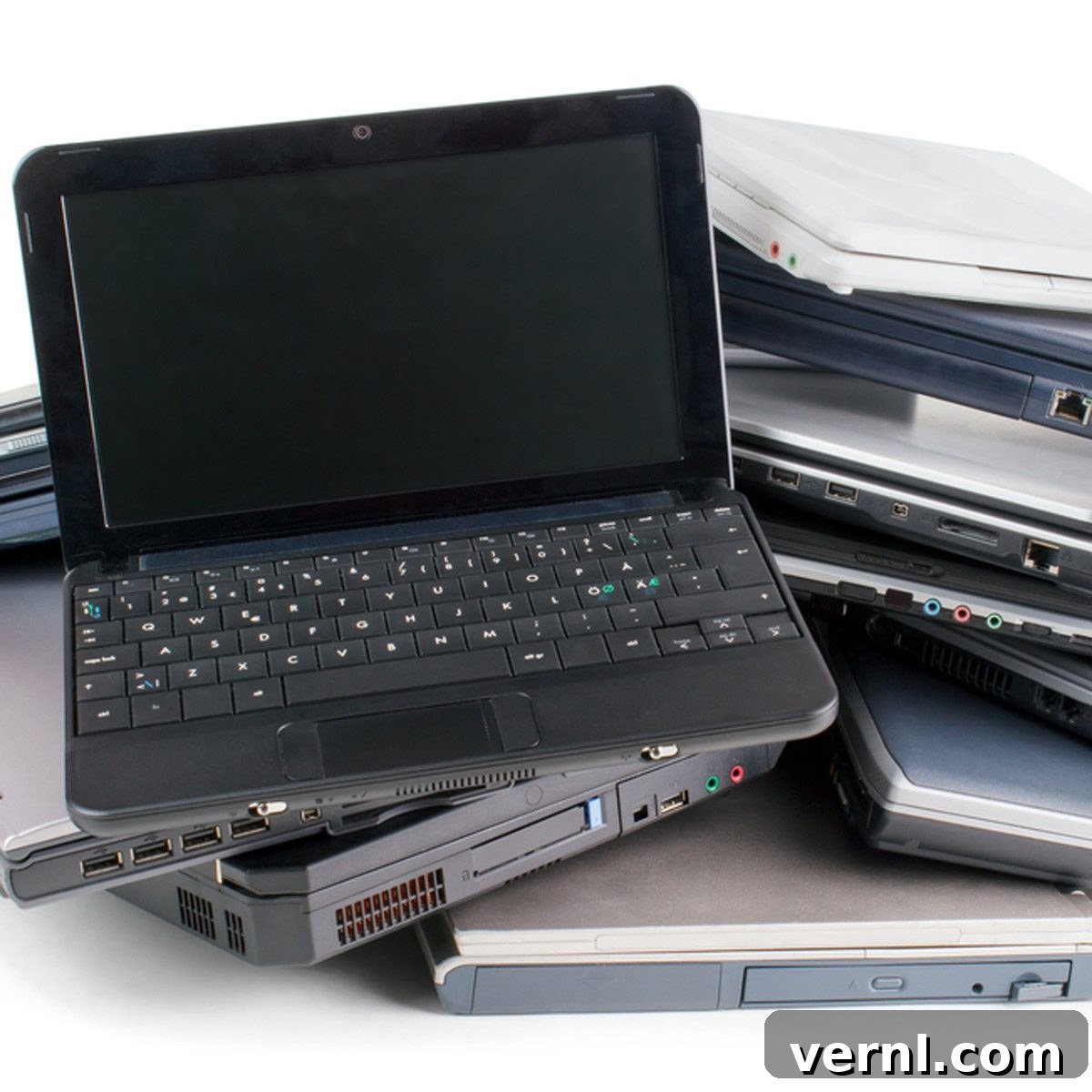
If your home is like many others, you might have a few outdated laptops or desktop computers tucked away in a closet, gathering dust. This common phenomenon, often humorously referred to as the “pile of denial,” is more than just clutter; it represents a significant challenge in our rapidly evolving digital world. A survey conducted in 2016 by the Consumer Reports National Research Center revealed that over half of laptop owners who purchased new devices since 2012 confessed to keeping their old ones long after they’d been replaced. While it might seem harmless, clinging to old electronics carries both personal privacy risks and broader environmental consequences.
The reality is, electronic devices depreciate at an astonishing rate. The longer an old computer sits unused, the less market value it retains, making it progressively harder to refurbish, resell, or even recycle efficiently. Acting promptly is not only beneficial for potentially recouping some value but also crucial for safeguarding your personal data and ensuring the device is disposed of in an environmentally sound manner. Beyond monetary considerations, responsible disposal plays a vital role in mitigating the ever-growing global issue of electronic waste, or e-waste.
So, faced with that retired piece of technology, what are your best options? This comprehensive guide will illuminate the most effective and responsible pathways for giving your old computer a new purpose, whether through selling, recycling, or donating.
Unlock Value and Protect Your Privacy: Selling Your Old Computer
One of the most appealing and practical options for an old computer is to sell it. This not only puts some money back in your pocket but also champions the principle of reuse, which stands as the most environmentally friendly form of “recycling.” By finding a new owner for your used electronics, you actively extend their lifespan, thereby reducing the demand for new manufacturing and conserving valuable natural resources. Contrary to popular belief, there’s a robust and active market for pre-owned technology, ranging from fully functional units to those valuable for their parts.
Where to Find Buyers for Your Used Tech
Finding a legitimate buyer for your old computer or laptop is often simpler than you might anticipate. Several platforms and programs cater specifically to this market:
- Online Marketplaces: Platforms like eBay offer an enormous audience, perfect for selling everything from vintage models to slightly used recent releases. For local transactions, which can save on shipping costs and hassle, Craigslist and Facebook Marketplace are excellent choices. Be sure to use safe meeting practices if opting for in-person exchanges.
- Specialized Buyback Programs: Many major electronics retailers and manufacturers operate convenient trade-in or buyback initiatives. Companies such as HP, Best Buy, and Target frequently offer programs where you can exchange your old device for store credit or even cash. Dedicated electronics buyback sites, like Gazelle, specialize in purchasing used electronics quickly, often providing instant online quotes and free shipping labels. A small amount of research across these platforms can help you compare offers and secure the best deal for your specific device.
- Local Computer Shops: Some independent computer repair shops or used electronics retailers may also be interested in purchasing older models, particularly if they are still functional or contain valuable components that can be repurposed.
Crucial Precaution: Prioritize Your Data Security
Before you even consider selling any digital device, especially to someone unfamiliar, safeguarding your personal data is an absolute priority. Your old computer likely holds a treasure trove of sensitive information: banking details, personal photographs, private documents, browsing history, saved passwords, and more. Simply deleting files or formatting the hard drive is often insufficient, as sophisticated data recovery tools can still retrieve “deleted” information. Protecting your privacy and preventing potential identity theft requires more rigorous and comprehensive measures.
Recommended Data Wiping Techniques for Secure Disposal:
- Physical Hard Drive Removal: The most unequivocally secure method is to physically remove the hard drive (and any Solid State Drive – SSD, if applicable) from the computer. This guarantees that no data from your device can ever be accessed by a new owner. Websites like iFixit.com provide incredibly detailed, step-by-step tear-down tutorials for almost every electronic device imaginable, guiding you safely through the process of extracting storage drives. In most cases, the only tool you’ll need is a screwdriver. If you opt for this route, ensure your listing explicitly states that the hard drive is not included with the computer.
- Data Overwriting Software: If physically removing the drive isn’t feasible, or if you plan to sell the computer with a working drive, you must use specialized data wiping software. These robust programs repeatedly overwrite your hard drive’s entire storage space with random data, rendering the original information unrecoverable. When choosing software, look for tools that comply with recognized standards, such as the Department of Defense (DoD) 5220.22-M standard, which specifies multiple passes of data erasure. Many free and open-source tools are available, such as DBAN (Darik’s Boot and Nuke) for traditional Hard Disk Drives (HDDs). For Solid State Drives (SSDs), which store data differently, seek out tools that support “secure erase” commands, often integrated into the drive’s firmware or utility software provided by the manufacturer.
- Factory Reset (Insufficient on Its Own): While performing a factory reset is a good initial step, as it removes user profiles and reinstalls the operating system, it generally does not securely wipe all underlying data. Always follow up a factory reset with either data overwriting software or physical removal of the hard drive for true data security.
By diligently taking these precautions, you can confidently sell your old computer, knowing that your personal information remains absolutely secure and protected from unauthorized access.
Combatting the E-Waste Crisis: Responsibly Recycling Your Old Computer
When selling or donating isn’t a viable option, perhaps due to the device’s condition or age, recycling emerges as the most responsible and often essential path. Did you know that electronic waste, or “e-waste,” has earned the dubious distinction of being the fastest-growing waste stream globally? This alarming trend is fueled by a confluence of factors: the ever-shortening lifespan of modern electronic devices, the relentless pace of technological advancements, and society’s insatiable demand for the newest high-tech products. E-waste poses profound environmental and health risks because it often contains hazardous materials such as lead, mercury, cadmium, chromium, and brominated flame retardants. If improperly disposed of in landfills, these toxins can leach into soil and groundwater, contaminating ecosystems and posing severe threats to human health.
Identifying Reputable Electronic Recyclers
It’s vital to understand that not all recyclers operate with the same standards of environmental and ethical responsibility. Choosing a reputable and certified electronic recycler is paramount to ensuring your old equipment is handled responsibly and ethically. A valuable resource for finding trusted facilities is the E-cycling Central website, which allows users to easily select their state and city to locate certified recyclers nearest them. Furthermore, many major electronic retailers (such as Best Buy and Staples) and local municipal waste management departments offer convenient take-back programs, organize special collection events, or even provide pick-up services for e-waste.
What Defines a Responsible Recycler?
To ensure your old electronic equipment is processed by a truly reputable recycler, keep these key indicators in mind:
- Industry Certifications: Look for recyclers certified by recognized industry standards such as R2 (Responsible Recycling) or e-Stewards. These certifications are not merely labels; they guarantee that recyclers adhere to stringent environmental, health, safety, and data security protocols. They explicitly prohibit the illegal export of hazardous e-waste to developing countries and mandate proper, audited downstream management of all materials.
- Prioritization of Reuse: A truly responsible and ethical recycler will always prioritize the reuse of electronic equipment before resorting to its deconstruction for parts. If your old computer is still functional or can be easily refurbished with minor repairs, giving it an extra couple of years of usability is significantly more environmentally sound than immediate shredding. Reuse conserves far more energy and raw materials than any other form of recycling, embodying the highest principle of waste reduction.
- Transparency in Operations: Reputable recyclers should maintain transparency about their operational processes, including where materials are ultimately sent and how data destruction is meticulously handled.
- Certified Data Destruction: Even if you’ve attempted to wipe your data, a trustworthy recycler will offer certified data destruction services, providing proof or a certificate that your sensitive information has been securely eradicated according to industry standards.
The Advanced Recycling Process
If refurbishment proves not to be a viable option, certified recyclers employ sophisticated techniques to recover valuable materials from discarded electronics. The typical process involves several stages:
- Initial Manual Dismantling: Devices undergo an initial sorting and manual separation of easily removable components like batteries, circuit boards, and cables. This step often segregates particularly hazardous materials for specialized treatment.
- Mechanical Shredding: The remaining portions of the device are fed into powerful industrial shredders that break them down into smaller, more manageable fragments.
- Advanced Material Separation: These fragmented materials then pass through high-tech separation devices. Utilizing magnets (for ferrous metals), eddy currents (for non-ferrous metals like aluminum), optical scanners (for plastics), and water separation techniques, these systems efficiently sort the fragments into distinct material streams.
- Refining and Smelting: The meticulously recovered raw materials—including steel, aluminum, copper, various plastics, glass, and even precious metals like gold, silver, and palladium—are then sent to specialized facilities for further refining or smelting. Here, they are purified and prepared to be reintroduced into the manufacturing supply chain for new products.
By consciously choosing a certified e-waste recycler, you make a significant contribution to reducing pollution, conserving finite natural resources, and preventing harmful, persistent materials from contaminating our precious ecosystems and threatening public health.
Bridging the Digital Divide: Donating Your Old Computer
Donating your old computer is a profoundly impactful way to give back to the community and directly address a critical societal issue: the “digital divide.” This divide represents the significant economic, educational, and social inequality that exists between individuals and communities who have access to computers and reliable internet access, and those who do not. In an increasingly interconnected and technology-dependent world, a lack of access to essential digital tools can severely hinder educational attainment, limit employment opportunities, and restrict overall social inclusion, perpetuating cycles of disadvantage.
Consider the tangible impact: a child struggling to complete crucial homework assignments that require online research or word processing simply because their family cannot afford a computer at home. Or an adult unable to apply for jobs online, access vital government services, or even connect with distant family members, thereby becoming isolated from critical resources and support networks. Even a five- or six-year-old computer, which you might consider obsolete, can be an incredibly valuable and transformative tool for a family in need, providing essential access to information, educational resources, and vital communication pathways.
Where to Donate Your Computer for Maximum Impact
Numerous dedicated organizations work tirelessly to refurbish and redistribute donated electronics to individuals, families, schools, and non-profits that lack the necessary resources:
- National Non-Profits: Organizations such as the National Cristina Foundation and the World Computer Exchange specialize in connecting donated technology with deserving recipients both globally and locally. The National Cristina Foundation website, for instance, provides a searchable database listing hundreds of pre-screened non-profit organizations actively seeking technology equipment donations.
- Local Schools and Community Centers: Many local schools, public libraries, and community centers are frequently in dire need of functional computers for their students, patrons, and program participants. Directly contacting your local educational institutions or community hubs can be an excellent way to find a nearby recipient who can immediately benefit from your donation.
- Charitable Organizations: A wide array of local charities, faith-based organizations, and social service agencies accept computer donations to support their diverse programs, which might include job training initiatives, after-school enrichment programs, digital literacy workshops, or efforts to assist refugee resettlement.
Preparing Your Computer for Donation: Key Considerations
Just as with selling, ensuring robust data security is paramount when donating. While reputable donation centers typically perform their own data wiping procedures, it is always considered best practice, and highly recommended, that you securely erase your hard drive yourself before handing over the device. Follow the detailed data wiping steps outlined in the “Selling Your Computer” section above to ensure that your personal information is completely and irretrievably removed from the device.
Additionally, it’s wise to check the specific requirements of the donation center regarding the condition of the computer. Most organizations prefer working devices that are still relatively functional, although some may accept non-working units for their parts or for more extensive refurbishment. Providing any original power cords, necessary accessories (like mice or keyboards), or original software discs (if applicable) can significantly increase the usability and value of your donation to the recipient.
The Far-Reaching Impact of Your Donation
Your seemingly simple act of donating an old computer can have a profound and lasting ripple effect throughout the community and beyond:
- Educational Empowerment: Students gain crucial access to essential learning tools, which can dramatically improve their academic performance, foster vital digital literacy skills, and open doors to future opportunities.
- Economic Opportunity: Job seekers can develop fundamental computer skills, access online job application platforms, and engage in virtual interviews, significantly improving their chances of obtaining meaningful employment.
- Social Inclusion: Individuals and families can connect with crucial support networks, access vital public services and information, and participate more fully and meaningfully in the digital society, reducing feelings of isolation.
- Environmental Benefit: By extending the life of a device, you actively prevent it from prematurely becoming e-waste, thereby conserving natural resources and reducing the substantial environmental footprint associated with manufacturing brand-new products.
By consciously choosing to donate, you’re not merely clearing out old items; you are making a tangible investment in a more equitable, educated, and sustainable future for all.
Beyond Computers: A Holistic Approach to Electronic Waste Management
While this guide has focused extensively on the responsible disposal of old computers and laptops, it’s crucial to remember that the principles of responsible tech disposal apply to all your electronic devices. From outdated smartphones and tablets to old televisions, printers, and gaming consoles, every piece of technology eventually reaches its end-of-life cycle, requiring careful and conscious consideration. Understanding the broader context of electronic waste is fundamental for making informed and sustainable decisions across your entire collection of gadgets.
Always keep in mind that the hierarchy of responsible tech disposal prioritizes reuse above all else. Before considering recycling or disposal, the first question should always be: Can this item be repaired, upgraded, or repurposed for continued use? If reuse is not possible, then the next question becomes: Can its components be safely and ethically recycled to recover valuable materials and prevent environmental harm? The ultimate goal for any electronic item should always be to prevent it from ending up in a landfill, where it can cause significant environmental damage.
For more detailed insights and practical advice on this critical topic, here are 10 more essential things you should know about recycling your electronics, offering further guidance on best practices and dispelling common misconceptions.
And remember, responsible disposal extends beyond just electronics! Consider how you manage other household items once they’ve served their purpose. For instance, find out what to do with your old exercise equipment when it’s time to part ways.