
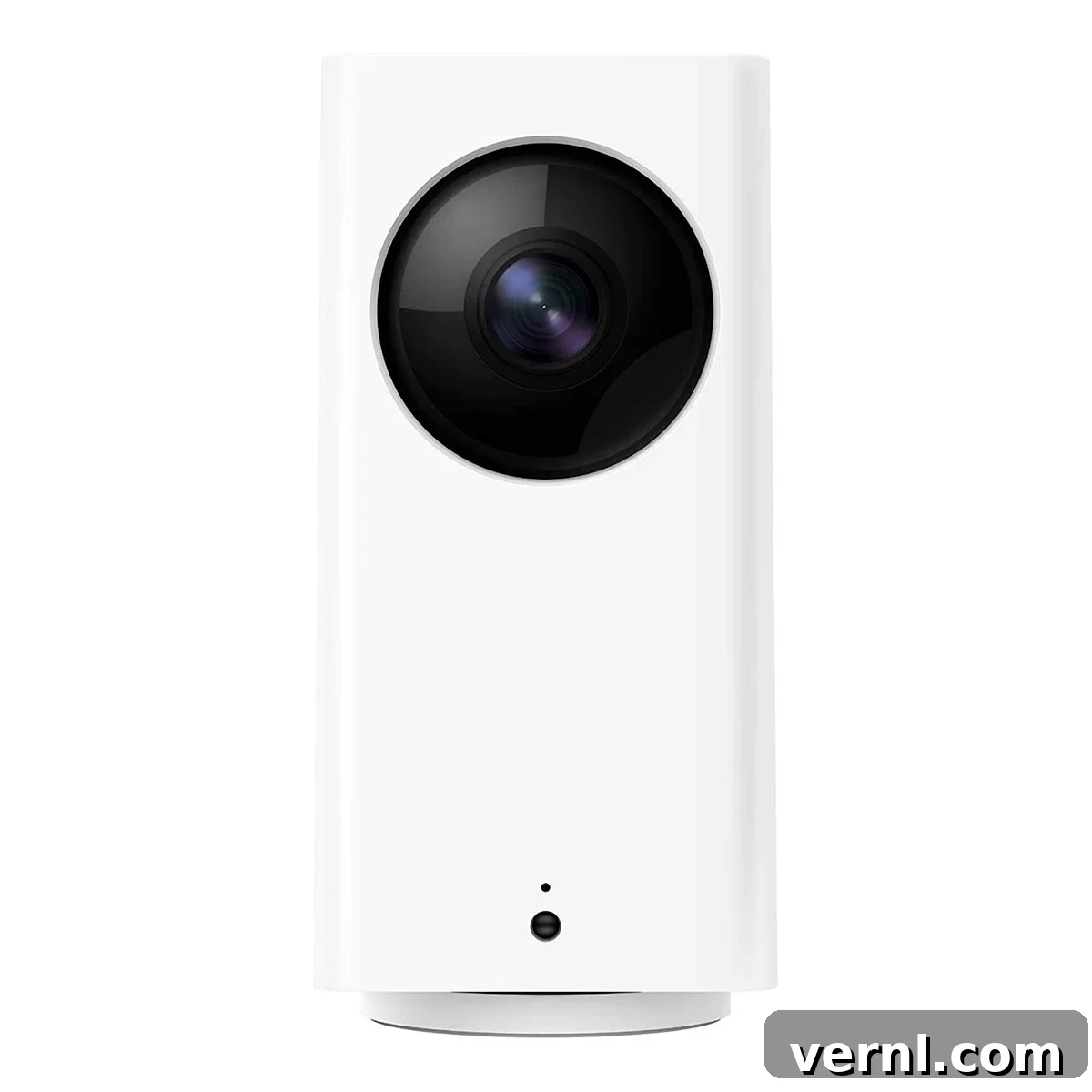
In an increasingly connected world, where smart devices weave into the fabric of our daily lives, home security cameras have emerged as essential tools for safeguarding our personal spaces. These intelligent guardians offer an invaluable sense of peace, allowing homeowners, renters, and even remote family members to monitor their environment from virtually anywhere. Whether you’re tracking potential intruders, ensuring your child is safe in their playroom, or simply checking in on a beloved pet from a distant location, smart security cameras provide real-time visual assurance directly to your smartphone or tablet via a dedicated app. This seamless connectivity transforms a house into a truly smart home, enhancing both security and convenience.
However, with great technological advancement comes inherent risks. While the convenience and protection offered by smart security cameras are undeniable, they also open doors to potential vulnerabilities. The digital age, unfortunately, is rife with cyber threats, and home security cameras are not immune to malicious attacks. Recent headlines have frequently highlighted alarming incidents where the very devices designed to protect have been exploited by hackers. These breaches can range from minor privacy intrusions to deeply disturbing and traumatizing events.
Consider the unsettling case where a family’s Nest surveillance camera was compromised, and hackers used it to broadcast a chilling, false warning of an incoming missile attack, plunging the household into sheer terror. In another deeply concerning incident, a stranger managed to hack into a child’s bedroom security camera, using the device’s two-way audio feature to speak directly to the child. Such events underscore a critical reality: just about any device connected to the internet carries a degree of risk. But while the threat is real, it’s not insurmountable. With the right knowledge and proactive measures, you can significantly fortify your home network and protect your smart security cameras from unauthorized access, ensuring they remain vigilant guardians rather than potential liabilities.
Are Your Smart Security Cameras Vulnerable to Hacking? Understanding the Risks
The short answer is: probably. In today’s interconnected landscape, every device that interfaces with the internet, from your smartphone to your smart refrigerator, presents a potential entry point for cybercriminals. Home security cameras, by their very nature of being constantly online and streaming sensitive data, are particularly attractive targets. While no system can offer 100% impenetrable security, it’s crucial to understand that not all cameras are created equal in terms of their vulnerability. Some smart cameras boast more robust built-in security features, while others may be more susceptible to common hacking techniques. The good news is that you don’t have to be a cybersecurity expert to fight back; implementing a few key safeguards can dramatically reduce your risk.
One of the most effective defenses against unauthorized access to your online accounts and applications is two-factor authentication (2FA). This security layer requires more than just a password to gain access. When 2FA is enabled, after entering your password, you’ll be prompted to provide a second form of verification – typically a unique code sent to your registered phone number via SMS, an email, or generated by an authenticator app. This added step acts as a powerful barrier, ensuring that even if a hacker manages to steal your password, they still cannot access your camera feed without the second authentication factor.
For those prioritizing ultimate privacy and security above advanced smart features, certain cameras offer an offline solution. Some models, such as specific Lorex cameras, are designed to operate entirely free of internet connectivity. These systems record footage locally to a hard drive or SD card, bypassing the cloud altogether. While this approach means you lose out on convenient remote viewing, instant alerts, and integration with other smart home ecosystems, you gain a significant security advantage: since they are not connected to the internet, these cameras simply cannot be hacked remotely. The trade-off between functionality and absolute isolation is a key consideration when choosing a security camera system.
Understanding Hacker Motivations: Why Target Your Security Camera?
When we think of cybercrime, grand schemes of financial fraud or industrial espionage often come to mind. However, the motivations behind hacking a home security camera can be surprisingly varied, and often more personal and insidious. While some instances are indeed part of larger nefarious plots, many reported cases stem from less financially driven, yet equally disturbing, intentions.
In many of the well-publicized incidents, the primary motivation for hackers appears to be the sheer thrill of causing fear and distress. These “joyriders” or “pranksters” derive satisfaction from infiltrating private spaces, observing unsuspecting individuals, and then demonstrating their unauthorized access through startling vocal commands, unnerving movements of the camera lens, or by broadcasting disturbing messages. The psychological impact on victims, who suddenly realize their private sanctuary has been invaded and manipulated, can be profound and long-lasting.
Unfortunately, the threat extends far beyond mere pranks. More dangerous and determined hackers can exploit compromised cameras for a range of malicious purposes. These may include:
- **Personal Information Discovery:** A camera placed in a living room or office might inadvertently capture sensitive documents, whiteboards with passwords, or provide visual clues about financial habits, travel plans, or the presence of valuable items.
- **Espionage and Stalking:** For determined individuals, a hacked camera offers an unparalleled window into someone’s daily life, habits, and movements. This can be used for stalking, harassment, or gathering intelligence for potential real-world crimes like burglaries.
- **Capturing Vulnerable Moments:** Perhaps the most disturbing aspect, hackers can intentionally record or capture images of people in their most private and vulnerable moments, which could then be used for blackmail, public humiliation, or other forms of exploitation.
- **Identity Theft:** While less direct, information gleaned from camera footage (e.g., mail visible on a counter, personal conversations) can contribute to a larger profile used for identity theft.
- **Botnet Recruitment:** Less about the homeowner directly and more about using their device as a resource, compromised cameras can be recruited into a “botnet” – a network of hijacked devices used to launch large-scale cyberattacks, such as Distributed Denial of Service (DDoS) attacks, without the owner’s knowledge.
Understanding these varied motivations is the first step in recognizing the comprehensive nature of the threat and why a multi-layered approach to security is absolutely essential.
Comprehensive Strategies to Prevent Hackers from Stealing Your Information
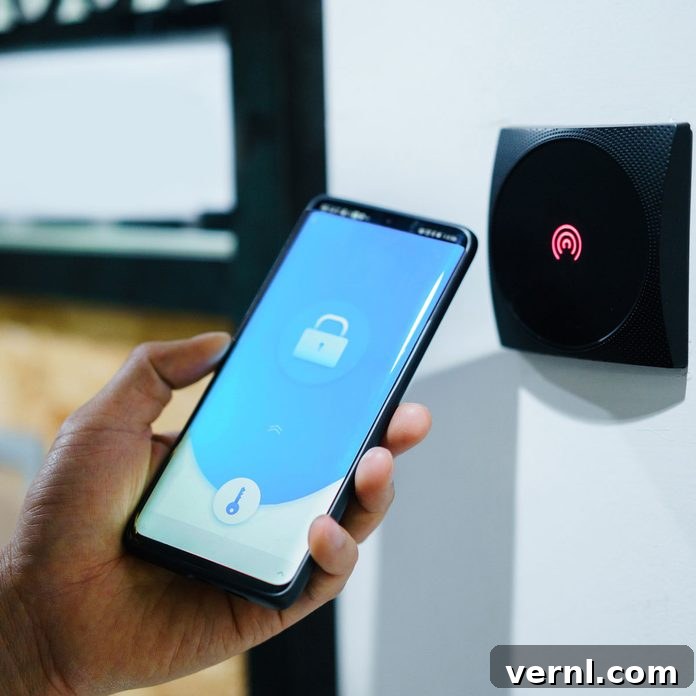
Protecting your smart security cameras goes beyond simply enabling two-factor authentication. A robust defense strategy requires a proactive approach, implementing several layers of security to create a formidable barrier against cyber threats. Elena Mauer of SecurityNerd.com, a trusted online resource specializing in home security solutions, offers invaluable tips that every smart home owner should adopt:
-
**Implement Robust and Unique Passwords and Usernames:** This is arguably the most critical first line of defense. Far too many individuals opt for easily guessable combinations like “password,” “123456,” or personal details like their birth date or pet’s name. Such weak credentials are a hacker’s dream. Instead, prioritize creating complex, lengthy passwords of at least eight to ten characters, ideally incorporating a mix of uppercase and lowercase letters, numbers, and special symbols or punctuation marks. Crucially, each of your internet-connected devices – your security camera, your overall security system, and especially your Wi-Fi router – should have a unique username and password combination. Never reuse passwords across different accounts. To manage these complex passwords efficiently, consider using a reputable password manager. Furthermore, make it a habit to change these passwords periodically, perhaps every three to six months, to minimize the risk should one ever be compromised without your knowledge.
-
**Fortify Your Wi-Fi Network with WPA2 or WPA3 Security:** Your Wi-Fi router acts as the gateway to your entire smart home ecosystem. Securing it is paramount. Ensure your router is configured to use WPA2 (Wi-Fi Protected Access II) security at a minimum, and ideally, the newer and more secure WPA3 standard. WPA2 requires each new device attempting to connect to your network to submit a password, encrypting all traffic. This prevents unauthorized access and eavesdropping. If your current router only supports older, less secure protocols like WEP or WPA, it’s highly advisable to consider upgrading to a newer model that supports WPA2 or WPA3. Contact your router’s manufacturer or internet service provider if you need assistance configuring these settings or determining your router’s capabilities. Additionally, always change your router’s default administrative username and password, as these are often publicly known and exploited by hackers. Disable Universal Plug and Play (UPnP) and Wi-Fi Protected Setup (WPS) on your router if possible, as these features can sometimes introduce vulnerabilities.
-
**Avoid Accessing Your Security System on Public Wi-Fi Networks:** Convenience often comes at the cost of security. While it might be tempting to quickly check your camera feed using the free Wi-Fi at a coffee shop, airport, or public park, resist the urge. Public Wi-Fi networks are notoriously insecure, often lacking encryption and proper authentication protocols. This makes them fertile ground for hackers to intercept your data, potentially capturing your login credentials for your security camera or home security system. If you absolutely must access your system remotely while away from your secure home network, consider using a Virtual Private Network (VPN) on your device. A VPN encrypts your internet traffic, providing a secure tunnel even over an unsecured public network.
-
**Regularly Update Camera Firmware and Software:** Device manufacturers frequently release firmware and software updates that patch newly discovered security vulnerabilities and improve performance. Treat these updates as non-negotiable. Enable automatic updates whenever possible, or make it a routine to manually check for and install updates for your cameras, router, and related apps. Running outdated software is like leaving a back door wide open for hackers.
-
**Review and Adjust Privacy Settings:** Many smart cameras come with a variety of features, some of which might compromise your privacy if not properly configured. Take the time to delve into your camera’s settings menu. Disable features you don’t use, such as two-way audio if you only need monitoring, or motion zones in areas that aren’t critical. Be mindful of cloud storage options and understand how your data is stored and secured by the manufacturer. Only enable features you truly need and understand their implications.
-
**Consider a Dedicated Network for IoT Devices (VLAN):** For advanced users, setting up a separate Virtual Local Area Network (VLAN) specifically for your smart home devices, including cameras, can significantly enhance security. This isolates your IoT devices from your main home network (where your computers and sensitive data reside), creating a segmented network. If an IoT device on the VLAN is compromised, the hacker’s access is contained and cannot easily spread to your more critical devices.
Warning Signs That Your Security Camera May Be Compromised
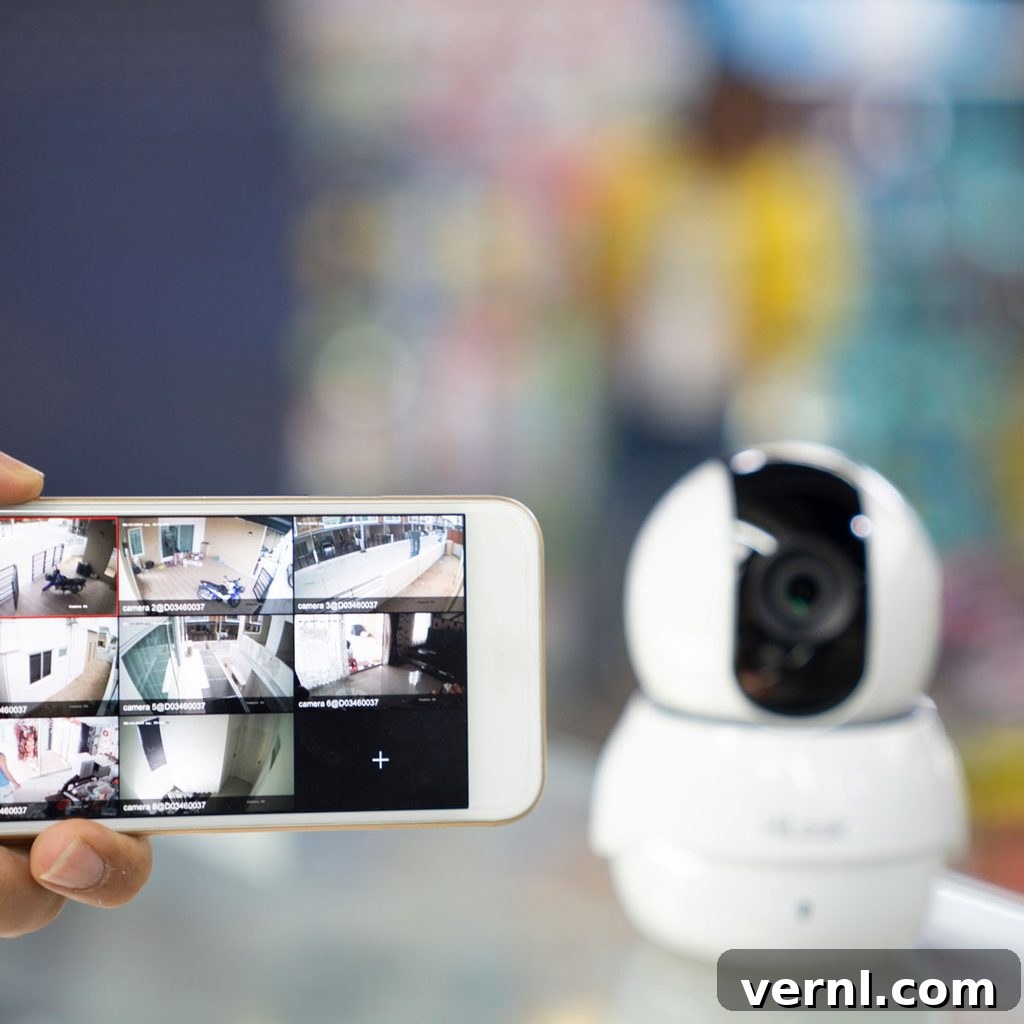
Even with the most meticulous security practices, vigilance is key. It’s possible for a breach to occur despite your best efforts, or for an older vulnerability to be exploited. Therefore, being able to recognize the signs of a potential hack is crucial for swift remediation. According to insights often shared by cybersecurity experts, including those found on platforms like Reader’s Digest, some general indicators of a security breach include receiving unusual or unexpected alerts. These could manifest as password change notices that you didn’t initiate, unfamiliar charges appearing on your credit card statements (especially if a camera subscription is linked), or warnings about outdated system updates when you believed your system was current. Beyond these general red flags, there are specific signs related to your security camera and smart home ecosystem that warrant immediate attention:
-
**Unusual Login Activity or Account Changes:** Many modern security systems and camera apps provide a feature that allows you to monitor login history, showing who has accessed your account, from where, and at what time. Make it a habit to check these logs periodically. If you notice any logins from unfamiliar IP addresses, locations, or at odd times that don’t align with your usage, this is a major red flag. Similarly, if your privacy settings or camera preferences have been altered without your input, it’s a strong indication of unauthorized access. If you suspect someone else may have logged into your system, the immediate course of action is to change all related passwords without delay. While the process of changing passwords can sometimes feel inconvenient, it is an absolutely vital step in regaining control and preventing further compromise.
-
**Strange or Unprompted Camera Behavior:** Your security camera should only operate as you’ve instructed it. Keep a close eye (or ear) out for any unusual activity. This could include the camera’s indicator light coming on when you haven’t activated it, the camera lens moving or panning on its own without a command, or unexplained sounds emanating from its speakers (if it has two-way audio). If your camera starts behaving erratically or autonomously, it’s a strong signal that someone else might have gained control of it. Additionally, an unexpected increase in your internet data usage, especially if your camera streams to the cloud, could indicate it’s being used to stream footage constantly or has been co-opted into a botnet.
-
**Unauthorized Account Sharing and Access Management:** If you grant friends, family members, or service providers access to your security system, never give them your primary username and password. Instead, utilize the system’s features to create separate user accounts with distinct usernames and passwords for each individual. This principle of “least privilege” ensures that if one of their accounts is compromised, your master account remains secure. It also provides you with the crucial ability to revoke or turn off access for specific individuals whenever necessary, without having to change your own credentials or reconfigure access for everyone else. This prevents your personal password from circulating and potentially falling into the wrong hands.
-
**Performance Degradation:** A sudden and inexplicable slowdown in your home network’s internet speed, particularly during times when you’re not actively using bandwidth-intensive applications, could sometimes point to a compromised camera. If a camera is recruited into a botnet to launch attacks or continuously stream data, it can consume significant bandwidth, affecting your overall network performance.
Immediate Steps: What to Do If You Suspect You’ve Been Hacked
Discovering that your security camera, designed to be your watchful eye, has been compromised can be a deeply unsettling experience. However, panic is not a solution; swift and decisive action is. Here’s a clear, step-by-step guide on what to do if you suspect a breach:
-
**Immediately Disconnect the Camera:** The very first action you should take is to sever the camera’s connection to your network and power source. Unplug the camera from its power outlet. If it’s battery-powered, remove the batteries. This critical step prevents any further unauthorized monitoring, recording, or manipulation of the device by the hacker. It also stops the potential exfiltration of data and can prevent the hacker from causing further damage to your network.
-
**Change All Related Passwords:** Once the immediate threat of live monitoring is neutralized, focus on securing your digital footprint. Change the passwords for your camera’s account, any connected smart home apps that integrate with the camera, your Wi-Fi router’s administrative password, and any other accounts that use similar or identical passwords. Remember to create new, strong, and unique passwords for each. Consider using a temporary password for your router initially, then changing it again after a full network scan.
-
**Reset and Reconfigure Your Devices (If Applicable):** After changing passwords, consider performing a factory reset on the compromised camera. This will wipe all its settings and potentially any malicious software installed. Following the reset, meticulously reconfigure the camera, ensuring you apply all the security best practices discussed earlier, such as two-factor authentication, strong unique passwords, and updated firmware.
-
**Scan Your Network and Devices for Malware:** It’s possible the hacker gained access through other compromised devices on your network. Run comprehensive malware scans on all your computers, smartphones, and tablets connected to your home network. Use reputable antivirus and anti-malware software to detect and remove any threats.
-
**Contact the Manufacturer:** Reach out to the customer support or security team of your camera’s manufacturer. Inform them about the breach, providing as much detail as possible (e.g., specific camera model, date of incident, suspicious activity observed). They may be able to offer specific guidance, provide firmware updates, or even replace a faulty device if a security flaw in their product was directly exploited.
-
**Report to Local Law Enforcement:** Depending on the severity of the hack (e.g., if personal information was stolen, or if it involved stalking or harassment), it’s advisable to report the incident to your local law enforcement agency. While they may not always have the resources to track down every cybercriminal, reporting helps create a record and contributes to larger data sets that can aid in prosecuting cybercrime. Be prepared to provide them with any evidence you’ve collected.
-
**Notify Affected Individuals:** If the breach involved personal data or imagery of others (e.g., family members, guests), inform them promptly and advise them on steps they can take to protect themselves.