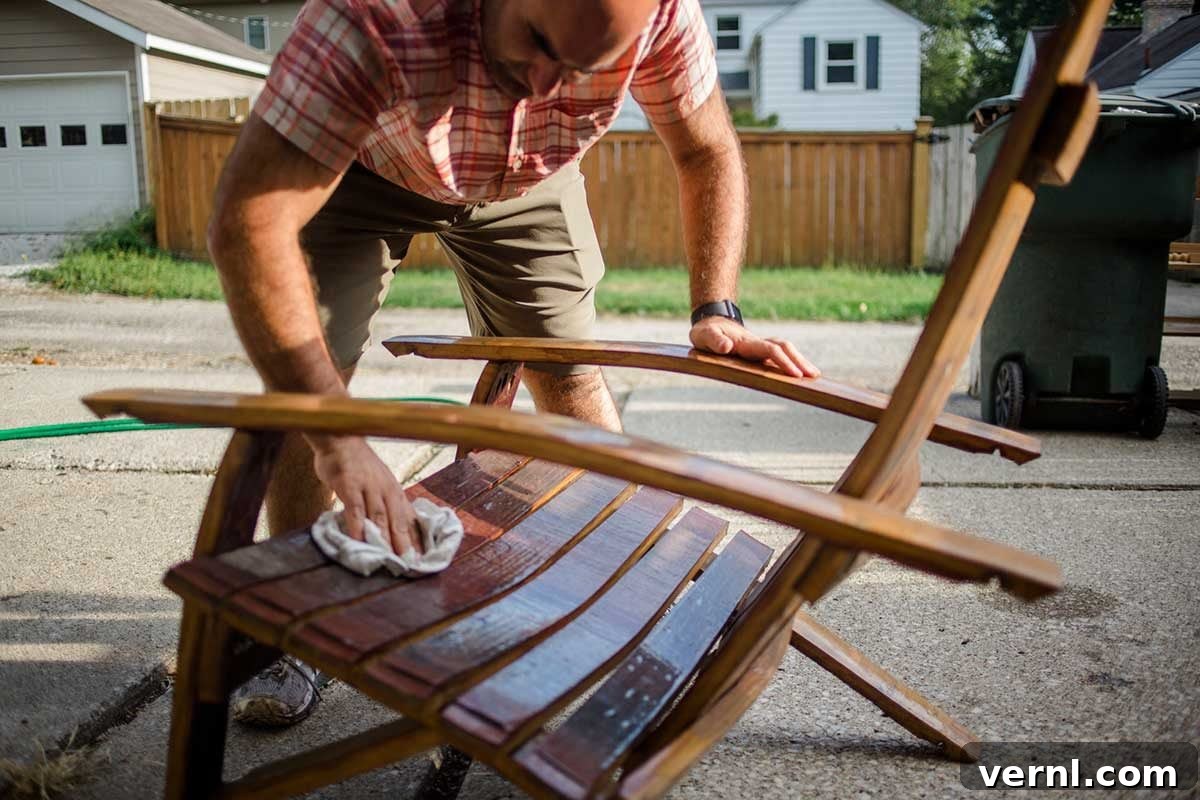
Your outdoor living space is an extension of your home, a sanctuary for relaxation, and a hub for entertaining. The furniture adorning this space represents a significant investment, often ranging from hundreds to several thousands of dollars, depending on its size, material quality, and the timing of your purchase. Unlike indoor furnishings that enjoy a sheltered existence, patio furniture faces relentless challenges from the elements. Scorching sun, drenching rains, persistent humidity, and even the playful antics of pets can all take a severe toll. This constant exposure makes proper care and diligent cleaning not just a recommendation, but a crucial necessity to preserve its beauty, extend its lifespan, and protect your investment.
The key to long-lasting outdoor furniture lies in understanding that different materials require different approaches to cleaning and maintenance. What works wonders for a sleek metal dining set could potentially damage a delicate wicker lounge chair. By equipping yourself with the right knowledge and techniques, you can ensure that your outdoor oasis remains pristine and inviting for many seasons to come. This comprehensive guide will walk you through the essential steps and expert tips for cleaning and caring for various types of patio furniture, helping you navigate the unique needs of metal, plastic, and wood materials with confidence and ease.
Seasonal Care and Proactive Protection for Outdoor Furniture
Beyond regular cleaning, strategic seasonal care and proactive protection are paramount for maximizing the longevity and aesthetic appeal of your outdoor furniture. The environmental conditions your furniture faces throughout the year play a massive role in its wear and tear. In regions experiencing harsh winters with freezing temperatures, heavy snow, or persistent rain, storing your patio furniture indoors, such as in a garage or shed, is the gold standard for protection. This prevents potential damage from moisture infiltration, extreme cold, and the weight of snow and ice.
However, indoor storage isn’t always feasible for everyone. In such cases, investing in high-quality patio furniture covers is an excellent alternative. Modern furniture covers are designed to fit a wide array of furniture types and configurations, offering robust protection against UV rays, rain, dust, pollen, and even minor impacts. When selecting covers, look for durable, waterproof, and breathable materials that prevent moisture buildup while keeping elements out. Additionally, for those living in areas with extreme climates—be it the intense desert heat of Las Vegas or the torrential downpours of Florida—prioritize purchasing furniture explicitly engineered to withstand such tough conditions. Materials like marine-grade polymers or specially treated woods and metals offer superior resilience. Regular application of UV-protectant sprays and sealants can also create an additional barrier against sun fading and moisture damage, significantly extending the life and vibrancy of your outdoor pieces.
How To Clean Metal Outdoor Furniture
Metal is a cornerstone material for patio furniture, chosen for its exceptional durability and structural strength. Common metals include stainless steel, wrought iron, aluminum, and tubular steel, each offering distinct advantages. Mark Feldman, chief home officer at online home furnishings retailer Riverbend Home, highlights their widespread use due to these inherent properties. While all are strong, it’s crucial to note that aluminum stands out as the only one naturally resistant to rust. Its lightweight nature, however, can be a double-edged sword, making it prone to being shifted by strong winds if not adequately weighted or secured.
- Routine Cleaning for All Metals: To maintain metal furniture in its prime condition, Feldman recommends a simple yet effective cleaning routine: wash it thoroughly with mild soap and water. A soft cloth or sponge works best for this. Afterward, rinse it completely with clean water and dry it immediately with a soft cloth to prevent water spots and minimize the risk of rust on susceptible metals.
- Addressing Wear, Scratches, and Rust on Painted Finishes: If you observe any signs of wear, scratches, or chips in painted metal finishes, prompt action is essential to prevent further deterioration and rust formation. Feldman advises using fine-grit steel wool to gently remove any existing rust or oxidation. Once the affected area is smooth and free of rust, clean it again, let it dry, and then repaint the furniture as needed with an outdoor-grade metal paint, ensuring full coverage for protection.
- Touch-Ups for Powder-Coated Finishes: Furniture with a powder-coat finish boasts a hard, glossy surface known for its resilience. Should you notice minor scratches or chips in this protective layer, a specialized touch-up pen designed for powder-coat finishes can effectively conceal these flaws. These pens typically contain a matching color and provide a durable repair that blends seamlessly with the existing coating.
- Restoring Unfinished Aluminum: Unfinished aluminum furniture, while rust-resistant, can still develop a dull appearance or surface scratches over time. After washing and drying it thoroughly, restore its luster by polishing it with a high-quality metal polish and a microfiber cloth. The polish will help buff out minor imperfections and bring back the natural shine of the aluminum, giving it a refreshed look.
- Preventative Measures: Beyond cleaning, consider applying a coat of clear wax or a metal sealant to painted and unfinished metal furniture (excluding areas that need breathability or are meant to oxidize naturally, like some forms of wrought iron) after cleaning. This adds an extra layer of protection against moisture, UV rays, and general wear, further extending the life and appearance of your metal pieces.
How to Clean PVC, Resin or Plastic Outdoor Furniture
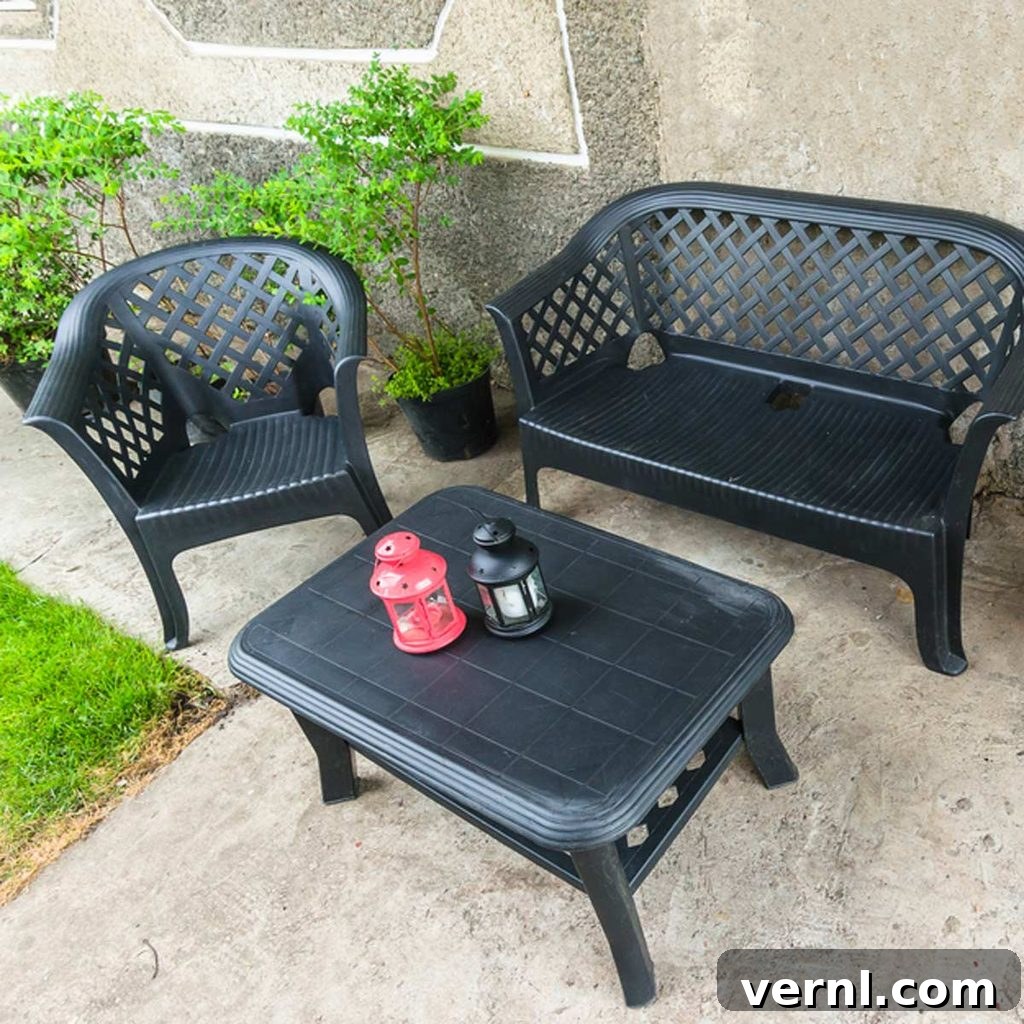
“The easiest outdoor furniture to clean and maintain is typically made from PVC, resin or plastic,” asserts Mark Feldman. This category often includes popular items like durable Adirondack chairs and functional patio dining chairs, often appealing for their affordability. While budget-friendly options exist, the majority of quality plastic patio furniture today is crafted from high-density plastics. These advanced materials are engineered for superior durability, exceptional fade resistance, and remarkable longevity, offering a great balance of cost-effectiveness and performance.
- Deep Cleaning with Power Washing and Soap: For a comprehensive clean, especially to dislodge dirt from hard-to-reach crevices, hose down plastic or resin furniture with a power washer set to a low-pressure setting. This prevents potential damage while effectively cleaning. Following this, Feldman advises using a solution of mild soap and water or any reputable all-purpose spray cleaner applied with a soft sponge or damp cloth. Scrub the surfaces thoroughly to remove grime and stains.
- Avoiding Abrasive Cleaners and Using Baking Soda for Tough Stains: “Skip any abrasive cleaners,” Feldman cautions, explaining that they can scratch and dull the surfaces of plastic furniture, diminishing its smooth finish. However, for stubborn stains that resist mild cleaning, there’s a practical workaround. Create a powerful yet safe scouring solution by mixing approximately a half-cup of baking soda into a gallon of your soapy water solution. This gentle abrasive mixture can then be used with a soft cloth or sponge to effectively lift and scrub away entrenched grime without damaging the plastic.
- Steering Clear of Corrosives: It’s critical to avoid using corrosive cleaning agents like bleach or acid-based cleaners on plastic, PVC, or resin furniture. These harsh chemicals can chemically react with the plastic, potentially eating into the surface, causing permanent discoloration, weakening the material, or making it brittle over time. Always opt for milder, pH-neutral cleaners specifically designed for outdoor plastics.
- Enhancing Shine and Protection: Once your plastic, PVC, or resin patio furniture is thoroughly clean and dry, consider treating it with a plastic restorer and protectant. These products are formulated to revive the material’s original luster, provide an extra layer of UV protection to prevent fading, and repel dirt and water. When applying to woven plastic furniture, exercise caution to prevent the protectant or wax from building up excessively within the weave, which could trap dirt or become sticky. Apply sparingly and wipe away any excess.
- Tackling Mildew and Mold: Plastic furniture can be prone to mildew and mold in humid environments. For these issues, a solution of equal parts white vinegar and water can be very effective. Spray it on, let it sit for 15-20 minutes, then scrub and rinse. For more persistent growth, a diluted bleach solution (1 part bleach to 10 parts water) can be used cautiously, ensuring a thorough rinse afterward to prevent any damage to the plastic.
How to Clean Teak, Wood or Wicker Outdoor Furniture

While a power washer is an effective tool for cleaning robust plastic furniture, it is emphatically “not recommended for patio furniture made of teak, wicker, or other types of wood such as ipe, acacia, pine, or mango,” states Mark Feldman. The high-pressure stream, while powerful, can be excessively aggressive for these natural materials. It risks scarring or damaging the wood surfaces by raising the grain, stripping off natural oils or finishes, and potentially tearing apart the delicate weaves of wicker furniture, leading to irreversible structural damage.
- Initial Dirt Removal: Before applying any liquid cleaners, begin by dry cleaning your wood or wicker furniture. Use a soft plastic scrub brush, a whisk broom, or even a dry cloth to sweep away any caked-on dirt, loose debris, leaves, or cobwebs. This crucial first step prevents dirt from turning into muddy paste when wet, making the subsequent cleaning process more efficient and effective.
- Gentle Wood Cleaning: For cleaning wood furniture, opt for a mild oil soap specifically formulated for wood, or simply use a gentle solution of mild dish soap and warm water. Apply the solution with a soft brush or a clean cloth, gently scrubbing to lift dirt and grime from the surface. Work in the direction of the wood grain to avoid scratching. Immediately after cleaning, quickly wipe up any excess water to prevent it from soaking into the wood, which can lead to swelling or warping. For intricate wicker weaves, Feldman suggests using an old toothbrush to carefully reach deeper into the crevices and loosen built-up dirt without causing damage.
- Care for Porous Wicker: True wicker, crafted from natural fibers such as rattan, bamboo, or willow, is highly porous. It’s crucial not to saturate these materials with excessive water, as prolonged exposure can cause them to swell, weaken, mildew, or even unravel. Instead, gently wipe down porous wicker furniture with a damp cloth, moistened with your mild cleaning solution. Ensure the cloth is wrung out well, so it’s just damp, not dripping. Dry the furniture thoroughly in a shaded, well-ventilated area afterward.
- Sealing Teak, Oak, and Eucalyptus: After your teak, oak, or eucalyptus patio furniture has been cleaned and is completely dry, sealing it is an important step to protect it from the elements. Apply a lightweight wood sealant designed for outdoor use. Sealants help to repel water, resist UV damage, and prevent the wood from drying out and cracking, preserving its natural color and integrity. Follow the product manufacturer’s instructions for application and reapplication frequency.
- Oiling Tropical Hardwoods: Tropical hardwoods, such as shorea or ipe, benefit more from oiling rather than sealing. These dense woods contain natural oils that give them their renowned durability and resistance to rot and insects. Regular application of a suitable hardwood oil (often linseed or teak oil) helps to replenish these natural oils, preventing the wood from drying out, fading, and developing a grayish patina. Oiling also enhances their rich, natural color and provides a degree of water repellency.
- Addressing Mildew on Wood: For mildew spots on wood, a solution of white vinegar and water (1:1 ratio) can be effective. Apply it, let it sit briefly, and then gently scrub with a soft brush before rinsing and drying. For more severe cases, specialized outdoor wood cleaners that contain mildewcides may be necessary.
FAQ
How often should I clean my patio furniture?
Maintaining the pristine condition of your patio furniture involves a multi-tiered cleaning schedule. For day-to-day cleanliness and to prevent superficial dirt from accumulating, aim for quick cleanings on a weekly basis. This might involve a simple wipe-down or dusting. More thorough cleanings, which delve deeper into removing grime and mild stains, should be performed monthly, particularly during periods of frequent use like warmer weather or if your climate is especially harsh. The most critical “deep cleaning” should occur at the beginning of each season when you bring your furniture out or prepare it for extensive use, and ideally again before storing it away for the off-season. This comprehensive cleaning ensures all accumulated dirt, pollen, and environmental residues are removed, safeguarding the material and extending its lifespan.
What’s the best way to protect outdoor furniture from sun and rain?
Protecting your outdoor furniture from the damaging effects of sun and rain requires a proactive and multi-faceted approach. Strategically placing furniture, if possible, under a covered patio, pergola, or even large shade trees can significantly reduce direct exposure to harsh UV rays and heavy rainfall. Additionally, regularly applying stains, sealants, or UV protectants specifically designed for outdoor furniture materials creates an invisible barrier against fading and moisture damage. The most effective method of protection, however, often involves using high-quality, waterproof, and UV-resistant furniture covers during inclement weather or when the furniture is not in use for extended periods. For ultimate protection during the off-season, storing your furniture inside a garage, shed, or dedicated storage unit is unsurpassed, shielding it entirely from the elements.
Are furniture covers worth the investment?
Absolutely, furniture covers are undeniably worth the investment. Think of them as an insurance policy for your outdoor furniture. They are crucial for protecting the substantial investment you’ve made in creating your outdoor living space. Covers act as a robust shield, guarding your furniture against a multitude of environmental aggressors, including harsh UV radiation, incessant rain, wind-blown dust and debris, tree sap, bird droppings, and even frost. By diligently using them, covers keep your furniture looking newer, cleaner, and more vibrant season after season, preventing premature fading, rust, mildew, and material degradation. However, their worth hinges entirely on their consistent use. To truly reap the benefits, you must be willing to commit the time and effort to put them on and take them off regularly, and ensure they are conveniently accessible to encourage frequent use.