Ultimate Guide to Termite Control: Identification, Prevention, and Professional Treatment
Termites, often mistakenly considered mere nuisances, are highly social insects that pose a significant threat to homes and structures worldwide. Like ants, they live in intricate colonies, dividing labor among soldiers, workers, and reproductives. Their primary sustenance comes from cellulose, a compound found abundantly in wood, making homes and other wooden structures their prime targets. It’s estimated that these silent destroyers cause damage to approximately 600,000 U.S. structures annually. The financial toll is staggering; with most homeowners’ insurance policies offering no coverage for termite-related repairs, American residents collectively spend around $5 billion out of pocket each year to fix the extensive damage left behind by these invasive and ruinous pests.
Protecting your most significant investment requires vigilance and knowledge. In this comprehensive guide, we delve into everything a homeowner needs to know about termites, drawing insights from experts like Danielle Restuccia, Division Technical Services Manager for Orkin’s Northeast Division, and pest control specialist Ed Spicer. From identification to prevention and professional treatment, equip yourself with the information necessary to safeguard your property.
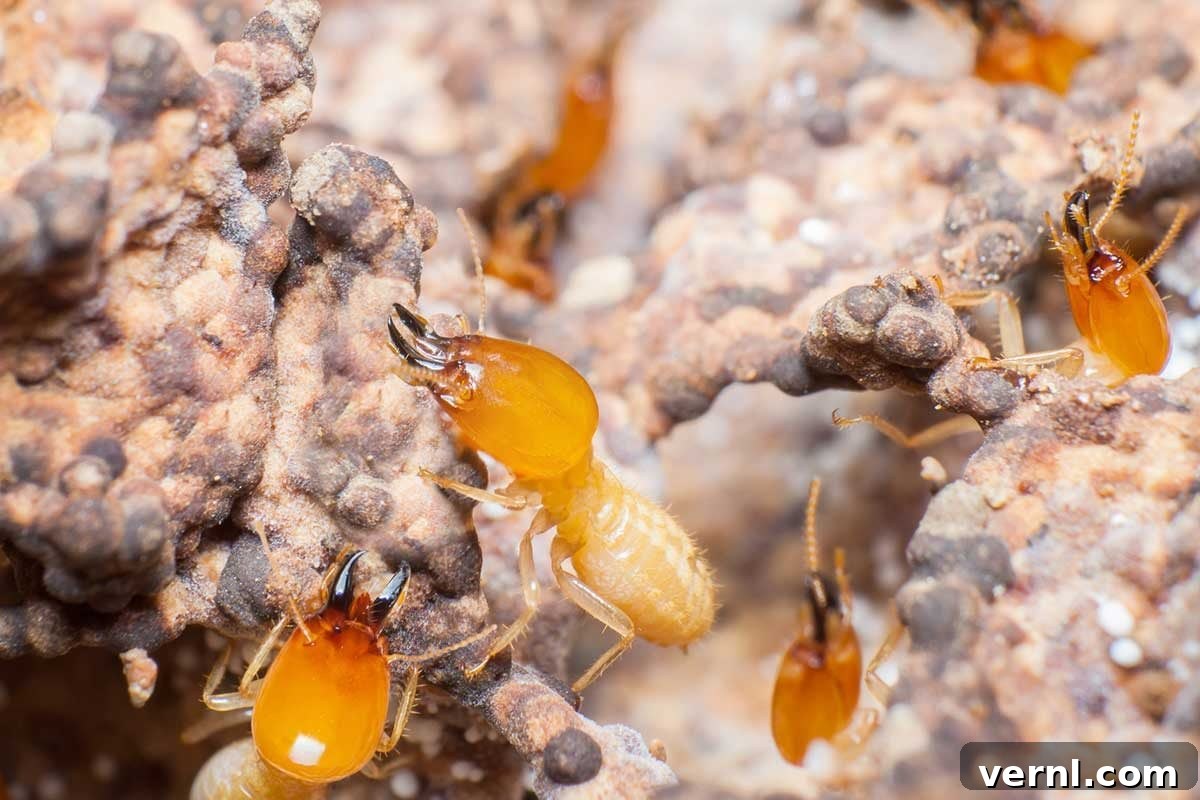
What Do Termites Look Like? Differentiating from Ants
One of the most common challenges in termite detection is distinguishing them from ants, particularly during swarming season. While they share a similar size, key physical differences can help you identify a termite:
- Waist: Termites have a broad, straight waist, connecting their thorax and abdomen almost seamlessly. Ants, conversely, have a distinct, pinched waist.
- Antennae: Termite antennae are straight and appear beaded. Ant antennae are elbowed or bent.
- Color: Worker termites are often creamy white or translucent, making them less visible. Soldiers and swarmers can be darker. Ants typically range from black to red, or brown.
- Wings (Swarmers): Winged termites (also known as swarmers) have four wings of equal length, which are often translucent or pale and extend well past their body. Flying ants, in contrast, have two sets of wings of unequal length, with the front wings being longer than the hind wings, and they usually appear veiny. Termite swarmers also shed their wings easily, leaving piles of discarded wings as a significant sign of infestation.
Understanding these subtle but crucial distinctions is the first step in accurate termite identification and subsequent action.
Understanding the Different Types of Termites
While over 2,000 species of termites exist worldwide, roughly 50 are found in the U.S., with a few species being particularly prevalent and destructive. The most common and impactful types in North America are:
Subterranean Termites
Considered the most destructive species in the U.S., subterranean termites live in vast colonies underground, often containing millions of individuals. They require constant moisture and build intricate tunnel systems, known as mud tubes, to travel between their subterranean nests and their food source in your home, protecting themselves from open air and predators. These tubes, roughly the diameter of a pencil, are a tell-tale sign of their presence. They attack wood from the inside out, consuming the soft grain and leaving a thin veneer of wood or paint intact, making their damage often undetectable until it’s severe.
This species includes two notable subgroups:
- Eastern Subterranean Termites: Found throughout the eastern and central U.S., these are among the most common and damaging. They typically enter structures through cracks in foundations or directly from soil-to-wood contact points.
- Formosan Termites: Often called “super termites” due to their aggressive nature and massive colony sizes, Formosan termites are concentrated in the southeastern U.S. and Hawaii. They are incredibly destructive and can establish “carton nests” above ground that do not require soil contact, as long as a moisture source is available.
Drywood Termites
Unlike their subterranean counterparts, drywood termites do not require contact with the soil. They build their smaller colonies directly within dry pieces of timber, furniture, hardwood floors, and even dead tree branches. They consume wood more slowly than subterranean termites, making their presence difficult to detect for many years. A key sign of drywood termites is the presence of fecal pellets, known as “frass,” which are small, hexagonal, hard pellets expelled from their tunnels. These termites typically infest homes through swarmers that fly in and establish new colonies.
While less common, Dampwood termites also exist, primarily in coastal regions with high humidity. They prefer wood with high moisture content and do not require soil contact, but their presence is typically linked to water-damaged wood.
How to Accurately Identify Termite Infestation
Termites are masters of stealth, often consuming wood from the inside out and leaving the exterior surface untouched, effectively concealing their destructive activities from the human eye. Early detection is paramount to mitigating extensive building materials damage. Look for these crucial signs:
- Mud Tubes: These pencil-diameter tunnels, made of soil, wood, and termite saliva, are the most definitive sign of subterranean termites. They typically appear on exterior and interior foundation walls, floor joists, or pipes, providing protected pathways for termites between their underground nest and your home’s wooden structure.
- Hollow-Sounding Wood: Tap on wooden surfaces, such as baseboards, walls, or doorframes. If the wood sounds hollow or dull, it could indicate termites have eaten away the interior.
- Blistering or Uneven Paint: Termite activity beneath the surface can cause paint or wallpaper to bubble, peel, or blister, mimicking water damage. They can also cause wood to warp or buckle.
- Discarded Wings: Piles of small, translucent wings, often found near windowsills, doorways, or spiderwebs, are a strong indicator of a recent termite swarm. Swarmers shed their wings after finding a mate and a new place to establish a colony.
- Termite Droppings (Frass): Drywood termites expel their fecal pellets, known as frass, from small kick-out holes in infested wood. These pellets are tiny, granular, and resemble sawdust or coffee grounds. The color of frass varies depending on the wood consumed.
- Visible Swarms: The sudden appearance of a cloud of winged insects indoors, especially in spring or fall, is a clear sign of an active termite colony within or very near your home. These are reproductive termites leaving the colony to establish new ones.
- Pinholes in Wood: Small, almost perfectly round holes in wooden surfaces can be exit points for swarmers or access points for drywood termites to expel frass.
- Damaged Wood: While often hidden, sometimes you might see visible tunnels or galleries within exposed wood, or even sagging floors or ceilings if damage is severe.
Regular inspections of your home’s foundation, crawl spaces, attic, and wooden structures are essential for early detection. Remember, a termite’s appearance can differ based on its caste and species; for example, Drywood worker termites are creamy, while soldiers are larger with darker heads. Formosan termites have orange bodies, and traditional Subterranean termites are more brownish.
Where Do Termites Live and Thrive?
Termites are adaptable creatures, inhabiting mostly warmer climates worldwide. This is why Alaska remains the only U.S. state largely free of these pests. They thrive in both rural and urban environments and can infest a wide range of materials and locations within and around your property, including homes, fences, sheds, garages, firewood piles, and other dead wood.
Subterranean termites require soil to maintain their moisture levels, so they are typically found in the ground or in wood that is in direct contact with the ground. Common entry points into homes include foundation cracks, expansion joints, utility entry points, and wood-to-soil contact areas like wooden siding or porch supports. Drywood termites, on the other hand, can infest any dry wooden structure, including attics, eaves, wooden furniture, and door frames, requiring no soil contact.
Danielle Restuccia notes that “Homeowners might notice an accumulation of wings or frass (termite droppings) along baseboards and windowsills, bubbling paint or cracked interior walls or mud tubes on exterior walls.” These observations are crucial indicators of termite activity in specific areas.
What Do Termites Eat? Understanding Their Diet
Termites primarily feed on cellulose, a complex organic compound found in wood and various plant materials. Their diet includes not just structural timber but also wood byproducts like paper, fabric, cardboard, sawdust, and wood chips, as well as other dead plants. According to Ed Spicer, a pest control specialist, the secret to a termite’s digestive prowess lies within its gut. “These protozoa break down cellulose, a biological compound found in wood, and create fuel from this unlikely resource,” he explains. “Because cellulose is found most abundantly in wood and tree roots, termites gravitate toward it.”
While termites are voracious eaters, certain materials are less appealing or even resistant to them:
- Naturally Resistant Woods: Some wood species, such as cedar, cypress (especially bald cypress), and redwood, contain natural chemicals that act as repellents or toxins to termites, particularly their heartwood. However, no wood is entirely immune, especially if the wood is old or under extreme termite pressure.
- Pressure-Treated Lumber: This wood is infused with chemical preservatives that make it highly resistant to rot, fungi, and insect attack, including termites. It is commonly used for outdoor structures and any wood in direct contact with soil.
- Composite Lumber: Made from a blend of wood fibers and plastic, composite materials are generally not attractive to termites, as the cellulose is encased in plastic, making it inaccessible or unpalatable.
It’s important to note that while these materials offer better protection, termites are opportunistic and will explore all available food sources. They can, for instance, still bore through particleboard or even some types of insulation to reach more desirable wood.
Effective Termite Prevention Strategies
Proactive measures are critical in preventing a termite infestation and safeguarding your home from costly damage. Implementing a robust prevention plan can significantly reduce your risk:
- Eliminate Wood-to-Soil Contact: Ensure that no wood parts of your home, including siding, deck posts, or door frames, are in direct contact with the soil. Maintain a minimum of 6 inches of clearance between soil and any wood structures.
- Manage Moisture: Termites, especially subterranean species, are highly attracted to moisture. Repair leaky faucets, pipes, and roofs immediately. Ensure proper drainage around your home by maintaining clear gutters and downspouts that direct water away from the foundation. Improve ventilation in crawl spaces, attics, and basements to reduce humidity.
- Seal Cracks and Gaps: Seal all cracks in your foundation, around utility entry points, and any gaps around windows and doors. This denies termites easy access points into your home.
- Store Firewood Properly: Keep firewood stacks, lumber, and other wood debris away from your home’s foundation. Store them on elevated racks, several feet from the house, and cover them to keep them dry.
- Reduce Food Sources: Remove dead trees, stumps, and fallen branches from your property. Avoid excessive use of wood mulch directly against the foundation, or use non-wood alternatives like gravel or rubber mulch.
- Regular Inspections: Conduct annual or bi-annual inspections of your home’s perimeter, crawl spaces, attic, and any wooden structures. Look for mud tubes, discarded wings, frass, or any signs of damaged wood.
- Maintain Landscaping: Trim shrubs and trees away from your home’s exterior walls to prevent hidden access points and allow for better air circulation and inspection visibility.
By diligently applying these prevention strategies, homeowners can create a less appealing environment for termites and significantly reduce the likelihood of an infestation.
Professional Termite Treatment Solutions
When it comes to termite treatment, the consensus among experts is clear: professional intervention is almost always necessary. “By the time homeowners notice a termite problem, it is often too late to try DIY solutions,” states Danielle Restuccia. “Calling a pest control company like Orkin is the only way to ensure termites are removed from a home and cannot cause further damage. There are no known safe and effective DIY treatments for termites, either. In fact, some common DIY solutions found on the internet can provide termites with more access to their favorite food sources (like using wet newspaper).”
Professional exterminators utilize a range of advanced and targeted treatment options, often tailored to the specific type of termite and severity of the infestation:
- Liquid Soil Treatments (Barrier Treatments): This involves applying a termiticide to the soil around the foundation of your home, creating a protective barrier that termites cannot cross without exposure. This is highly effective for subterranean termites. Trenches may be dug and backfilled with liquid termiticide, or holes drilled through concrete slabs.
- Termite Bait Systems: Bait systems consist of bait stations strategically placed in the ground around your home. These stations contain cellulose material laced with a slow-acting insect growth regulator or other termite-killing compounds. Worker termites consume the bait, share it with the colony, and gradually eliminate the entire population, including the queen. Bait systems offer long-term control and are less invasive than liquid treatments.
- Fumigation: For severe drywood termite infestations that are widespread within a structure, fumigation may be the most effective solution. This process involves tenting the entire house and releasing a gaseous fumigant that penetrates all wood within the structure, killing termites wherever they hide. It requires temporary evacuation of the premises.
- Wood Treatments: Borate-based treatments can be applied directly to exposed wood surfaces during construction or renovation. These treatments penetrate the wood and make it toxic to termites. They are often used as a preventative measure.
- Localized/Spot Treatments: For smaller, contained drywood termite infestations, a professional may use direct injection of insecticides into infested wood galleries.
A professional pest control company will conduct a thorough inspection, accurately identify the termite species, assess the extent of the damage, and recommend the most effective and integrated treatment plan for your specific situation. They also often provide warranties and follow-up inspections to ensure the problem is fully resolved.
Termite Safety and Structural Concerns
While termites can sting and bite, they are not inherently toxic to humans and typically do not pose a direct health risk. Their bites are rare and usually harmless, resulting in minor irritation. However, individuals allergic to termite saliva or droppings, or those suffering from asthma, could experience respiratory issues or allergic reactions if exposed to significant quantities of termite dust or allergens.
What is of paramount concern, and significantly more dangerous, is the structural damage termites inflict on homes. As Ed Spicer emphasizes, “Termites are a serious threat to our homes and must be immediately dealt with in the earliest possible stage of infestation.” Termites continuously tunnel through and consume wooden structural elements, including support beams, floor joists, wall studs, and roof trusses. Over time, this damage can compromise the structural integrity of a building, leading to:
- Sagging floors and ceilings.
- Difficulty opening or closing doors and windows.
- Buckling wood and warped walls.
- Foundation damage.
- Ultimately, expensive repairs or even structural collapse in extreme, unchecked cases.
The insidious nature of termite damage, often hidden from view, means that significant structural problems can develop before any visible signs appear. This underscores the critical importance of early detection and rapid professional intervention. Every minute that termites are present in your home is another minute of destructive gnawing that can cost thousands of dollars to remedy, making prompt action a wise investment in your home’s longevity and your financial well-being.
Frequently Asked Questions About Termites
How much does professional termite treatment cost?
The cost of professional termite treatment can vary widely depending on several factors. These include the severity and extent of the infestation, the specific type of termites present, the size and construction type of your home, and the chosen treatment method (e.g., liquid barrier, bait systems, or fumigation). Monitoring and preventative treatments will generally cost less than a full-house fumigation required for a severe, widespread infestation. It is always recommended to get multiple quotes from reputable pest control companies to compare services and pricing.
How long does it take for termites to cause serious damage?
The timeline for termite damage development depends on the species, colony size, and environmental factors. While visible signs of damage, such as blistering paint or mud tubes, might appear within six months to a year of an active infestation, serious structural damage typically takes several years to develop. A large, mature colony of subterranean termites can consume a significant amount of wood over two to five years, potentially compromising structural integrity. Drywood termites generally work slower, and it can take five to eight years or even longer for their damage to become severe enough to be noticed. However, even seemingly minor damage can lead to costly repairs if left unaddressed.
When is Termite Season?
Termites can be active year-round in many parts of the U.S., especially in warmer climates. However, “termite season” typically refers to the period when swarmers (reproductive termites) emerge from their colonies to establish new ones. For subterranean termites, swarming usually occurs in the spring, especially after a rain shower. Drywood termites often swarm in late summer or fall. Seeing swarmers is a definitive sign of a nearby active colony.
Can I prevent termites entirely?
While it’s difficult to guarantee 100% prevention, especially in high-risk areas, implementing the comprehensive prevention strategies outlined in this guide can significantly reduce your home’s vulnerability to termites. Regular inspections by homeowners and annual professional inspections are the best defense against these destructive pests.
About the Experts
- Danielle Restuccia is the Division Technical Services Manager for Orkin’s Northeast Division, bringing extensive knowledge in pest management and technical expertise.
- Ed Spicer is a seasoned pest control specialist with many years of experience in the industry, offering valuable insights into termite behavior and effective treatment methods.