Comprehensive Guide to Maintaining Ideal Basement Humidity for a Healthy Home
Maintaining the correct basement humidity is not merely about comfort; it’s a critical component of preserving the structural integrity of your home and safeguarding your family’s health. Neglecting moisture levels in this subterranean space can lead to a cascade of problems, from pervasive mold growth and damage to treasured belongings to serious respiratory issues. Conversely, an overly dry basement can also contribute to structural stress and discomfort. By diligently monitoring humidity levels and deploying the right tools and strategies, homeowners can effectively manage basement moisture year-round, ensuring a dry, healthy, and resilient living environment.
The common adage, “It’s not the heat, it’s the humidity,” resonates with many, often eliciting knowing nods of agreement. While this sentiment frequently refers to outdoor discomfort, its implications for your basement are far more profound. Here, humidity isn’t just a matter of feeling sticky; it’s a silent threat to your home’s foundation and the well-being of its inhabitants. Understanding and controlling relative humidity in your basement is paramount to preventing a host of costly and unhealthy issues.
Understanding Relative Humidity: The Key to a Dry Basement
Humidity fundamentally describes the amount of water vapor present in the air. However, when discussing comfortable and safe indoor environments, particularly basements, it’s relative humidity that demands our attention. Relative humidity takes into account the air temperature, a crucial factor in how much moisture the air can hold.
“We know that the air can hold a maximum amount of water at each temperature,” explains Kelly Smeltzer, indoor air unit enforcement coordinator at the Minnesota Department of Health. “Relative humidity is the ratio of how much water vapor is in the air compared to how much potentially could be in the air at that temperature.” Smeltzer further clarifies a related concept: “Dew point is the temperature when air hits 100% relative humidity,” indicating the point at which the air can no longer hold all its moisture and condensation begins to form.
Whether indoors or outdoors, humidity is measured similarly. For your basement, maintaining ideal humidity levels is critical. Smeltzer recommends keeping your basement’s relative humidity within specific seasonal ranges. The U.S. Environmental Protection Agency (EPA) provides a comprehensive guideline, recommending that indoor relative humidity be maintained between 30 percent and 50 percent to prevent mold growth and maintain good indoor air quality. This general recommendation serves as a vital benchmark for all areas of your home, including the often-overlooked basement.
The Dehumidifier’s Role: Beyond Just Cooling the Air
Many homeowners wonder, “Does a dehumidifier cool a room?” While a dehumidifier does not directly lower the ambient air temperature, its impact on perceived comfort can be significant, making a space feel considerably cooler. High humidity creates a muggy and uncomfortable sensation because the excess moisture in the air hinders the natural evaporation of sweat from your skin. Sweat evaporation is your body’s primary mechanism for cooling itself. By efficiently capturing and removing this excess atmospheric moisture, a dehumidifier significantly enhances your body’s evaporative cooling process, making the environment feel much more comfortable and breathable, even if the thermometer shows no change.
Choosing the right dehumidifier is crucial for effective moisture control. Undersized units will struggle to keep up with humidity demands, running constantly without achieving optimal results and wasting energy. Conversely, an oversized unit might cycle too frequently, leading to premature wear and tear. Consider factors like your basement’s square footage, typical humidity levels, and features such as automatic shutoff, continuous drainage, and energy efficiency ratings. Proper sizing ensures peak performance and longevity for your appliance, truly transforming your basement’s atmosphere.
Why Your Basement is a Magnet for Moisture
Basements are inherently prone to humidity issues due to their unique subterranean location and often inadequate ventilation. Their naturally cooler temperatures and enclosed nature create an ideal environment for moisture accumulation.
“Since basements are below grade, they have a lot more contact with the soil than the rest of the house,” Smeltzer points out. This constant interaction with the surrounding earth makes them susceptible to moisture intrusion. Water can readily seep into the basement from various sources: from damp soil pressing against the foundation, from poor grading around the home’s landscape that directs rainwater toward the foundation, and crucially, from cracks that inevitably develop in the foundation over time due to settling or environmental stressors.
Beyond external factors, internal activities also contribute significantly to basement humidity. Many homes house laundry rooms, utility sinks, or even bathrooms in the basement. Smeltzer notes that these areas are major contributors to higher humidity levels due to the steam generated by hot showers, the moisture released during clothes drying (especially if not properly vented), and general water usage. If these moisture-generating activities are not properly ventilated to the outdoors, the excess humidity can quickly build up and permeate the entire basement. Ensuring that dryers and basement showers are vented externally is a simple yet effective step in preventing damp conditions.
Furthermore, finished basements can present hidden challenges. Materials like drywall, insulation, and flooring can conceal underlying moisture issues, allowing mold to thrive undetected behind walls and beneath floors. Before undertaking any renovation projects, it is absolutely crucial to thoroughly inspect for and address any existing moisture problems. Failing to do so can lead to rampant mold growth, structural damage, and the deterioration of new finishes, necessitating costly future repairs.
The Dire Consequences of High Basement Humidity
High humidity in your basement extends far beyond mere discomfort; it poses significant risks to both your family’s health and the structural integrity of your home. Ignoring these warning signs can lead to pervasive problems that are expensive and difficult to remedy.
Health Risks: Allergens, Asthma, and Respiratory Issues
“A lot of our common indoor allergens thrive in humid environments,” states Smeltzer. Damp, humid spaces provide an ideal breeding ground for microscopic organisms and pests that can severely impact indoor air quality and human health. Mold, dust mites, and various insects are strongly attracted to moisture. Their presence and proliferation can trigger a range of health issues, including allergies, asthma attacks, and other respiratory problems. Prolonged exposure to mold spores, for instance, can cause irritation of the eyes, skin, nose, throat, and lungs, leading to chronic coughs, wheezing, and in severe cases, more serious systemic health concerns, especially in individuals with compromised immune systems or pre-existing respiratory conditions.
Structural and Property Damage: The Silent Destroyer
Mold is a relentless opportunist, requiring only moisture to flourish, and a humid basement offers the perfect conditions. When warm, moisture-laden air encounters cooler surfaces—a common occurrence in basements—condensation forms. This condensation creates an ideal environment for mold spores to germinate and grow rapidly. “The higher the relative humidity in your home, the more likely you are to have condensation problems that lead to mold,” Smeltzer emphasizes.
Once mold takes hold, it can spread with alarming speed and prove incredibly difficult to eradicate completely. It can infest virtually any organic surface in your basement, including drywall, wood studs, flooring materials, paint, carpets, and paneling. Beyond mold, excessive humidity leads to a host of other structural damages: wood rot can compromise support beams and joists, metal fixtures and pipes can rust and corrode, and drywall and insulation can deteriorate, losing their effectiveness and requiring replacement. Furthermore, personal belongings stored in a humid basement—such as furniture, books, photographs, and textiles—are highly susceptible to moisture damage, mildew, and irreversible degradation, turning valuable possessions into unsalvageable losses.
Seasonal Humidity Targets: What’s Ideal Year-Round?
Maintaining optimal basement humidity levels is a dynamic process that requires seasonal adjustments. Understanding these variations is key to year-round moisture control.
Summer Basement Humidity: Combating the Muggy Season
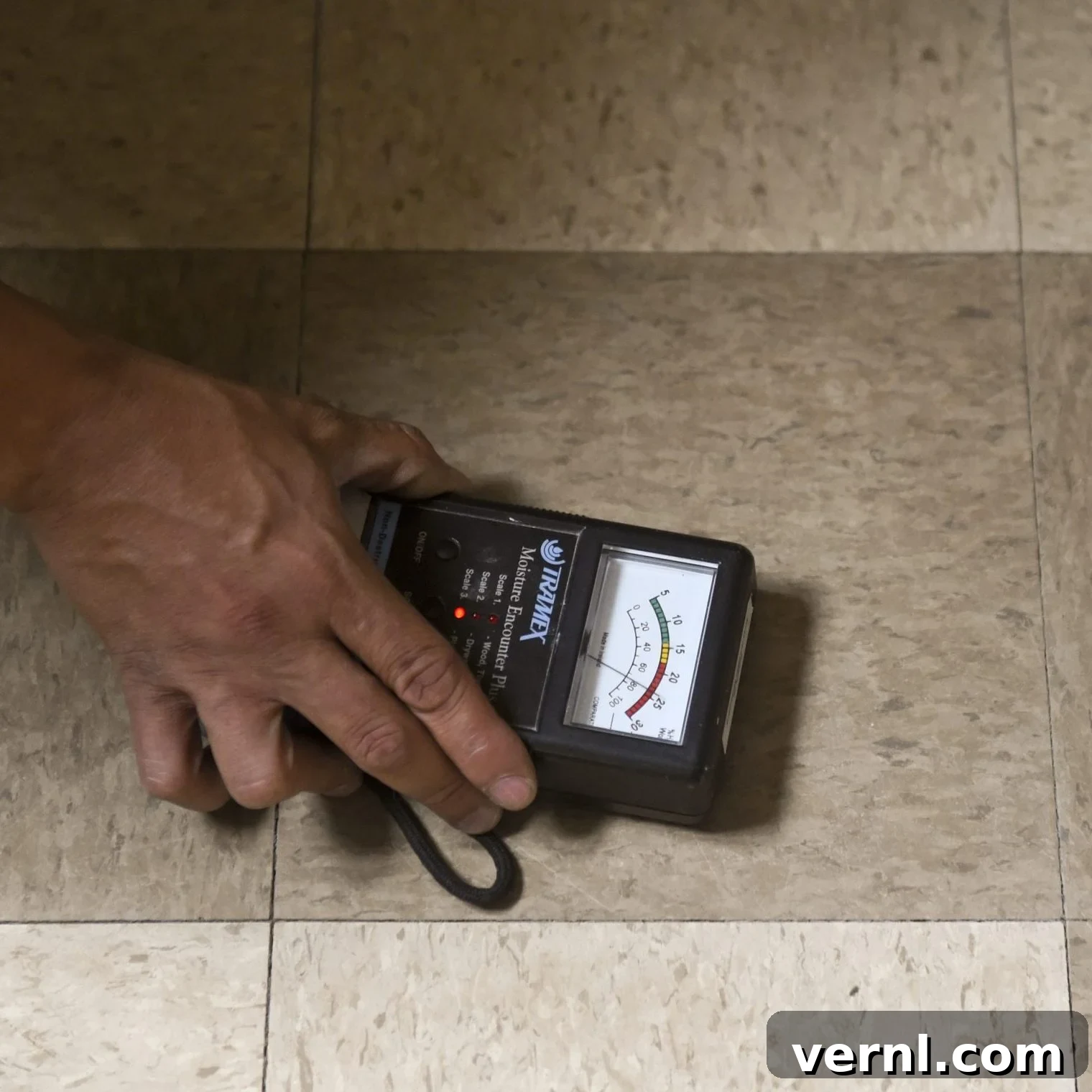
During the warmer months, both indoor and outdoor humidity levels tend to soar. Smeltzer advises that summer indoor relative humidity, including that in your basement, should ideally be less than 60%. Exceeding this threshold significantly increases the risk of mold growth and pest activity, along with creating an unpleasantly sticky environment. To effectively monitor these levels, inexpensive hygrometers are readily available at most hardware stores. Placing one in your basement allows you to keep track of humidity and take proactive measures, such as activating a dehumidifier, when levels rise.
Winter Basement Humidity: Preventing Dryness and Condensation
In contrast, winter presents a different set of challenges. Smeltzer recommends that indoor relative humidity during winter, including in the basement, should typically fall between 20% and 40%, though this can vary regionally. Colder climates, such as the Upper Midwest, naturally experience much lower outdoor humidity, which often translates to drier indoor air. While excessively high humidity is problematic, allowing levels to drop too low can also cause issues. Overly dry air can lead to static electricity, dry skin, irritated respiratory passages, and even cause wood furniture and structural elements to shrink, crack, or warp. More critically, when indoor air is too moist in winter relative to the cold outdoor temperatures, condensation can form on cold surfaces like windows and exterior walls, paving the way for mold growth despite the lower ambient humidity.
Actionable Strategies for Effective Basement Humidity Control
Achieving and maintaining ideal basement humidity levels is a multi-faceted task, requiring a combination of vigilance and strategic interventions. Kelly Smeltzer recommends a comprehensive approach to keep your basement cool, dry, and healthy throughout the year:
1. Eliminate Direct Water Sources
- Promptly Address Leaks and Spills: Even minor leaks from pipes, appliances, or foundation cracks can introduce significant moisture. Act quickly to repair leaks and mop up any spills within 24 to 48 hours. This swift action is crucial, as mold spores can begin to germinate and grow within this short timeframe when a moisture source is present.
- Utilize Sump Pumps Effectively: If your basement is prone to significant water infiltration, a reliable sump pump system is indispensable. Ensure your sump pump is correctly installed, regularly tested, and properly maintained to efficiently remove any accumulating groundwater from your basement.
- Ensure Proper Exterior Grading and Drainage: A critical preventative measure involves ensuring that the soil around your home’s foundation slopes away from the structure. This natural gradient directs rainwater and snowmelt away from basement walls, preventing water from pooling and seeping into the foundation. Additionally, ensure your gutters are clean and free-flowing, and that downspouts extend several feet away from the foundation to effectively channel water away.
- Seal Cracks and Gaps: Inspect your basement walls, windows, and doorways for any visible cracks or gaps. Sealing these openings with appropriate sealants like caulk or weatherstripping can significantly prevent moisture infiltration from the outside. For larger foundation cracks, professional repair may be necessary. Consider applying a waterproofing sealant to interior basement walls as an added barrier against seepage.
- Manage Indoor Plant Watering: While plants add beauty, overwatering them can contribute to indoor humidity. Ensure plants are watered judiciously, allowing the soil to dry slightly between waterings, and use saucers to catch excess water, preventing it from evaporating into the air.
- Deploy Chemical Absorbers: For small, localized problem areas or closets, inexpensive chemical moisture absorbers such as silica gel packets or calcium chloride desiccants can provide immediate, temporary relief by drawing moisture out of the air. These are not solutions for large-scale humidity problems but can be useful in conjunction with other methods.
- Regularly Monitor for Condensation: Be vigilant for signs of condensation on cold pipes, windows, or concrete surfaces. Visible condensation is a clear indicator that humidity levels are too high and the air is reaching its dew point. Promptly insulate cold water pipes to prevent condensation.
2. Enhance Ventilation and Air Circulation
Proper airflow is paramount in controlling basement humidity. Stagnant air allows moisture to settle and concentrate, creating damp, problematic zones.
- Install and Use Exhaust Fans: In basement bathrooms or utility rooms where moisture is generated (e.g., from showers or laundry), install efficient exhaust fans. Always run these fans for at least 30 to 60 minutes after showering or engaging in other moisture-producing activities to effectively vent humid air outdoors.
- Vent Appliances Externally: Ensure that clothes dryers, range hoods, and any other moisture-generating appliances are properly vented directly to the outside of your house. Recirculating vents or unvented appliances release humid air directly into your home, exacerbating moisture problems.
- Improve General Air Circulation: Use ceiling fans or portable fans to promote air movement throughout the basement. This helps to prevent pockets of stagnant, humid air and facilitates the even distribution of drier air, aiding in moisture evaporation. Avoid using standalone humidifiers in basements unless specifically advised for a particular purpose, as they add moisture.
3. Deploy Dehumidifiers Strategically
When mechanical intervention is necessary to regulate air moisture, a dehumidifier is your most potent tool. Proper selection, placement, and maintenance are key to its effectiveness.
- Correct Sizing is Critical: As mentioned, an undersized dehumidifier will struggle to effectively control humidity, while an oversized one can cycle too frequently, wasting energy and potentially wearing out prematurely. Consult sizing charts (like those in our FAQs) to match the dehumidifier’s capacity to your basement’s square footage and typical moisture levels.
- Strategic Placement: Position your dehumidifier in a central location within your basement, away from walls and obstructions. Ensure there is adequate clearance around the unit (at least 6-12 inches on all sides) to allow for optimal airflow and efficient moisture extraction.
- Regular Maintenance: For consistent performance, regularly clean the dehumidifier’s air filter to prevent dust buildup, which can impede efficiency and lead to higher energy consumption. If your unit has a collection tank, empty it frequently or consider models with continuous drainage capabilities that can be hooked up to a floor drain or a pump.
- Energy Efficiency: Opt for ENERGY STAR® certified dehumidifiers, which are designed to use less energy while removing the same amount of moisture, saving you money on utility bills.
Frequently Asked Questions About Basement Humidity
What is the best humidity level for a basement?
The ideal basement humidity level generally falls between 30% and 50% year-round, aligning with EPA recommendations for indoor air quality and mold prevention. However, this range can vary seasonally. In summer, it is crucial to keep humidity below 60% to actively prevent mold growth and inhibit dust mite activity, which thrive in warmer, humid conditions. During the colder winter months, a humidity level between 30-40% is typically recommended. In very cold climates, however, slightly lower levels, perhaps 20-30%, may be necessary to prevent excessive condensation from forming on windows, pipes, and exterior walls, which can lead to mold and structural damage.
Can high humidity damage my basement?
Absolutely, high humidity can inflict significant and far-reaching damage to your basement and, by extension, your entire home. Excessive moisture creates an environment highly conducive to mold growth, which can lead to wood rot in structural elements, rust and corrosion on metal fixtures, and the deterioration of drywall and insulation. Over time, persistent high humidity can even contribute to structural damage to your foundation, weakening materials and potentially leading to costly repairs. Beyond structural concerns, high humidity fosters the proliferation of dust mites, silverfish, and other pests, along with triggering or exacerbating allergies and asthma, severely impacting indoor air quality and the health of occupants.
What size dehumidifier is best for my basement?
Selecting the appropriate dehumidifier size is crucial for efficient and effective moisture control. The ideal capacity depends on your basement’s square footage and its typical level of dampness. As a general guideline for basements with moderately damp conditions:
- Up to 500 sq. ft.: A 10-pint (or 11-liter) dehumidifier is usually sufficient.
- 500–1,000 sq. ft.: Consider a 14-pint (or 16-liter) dehumidifier.
- 1,000–1,500 sq. ft.: An 18-pint (or 20-liter) dehumidifier is typically recommended.
- 1,500–2,000 sq. ft.: Opt for a 22-pint (or 25-liter) dehumidifier.
- 2,000–2,500 sq. ft.: A 26-pint (or 30-liter) dehumidifier will provide adequate coverage.
For significantly damp environments or areas with consistently high humidity levels, it is advisable to increase the capacity by approximately 10 pints (around 5 liters) to ensure optimal performance and quicker dehumidification. Features like automatic shutoff when the tank is full, programmable humidistats, and continuous drainage options can greatly enhance convenience and efficiency, reducing the need for frequent manual emptying.
How can I tell if my basement has a humidity problem?
Several clear indicators signal that your basement may be struggling with excessive humidity. Vigilance for these signs can help you address the problem before it escalates:
- Visible Condensation: Look for moisture beads or puddles on windows, cold water pipes, concrete walls, or other cool surfaces.
- Musty or Damp Odors: A persistent, earthy, or stale smell that lingers even after cleaning is a hallmark sign of mold or mildew growth, often fueled by high humidity.
- Visible Mold Growth: Spots of black, green, or white fuzzy growth on walls, ceilings, flooring, or stored items are unequivocal evidence of a serious moisture issue.
- Warping or Damage to Wood Elements: Wood floors, trim, or furniture that appears warped, bowed, or swollen indicates excessive moisture absorption.
- Peeling Paint or Wallpaper: High humidity can cause paint to bubble and peel from walls, or wallpaper to lift and detach.
- Rust on Metal Surfaces: Tools, appliances, or metal fixtures stored in a humid basement may show signs of rust or corrosion.
- Efflorescence: White, powdery mineral deposits appearing on concrete or masonry walls are a sign that water is seeping through the material and leaving mineral salts behind as it evaporates.
- Hygrometer Readings: A reading consistently above 60% on an inexpensive hygrometer is a definite red flag that your basement is too humid.
If you observe any of these symptoms, it is imperative to investigate and address the humidity issue promptly to prevent further damage and protect your indoor environment.
When should I seek professional help for basement moisture?
While many basement humidity issues can be tackled with DIY methods, certain situations warrant professional intervention. You should consider calling an expert if you encounter:
- Major Foundation Cracks: Large, structural cracks in your basement walls or floor that indicate potential foundation movement or serious water intrusion.
- Persistent Leaks: Chronic or severe water leaks that you cannot locate or effectively stop on your own.
- Widespread Mold Growth: If mold covers a large area (more than 10 square feet) or recurs despite your best cleaning efforts, professional mold remediation may be necessary.
- Sump Pump Failure: Repeated sump pump failures or the need for a new, robust drainage system.
- Structural Damage: Visible signs of wood rot in support beams, crumbling concrete, or other structural deterioration.
- Persistent High Humidity: Despite implementing recommended strategies, if your basement humidity consistently remains above ideal levels, a professional can identify underlying issues.
Experts specializing in basement waterproofing, foundation repair, or mold remediation can provide comprehensive assessments and implement durable solutions to protect your home.
Meet the Expert: Kelly Smeltzer
Kelly Smeltzer has dedicated over 10 years to public service within the Minnesota Department of Health’s Indoor Air Unit. In her role as Enforcement Coordinator, her responsibilities are multifaceted, encompassing vital public outreach and education initiatives focused on Indoor Air Quality (IAQ) concerns. She also conducts thorough inspections related to air quality laws and plays a crucial role in coordinating the unit’s enforcement activities, contributing significantly to healthier indoor environments for communities.
Sources & Further Reading
- Kelly Smeltzer: Indoor Air Unit Enforcement Coordinator, Minnesota Department of Health.
- Basement Systems, Inc.: Insights into relative humidity and its profound impact on basement environments.
- U.S. Environmental Protection Agency (EPA): Comprehensive guidelines on maintaining optimal indoor air quality, effective mold prevention strategies, and essential moisture control practices in residential homes.
- Relative Humidity and Its Impact on the Immune System and Infections: A scientific examination of how humidity levels affect respiratory health, the prevalence of allergies, and the overall immune system’s function.
- How to Choose the Right Size Dehumidifier: Practical guidance to help determine the appropriate dehumidifier capacity tailored for various basement sizes and moisture conditions.