Did you know that a single weed can produce an astonishing 100,000 to 200,000 seeds? Even more remarkably, these minuscule seeds can remain viable in the soil for up to 40 years, germinating every spring and fall without fail, ready to invade your landscape. This incredible tenacity makes weeds far more than just a minor annoyance for gardeners and homeowners.
The impact of weeds extends far beyond aesthetics. On an industrial scale, weeds can cost the agricultural industry billions of dollars annually due to lost crop yields, with additional billions spent on control efforts. While individual lawns and gardens may not face a billion-dollar problem, the persistent challenges posed by these invasive plants are the same. Fortunately, you can significantly reduce or even eliminate weeds in your winter lawn and garden by adopting a proactive, annual best-practice regimen. This comprehensive guide will equip you with the knowledge and strategies to maintain a healthy, weed-free environment throughout the colder months.
Before diving into general weed control, remember to explore these specialized tips for effectively managing weeds around pine trees, as these areas often require a nuanced approach.
Understanding Winter Weeds: Where and How They Thrive
Winter weeds are defined as undesired plant species that typically germinate in the fall, actively grow and produce seeds from late winter into early spring, and then either die off or enter a dormant state as summer temperatures rise. These adaptable invaders can establish themselves wherever soil is present, but they particularly favor certain conditions:
- Lawns, especially Sparse and Unhealthy Ones: A dense, healthy lawn naturally competes with weeds for sunlight, water, and nutrients. Conversely, thin, stressed, or poorly maintained lawns offer ample open space and weakened competition, creating an ideal environment for winter weeds to take root and flourish. Bare patches are particularly vulnerable.
- Areas with Historical Infestations: If you’ve battled weeds in a particular spot in previous years, it’s highly likely that a significant seed bank has accumulated in the soil. These dormant seeds are simply waiting for the right conditions to germinate, making these areas prime targets for recurring winter weed problems.
- Regions Experiencing Excessive Rainfall: Abundant moisture can wash away soil nutrients, create favorable germination conditions, and sometimes even spread weed seeds across a wider area. Saturated soils can also lead to weakened desirable plants, making them less competitive against robust weeds.
- Gardens and Lawns Where Equipment is Regularly Used: Tools such as lawn mowers, rototillers, and cultivators, while essential for maintenance, can inadvertently contribute to weed proliferation. Tilling brings dormant seeds to the soil surface where they can germinate, while mowers can chop up mature weeds and scatter their seeds or fragments (rhizomes, stolons) across your property, effectively spreading the infestation.
The Remarkable Survival Mechanisms of Winter Weeds
Plants earn the “weed” designation largely because of their extraordinary tenacity and resilience. This is particularly evident in winter weeds, which possess several built-in defense mechanisms that allow them to thrive even in challenging cold-weather conditions. Understanding these mechanisms is crucial for effective control.
Quiescence: The Waiting Game
Quiescence refers to a seed’s remarkable ability to enter a temporary vegetative state and patiently wait until all their specific environmental requirements for growth are met. These requirements can include a precise combination of light exposure, temperature fluctuations, moisture levels, and even the presence or absence of certain chemicals in the soil. Once these precise conditions are achieved, the internal biological clock of the seed automatically triggers its germination and growth cycle, ensuring it sprouts at the most opportune moment for survival.
Dormancy: A Strategic Pause for Optimal Establishment
Dormancy takes the concept of quiescence a step further by integrating a sophisticated biological instinct geared towards successful establishment and long-term survival. In a state of true dormancy, simply meeting the required external growing conditions doesn’t automatically trigger immediate development. Instead, an additional internal condition within the seed itself acts as an attenuating factor, delaying growth until the plant’s chances of surviving, establishing a strong root system, and ultimately reproducing are at their absolute peak. This could involve specific chilling periods, stratification, or scarification. It’s an astounding display of a complex biological process, and this strategic pause makes dormancy, by far, the most critical factor in the remarkable survival of winter weeds.
Resilient Root Systems: Anchors of Survival
Strong, well-developed root systems are another vital factor in helping certain winter weeds endure harsh conditions and resist eradication efforts. Different root types present unique challenges:
- Taproots: Many dicot winter weeds, such as dandelions and curly dock, develop large, deep taproots. These robust roots anchor the plant firmly in the soil, making manual uprooting difficult without specialized tools or significant effort. If even a small portion of the taproot remains in the ground, it can often sprout new growth, leading to recurring problems.
- Fibrous Roots: Grass weeds like annual bluegrass (Poa annua) typically have fibrous root systems. While not as deep as taproots, these dense, shallow root networks allow the plant to quickly absorb surface moisture and nutrients, and they can be incredibly tenacious, making them difficult to pull out completely without disturbing a large area of soil.
- Rhizomes: Some perennial winter weeds spread through underground stems called rhizomes. These horizontal stems can grow rapidly and aggressively, sprouting new plants at various points along their length. Weeds like quackgrass are notorious for their fast, lateral spread and their ease in sprouting new plants from even small, broken rhizome fragments, making complete eradication a significant challenge.
- Stolons: Similar to rhizomes, stolons are above-ground horizontal stems that produce new plants. While more common in summer weeds like creeping charlie, some perennial weeds can utilize stolon-like growth for rapid surface spread, enabling them to quickly colonize open ground.
Categorizing Common Winter Weeds for Effective Control
To effectively manage winter weeds, it’s essential to categorize them based on two primary characteristics: their structure (broadleaf or grass) and their life cycle (annual, perennial, or biennial). These classifications are critical because different types of weeds often require distinct control methods, especially when considering herbicide application.
Broadleaf vs. Grass Weeds
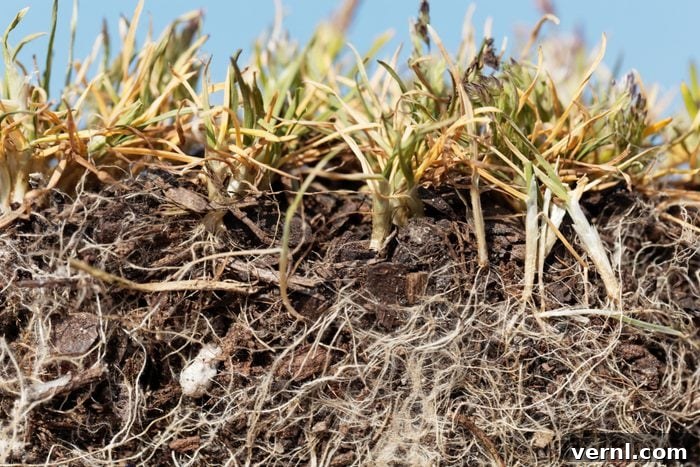
- Broadleaf Weeds: These weeds have distinct leaves that are generally wider and flatter than grass blades, often with a visible network of veins. They typically have a taproot or branched root system. Examples include dandelions, chickweed, and henbit. Broadleaf weeds are often easier to control in lawns because selective herbicides can target them without harming desirable turfgrasses.
- Grass Weeds: These weeds resemble desirable turfgrasses, possessing long, narrow blades and fibrous root systems. Distinguishing them from your lawn can be challenging, making their control more difficult, as many herbicides designed to kill grass weeds will also damage your lawn. Annual bluegrass is a prime example.
Life Cycles of Winter Weeds
- Annual Weeds: These weeds complete their entire life cycle – from seed germination to flowering, seed production, and death – within a single growing season. Winter annuals germinate in the fall, grow during winter, flower and set seed in spring, and then die as summer heat arrives. Controlling them before they set seed is crucial for preventing future infestations. Many of the more widespread broadleaf winter weeds are also annuals. Stellaria media (common chickweed), Lamium amplexicaule (henbit), Lamium purpureum (purple deadnettle), Cardamine hirsuta (hairy bittercress, also known as lamb’s cress), and Veronica arvensis (corn speedwell, commonly referred to as creeping Veronica) are the most widely seen examples across various regions.
- Biennial Weeds: These weeds complete their life cycle over two years. In the first year, they produce a rosette of leaves and develop a strong root system. In the second year, they bolt (send up a flower stalk), produce seeds, and then die. While less common as dedicated “winter weeds,” some broadleaf species can follow this pattern.
- Perennial Weeds: These weeds live for more than two years, often for many seasons. They can reproduce by seeds and also by vegetative means, such as rhizomes, stolons, or bulbs. Perennial weeds are typically the most challenging to control due to their persistent root systems that store energy, allowing them to regrow even after the top growth is removed or damaged. Linaria vulgaris (wild snapdragon), also known as toadflax or butter-and-eggs, is a resilient broadleaf winter weed that demonstrates perennial characteristics. Another ubiquitous and well-known winter broadleaf perennial is Taraxacum officinale (dandelion), famous for its deep taproot.
The Pervasive Annual Grass Weeds
Among the grass weeds, the most well-known and problematic annual is Poa annua (annual bluegrass). Its hard-to-kill nature, rapid seed production, and ability to thrive in cool, moist conditions make it a pervasive issue throughout the United States, often creating unsightly patches in otherwise pristine lawns.
Effective Strategies for Winter Weed Control
The most effective long-term strategy for controlling winter weeds, whether in your lawn or garden beds, is cultivating a healthy, dense, and vigorous environment. A robust lawn or garden provides natural competition against weeds for essential resources like sunlight, water, and nutrients. To achieve this, a comprehensive approach starting in the fall is crucial. These preventative steps are beneficial for both lawn and garden applications.
- Apply Safe, Pre-Emergent Herbicides: The timing is critical for pre-emergent herbicides. These products create a chemical barrier in the top layer of the soil, preventing weed seeds from germinating and developing. Apply them before winter weeds begin sprouting – typically in early to mid-fall, when soil temperatures drop below 70°F (21°C) – to effectively target the seeds of annual weeds and disrupt the root systems of emerging perennials. Always read product labels carefully for specific timing and application rates.
- Spot Treat or Manually Remove Existing Weeds: Before applying pre-emergents, it’s essential to address any weeds that have already germinated. Physically pull them out or use a post-emergent spot treatment on individual weeds to prevent them from maturing and producing seeds.
- Fertilize Appropriately: A well-nourished lawn and garden are better equipped to outcompete weeds. Apply a balanced fertilizer in the fall, tailored to your soil’s specific needs (a soil test can help determine this). This strengthens desirable plants, promotes root growth, and helps them form a dense canopy that shades out weed seeds.
- Apply Mulch Generously: Mulch is a gardener’s best friend in weed prevention. A thick layer (2-4 inches) of organic mulch – such as wood chips, shredded bark, or straw – applied to garden beds and around trees can effectively starve weed seeds of the sunlight they need to germinate. Mulch also acts as a physical barrier, making it difficult for any emerging weeds to break through the surface. Beyond weed suppression, mulch helps retain soil moisture, moderate soil temperatures, and improve soil health over time.
- Practice Targeted Watering: Indiscriminate or non-targeted watering, such as using overhead sprinklers that drench entire areas, often benefits weeds just as much, if not more, than your desired plants. Instead, implement drip irrigation in garden beds and use soaker hoses. This method delivers water directly to the root zones of your cultivated plants, conserving water and limiting the moisture available for weed growth. For lawns, water deeply and infrequently, encouraging deeper root growth for turfgrass.
- Limit Soil Disturbance (Digging and Tilling): While necessary for planting, excessive digging, tilling, or cultivating can bring dormant weed seeds from deeper soil layers to the surface, exposing them to light and ideal germination conditions. Practice minimal disturbance where possible, especially in areas prone to weed issues, to avoid awakening the dormant weed seed bank.
After implementing these preventative measures, it’s crucial to maintain vigilance. Inspect your garden and lawn regularly throughout the fall and winter to discover any new weed growth as early as possible. Remove or treat weeds the instant you notice them. Killing them before they have a chance to drop seeds is the single most effective way to prevent widespread infestations in years to come, breaking the cycle of weed reproduction.
When you encounter sprouted weeds, you generally have two primary options for removal or treatment:
Manual Removal: The Hands-On Approach
Manual removal is an excellent option for smaller infestations, weeds without deep taproots, or those that grow in relatively contained patterns. Weeds that are young and have not yet established an extensive root system are also good candidates for hand-pulling. The key to successful manual removal is ensuring all traces of the weed, especially the entire root system, are extracted from the soil. Take care to shake or disturb the weed as little as possible during removal to prevent scattering any mature seeds it might already carry. While you can certainly do this with your bare hands (wearing gloves is recommended), a quality hand tool makes the job much easier and more efficient, especially for weeds with slightly deeper roots.
For convenience and to protect your back, this stand-up weed removal tool is a highly recommended option. Its design allows you to extricate weeds slowly and carefully from a standing position, which is essential for getting the entire root. For closer work, I’ve always favored simple hand trowels with a serrated edge. Corona, a reputable manufacturer of excellent hand tools, offers several hand weeders. I personally use their transplanter as a hand weeder and appreciate its effectiveness in carefully digging out stubborn weeds.
Herbicide Application: Chemical and Natural Solutions
When manual removal isn’t feasible or for larger infestations, herbicides offer a powerful alternative. The best weed killer for your situation depends on several factors: the specific type of winter weed you’re targeting, the cultivated grass or plants in the affected area (e.g., turfgrass vs. garden vegetables), and your local climate conditions. It’s also worth noting that as some weeds can develop resistance to certain treatments over time, it’s often more effective to alternate between two different herbicides or active ingredients to maintain efficacy.
The Three Main Types of Herbicides
1. Chemical Herbicides: Targeted and Broad-Spectrum Solutions
Chemical herbicides are formulated to target specific types of plants or provide broad-spectrum control. Understanding the active ingredients is key to choosing the right product.
- For Broadleaf Weeds in Lawns: When dealing with broadleaf weeds in your turfgrass, look for products containing active ingredients such as triclopyr, dicamba, MCPP (mecoprop), or 2,4-D. These are selective herbicides, meaning they are designed to kill broadleaf weeds without causing significant harm to most cultivated lawn grasses. Many products, known as two-way or three-way herbicides, combine two or more of these active ingredients to provide a broader spectrum of broadleaf weed control.
- Bonide offers a powerful option for broadleaf weed control, featuring triclopyr and dicamba. Another popular and effective choice is a Fertilome product, which effectively utilizes a blend of 2,4-D and dicamba.
- For Grass Weeds in Lawns: Grass weeds, like annual bluegrass, present a more significant challenge within a cultivated lawn because they share similar biological characteristics with desirable turfgrass. This makes it difficult to treat them with a selective herbicide without also harming your lawn. If your lawn is completely dormant, or if you are planning to re-sod or reseed the area, you can opt for strong, non-selective herbicides. These products will kill almost any plant they come into contact with. Look for formulations containing diquat (a contact herbicide that works quickly) or glyphosate. Ortho’s GroundClear is an affordable example that contains diquat.
2. All-Natural Herbicides: Environmentally Conscious Choices
For those who prefer all-natural or organic weed control, several effective ingredients are available. These herbicides typically work as contact killers, scorching the top growth of plants. The most tried-and-true ingredients include:
- Vinegar (Acetic Acid): High concentrations of acetic acid (typically 5-20%) can quickly desiccate and kill weed foliage. Horticultural vinegar is much stronger than household vinegar.
- Sodium Chloride (Salt): Applied in solution, salt draws moisture out of plant cells, leading to dehydration. However, use with extreme caution as excessive salt can damage soil structure and prevent future plant growth.
- Soaps (Fatty Acids): Soaps act as surfactants, breaking down the waxy cuticle on plant leaves, which allows other ingredients to penetrate more effectively and also causes cellular disruption.
- Citric Acid: Similar to acetic acid, citric acid rapidly breaks down plant tissues.
- Essential Oils: Certain essential oils, like clove oil or d-limonene (from citrus), can also act as natural desiccants or phytotoxins.
You can purchase commercially prepared products that are already mixed, or concentrated products that require dilution with water. Alternatively, many enthusiasts enjoy mixing their own recipes at home using these ingredients. It is important to note that most all-natural or organic herbicides are non-selective, meaning they will damage or kill any plant they come into contact with, including your desirable lawn grasses or garden plants. Therefore, precise application is crucial. While harder to find, some all-natural selective herbicides are emerging in the market. A vinegar-based non-selective option that performs well is Natural Element’s Weed Killer. Another proven and effective all-natural non-selective herbicide is OrganicMatters’ proprietary blend, which combines vinegar, sodium chloride, clove oil, lemon juice, sodium lauryl sulfate, and water for rapid results.
3. Reduced-Risk Herbicides: Balancing Effectiveness and Safety
Thanks to advancements in green chemistry and innovative research, a third and increasingly popular option has emerged: reduced-risk herbicides. These products contain active ingredients like mesotrione and imazamox, which are designed to be highly effective against weeds while posing lower risks to humans, pets, and the environment compared to conventional herbicides. These advancements represent a significant step forward in sustainable pest management.
I have consistently liked and regularly recommend Tenacity. Tenacity was granted a reduced-risk status by the Environmental Protection Agency (EPA) because it utilizes mesotrione as its active ingredient. While it is highly effective and toxic to many kinds of weeds, especially annual bluegrass, it does not contain cancer-causing ingredients and has been deemed safe to use on lawns where children and pets play once it has dried. This makes it an excellent choice for homeowners seeking effective weed control with an emphasis on safety.
Beyond individual plant care, don’t forget to learn how to properly winterize your entire garden. This holistic approach ensures all aspects of your outdoor space are prepared for the colder months, further enhancing your weed control efforts and promoting a healthy garden for the next growing season.