
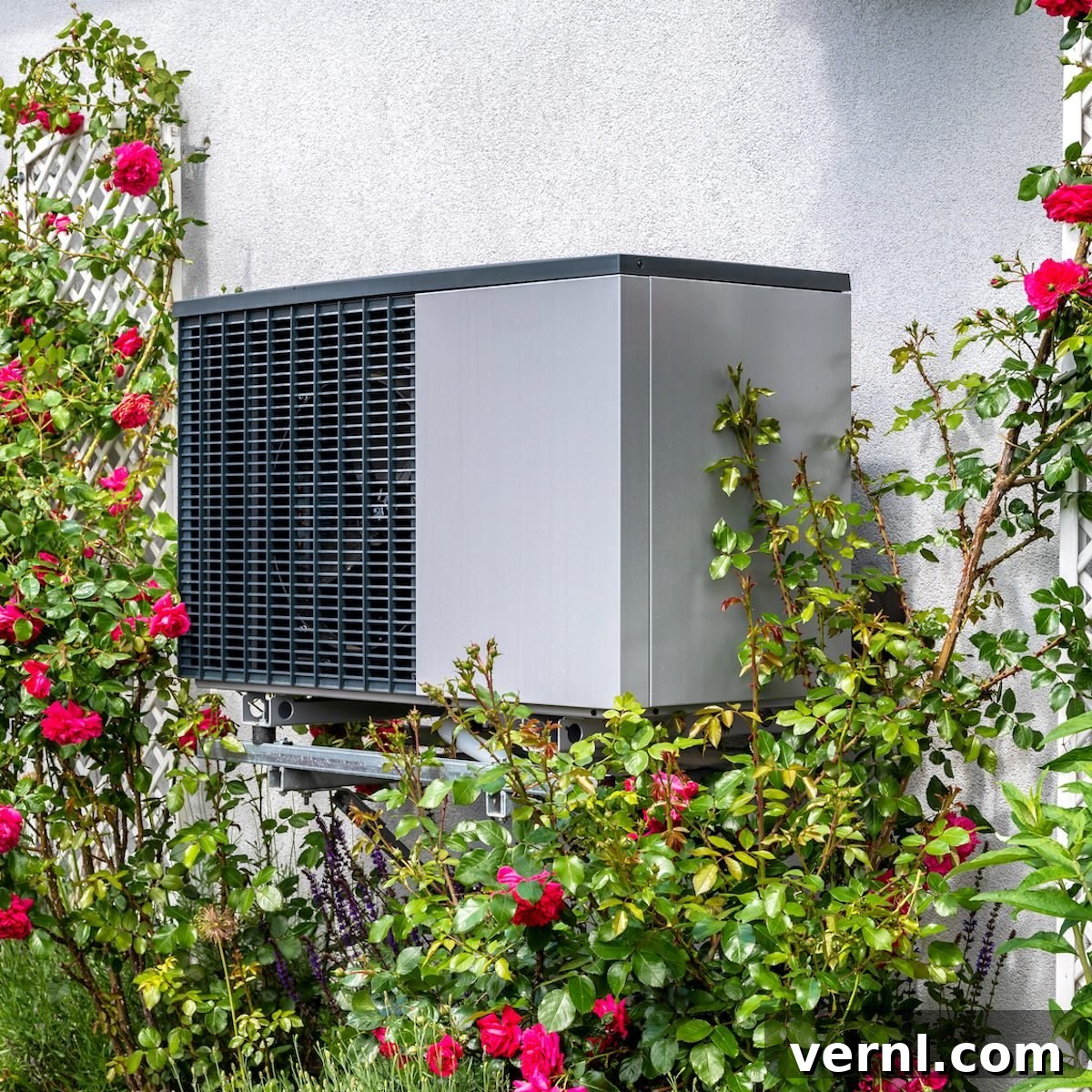
In an era increasingly defined by energy efficiency and environmental consciousness, understanding modern home climate control solutions is more crucial than ever. For many, the term “heat pump” might still be unfamiliar, but that’s rapidly changing. With progressive states like California announcing plans to phase out new gas furnaces as early as 2023, the spotlight is firmly on alternative, sustainable heating and cooling systems. Heat pumps, for instance, are revolutionary in their ability to use approximately 50 percent less energy than traditional electric resistance furnaces, a significant saving highlighted by the U.S. Department of Energy. This remarkable efficiency positions them as the most economical and environmentally friendly heating and cooling option for homeowners across California and beyond. While certain federal incentives designed to make heat pump system purchases and installations more budget-friendly may soon expire, there’s still a window of opportunity to capitalize on these valuable savings, making now the perfect moment to learn more about this transformative home appliance.
You might be wondering, what exactly is this home appliance that “pumps heat”? The underlying principle isn’t as complex or exotic as it sounds. Imagine turning your window air conditioner around: it would effectively function much like a basic heat pump, moving heat from inside to outside. However, a modern heat pump system is considerably more sophisticated, offering year-round climate control with unparalleled efficiency.
Understanding the Heat Pump System: A Modern HVAC Solution
At its core, a heat pump is an electrical appliance engineered to transfer thermal energy. Unlike conventional heating systems that generate heat through combustion (like furnaces) or direct electrical resistance, a heat pump simply moves existing heat from one place to another. In colder months, it extracts heat from the outdoors – even in chilly temperatures – and transfers it into your home. During warmer seasons, the process reverses, pulling heat from your indoor spaces and expelling it outside, effectively cooling your home.
A key feature of most contemporary heat pumps is the inclusion of a reversing valve. This ingenious component allows the system to seamlessly switch between heating and cooling modes, eliminating the need for separate heating and air conditioning units. The main operational components are a compressor, which circulates a specialized refrigerant through a closed loop of copper coils, and a fan that distributes the conditioned air throughout your living space. Typically, a complete heat pump system comprises two primary units: an outdoor unit housing the compressor and an indoor unit (often an air handler) that are interconnected by refrigerant-filled copper tubing passing through the building’s wall.
The Ingenious Mechanics: How a Heat Pump Works
The magic of a heat pump lies in its refrigeration system, which continuously circulates a refrigerant through a cycle of phase changes – from liquid to gas and back again. This cycle involves two crucial coils: the condenser coil and the evaporator coil, separated by an expansion valve. The process unfolds as follows:
The Heating Cycle (Winter Operation):
- Heat Extraction Outdoors: Even when the outside air feels cold, it still contains thermal energy. The outdoor unit’s evaporator coil absorbs this ambient heat, causing the circulating refrigerant inside to evaporate and turn into a low-pressure gas.
- Compression and Heating: This low-pressure gas then travels to the compressor, where it is pressurized. This compression significantly increases the refrigerant’s temperature and pressure.
- Heat Release Indoors: The hot, high-pressure gas then moves to the indoor unit’s condenser coil. Here, it releases its absorbed heat into the cooler indoor air, which is then circulated throughout your home by the fan. As the refrigerant cools down, it condenses back into a high-pressure liquid.
- Expansion and Repetition: The high-pressure liquid then passes through an expansion valve, which drastically reduces its pressure and temperature, preparing it to absorb more heat from the outdoors as it returns to the outdoor evaporator coil, restarting the cycle.
The Cooling Cycle (Summer Operation):
When operating in cooling mode, the reversing valve alters the flow of the refrigerant, essentially swapping the roles of the indoor and outdoor coils:
- Heat Absorption Indoors: The indoor coil now acts as the evaporator, absorbing heat from your home’s warm air. The refrigerant evaporates into a low-pressure gas as it absorbs this heat, cooling your indoor environment.
- Compression and Transport: The hot, low-pressure gas is compressed and then moves to the outdoor unit.
- Heat Rejection Outdoors: The outdoor coil now acts as the condenser, releasing the absorbed heat into the warmer outdoor air. As it cools, the refrigerant condenses back into a high-pressure liquid.
- Expansion and Repetition: The liquid passes through the expansion valve, its pressure drops, and it’s ready to absorb more heat from indoors, continuing the cooling cycle.
This continuous transfer of heat, rather than generating it directly, is precisely what makes heat pumps so remarkably energy-efficient and cost-effective.
Diverse Solutions: Types of Heat Pump Systems
Heat pumps come in various configurations, primarily categorized by the medium from which they exchange heat and their size and application.
Categorization by Heat Source/Sink:
- Air-Source Heat Pumps: These are the most common type and extract heat from the surrounding outdoor air in winter and reject heat to the outdoor air in summer. They are relatively inexpensive to install and are highly efficient in moderate climates. However, their performance can diminish in extremely cold temperatures, although modern cold-climate models are significantly improving.
- Ground-Source (Geothermal) Heat Pumps: Also known as geothermal heat pumps, these systems harness the stable temperatures found deep underground. The earth maintains a relatively constant temperature year-round (typically between 45°F and 75°F), making geothermal systems incredibly efficient regardless of extreme outdoor air temperatures. While their initial installation cost is higher due to the need for underground loop systems, they offer superior efficiency, lower operating costs, and a much longer lifespan for the underground components.
- Water-Source Heat Pumps: Similar to ground-source systems, these pumps extract or reject heat to a nearby body of water, such as a pond or lake, provided one is accessible and suitable for such an application. They capitalize on water’s stable thermal properties for highly efficient operation, but are less common due to site-specific requirements.
Categorization by Size and Distribution:
- Whole-House Units (Centralized Systems): These powerful units are designed to replace traditional furnaces and air conditioners in homes with existing ductwork. The indoor condenser coil is typically mounted within an air handler, which also houses a blower fan to circulate conditioned air throughout the entire house via the duct system. They provide comprehensive heating and cooling for the entire dwelling.
- Ductless Mini-Splits: Ideal for homes without existing ductwork, new additions, or for creating zoned heating and cooling, ductless mini-splits consist of one or more wall-mounted indoor units, each with its own fan, connected to a single outdoor compressor unit. Each indoor unit can control the temperature in a specific room or zone, offering incredible flexibility and energy savings by only conditioning occupied spaces. Multi-zone mini-split systems can connect up to eight or nine indoor units to a single outdoor compressor, providing customized climate control for multiple areas of a home.
The Profound Environmental Benefits of Heat Pumps
Beyond their economic advantages, heat pumps offer substantial environmental benefits, making them a cornerstone of sustainable living and a critical tool in combating climate change. As HVAC expert Brooke Greenwood emphasizes, “Heat pumps don’t rely on fossil fuels for heating and cooling, so they are considered a greener solution than gas furnaces or traditional air conditioners.” This fundamental difference leads to:
- Reduced Carbon Emissions: By moving heat rather than generating it from fossil fuels, heat pumps significantly lower greenhouse gas emissions associated with home comfort. When powered by renewable electricity sources, their carbon footprint approaches zero, aligning perfectly with global efforts to decarbonize the energy sector.
- Lower Energy Consumption: As previously noted, heat pumps are incredibly efficient, requiring less energy input to deliver the desired heating or cooling output. This translates directly to reduced demand on power grids and a more sustainable energy ecosystem.
- Improved Indoor Air Quality: Unlike combustion-based furnaces that can produce byproducts like carbon monoxide, heat pumps do not burn fuel inside your home, leading to cleaner, healthier indoor air quality.
Kathy Hannun, co-founder of geothermal heat pump company Dandelion Energy, further elaborates on the superior environmental performance of geothermal systems: “Because it taps into the year-round thermal energy stored in the ground, a geothermal heat pump is among the most energy-efficient, cost-effective home comfort systems available today.” While acknowledging the value of air-source pumps, she notes, “Air-source heat pumps are a great improvement over gas or oil furnaces and can offer excellent efficiency in moderate climates. However, their performance can drop in very cold weather, whereas geothermal heat pumps maintain high efficiency regardless of outdoor temperature.” This highlights the diverse applications and benefits across different heat pump types, all contributing to a cleaner future.
The Growing Adoption of Heat Pumps Across Regions
Historically, heat pump adoption has shown distinct geographical patterns. Data from the National Association of Home Builders indicates that heat pumps are particularly prevalent in the East South Central and South Atlantic states, where 75% to 77% of homes utilize them. In contrast, they are found in only about 20% of homes in the West South Central states and have traditionally been less common in Northern states. The primary reason for this disparity has been the colder air temperatures in Northern regions, which posed challenges for early air-source heat pump models, coupled with the higher installation costs of ground- or water-source systems.
However, this landscape is far from static. Significant advancements in heat pump technology are rapidly changing these trends. Manufacturers are continually developing more efficient models specifically designed to perform optimally even in very cold climates. Innovations like variable-speed compressors and enhanced refrigerants allow these “cold-climate heat pumps” to maintain efficiency down to temperatures well below freezing. Furthermore, heat pump units can be equipped with auxiliary resistive heaters. These supplemental heaters automatically activate on the coldest days, providing an extra boost of warmth when the heat pump’s capacity might be slightly reduced, ensuring consistent comfort regardless of the outdoor temperature. With increasing awareness, technological improvements, and robust incentive programs, heat pump adoption is now on the rise across all climate zones.
Navigating the Purchase: Key Considerations When Buying a Heat Pump
Choosing the right heat pump system for your home involves understanding a few critical characteristics to ensure optimal performance, efficiency, and comfort. The most important factors to consider are the system’s heating and cooling capacity and its energy efficiency ratings.
Capacity and Sizing:
The capacity of a heat pump, which dictates its ability to heat or cool a space, is measured in British Thermal Units (Btus) or “tons,” where one ton equals 12,000 Btus. While common rules of thumb exist (e.g., 30 Btus per square foot of floor space, or dividing total floor area by 500 to determine tons), these are merely starting points. It is absolutely crucial for a qualified HVAC contractor to perform a detailed load calculation for your specific house. This professional assessment considers numerous factors, including your home’s square footage, ceiling height, insulation levels, window types and orientation, local climate, and airtightness. Accurate sizing prevents common problems: an undersized unit won’t keep your home comfortable on extreme days, while an oversized unit will “short-cycle” (turn on and off too frequently), leading to inefficient operation, higher energy bills, and reduced dehumidification in cooling mode.
Energy Efficiency Ratings:
The energy efficiency of a heat pump is measured by several ratings:
- SEER (Seasonal Energy Efficiency Ratio): Primarily measures cooling efficiency. SEER numbers typically range from 13 (the minimum allowed in many regions) to 21 or 22 (for high-efficiency units). A higher SEER indicates greater efficiency and lower operating costs during the cooling season.
- HSPF (Heating Seasonal Performance Factor): This rating specifically measures heating efficiency. A higher HSPF means the unit consumes less electricity to produce heat during the heating season.
- EER (Energy Efficiency Ratio): Measures cooling efficiency at a single outdoor temperature (95°F), useful for comparing performance under peak load conditions.
While a higher SEER/HSPF number signifies greater energy savings, these units often come with a higher upfront cost and may incorporate more advanced components. For homes in moderate climates, a system with a 16 SEER and a corresponding HSPF often provides an excellent balance of cost and performance. In colder climates or for homeowners prioritizing maximum energy savings, investing in a unit with a higher SEER/HSPF is generally advisable. You can estimate a unit’s energy usage and monthly cost by calculating its output (Btus) against its efficiency ratings, then multiplying by your local electricity rate to get an approximate cost in watts per hour.
Capitalizing on Incentives: Making Heat Pumps More Affordable
While the landscape of energy incentives is constantly evolving, and some federal programs may see changes after legislative timelines, it’s important to understand that significant financial support for heat pump installation remains available. As Brooke Greenwood advises, “You’ll want to act soon to ensure that you don’t miss out on some key savings.” These incentives are designed to offset the initial investment, making heat pump technology accessible to more homeowners and accelerating the transition to cleaner energy.
Key federal credits, though with impending expiration dates, still offer substantial savings:
- Section 25C (Energy Efficient Home Improvement Credit) and Section 25D (Residential Clean Energy Credit) are currently set to expire for projects placed into service after December 31, 2025.
- Section 45L (New Energy Efficient Home Credit) will expire for homes purchased after June 30, 2026.
Beyond federal programs, a wealth of state, local, and utility-specific incentives can further reduce costs. “Consumers,” says Greenwood, “can find a complete list of rebates and incentives available on Carrier’s website, and some utility companies run rebates for switching to an electric unit, so be sure to ask your local dealer about that as well.” It’s highly recommended to consult with your HVAC contractor, who can often guide you through available programs, or to research resources like the Department of Energy’s Database of State Incentives for Renewables & Efficiency (DSIRE). Acting quickly and thoroughly investigating all potential rebates and tax credits can dramatically improve the return on investment for your heat pump system.
The Installation Process: Professional vs. DIY
The installation of a heat pump system is a critical step that directly impacts its performance, efficiency, and longevity. While some specific mini-split units, like the Mr. Cool DIY series, are marketed for homeowner installation, most heat pump systems require professional expertise. For optimal results, system validation, and to ensure warranty coverage, hiring a licensed HVAC technician is strongly recommended.
The installation process typically involves several key stages:
- Outdoor Unit Placement: The outdoor compressor unit is usually mounted on a concrete pad or footers. This ensures it remains stable, level, and elevated above ground to protect it from moisture, snow, and debris, which could impede airflow or cause damage. Proper clearance around the unit is also essential for efficient operation.
- Indoor Unit Installation: For whole-house systems, the indoor unit (air handler with condenser coil) is installed within your existing ductwork. For ductless mini-splits, one or more indoor units are mounted on walls, recessed into ceilings, or placed on floors in individual rooms. Each indoor unit requires a clear path for refrigerant lines and electrical wiring.
- Connecting the Units: The indoor and outdoor units are connected by refrigeration-grade copper tubing, through which the refrigerant circulates, and by electrical wires that supply power and control signals. These lines pass through a small, sealed opening in the building’s wall.
- Condensate Drainage: Because most heat pumps also function as air conditioners, they produce condensate (water) when operating in cooling mode. A drainage tube is installed to safely channel this water away from the indoor coil, preventing leaks and potential water damage.
- System Commissioning: After physical installation, a licensed technician will vacuum the refrigerant lines to remove any air and moisture, charge the system with the correct amount of refrigerant, verify electrical connections, and thoroughly test the system to ensure it’s operating correctly and efficiently in both heating and cooling modes.
Professional installation ensures that complex procedures, such as refrigerant handling and electrical wiring, are performed safely and in compliance with local codes, maximizing your system’s performance and safeguarding your investment.
Ensuring Longevity: Essential Heat Pump Maintenance
Regular maintenance is crucial for ensuring your heat pump system operates at peak efficiency, prolongs its lifespan, and prevents costly breakdowns. Both the indoor and outdoor units require routine care throughout the year.
Routine Homeowner Maintenance:
- Air Filter Replacement: This is arguably the most critical and easiest maintenance task. Clogged filters restrict airflow, reduce efficiency, and can strain the system. Check filters monthly and replace them every 1 to 3 months, or as recommended by the manufacturer, especially during periods of heavy use.
- Clear Outdoor Unit: Regularly inspect the outdoor unit and keep it free from obstructions such as leaves, grass clippings, snow, ice, and other debris. Ensure at least a two-foot clearance around the unit to allow for unrestricted airflow.
- Clean Coils: While professional cleaning is more thorough, you can gently brush away surface dirt from the outdoor coil fins. For indoor coils, ensure filters are clean to prevent dust buildup.
- Monitor Drain Line: Periodically check the condensate drain line for blockages (often caused by algae). A clogged drain can lead to water overflow and damage.
- De-icing: If you notice ice buildup on the outdoor evaporator coil in winter or the indoor coil in summer (which indicates a problem), turn off the power to the unit and allow the ice to melt naturally. Never attempt to scrape off ice, as this can severely damage the delicate coils.
Annual Professional Tune-Ups:
In addition to homeowner tasks, schedule a professional HVAC technician for an annual tune-up. During this comprehensive service, they will:
- Inspect and clean coils more thoroughly.
- Check refrigerant levels and pressures.
- Lubricate moving parts (if applicable).
- Inspect electrical connections and components.
- Verify thermostat accuracy.
- Examine ductwork for leaks (for central systems).
- Test the reversing valve and defrost cycle.
- Ensure overall system operation is safe and efficient.
Proactive maintenance not only keeps your energy bills low but also helps identify and address minor issues before they escalate into major, expensive repairs.
Frequently Asked Questions About Heat Pumps
How long does a heat pump last?
The lifespan of a heat pump can vary significantly based on the type of system and maintenance. According to Kathy Hannun, air-source heat pumps generally last 10 to 15 years. However, geothermal systems boast much greater longevity, with indoor units typically lasting 20 to 25 years and the underground loops often lasting 50 years or even more. Hannun notes, “The durability and lower maintenance needs of geothermal systems make them a strong long-term investment.”
Do heat pumps need ducts?
The answer is both yes and no. If you’re replacing an existing furnace with a whole-house heat pump, you can utilize your home’s existing ductwork to circulate conditioned air throughout the house. This makes for a seamless upgrade. However, if your house doesn’t have ducts, you do not necessarily need to install them. Ductless mini-split systems are specifically designed for homes without ductwork. These systems feature wall-mounted units with their own fans, each controlling a single room or zone, connected to the outdoor compressor by refrigerant hoses and electrical wires, eliminating the need for extensive duct installations.
Are heat pumps noisy?
Modern heat pumps are generally much quieter than older models and traditional air conditioners. The outdoor unit’s noise level is comparable to that of a refrigerator, often between 45 to 60 decibels. Indoor units are typically very quiet, especially ductless mini-splits with variable-speed fans that can operate at low settings. Proper installation, including sound-dampening pads for the outdoor unit, can further minimize noise.
Can heat pumps work in very cold climates?
Absolutely. While older air-source models struggled in extremely low temperatures, significant technological advancements have led to the development of “cold-climate heat pumps.” These units are designed to operate efficiently at temperatures well below freezing (e.g., down to -15°F or even -25°F) using enhanced compressors and refrigerants. Many systems also include auxiliary electric resistance heaters that can provide supplemental warmth on the absolute coldest days, ensuring continuous comfort.
What is the typical ROI for a heat pump?
The Return on Investment (ROI) for a heat pump varies based on factors like the type of heat pump, local energy prices, installation costs, and available incentives. However, due to significant energy savings (often 30-70% compared to traditional systems), many homeowners see a payback period of 5-10 years, particularly with the aid of rebates and tax credits. Geothermal systems, while having a higher upfront cost, often boast the highest long-term ROI due to their superior efficiency and longevity.
How much does a heat pump system cost (unit and installation)?
The cost of a heat pump system, including the unit and professional installation, can range widely. Air-source heat pump systems typically cost between $4,000 and $10,000 for the unit and installation, depending on the size, efficiency, and complexity of the job. Ductless mini-split systems for a single zone might start around $2,000-$5,000, while multi-zone systems can range from $6,000 to $15,000+. Geothermal heat pump systems represent a more significant investment, often ranging from $20,000 to $45,000 or more, largely due to the extensive ground loop installation. However, the higher efficiency and longer lifespan of geothermal systems often lead to the lowest operating costs over time.
About the Experts
- Brooke Greenwood brings over two decades of invaluable experience in the heating and cooling industry. She currently serves as the Director of Product Management at Carrier, a global leader in HVAC solutions.
- Kathy Hannun is the visionary co-founder and President at Dandelion Energy, a pioneering company that spun out of Alphabet’s innovation Lab, X. Dandelion Energy is recognized as the nation’s leading home geothermal company, dedicated to making renewable heating and cooling accessible.
Sources
- U.S. Department of Energy: Heat Pump Systems; (Accessed 2025)
- National Association of Home Builders: Which Heating and Cooling Systems are Most Common for New Homes?; (Published 2021)
More About Heat Pumps and Home Comfort
Heat pumps offer a highly efficient and environmentally friendly way to heat and cool your home by simply transferring thermal energy. Understanding their mechanisms and benefits can empower you to make an informed decision for your household’s climate control needs. Explore more resources to deepen your knowledge:
- How to Buy a Heat Pump
- Stay Warm This Winter: Why the Emergency Heat Setting Matters
- Everything You Need to Know About Geothermal Heat Pumps
- What to Know About Types of Baseboard Heaters
- The Pros and Cons of Geothermal Heat Pumps
- Lasko All-Season High-Velocity Hybrid Fan and Heater: We Tried It