
Silverfish Invasion: Your Ultimate Guide to Identification, Prevention, and Eradication
Imagine this: you’re heading to the kitchen for a quiet, late-night snack, reaching for a box of cereal, when suddenly a bizarre, fast-moving insect darts out. With its distinctive antennae and rapid legs, it’s enough to send a shiver down your spine and have you questioning your midnight cravings. This isn’t a bonus toy in your cereal; it’s most likely a silverfish.
These ancient, wingless insects thrive in dark, secluded spaces, gorging on sugars and organic materials like the cardboard of a cereal box. This makes your pantry, and indeed many other areas of your home, an ideal habitat. Silverfish could be lurking in your attic, beneath your sink, or even within your treasured books right now. Understanding how to identify these elusive pests and implement effective control measures is crucial for protecting your home and belongings from their surprisingly destructive appetites.
What Exactly is a Silverfish?
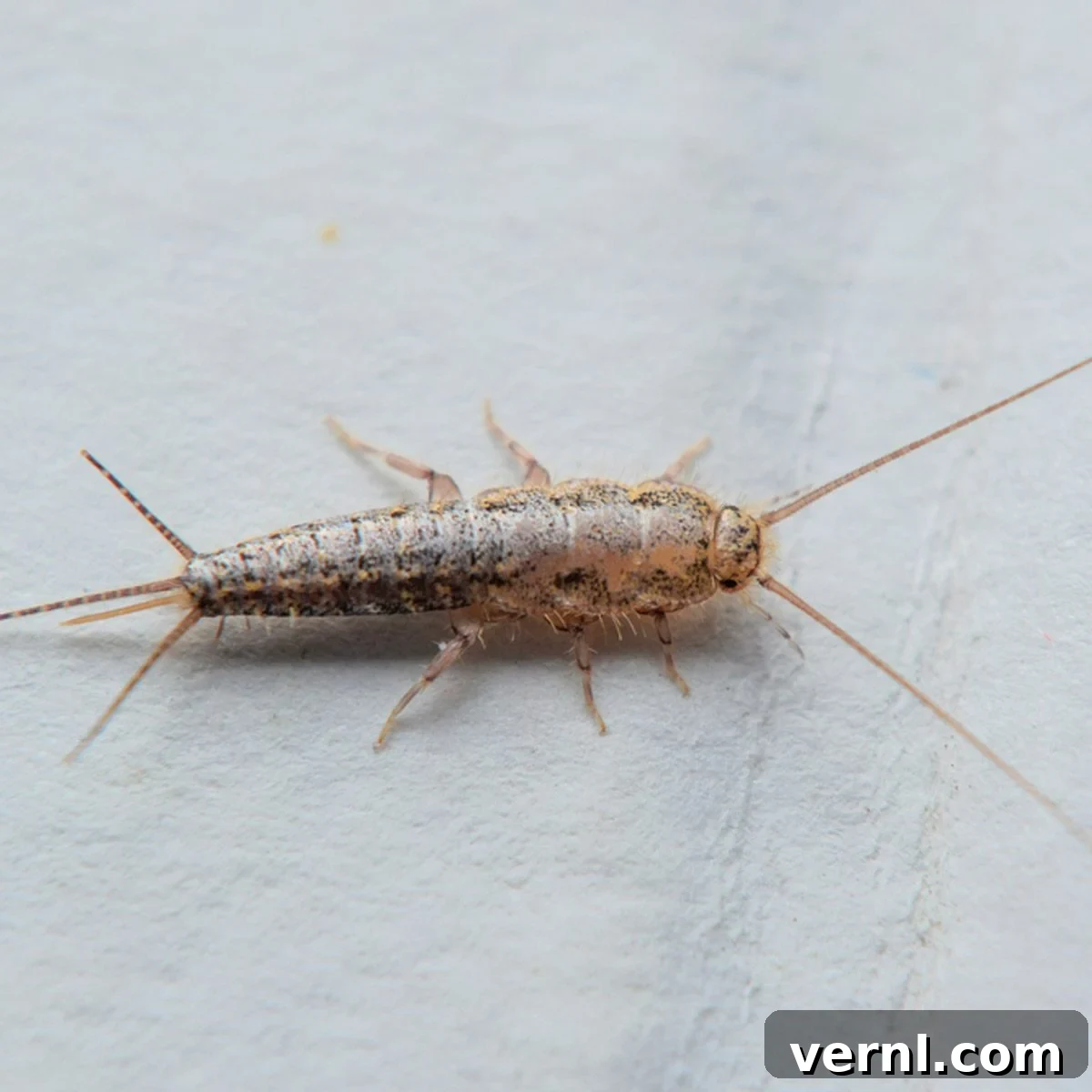
Silverfish (scientific name: Lepisma saccharina) are fascinating yet frustrating creatures, often considered among the oldest insects on Earth, with origins dating back hundreds of millions of years. They are easily recognizable by their unique appearance: a tear-drop or fish-like body shape, typically growing between one-half to one inch long. Their bodies are covered in silvery-gray scales, giving them a metallic, shimmering appearance reminiscent of a fish, hence their common name. They possess two long antennae at the head and three bristle-like appendages (two cerci and one median caudal filament) extending from their rear, contributing to their distinctive silhouette. Unlike many other pests, silverfish are wingless but are incredibly swift movers, darting away quickly when disturbed.
Silverfish Behavior and Habitat Preferences
These nocturnal insects prefer to operate under the cloak of darkness, making them difficult to spot during the day. They are exceptionally sensitive to light and will scurry to hide when exposed. Silverfish are drawn to environments with high humidity and moderate temperatures, typically between 70-80 degrees Fahrenheit. This explains their common presence in damp, quiet, and undisturbed areas of a home. As Danielle Restuccia, Division Technical Services Manager for Orkin’s Northeast Division, observes, “Silverfish are found in dark, damp quiet parts of the home. They’re most commonly spotted in basements, attics, bathrooms, kitchens, garages and storage areas like closets.” These areas provide the perfect storm of moisture, darkness, and ample food sources that silverfish require to thrive.
What Do Silverfish Eat? Understanding Their Destructive Diet
The diet of a silverfish is predominantly carbohydrates and starches, particularly polysaccharides. This broad category includes a surprising array of household items, making them significant pests. They have a particular fondness for cellulose, which is abundant in paper products. Their destructive feasting targets include:
- Books, Magazines, and Documents: They chew on bindings, pages, and photographs, often leaving irregular holes, etchings, or yellowish stains. Heirloom books and important paperwork are particularly vulnerable.
- Wallpaper: They consume the starchy glues and paper backing, leading to damage and peeling.
- Fabrics: Cotton, linen, rayon, silk, and even synthetic fibers can be damaged, especially if starched or stored for long periods. They may chew holes in clothing, upholstery, and carpets.
- Food Items: Dry goods like cereal, flour, oats, pasta, and pet food are common targets. They can contaminate food storage areas.
- Other Organic Materials: This includes insulation, old newspapers, cardboard boxes, glue, sugar, and even dead insects or their own shed skins.
The damage caused by silverfish may start subtly, but over time, it can lead to significant aesthetic and structural harm to valuable household items. Their habit of continuously molting throughout their adult lives means they can live for several years, causing cumulative damage.
Are Silverfish a Threat to Human Health?
Despite their unsettling appearance and destructive habits, it’s important to note that silverfish are not considered a direct threat to human or animal health. They are not known to bite humans or pets, nor do they transmit diseases or carry pathogens. Their primary impact is on property. However, their presence can trigger allergies in some sensitive individuals, especially if large populations lead to a significant accumulation of shed skins.
Recognizing the Signs of a Silverfish Infestation
Early detection is key to managing a silverfish problem effectively. Since these pests are nocturnal and elusive, it’s important to look for indirect signs of their presence.
Visible Sightings
The most obvious sign is seeing the insects themselves. If you turn on a light in a dark room (like a bathroom or basement) and see silverfish scurrying away, or if you disturb items in a closet or pantry and they come flying out, it’s a clear indicator. Seeing them during the day suggests a significant infestation, as they usually prefer to remain hidden.
Noteworthy Damage to Belongings
Inspect susceptible items for signs of feeding. Look for irregular holes, chewed edges, surface etchings, or scrapes on books, papers, wallpaper, and clothing. Bookshelves, forgotten boxes in the attic, or stored garments are prime places to check. The damage might resemble a silvery, scraped appearance on paper or fabric.
Shed Skins and Droppings
Silverfish continuously shed their exoskeletons throughout their lives, a process called molting. Finding these translucent, scale-like shed skins in cracks, crevices, or near damaged items is a strong indicator of an active infestation. They also leave behind small, pepper-like droppings that resemble fine dust or black pepper flakes, often found in drawers, cupboards, or on shelves.
Yellowish Stains
In addition to physical damage, silverfish can leave behind yellowish stains on fabrics, paper, or other materials. These stains are caused by their excretions and can be a subtle but definitive sign of their presence, especially in areas where they have been active for some time.
Effective Strategies to Get Rid of Silverfish
Combating a silverfish infestation requires a multi-pronged approach, focusing on environmental control, sanitation, and direct treatment.
1. Eliminate Food Sources and Practice Superior Sanitation
Silverfish are constantly on the hunt for food. Limiting their access is a critical first step:
- Airtight Food Storage: Transfer dry goods like cereals, flour, sugar, pasta, and pet food from their original cardboard or paper packaging into sturdy, airtight containers made of plastic or glass.
- Regular Cleaning: Vacuum floors, carpets, and upholstery frequently to remove crumbs, food debris, and shed insect scales. Pay special attention to hidden corners, cracks, and under furniture.
- Kitchen Hygiene: Wipe down counters and clean up spills immediately. Avoid leaving dirty dishes out overnight.
- Manage Pet Food: Store pet food in sealed containers and clean pet feeding areas regularly.
2. Control Moisture and Humidity
Humidity is a silverfish’s best friend. Reducing moisture levels throughout your home makes it far less hospitable for them:
- Dehumidifiers: Place dehumidifiers in damp areas like basements, attics, and crawl spaces. Aim to keep humidity levels below 50-60%.
- Fix Leaks: Promptly repair any leaky pipes, faucets, or roof leaks. Even small drips can create attractive moist environments.
- Improve Ventilation: Ensure proper ventilation in bathrooms, kitchens, and laundry rooms. Use exhaust fans during and after showering or cooking. Open windows when possible to air out damp areas.
- Clear Gutters: Keep rain gutters clean and ensure they divert water away from your home’s foundation to prevent moisture accumulation around the perimeter.
3. Seal Entry Points and Harborages
Preventing silverfish from entering and hiding within your home is crucial:
- Caulk Cracks and Gaps: Seal cracks and crevices in foundations, walls, and around baseboards. Pay attention to gaps around pipes, electrical outlets, and utility entry points.
- Weatherstripping and Door Sweeps: Install weatherstripping around windows and doors, and use door sweeps to seal gaps at the bottom of exterior doors.
- Repair Screens: Ensure window and door screens are in good repair to prevent insect entry.
- Address Wall and Ceiling Gaps: Seal any openings between walls and ceilings, especially in older homes.
4. Declutter and Organize Storage Areas
Clutter provides ideal hiding spots and food sources for silverfish:
- Reduce Paper Clutter: Recycle old newspapers, magazines, and cardboard boxes regularly. Avoid storing large stacks of paper in attics, basements, or garages.
- Use Plastic Bins: Store items in durable, airtight plastic containers rather than cardboard boxes, especially in areas prone to dampness.
- Elevate Stored Items: Keep boxes and other stored goods off the floor on shelves to improve air circulation and make cleaning easier.
- Rotate and Inspect: Periodically rotate and inspect stored items, especially clothing, books, and seasonal decorations, to check for signs of silverfish activity.
5. Consider Natural and DIY Solutions
For minor infestations, some natural methods can be effective:
- Diatomaceous Earth (DE): Food-grade DE is a natural desiccant. Sprinkle a thin layer in cracks, crevices, and other suspected silverfish hiding spots. The sharp particles abrade the insect’s exoskeleton, leading to dehydration and death. Always wear a mask during application and keep it away from pets and children.
- Sticky Traps: Commercial sticky traps can be placed in areas of high activity to monitor and catch silverfish.
- Cedar Shavings: While not a direct killer, cedar oil and shavings are often cited as natural insect repellents. Placing them in closets or drawers might deter some pests, but they are less effective than moisture control or DE.
When to Call a Professional Pest Control Service
If despite your best efforts, the silverfish infestation persists or grows, it’s time to consult with pest control professionals. They have the expertise, specialized tools, and more potent treatments to effectively eradicate large or stubborn infestations. A professional can accurately identify the scope of the problem, pinpoint hidden harborages, and implement targeted solutions that are safe for your home and family. Whether it’s silverfish, cockroaches, or something else entirely, remember that persistent pests often require expert intervention. Here’s the ultimate guide to dealing with ants, mice, and other pesky pests for more comprehensive advice.
Preventing Future Silverfish Infestations
Long-term prevention is about maintaining an environment that is unattractive to silverfish. This involves consistent application of the strategies outlined above:
- Regular Inspections: Periodically inspect vulnerable areas like attics, basements, and storage closets for any signs of silverfish activity.
- Maintain Low Humidity: Continue to monitor and control humidity levels, especially during humid seasons.
- Stay Organized: Keep clutter to a minimum and use appropriate storage solutions.
- Prompt Repairs: Address any new leaks or structural damage quickly to prevent moisture from becoming an issue.
Conclusion
While encountering a silverfish can be startling, understanding these ancient pests is the first step toward reclaiming your home. They may not pose a direct health risk, but their destructive feeding habits can wreak havoc on cherished belongings and structural elements of your property. By implementing diligent sanitation, rigorous moisture control, thorough sealing of entry points, and smart storage practices, you can effectively prevent and eliminate silverfish infestations. For persistent problems, never hesitate to seek the expertise of a pest control professional. Proactive measures and vigilance are your best defense against these silvery, scuttling invaders, ensuring your home remains a safe and pest-free sanctuary.
About the Expert
Danielle Restuccia is Division Technical Services Manager for Orkin’s Northeast Division, bringing extensive expertise in pest management and environmental solutions.