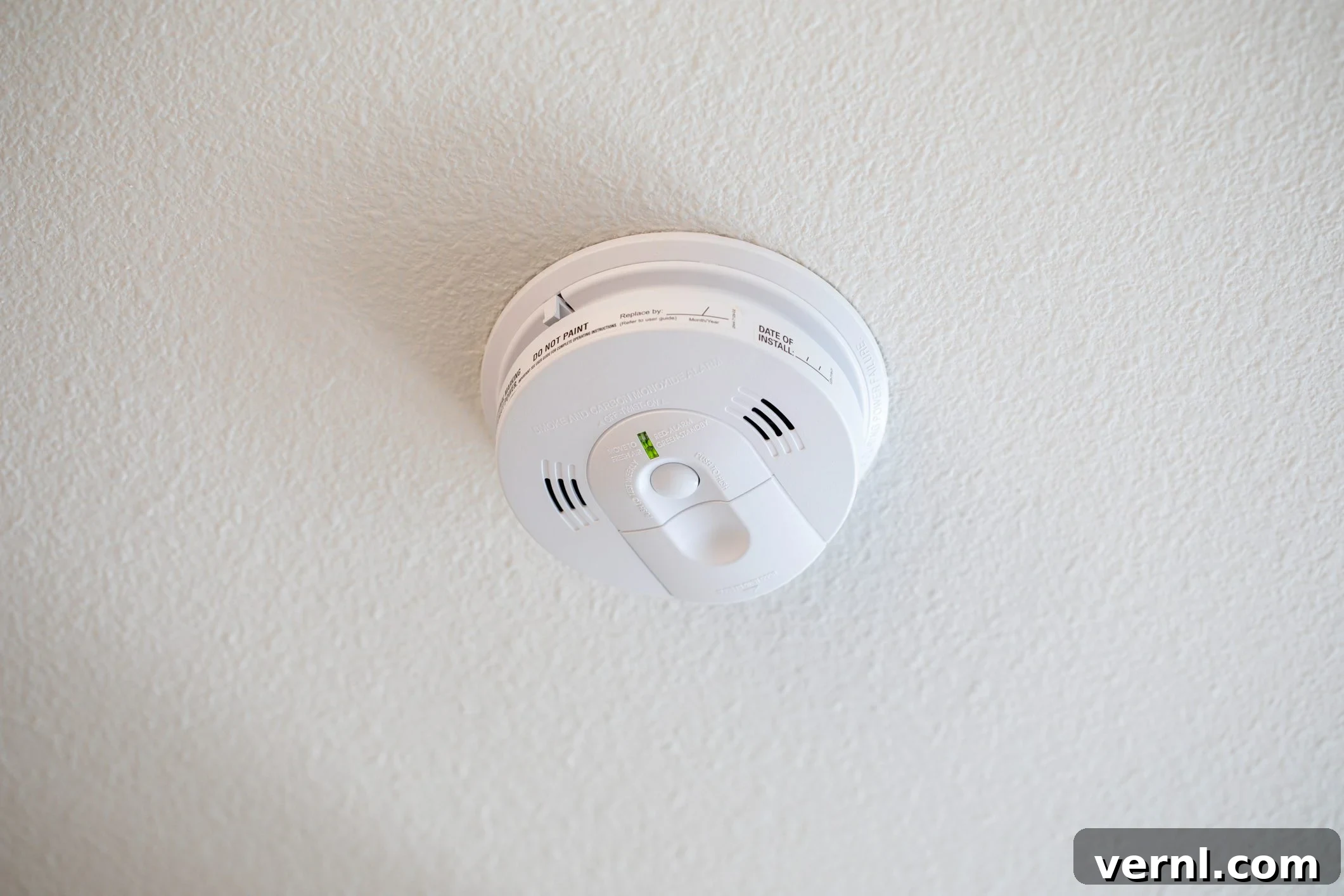
Next-Generation Smoke Alarms: Elevating Home Fire Safety with New 2024 UL Standards
The familiar, jarring screech of a smoke alarm, often triggered by an over-crisped slice of toast or a moment of culinary enthusiasm, has long been a source of frustration for homeowners. However, a significant leap forward in home fire safety is on the horizon. Next-generation smoke alarms are poised to revolutionize the way we detect fires, promising not only to minimize those annoying false alarms but also to deliver quicker, more accurate warnings about actual fire threats in your home. This pivotal advancement comes courtesy of new Underwriters Laboratories (UL) Solutions standards, officially taking effect on June 30, 2024.
These updated standards represent a critical evolution in fire detection technology, addressing both the practical annoyances and the life-saving necessities of modern homes. The most notable improvements focus on two key areas: enhanced detection capabilities for dangerous smoldering and burning polyurethane foam – a material widely found in mattresses and upholstered furniture – and a dramatic reduction in false alarms commonly caused by everyday cooking.
“Ultimately, the goal is to prevent people from taking the batteries out of their alarms or removing them as a result of nuisance alarms caused by cooking,” explains Susan McKelvey, communications manager for the National Fire Protection Association (NFPA). “Doing that presents a serious risk, as smoke alarms play a critical role in home fire safety, reducing the risk of dying in a home fire by more than half.” This sentiment underscores the profound impact these new standards are expected to have, ensuring that life-saving devices remain active and effective when they are needed most.
About the Experts Shaping Fire Safety Innovations
The insights and expertise guiding these crucial advancements come from leading figures in fire safety:
Susan McKelvey is the esteemed communications manager for the National Fire Protection Association. With a decade of experience, she has spearheaded national public fire safety awareness campaigns and served as the organization’s authoritative spokesperson, advocating for safer communities.
Ashley Gocken, a dedicated First Alert fire safety expert with Resideo Technologies, plays a vital role in educating the public. She actively spreads awareness about the most effective home fire and carbon monoxide safety practices, empowering individuals to protect their families and properties.
Revolutionizing Home Safety: Understanding the New UL Smoke Alarm Standards for 2024
The introduction of the new UL standards marks a pivotal moment in residential fire safety. Named the UL 217 8th Edition of the Standard for Smoke Alarms and the UL 268 7th Edition of the Standard for Smoke Detectors, these updated guidelines encompass more than 250 technical changes to existing codes. This comprehensive overhaul is designed to ensure that modern fire detection technology keeps pace with evolving home environments and fire dynamics, allowing detectors to respond with unprecedented accuracy and speed to changing fire conditions in contemporary homes.
The Imperative for Change: Evolving Fire Dynamics in Modern Homes
For decades, smoke alarms have been a cornerstone of home safety, but the nature of fires has significantly transformed. Modern homes, with their open-plan layouts, higher ceilings, and widespread use of lightweight, synthetic materials in construction and furnishings, present a unique set of challenges. These materials, such as polyurethane foam, burn hotter and much faster than traditional natural materials, drastically reducing the available escape time during a fire.
“Modern homes tend to be built and furnished with lighter, synthetic materials that burn hotter and faster,” explains Ashley Gocken, a First Alert fire safety expert. “Plus [they] feature layouts with higher ceilings and open floor plans, that may result in less time for a safe evacuation if a fire breaks out.”
This critical shift means that the average escape time from a home fire has been reduced from approximately 17 minutes a few decades ago to a mere three or four minutes today. This alarming reduction underscores why the responsiveness and reliability of smoke alarms are more vital than ever. As McKelvey stresses, “The majority of U.S. home fire deaths occur in homes with no smoke alarms or smoke alarms that aren’t working.” The new UL standards directly address these modern challenges, striving to provide precious extra seconds that can mean the difference between life and death.
Understanding the Core Changes: UL 217 8th Edition and UL 268 7th Edition
The revised standards focus on two primary areas of improvement that directly tackle the aforementioned issues:
- Nuisance Cooking Alarm Detection: Significant advancements in sensor technology and algorithmic processing are at the heart of this improvement.
- Enhanced Detection of Smoldering and Burning Polyurethane Fires: Alarms are now specifically engineered to be more sensitive to the dangerous byproducts of these fast-burning, toxic fires.
Smarter Sensors, Fewer False Alarms: Tackling Kitchen Nuisances
One of the most user-friendly enhancements in the new standards is the improved ability of smoke alarms to differentiate between harmless cooking smoke and genuine fire threats. Traditional smoke alarms often struggled with this distinction, leading to frequent false alarms from everyday kitchen activities like searing steak, baking, or even just leaving something in the oven a little too long. This common frustration frequently leads homeowners to temporarily disable or even permanently remove their alarms, inadvertently compromising their safety.
The new devices leverage more advanced multi-sensors and sophisticated algorithms. Instead of simply reacting to the presence of particles, these next-generation alarms analyze smoke for subtle differences in particle size, density, and even gas concentration. For instance, cooking smoke typically has different particle characteristics and chemical compositions compared to smoke from an actual fire. By processing this nuanced data, the alarms can more accurately determine whether there’s a real danger or just a minor kitchen mishap.
While the UL believes these advancements won’t eliminate cooking-related alarms entirely – especially in cases of significant burning – they are expected to greatly reduce their frequency. This reduction in false positives is crucial for maintaining consumer trust and ensuring that alarms remain active and ready to alert residents to true emergencies.
Critical Protection Against Modern Fire Hazards: Polyurethane and Smoldering Fires
Conversely, while the new alarms are designed to be less sensitive to cooking smoke, they are engineered to be significantly *more* sensitive to other, more dangerous fire conditions, particularly smoldering fires and those involving polyurethane. Polyurethane foam is a ubiquitous material found in a vast array of household items, including upholstered furniture, mattresses, carpet padding, and insulation. When ignited, polyurethane burns intensely and rapidly, producing dense, toxic smoke and quickly reaching flashover temperatures.
Smoldering fires, which can originate from a discarded cigarette or faulty wiring, often produce smoke without significant flame for an extended period before bursting into a full blaze. These fires are insidious, silently filling a home with dangerous smoke and gases while occupants are unaware. The enhanced sensitivity of the new alarms to the unique smoke signatures of smoldering fires and burning polyurethane means that they can detect these threats much earlier, providing precious extra time for occupants to evacuate safely.
This dual approach – reducing nuisance alarms while boosting sensitivity to genuine, high-risk threats – represents a comprehensive strategy to enhance overall home fire safety and reduce fatalities.
Navigating the Upgrade: Do You Need New Smoke Alarms Immediately?
With the introduction of such significant advancements, many homeowners might wonder if an immediate upgrade to their existing smoke alarm system is necessary. The short answer is no.
“There is no need for consumers to replace their smoke alarms immediately,” clarifies Susan McKelvey of the NFPA. “They can keep using their existing smoke alarms and replace them when they are 10 years old, which is the lifespan of a smoke alarm, or when they hear the end-of-life signal from their alarm.” This recommendation aligns with standard fire safety guidelines, which emphasize regular maintenance and timely replacement based on the device’s age.
However, there’s a significant caveat. If you frequently experience false “nuisance” alarms when cooking, leading you to routinely disable your detectors – and perhaps occasionally forget to re-connect them – then an earlier upgrade might be a wise investment. The safety risk associated with intentionally disabling a smoke alarm, even temporarily, far outweighs the cost of a new device. Upgrading to an alarm that is less prone to nuisance triggers can significantly enhance your safety by ensuring your protection system remains active and operational at all times.
Identifying the Next-Generation Alarms: What to Look For
As the June 30, 2024 deadline approaches, many manufacturers are already producing and distributing smoke alarms that comply with the new UL standards. When you’re in the market for new detectors, identifying these advanced models is straightforward. Manufacturers are understandably eager to highlight the improved features and benefits, so the packaging should clearly indicate compliance. Specifically, look for clear labeling that states adherence to the “UL 217 8th Edition” or “UL 268 7th Edition” standards. This assures you are purchasing a device that incorporates the latest advancements in fire detection technology.
Your Comprehensive Guide to Smoke Alarms and Home Fire Safety: Essential FAQs
What is the Fundamental Difference Between a Smoke Alarm and a Smoke Detector?
While often used interchangeably in everyday conversation, there is a technical distinction. A “smoke detector” is typically a component that senses smoke and transmits a signal to a central alarm or monitoring system. In contrast, a “smoke alarm” is a self-contained unit that both senses smoke and includes a built-in audible (and sometimes visible) alarm to alert occupants directly. For residential use, the devices installed in our homes are almost always smoke alarms, designed for standalone operation.
Ionization vs. Photoelectric: Which Type of Smoke Alarm is Right for Your Home?
Historically, smoke alarms have primarily used one of two technologies: ionization or photoelectric. Each has specific strengths:
- Photoelectric smoke alarms are generally more sensitive to smoke produced by smoldering fires, which tend to generate larger smoke particles. These fires might smolder for hours before bursting into flame.
- Ionization smoke alarms are typically more responsive to fast-moving, flaming fires, which produce smaller, invisible combustion particles.
Given that both types of fires can occur in a home, the NFPA recommends installing both types or, ideally, opting for dual-sensor (also known as “multi-criteria” or “combination”) alarms. These advanced alarms integrate both ionization and photoelectric technologies, offering comprehensive protection against a wider range of fire types. The new UL 217 8th Edition standard implicitly encourages this integrated approach by requiring alarms to perform effectively against multiple fire scenarios, often necessitating multi-sensor capabilities.
How Often Should Smoke Alarms Be Replaced, and What About Batteries?
According to the National Fire Protection Association (NFPA), smoke alarms should be replaced every 10 years from their manufacturing date. This lifespan is crucial because, over time, components can degrade, affecting the alarm’s sensitivity and reliability. For combination smoke/carbon monoxide (CO) alarms, the recommended replacement period is typically shorter, around seven years.
Beyond replacement, regular maintenance is key. Smoke alarms should be tested monthly by pressing the test button. Batteries in traditional alarms should be replaced annually, or immediately when they begin to chirp – a signal that they’re running low. To avoid the annoyance of low-battery warning chirps and ensure continuous power, consider investing in modern 10-year sealed battery smoke alarms, such as this one from First Alert. Even with sealed batteries, periodic testing remains essential.
Optimal Placement: Where Should Smoke Alarms Be Installed for Maximum Protection?
NFPA recommendations are clear: install smoke alarms high on walls or ceilings on every level of your home. This includes inside each bedroom, outside every sleeping area (e.g., in hallways or main corridors), and in the basement. Installing them in kitchens and bathrooms is generally discouraged due to steam and cooking fumes, which can trigger false alarms, but modern alarms with enhanced nuisance detection capabilities might be more suitable for areas near kitchens.
To put this into perspective, as Ashley Gocken highlights, “a two-story, three-bedroom house needs a minimum of five smoke alarms.” This ensures that regardless of where a fire starts, an alarm will sound, providing crucial early warning to all occupants.
Interconnected Systems: How Many Smoke Detectors Can Be on One Circuit?
For optimal safety, smoke alarms should be interconnected. This means that if one alarm detects smoke, all alarms in the home sound simultaneously, providing the earliest possible warning throughout the entire dwelling. According to NFPA guidelines, a maximum of twelve smoke alarms can typically be interconnected on one circuit, along with an additional six auxiliary devices such as carbon monoxide (CO) alarms, heat alarms, or strobes for individuals with hearing impairments. Always consult local building codes and the manufacturer’s instructions for specific installation requirements.
Hard-Wired vs. Battery-Powered: Are Hard-Wired Smoke Detectors Required?
Yes, for newly constructed homes and homes undergoing significant renovations, hard-wired smoke detectors are generally required by building codes. These devices are directly connected to your home’s electrical system, ensuring continuous power. Crucially, hard-wired alarms are also typically required to be interconnected and equipped with a battery backup. The battery backup ensures that the alarms remain functional even during power outages, providing an essential layer of uninterrupted protection.
Choosing the Best Smoke Alarm: Key Features and Considerations
Selecting the “best” smoke alarm depends on your specific needs, but several key features are highly recommended. Generally, a dual-sensor (ionization-photoelectric) alarm that complies with the new 2024 UL standards offers the most comprehensive protection against various fire types. Given the silent, odorless, and deadly nature of carbon monoxide, a standalone CO sensor or a combined smoke/carbon monoxide alarm is also an indispensable addition to your home safety system.
For enhanced security and clarity, many leading brands like First Alert, Nest, and Kidde now offer alarms with advanced features such as voice alerts. These alarms can articulate the location and type of danger (e.g., “Smoke detected in the kitchen!” or “Carbon Monoxide detected!”), enabling you to better plan your escape route. Furthermore, the integration of smart home technology allows some modern smoke alarms to send notifications directly to your smartphone, perform self-tests, and even integrate with other smart devices, providing an elevated level of awareness and control.
Regardless of the brand or specific features, always ensure that any device you purchase is recognized and certified by a reputable third-party tester like Underwriters Laboratories (UL) or Intertek (ETL). This certification confirms that the product has undergone rigorous testing and meets stringent safety and performance standards, giving you peace of mind that your home is protected by reliable technology.
Ensuring a Safer Home: The Future of Fire Detection
The introduction of the new UL Solutions standards for smoke alarms represents a significant leap forward in residential fire safety. By addressing the long-standing issues of nuisance alarms and enhancing detection capabilities for the specific hazards of modern homes, these next-generation devices are designed to foster greater trust and reliance among homeowners.
The ultimate goal, as highlighted by fire safety experts, is to ensure that smoke alarms remain active and effective, continuously providing the vital early warning needed to save lives. As you review your home’s fire safety plan, consider not only the placement and maintenance of your alarms but also the opportunity to embrace these advanced technologies when it’s time for an upgrade, ensuring your family is protected by the most intelligent and responsive fire detection systems available.