Unlock Your Garden’s Potential: The Ultimate Guide to Using Eggshells for Healthier Plants
In the world of sustainable gardening, sometimes the most valuable resources are those we often overlook. While many gardeners focus on store-bought fertilizers and complex nutrient regimens, a simple yet powerful ingredient might be hiding in your kitchen waste bin: eggshells. Far from being mere kitchen scraps, these humble shells are a testament to the gardening mantra, “Kitchen trash becomes garden treasure.” Repurposing everyday materials like eggshells for your plants not only reduces household waste but also offers a long-term, effective, and environmentally friendly way to nourish your garden.
Most discussions about plant nutrition revolve around the big three: nitrogen, phosphorus, and potassium (N-P-K). However, every thriving plant requires a specific array of micronutrients and essential minerals to reach its full potential. Among these, calcium stands out as one of the most crucial, yet frequently underestimated, elements. This vital mineral plays a multifaceted role in plant health, from bolstering cell walls and aiding water absorption to enhancing overall resistance to diseases. The good news? You don’t need to spend a fortune on expensive commercial products to provide this essential ingredient to your plants. This week, GardenShare, a popular TikTok creator, reminded us of a simple and accessible method to enrich your soil with the calcium it needs: crushed eggshells. So, next time you crack an egg for breakfast, remember to save those shells. You’re about to discover how to transform them into a potent eggshell fertilizer that will revitalize your garden from the ground up.
The Hidden Power of Calcium: Why Your Plants Crave This Essential Mineral
As you begin to accumulate your collection of eggshells, let’s delve deeper into why calcium is such an indispensable ally in your garden. While nitrogen, phosphorus, and potassium are vital macronutrients for visible growth, calcium is often referred to as the “fourth macronutrient” due to its profound impact on plant structure and function. Calcium provides numerous benefits to your plant’s overall health and vitality, influencing everything from cellular integrity to nutrient transport.
- Strengthening Cell Walls: Calcium is a fundamental building block of plant cell walls. It acts like the mortar between bricks, ensuring the structural integrity and rigidity of plant tissues. Strong cell walls mean sturdier stems, healthier leaves, and robust root systems, allowing plants to stand upright and withstand various environmental stresses. As Envirolizer states, “Calcium is a major component of cell walls, and it is essential for the formation of strong and rigid cell walls. This helps to protect plants from damage and allows them to support their weight.”
- Maintaining pH Levels: Calcium plays a crucial role in regulating the pH balance within the soil and plant cells. Optimal pH levels are essential for nutrient availability and uptake, ensuring that plants can efficiently absorb other vital minerals from the soil.
- Improving Water Penetration and Uptake: By strengthening root cell membranes, calcium enhances the plant’s ability to absorb water and transport it effectively throughout its system. This improved water regulation is critical for preventing wilting and ensuring hydration, especially during dry spells.
- Increasing Resistance to Disease and Pests: Healthy, strong cell walls, fortified by calcium, act as a physical barrier against disease-causing pathogens and insect damage. Plants with adequate calcium levels are better equipped to fend off fungal infections, bacterial diseases, and pest infestations, reducing the need for chemical interventions.
- Promoting Healthy Root Development: Calcium is vital for the growth and development of strong, fibrous root systems. Robust roots are essential for anchoring the plant, exploring the soil for nutrients, and absorbing water efficiently.
- Facilitating Nutrient Transport: Beyond strengthening cells, calcium also acts as a carrier, facilitating the transport of other essential nutrients within the plant. It influences enzyme activities and plays a role in various metabolic processes, contributing to overall plant vigor and productivity.
Understanding these profound benefits underscores why incorporating calcium-rich eggshells into your gardening routine isn’t just a waste-reduction strategy—it’s a powerful approach to cultivating healthier, more resilient, and more productive plants.
Spotting the Signs: How to Identify Calcium Deficiency in Your Garden
Before you start amending your soil with eggshells, it’s helpful to understand the symptoms of calcium deficiency. Recognizing these signs early can help you diagnose problems and apply the right solutions. While soil testing remains the most accurate way to pinpoint specific nutrient imbalances, several visible cues can indicate that your plants are in need of more calcium. To determine if your plants might be lacking this essential mineral, look out for these four main signs of calcium deficiency:
- Curling or Distorted New Leaves (‘Parachute Leaves’): One of the most common indicators of calcium deficiency is abnormalities in new growth. Calcium is relatively immobile in the plant, meaning it cannot be easily redistributed from older leaves to newer ones. Therefore, symptoms often appear first on young leaves, which may be small, distorted, curled upwards or downwards, or exhibit a characteristic “parachute” appearance.
- Brown or Yellow Spots (Necrosis) on Leaves: As the deficiency progresses, you might observe necrotic spots—areas of dead tissue—appearing on leaves. These spots can be brown or yellow and often appear on the margins or tips of the younger leaves. In severe cases, these areas can expand, leading to significant leaf damage or even the death of growing tips.
- Blossom-End Rot in Fruits: This highly recognizable symptom is particularly prevalent in fruiting plants like tomatoes, peppers, squash, and melons. Blossom-end rot manifests as a dark, sunken, leathery spot on the blossom end (bottom) of the fruit. While it’s a direct result of localized calcium deficiency in the developing fruit, it’s crucial to understand that it’s often caused by inconsistent watering that prevents the plant from absorbing existing calcium, rather than a lack of calcium in the soil itself.
- Stunted Growth and Weak Stems: A general decline in growth rate and overall plant vigor can also signal insufficient calcium. Plants may appear stunted, with weak stems that struggle to support the plant’s weight. The entire plant might seem less robust and more susceptible to environmental stress.
It’s important to note that some of these symptoms can overlap with other nutrient deficiencies or plant issues. When in doubt, the most reliable approach is to test your soil. A comprehensive soil test will provide precise information about your soil’s nutrient profile and pH levels, guiding you towards the most effective amendments for your specific garden needs.
From Breakfast to Blooms: A Step-by-Step Guide to Making Eggshell Fertilizer
Now that you have a deeper understanding of calcium’s vital role in plant growth and how to spot deficiencies, it’s time to put those saved eggshells to good use! Transforming eggshells into a beneficial soil amendment is a simple, cost-effective, and rewarding DIY project for any gardener. The process ensures that the calcium carbonate in the shells becomes readily available to your plants over time.
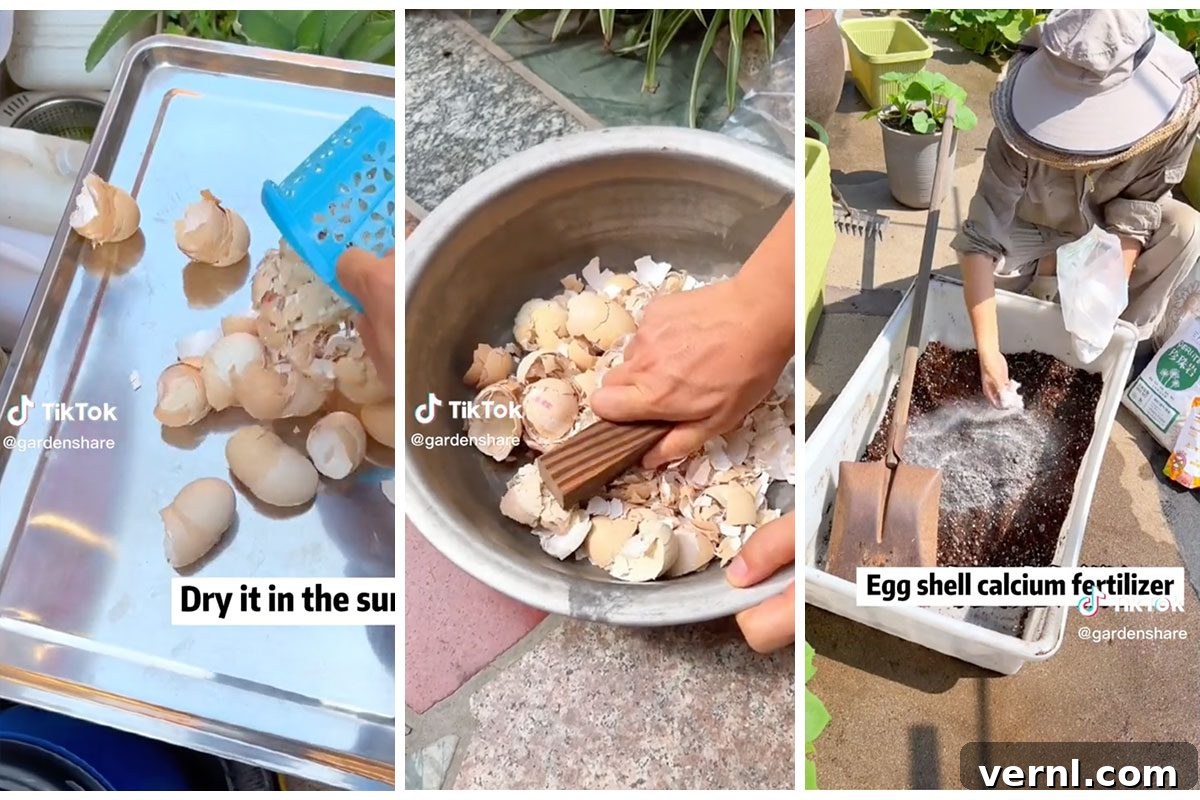
For a visual demonstration, consider the method shared by GardenShare. In their helpful video, the TikToker guides viewers through creating a nutrient-rich soil amendment from eggshells. While the original video link is integrated below, we’ll break down the process into clear, actionable steps for you to follow.
@gardenshare homemade eggshell fertilizer nutrient soil. #homemade #organicfertilizer #gardeningtips #diygarden #nutrientsoil #eggshefertilizer #gardeninghacks #sustainability #ecofriendly #gardeningcommunity #plantlovers #soilhealth #gardeninspiration #greenthumb #urbanfarming ♬ original sound – GardenShare
Step-by-Step Instructions for DIY Eggshell Fertilizer:
- Collection and Initial Cleaning: Start by collecting your eggshells. After cracking an egg, give the shell a quick rinse under running water to remove any residual egg white or yolk. This step is crucial to prevent odors and deter pests during the drying process. You might also want to peel away the inner membrane, though it’s not strictly necessary, as it will dry out and become brittle with the shell.
- Thorough Drying: Once rinsed, spread the eggshells evenly on a baking sheet or a clean, flat surface. The goal is to dry them completely. You can place them in direct sunlight for a few days, which is an energy-efficient method. Alternatively, for a faster approach, you can bake them in an oven at a low temperature (around 200-250°F or 90-120°C) for 10-20 minutes, or until they are completely brittle and dry. This also helps sterilize the shells.
- Coarse Crushing: After the shells are thoroughly dry and crisp, it’s time for the first stage of crushing. You can place them in a sturdy plastic bag and use a rolling pin, a meat hammer, a piece of wood, or even your hands (wear gloves!) to break them into smaller, dime-sized pieces. This makes them easier to handle for the next step.
- Fine Pulverization: For the calcium to be readily available to your plants, the eggshells need to be reduced to a fine powder. Transfer the coarsely crushed shells into a blender, coffee grinder, or food processor. Process them until they reach a powdery consistency, similar to flour. The finer the powder, the faster the calcium will break down and become accessible to your plant’s roots.
- Storage: Once you have your fine eggshell powder, transfer it to a resealable plastic bag, an airtight jar, or any other clean, dry container. Store it in a cool, dry place away from direct sunlight. Properly stored eggshell powder can last indefinitely.
- Application to Soil: Your homemade eggshell fertilizer is now ready for use!
- Mixing into Potting Soil: When potting new plants or refreshing existing ones, sprinkle a tablespoon or two of eggshell powder per gallon of potting soil and mix it evenly.
- Amending Garden Beds: For outdoor garden beds, you can work the eggshell powder directly into the top few inches of soil around your plants. A good rule of thumb is about half a cup per square foot for established plants.
- Top Dressing: Simply sprinkle the powder around the base of your plants and gently scratch it into the soil. Water thoroughly afterward to help it settle.
Remember that eggshells are a slow-release calcium source, so their benefits will become apparent over time. Regular application, especially when preparing new planting areas or refreshing soil, will provide consistent nourishment to your garden.
Maximizing Your Eggshell Magic: Tips for Sustainable Gardening
Beyond being a fantastic calcium supplement, eggshells offer several other benefits and can be incorporated into your gardening practices in various creative ways, further solidifying their role in sustainable gardening.
Composting with Eggshells
Eggshells are a wonderful addition to any compost pile. While they break down slowly on their own, incorporating them into an active compost heap significantly speeds up the decomposition process. They contribute valuable minerals to your compost, enriching the final product. Simply crush them into smaller pieces before adding them to your compost bin to help them integrate more quickly.
Pest Deterrent
The sharp, jagged edges of coarsely crushed eggshells can act as a natural deterrent against soft-bodied pests like slugs and snails. By sprinkling a ring of crushed shells around vulnerable plants, you create a barrier that these garden nuisances prefer not to cross. While primarily a nutrient source, this secondary benefit is a welcome bonus.
Seed Starting Mix
Give your seedlings a head start by incorporating a small amount of finely ground eggshell powder into your seed starting mix. This provides young plants with readily available calcium as soon as their roots begin to develop, promoting stronger, healthier growth from day one.
Gentle pH Adjustment
Eggshells are primarily composed of calcium carbonate, which is an alkaline compound. If your soil is overly acidic, adding eggshell powder can help to gently raise the pH level over time, making it more hospitable for a wider variety of plants. This is a much milder and slower-acting alternative to agricultural lime, making it suitable for gardeners seeking a more subtle adjustment.
Patience is Key
It’s important to reiterate that eggshells are not an instant fix. Their calcium is released gradually as microorganisms in the soil break them down. For immediate calcium needs, foliar sprays or fast-acting liquid calcium supplements might be necessary. However, for long-term soil health and consistent nutrient delivery, eggshells are an excellent, sustainable choice.
Common Questions Answered: Eggshells in the Garden FAQ
Despite their popularity as a garden amendment, eggshells often raise several questions among gardeners. Here, we address some common queries to ensure you get the most out of your eggshell fertilizer.
Do eggshells prevent blossom-end rot in tomatoes?
Blossom-end rot is indeed a manifestation of calcium deficiency in developing fruits. However, simply putting eggshells directly into the soil often does not provide an immediate solution. The primary issue frequently arises not from a lack of calcium in the soil, but from the plant’s inability to absorb the calcium that is already present. This inability is most often caused by uneven watering. Inconsistent moisture levels prevent the plant from efficiently taking up water, and thus calcium, through its roots. Since eggshells degrade slowly, plants cannot absorb calcium from them quickly enough to remedy an immediate deficiency. Therefore, the most important strategy to prevent blossom-end rot is to ensure plants receive consistent, even watering, alongside ensuring a good calcium supply.
How long does it take eggshells to break down?
The breakdown time for eggshells in soil varies significantly depending on their form. When left in large pieces, eggshell fertilizer can take several years to decompose and release its calcium into the soil. Before plants can benefit from the calcium, the shells must be ground into a fine powder. Even in powdered form, it may take several months to a year for them to completely break down and release their nutrients. Adding them to an active compost pile can significantly accelerate this process, as the microbial activity and heat in compost facilitate faster decomposition.
Are eggshells safe for all plants?
Generally, eggshells are safe and beneficial for most garden plants. However, since eggshells contain calcium carbonate, which is alkaline, they can slightly raise soil pH over time. While this is beneficial for many plants that prefer neutral to slightly alkaline soil, it might not be ideal for extreme acid-loving plants such as blueberries, azaleas, or rhododendrons, which thrive in highly acidic conditions. For these plants, it’s best to use eggshells sparingly or consider other amendments that maintain or lower soil pH.
Do I need to sterilize eggshells before using them in the garden?
While a thorough rinse to remove egg residue is important to prevent odors and pests, baking your eggshells in the oven (as described in the preparation steps) serves a dual purpose. It ensures they are completely dry, making them easier to pulverize, and it also effectively sterilizes them. This sterilization eliminates any potential salmonella bacteria, ensuring that your eggshell fertilizer is safe for both you and your garden.
Empower Your Green Thumb with Expert Insights
The journey to a flourishing garden is often enriched by shared knowledge and innovative techniques. The insights and methods discussed here draw inspiration from leading voices in sustainable agriculture and home gardening.
Envirolizer is a key resource for those interested in sustainable agriculture and soil health. Their comprehensive blog provides detailed explanations of plant nutrients, beneficial gardening practices, and effective farming methods, offering valuable knowledge for both amateur and experienced cultivators.
GardenShare (@gardenshare), a prominent TikTok creator, has become a go-to source for practical home gardening advice. Their engaging videos showcase sustainable and do-it-yourself gardening techniques, such as the eggshell fertilizer method, inspiring a community of plant lovers to embrace eco-friendly practices and nurture their green spaces.
Embrace Sustainable Gardening Practices
By transforming humble eggshells into a powerful garden amendment, you’re not just providing essential nutrients to your plants; you’re also taking an active step towards a more sustainable and environmentally conscious lifestyle. This simple act of recycling reduces waste, enriches your soil, and fosters healthier, more resilient plants without relying on synthetic chemicals. Embrace the “kitchen trash to garden treasure” philosophy, and watch your garden thrive with the natural goodness of eggshells. Happy gardening!