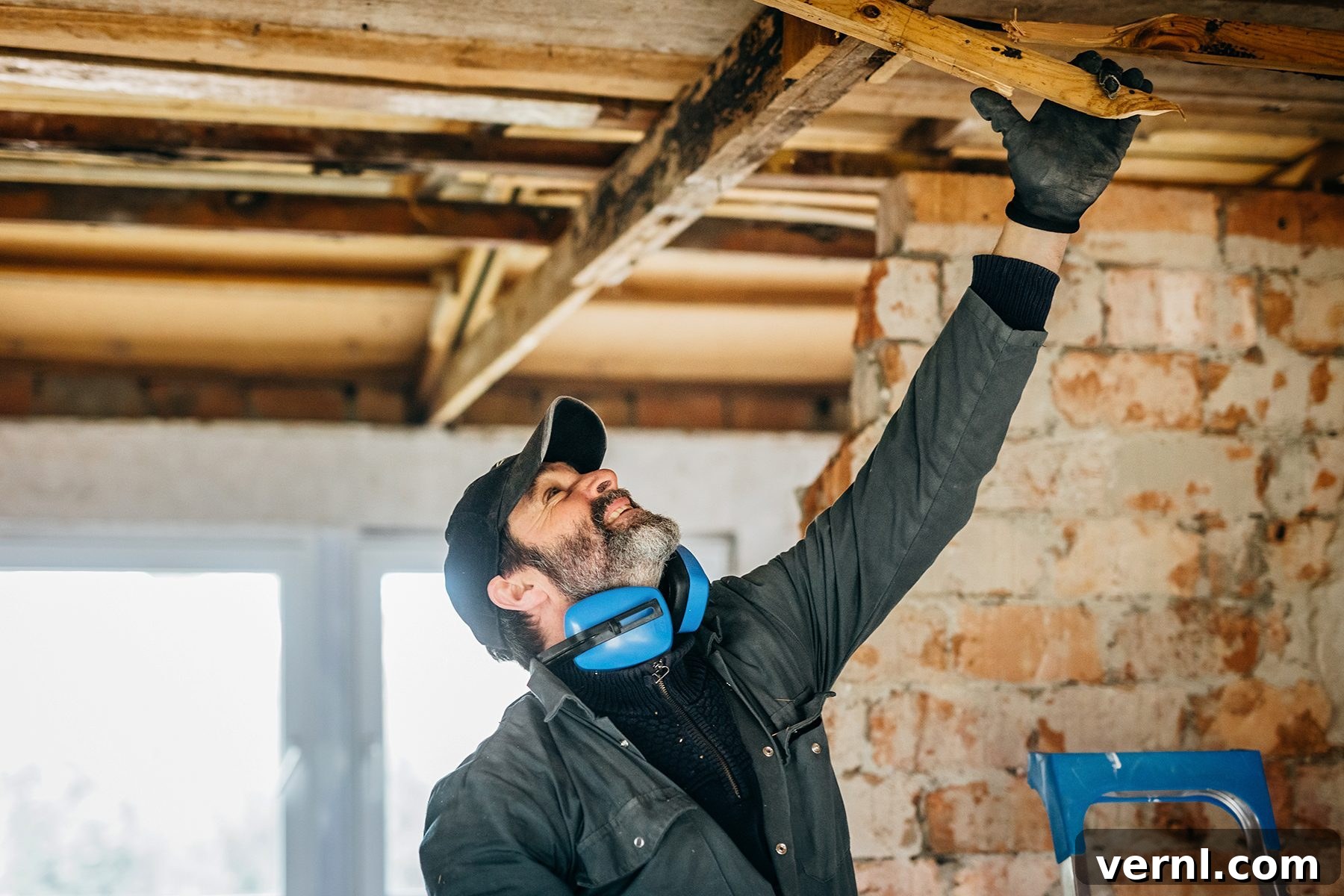
A few years ago, I embarked on a challenging project: restoring a live-aboard boat that had fallen victim to a relentless termite infestation. The deeper we delved into its wooden structure, the more extensive the hidden network of tunnels and colonies we uncovered. It was a truly monumental undertaking to rectify the damage, but it also offered a fascinating, albeit alarming, glimpse into the sheer scale a termite colony can achieve without causing immediate, catastrophic structural failure. This experience profoundly underscored for me the critical role professional termite inspectors play in safeguarding our most valuable asset: our homes.
“In the United States, termites are an insidious threat, causing more financial damage to homes annually than all natural disasters combined. Yet, astonishingly, standard homeowner’s insurance policies rarely provide coverage for termite damage,” explains Ian Williams, a board-certified entomologist and technical services manager at Orkin. This grim reality highlights a significant vulnerability for homeowners across the nation.
Compounding the problem, infestations often go unnoticed for extended periods, silently wreaking havoc until the structural damage becomes extensive and prohibitively costly to repair. Understanding these silent destroyers is paramount. This comprehensive guide will equip you with essential knowledge about termites, offer practical tips for conducting your own preliminary inspections, advise on when to call in a professional, and detail what you can expect from a thorough termite inspection and treatment process.
Understanding the Enemy: Types of Termites
Termites are fascinating social insects that play a vital ecological role in nature, primarily by breaking down dead wood and other cellulose-based materials. However, their dietary preference for cellulose makes them a formidable and highly destructive pest within human dwellings. In the United States, homeowners primarily contend with three major types of termites, each with distinct characteristics and destructive patterns:
- Subterranean Termites: The Most Destructive
According to Emma Grace Crumbley, an entomologist at Mosquito Squad, subterranean termites are responsible for the most severe structural damage to homes. These highly organized pests are found in virtually every state, typically entering structures from underground or through areas where wood makes direct contact with the soil. They construct intricate networks of mud tubes (shelter tubes) to protect themselves from predators and dry air as they travel between their underground colonies and your home’s wooden components. Subterranean termites require consistent moisture to thrive, which is why they tend to stay close to the ground, often infesting basements, crawl spaces, and foundation wood. Their colonies can grow to immense sizes, making them incredibly difficult to detect until the infestation is advanced, often resulting in widespread, costly damage. - Drywood Termites: The Hidden Invaders
Unlike their subterranean counterparts, drywood termites do not require soil contact or high moisture levels, making them capable of infesting higher levels of a structure. They typically enter homes by flying in during swarming events or are unknowingly introduced through infested furniture or other wood products. These termites colonize localized areas within wooden beams, attics, door frames, and even furniture. A key indicator of a drywood termite infestation is their distinctive fecal pellets, known as “frass.” These hexagonal, sand-like pellets are often pushed out of tiny kick-out holes in the wood, accumulating in small piles resembling sawdust. Other signs include bubbling or blistering wood surfaces, which indicate internal damage. - Dampwood Termites: The Moisture Seekers
Dampwood termites, like drywood species, can also fly into your home or be brought in via infested wood. As their name suggests, they have a strong preference for wood with high moisture content. This often means infestations are found near plumbing leaks, in wood siding exposed to heavy rainfall, or in areas where wood regularly gets saturated, such as fences, window frames, and mailbox posts. Emma Grace Crumbley notes that if you break open a piece of suspect wood and observe moist, clumped fecal pellets (frass), you likely have a dampwood termite problem. Identifying and addressing moisture problems is often the first step in deterring these particular termites.
Do I Need a Termite Inspection? Absolutely!
While termite inspections are not typically mandated by building codes in most areas, they are an exceptionally wise investment, especially if you reside in a region known for termite activity. Early detection of a termite problem can literally save you tens of thousands of dollars in potential repair costs and countless hours of frustration and hassle. Given the severity of damage these pests can inflict and the fact that most homeowner’s insurance policies do not cover it, proactive inspection is your best defense.
Depending on the specific termite species, common signs of an infestation can include witnessing termite swarms (especially during warmer months), visible damage to wood components, or the presence of distinctive mud tubes (shelter tubes) made of dirt and wood particles. If you suspect an issue and carefully probe or break open infested wood, you might discover sawdust-like piles of fecal matter (frass) or a combination of wood, sawdust, and dirt within the galleries. It’s crucial to pay close attention to the lower levels of your home, including basements, crawlspaces, subflooring, joists, support beams, and door and window frames, as these are common entry and nesting points.
“If you notice even subtle indicators, such as small pinholes in your drywall, the actual presence of termite insects, or discarded wings near windowsills or light sources, it is absolutely vital to take swift action,” advises Rocky Beninato, a certified exterminator and founder of Quality Affordable Pest Control. Ignoring these signs can lead to exponentially increasing damage and repair expenses.
The Professional Edge: What a Termite Inspection Entails
While homeowners can perform preliminary checks, a professional termite inspection offers a level of thoroughness and expertise that is hard to match. These specialists are trained to identify even the most subtle signs of termite activity and have access to advanced tools to uncover hidden infestations.
How do professional inspectors check for termites?
A qualified termite inspector will conduct a meticulous examination of your home, both inside and out, searching for any visible evidence of termite activity or conditions conducive to an infestation. Their trained eyes will be looking for a range of indicators, including:
- Wood Damage: This could manifest as wood that sounds hollow when tapped, appears blistered or darkened, or exhibits small, pin-sized holes.
- Shelter Tubes: These are the tell-tale mud tunnels constructed by subterranean termites. They are typically made of dirt and wood particles, providing a protected pathway for termites.
- Discarded Wings: After a termite swarm (when reproductive termites leave the nest to establish new colonies), they shed their delicate wings. Finding piles of these translucent wings near windows, doors, or light fixtures is a strong indicator of an active infestation nearby.
- Termite Droppings (Frass): As mentioned, drywood termites produce distinctive, hexagonal fecal pellets that resemble fine sawdust or coffee grounds. These often accumulate in small piles below infested wood.
To enhance their investigative capabilities, inspectors often deploy specialized equipment. Beninato highlights, “Sometimes, they even use highly sensitive acoustic devices that can detect the incredibly quiet sounds of termites chewing on wood, or specialized moisture meters to locate areas of excessive dampness that attract termites, and infrared cameras to identify temperature differentials that might indicate hidden activity behind walls.” These advanced tools significantly improve the chances of early detection, allowing for treatment before substantial structural damage occurs.
Where do termite inspectors look?
A comprehensive termite inspection leaves no stone unturned. Inspectors meticulously examine the entire property, focusing on areas where termites are most likely to gain entry and establish nests. This includes, but is not limited to: basements, crawlspaces, attics, foundations, exterior walls, window and door frames, and all exposed wood. They also extend their inspection to outdoor structures such as fences, decks, patios, utility poles, and even landscaping elements that might be close to your home. Any wooden component that could provide food or shelter for termites is carefully scrutinized.
Do termite inspectors come inside my home?
Yes, a thorough professional termite inspection absolutely requires access to the interior of your home. Inspectors will need to examine all accessible areas, including basements, crawlspaces, attics, and any other areas where termites could be present or where conditions are favorable for their activity. This comprehensive approach ensures that no hidden infestations are overlooked.
Do termite inspectors move objects during the inspection?
Yes, professional termite inspectors may need to move objects to gain proper access to critical inspection points. They strive to be as minimally disruptive as possible. Typically, if heavier furniture or stored items obstruct key areas like baseboards, walls, or access panels, they will either politely ask for your permission to move them or request that you move them prior to their arrival. It’s often helpful for homeowners to clear pathways and access points before the inspector arrives.
How much does a termite inspection cost?
The cost of a termite inspection can vary significantly based on several factors, including your geographic location, the size and complexity of your home, and the specific pest control company. Many reputable pest control companies, including Orkin, often offer complimentary first-time or annual inspections as a service. However, if an active infestation is found, the subsequent termite treatment cost will vary depending on the climate, the extent and type of infestation, the specific treatment methods required, and the overall moisture levels in and around your home.
How long does a termite inspection take?
The duration of a professional termite inspection typically ranges from 30 minutes to an hour for an average-sized home with no immediate signs of infestation. However, for larger homes, properties with complex layouts (e.g., multiple crawlspaces, extensive finished basements), or if visible signs of termite activity are present, the inspection could extend to a few hours. The inspector will take the time needed to thoroughly evaluate all potential areas.
Do termite inspectors get rid of termites?
Yes, in most cases, the companies that perform termite inspections are also equipped and licensed to provide termite extermination and treatment services. Most termite inspectors are indeed pest control specialists who can develop customized treatment plans tailored to your specific infestation. These plans can include a variety of methods such as protective liquid barrier applications around the foundation, strategic placement of bait and monitoring systems, direct application of termite foams into active galleries, and in severe, widespread drywood infestations, whole-house fumigation. Follow-up visits are often required to ensure the treatment is effective and the infestation is fully eradicated.
Frequently Asked Questions (FAQ) About Termite Inspections
Do termite inspectors need to be licensed?
The licensing requirements for termite inspectors vary by state. However, as Ian Williams states, “typically, termite inspectors need to be licensed and undergo specific training concerning termite biology, behavior, identification, and control methods.” This licensing ensures that the professional possesses the necessary knowledge and adheres to industry standards, offering you peace of mind.
Can I do a termite inspection myself?
Yes, you absolutely can and should regularly look for signs of termites in and around your home as part of routine home maintenance. Vigilance is your first line of defense. However, if you do notice any suspicious signs of an infestation, Rocky Beninato strongly advises contacting a professional. He emphasizes that professionals possess specialized expertise in termite biology and behaviors, coupled with access to advanced tools and equipment that significantly increase the accuracy and effectiveness of the inspection, helping to prevent misidentification or overlooked infestations.
What’s the difference between termite and home inspections?
While both are crucial for home maintenance and purchasing decisions, they serve distinct purposes. A standard home inspector focuses on the overall condition of a home, evaluating its major systems (electrical, plumbing, HVAC), structural integrity, and safety considerations. A termite inspector, on the other hand, specializes exclusively in looking for termite infestations, identifying conducive conditions, and assessing existing damage. Their focus is singular and highly specialized.
Do home inspectors check for termites?
Sometimes home inspectors will perform a basic visual check for termites, but often this is a limited scope and may require a specific request from the client. Furthermore, a general home inspector may not be fully qualified or equipped to thoroughly assess the presence of termites, which often hide within walls. Therefore, particularly if you are buying a home, or if you live in a termite-prone area, Ian Williams highly recommends hiring both a traditional home inspector for a comprehensive overview and a licensed, dedicated termite inspector for a specialized assessment of these destructive pests.
How can I prevent termites from infesting my home?
Preventative measures are key to protecting your home. These include ensuring proper drainage away from your foundation, repairing any leaky pipes or roofs promptly, removing wood-to-soil contact (e.g., wood siding, fences, trellises), regularly clearing gutters, trimming back shrubs and trees from your home’s exterior, and storing firewood well away from the house. Regular professional inspections can also catch early signs before they escalate.
About the Experts
- Ian Williams is a board-certified entomologist and certified wildlife control professional. He currently serves as a technical services manager at Orkin, where he is instrumental in training and educating both Orkin professionals and the general public about various pest challenges.
- Rocky Beninato is a certified exterminator and the visionary founder of Quality Affordable Pest Control, an eco-friendly and pet-safe pest control company based in Toronto, Canada, dedicated to effective and responsible pest management.
- Emma Grace Crumbley is an accomplished entomologist at Mosquito Squad. A self-described “bug nerd,” she passionately uses her extensive expertise to educate and enlighten people about the fascinating and often misunderstood world of insects.