Seamless Control and Smart Living with Intelligent Lighting
Smart lighting has revolutionized the way we interact with our homes, transforming ordinary light bulbs into intelligent, interconnected devices. These innovative lights empower you to command your home’s illumination with unprecedented ease and flexibility. Imagine effortlessly adjusting the ambiance, scheduling your lights to welcome you home, or even using them as a visual communication system – all from the palm of your hand via a smartphone app, through intuitive voice commands with smart speakers like Amazon Alexa or Google Assistant, or by setting up automated routines. Beyond simple on/off functions, smart lights offer a spectrum of possibilities, including dimming, changing colors, and automating schedules, allowing you to tailor your lighting experience to your lifestyle. The beauty of smart lights lies in their accessibility; upgrading your home is often as straightforward as replacing a traditional lightbulb. Simply unscrew the old, screw in the new, and unlock a world of smart possibilities. This guide will help you navigate the essential considerations when choosing the perfect smart lighting solution for your needs.
Also, learn how to install smart light switches in your home easily in a few steps, further enhancing your home automation journey.
Hub vs. Hubless: Deciding Your Smart Lighting Foundation
One of the primary decisions you’ll face when venturing into smart lighting is whether to opt for a system that requires a dedicated hub or one that operates independently, often referred to as “hubless.” Understanding the distinctions between these two approaches is crucial for building a smart home ecosystem that truly meets your needs for reliability, scalability, and ease of use.
Smart Lights Requiring a Hub: Building a Robust Network
Systems that utilize a hub typically involve a central device that plugs directly into your home’s internet router. This hub acts as the brain of your smart lighting system, enabling communication between your smart light bulbs and your mobile device or smart speaker. Hubs are particularly common with protocols like “Zigbee” and “Z-Wave,” which are specialized wireless languages designed for smart home devices. Unlike Wi-Fi, these protocols create a dedicated mesh network, allowing devices to relay signals to one another. This “device-to-device hopping” significantly extends the effective range of your smart home network and offers a more stable and less congested communication channel compared to a standard Wi-Fi network. Leaders in the hub market, such as Samsung SmartThings, Wink, and the Amazon Echo devices with built-in hubs, provide robust platforms that can integrate not only lights but also a wide array of other smart home devices. While these systems might involve an initial investment for the hub, typically ranging from $50 to $200, they offer superior reliability, responsiveness for larger installations, and reduced strain on your home’s Wi-Fi network, making them ideal for comprehensive smart home setups.
Hubless Smart Lights: Simplicity and Direct Connection
For those seeking a more straightforward and often more budget-friendly entry into smart lighting, hubless bulbs present an excellent option. These bulbs eliminate the need for any additional hardware or a separate device, connecting directly to your home network via Wi-Fi or Bluetooth. Wi-Fi bulbs are highly popular due to their inherent convenience; they leverage your existing router to connect to the internet, allowing for remote control from virtually anywhere in the world, as long as you have an internet connection. This direct connection often means a simpler setup process and lower upfront costs compared to hub-based systems. However, it’s worth noting that a large number of Wi-Fi smart devices can sometimes contribute to network congestion, potentially impacting overall Wi-Fi performance if your router isn’t robust enough. Bluetooth-enabled hubless bulbs offer the simplest setup of all, pairing directly with your smartphone. While incredibly easy to install and perfect for small spaces or individual lamps, their primary limitation is range, typically requiring the user to be within approximately 30 feet to control the light. For users looking to “dip their toe” into smart lighting or for those with smaller apartments, a couple of Wi-Fi enabled hubless bulbs often provide the best balance of features and ease of use without the complexity of a hub.
White vs. Color-Changing: Illuminating Your Space with Purpose
Once you’ve decided on the networking backbone for your smart lights, the next exciting choice is between white-only bulbs and their more versatile color-changing counterparts. Each offers unique benefits, catering to different preferences and functional requirements within your home.
Versatility of White Light Bulbs
For many, the ability to simply dim or remotely turn lights on and off from a smartphone is a significant upgrade. White smart lights excel in providing practical, everyday illumination with enhanced control. Beyond basic dimming, many advanced white smart bulbs offer “tunable white” functionality, allowing you to adjust the color temperature from a warm, cozy glow (around 2700K) to a cool, crisp daylight (up to 6500K). This feature is incredibly beneficial for supporting natural circadian rhythms, enhancing productivity during work hours with brighter, cooler light, and promoting relaxation in the evenings with softer, warmer tones. White smart lights are often more energy-efficient and typically come at a lower price point than color-changing versions, making them an excellent choice for functional areas like kitchens, bathrooms, or offices where consistent, controllable white light is paramount. They still offer the convenience of scheduling, voice control, and energy savings by ensuring lights are only on when needed.
The Dynamic World of Color-Changing Lights
For those who desire more expressive and dynamic lighting, color-changing smart lights open up a world of creative possibilities. These RGBW (Red, Green, Blue, White) bulbs can produce millions of colors, alongside various shades of white. While they can function perfectly as typical white lightbulbs for daily use, their true potential shines when used to set specific moods or create engaging atmospheres. Imagine transforming your living room into a vibrant party space with pulsating colors, creating a serene blue ambiance for a relaxing bath, or even mimicking the soft glow of a sunset for a romantic dinner. Beyond aesthetic appeal, color-changing lights can serve highly practical, albeit unconventional, purposes. They can act as a visual notification system, alert you to important events, or simply add a personalized touch to your home decor. From celebrating holidays with themed lighting to enhancing a movie night with immersive colors, these bulbs allow for unparalleled personalization and creativity in your home’s illumination. While generally a higher investment, the expanded functionality and sheer fun they offer often justify the cost for users seeking to truly personalize their environment.
Unlocking Creativity: Advanced Smart Light Applications with IFTTT and Beyond
The true power of smart lighting extends far beyond basic remote control. By leveraging third-party automation services like IFTTT (If This Then That), you can integrate your color-changing smart lights into a sophisticated ecosystem, turning them into dynamic indicators and interactive elements of your smart home. IFTTT allows you to create simple “applets” where a specific “trigger” from one service leads to an “action” performed by another. The possibilities are virtually limitless, transforming your lights into a personalized communication hub:
- Weather Alerts: Want to know if you’ll need an umbrella today without checking your phone? Program the smart light by your front door to turn blue at a certain time if rain is in the forecast, or green for clear skies, giving you an instant visual cue before you even step outside.
- Urgent Email Notifications: Never miss a critical message again. Configure a smart light at your desk to blink red or switch to a distinct color if you receive an email from your boss or a specific high-priority sender, drawing your attention immediately.
- Welcome Home Automation: Arrive to a perfectly lit home every time. Set up your lights to automatically turn on and adjust to a warm, inviting setting when your phone connects to your home Wi-Fi network or when your car enters a geofenced area, creating a seamless arrival experience.
- Sports Team Spirit: Immerse yourself in the game-day experience. Tell your lights to change to the vibrant colors of your favorite sports team when a new game starts, or even flash a celebratory color when your team scores, enhancing the atmosphere for you and your guests.
- Stock Market Indicators: Keep a passive eye on your investments. Make your lights turn green when the price of one of your selected stocks rises above a certain threshold, or red if it drops, offering a subtle, ambient notification of market movements.
- Security and Safety Alerts: For heightened awareness, set up your lights to flash a bright, alarming color when a smart smoke detector goes off, a motion sensor is triggered in a restricted area, or in the extreme (and hopefully fictional) case, when a public health organization sends out an alert about a major event. This provides an immediate, visual warning that can be crucial.
All these scenarios and countless more are made possible by pairing your smart lights with services like IFTTT (ifttt.com). Beyond specific applets, smart lights can be integrated into broader smart home routines. For instance, you could set a “Good Morning” routine that slowly brightens your bedroom lights to simulate a sunrise, while a “Good Night” routine could gradually dim all lights to prepare for sleep. You can even simulate occupancy while you’re away by having lights turn on and off at random intervals, adding an extra layer of security. With a little imagination, smart lights become incredibly powerful tools for convenience, security, and personalized ambiance in your intelligent home.
Our Favorite Smart Lights: Recommendations for Every Home
To help you get started on your smart lighting journey, we’ve curated a selection of top-performing smart bulbs, categorized by whether they require a hub or offer a convenient hubless operation. These choices represent a balance of performance, features, and value, ensuring you can find the perfect fit for your home.
HUBLESS OPTIONS: Simple Setup, Direct Control
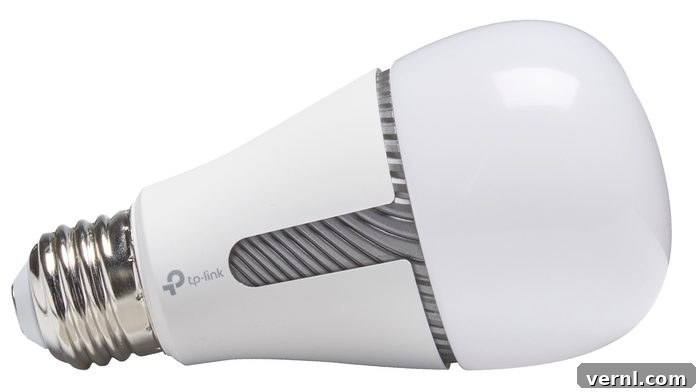
A. White: The Kasa Smart Wi-Fi LED Lightbulb offers reliable dimmable soft white light with easy Wi-Fi connectivity. It’s a fantastic entry point for those looking for fundamental smart light control without the need for a hub. Priced around $20, it provides excellent value for functional lighting needs.
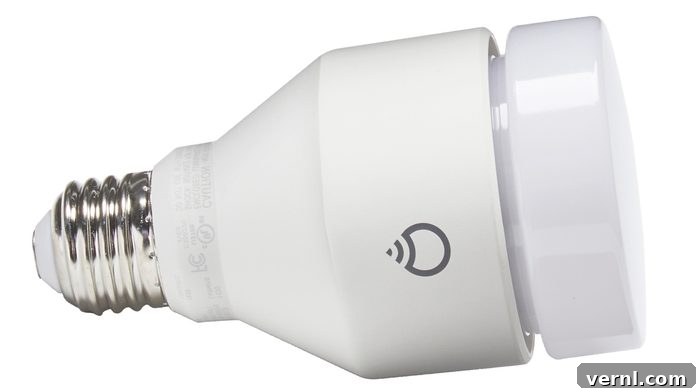
B. Multicolor: For vibrant colors and robust performance, the LIFX Multicolor Smart Wi-Fi LED Lightbulb is a top-tier hubless option. Known for its bright and accurate color reproduction, LIFX bulbs connect directly to your Wi-Fi, offering a full spectrum of colors and tunable white light. At approximately $50, it’s a premium choice for creative lighting.
HUB REQUIRED OPTIONS: Enhanced Reliability and Ecosystem Integration
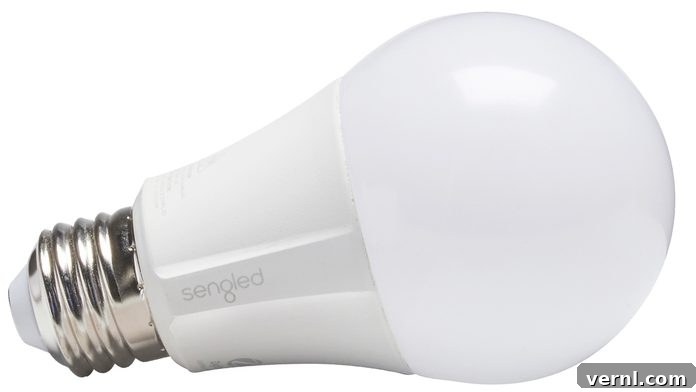
C. White: The Sengled Smart LED Lightbulb (Zigbee hub required) provides an affordable way to integrate reliable white smart lighting into a hub-based system. These dimmable soft white bulbs are compatible with popular hubs like SmartThings and Echo devices with built-in hubs. A pack of 4 for around $40 makes them an economical choice for expanding your smart home lighting (note: hub not included).
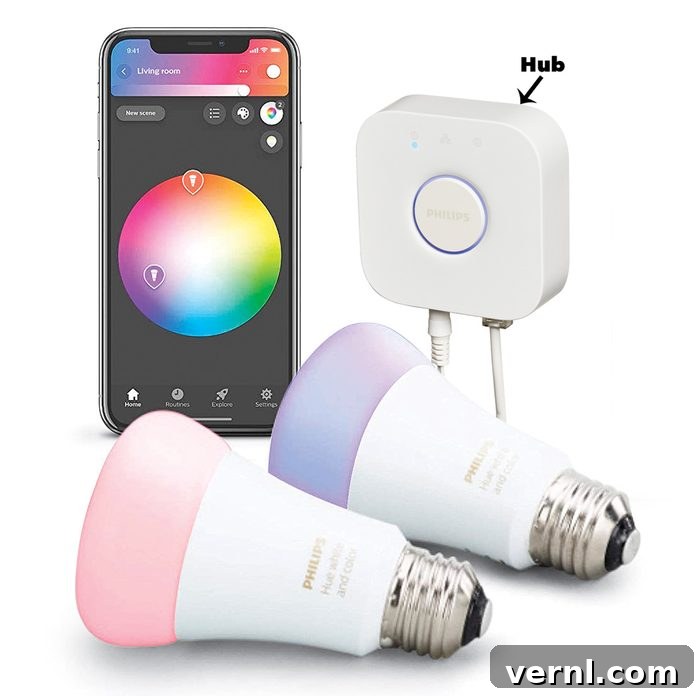
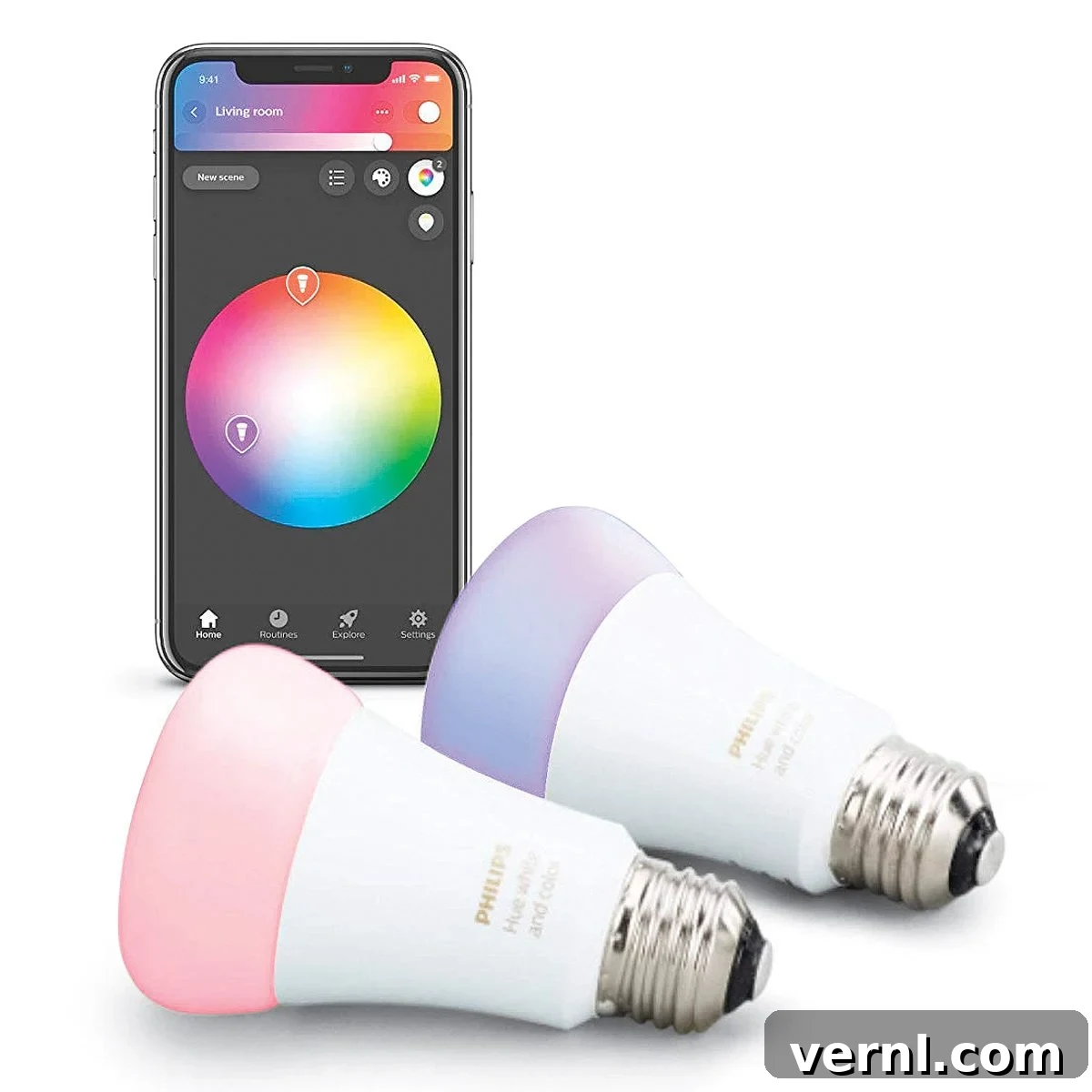
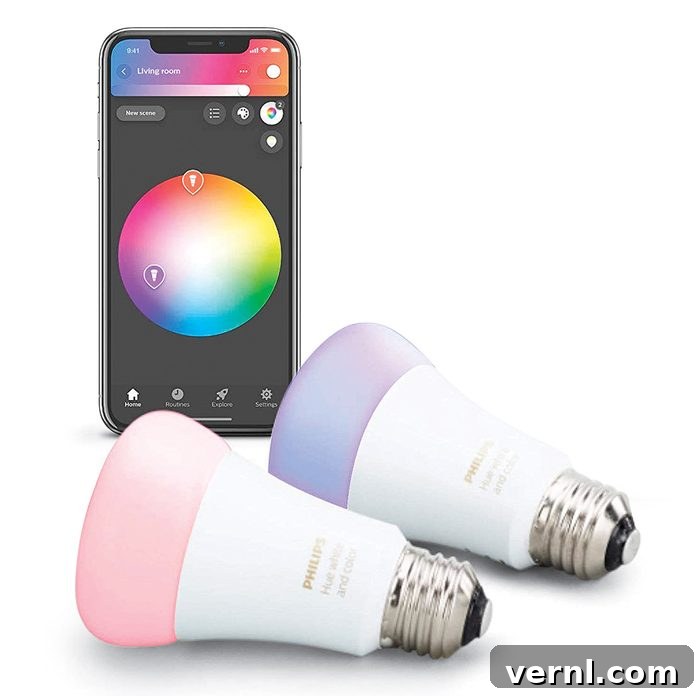
D. Multicolor: Considered the industry standard, the Philips Hue Starter Kit offers an unparalleled smart lighting experience. This kit, priced around $100, typically includes a Philips Hue Bridge (the hub) and two multicolor bulbs, providing everything you need to begin building a comprehensive and highly responsive smart lighting system. Hue is renowned for its vast ecosystem, deep integrations with other smart home platforms (Alexa, Apple HomeKit, Google Assistant), and exceptional color quality.
Looking for the best and most useful home tech to fill out your wish list or find techy gift ideas for others? These 36 smart home products are just what you’re looking for to complete your intelligent living space.
Every product is independently selected by our editors. If you buy something through our links, we may earn an affiliate commission.