
Debunking the Viral CleanTok Trend: Why Mopping Floors with Laundry Detergent is a Bad Idea
TikTok is a breeding ground for viral trends, and the cleaning corner of the platform, affectionately known as #CleanTok, is no exception. From satisfying ASMR cleaning videos to ingenious organization hacks, it seems there’s always a new technique capturing the attention of millions. The latest sensation sweeping through homes? Mopping floors with laundry detergent. While the idea might sound like a clever shortcut to some, promising sparkling floors and a fresh scent, cleaning experts are quick to warn against this increasingly popular method.
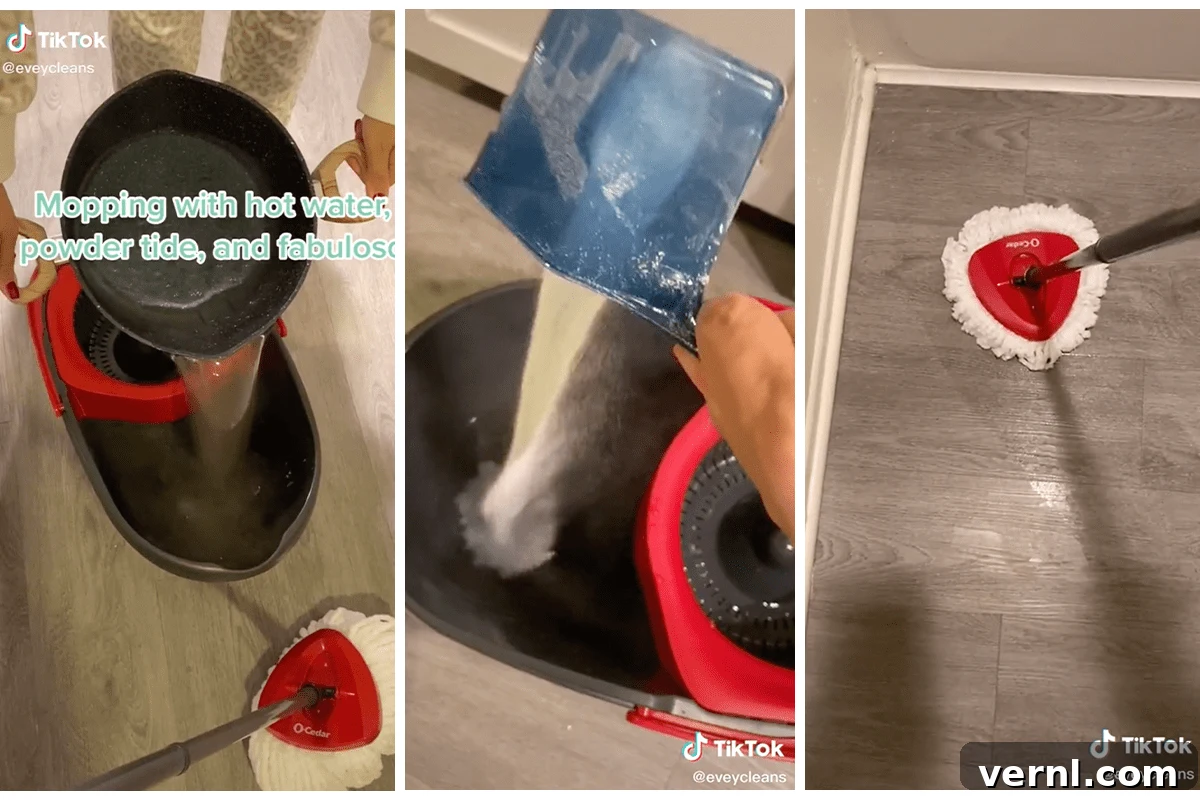
Many users on TikTok showcase their process, mixing laundry detergent – often in pod or powdered form – with hot water and other cleaners like Fabuloso or rubbing alcohol. They then vigorously swish a mop in this concoction and proceed to clean various floor types, including wood, tile, and laminate. The allure is often the potent, fresh scent that laundry detergents are known for, coupled with the visual satisfaction of seeing sudsy water clean supposedly dirty floors. But is this truly a revolutionary cleaning technique, or a recipe for disaster?
@eveyfairy showcases mopping with a mix including Tide and Fabuloso, generating a lot of foam and a perceived deep clean. This particular video, like many others, contributed to the widespread adoption of the trend on CleanTok, encouraging viewers to try this seemingly effective method for themselves. The comments often highlight the pleasant aroma left behind, further fueling its popularity. #ocedar #ocedarmop #tide #fabuloso #cleantok #cleaningtiktok #cleaningasmr #asmr #mopping #cleaningvideo #housecleaning ♬ original sound – Evey
Despite the visual appeal of these videos, the answer from professionals is a resounding no. Melissa Homer, the chief cleaning officer for MaidPro, starkly summarizes the situation: “This is the Tide Pod Challenge for grown-ups.” This comparison immediately flags the trend as potentially hazardous and ill-advised, echoing a previous viral challenge that saw dangerous misuse of laundry products. It’s clear that experts are not on board with using laundry detergent for floor cleaning.
The Appeal and Process: How CleanTokers Mop with Laundry Detergent
The core concept of this CleanTok trend is deceptively simple. Recipes circulating online vary slightly, but the general method involves combining a laundry detergent product with hot water, often from a kettle or pot, directly into a standard mop bucket. Some TikTok users opt for a single laundry pod, while others measure out a quarter scoop of powdered detergent. Interestingly, some even experiment with dishwashing pods, believing they might offer similar cleaning power.
To enhance the perceived cleaning efficacy and scent, additional ingredients are often tossed into the mix. Rubbing alcohol is a common additive, supposedly to aid in quick drying and provide disinfecting properties. Another popular choice, as observed in many videos, is Fabuloso, a multi-purpose cleaner known for its strong, pleasant fragrance. The mixture is then vigorously stirred or swished with the mop until the detergent fully dissolves, creating a frothy, fragrant solution. This solution is then used to mop various hard floor surfaces, including wood, tile, and laminate. A crucial omission in most of these viral tutorials is any mention of a rinsing step; the focus often remains on the immediate visual cleanliness and, perhaps most importantly, the lingering pleasant smell.
The Expert Verdict: Why Laundry Detergent and Floors Don’t Mix
While the immediate results of mopping with laundry detergent might seem impressive – a sudsy clean and an aromatic home – the long-term consequences, according to cleaning professionals, are far from ideal. Melissa Homer and Leslie Reichert, The Cleaning Coach, both emphatically dismiss this trend, highlighting several critical issues.
1. Residue Build-Up and Sticky Floors
The primary concern cited by experts is the inherent chemical composition of laundry detergent. “Detergents leave a film on floors, just as they are designed to do in clothing,” explains Leslie Reichert. Laundry detergents are formulated with surfactants specifically designed to cling to fabric fibers, lift dirt, and then be thoroughly rinsed away in a washing machine’s multiple cycles. When used on hard, non-absorbent floor surfaces, these surfactants don’t have anywhere to go after lifting the initial dirt. Instead, they re-deposit onto the floor, creating a sticky, soapy residue. This film is not only unpleasant to walk on but also incredibly difficult to remove without extensive rinsing.
2. Excessive Soap Concentration and Its Consequences
Consider the amount of water a washing machine uses: typically between 14 to 20 gallons per load. In contrast, a standard household mop bucket holds only about two gallons of water, and even large commercial mop buckets rarely exceed 6.5 gallons. When you add a single laundry pod, which is designed for a full load of laundry, to just two gallons of water, you’re creating a cleaning solution with up to ten times the amount of soap that volume of water can effectively handle. Homer cautions, “When you put too much soap in your mop water, the surfactants in the soap run out of dirt to stick to and attach to the floor instead, leaving a slippery, streaky, dirt-attracting residue that has to be rinsed off.” This high concentration means the detergent works against itself, creating more problems than it solves.
3. Creating More Work, Not Less
The promise of a quick, effective clean is often the main draw of these hacks. However, using laundry detergent for floors inevitably leads to more work. As Reichert emphasizes, “You need to work hard to get that film off, which means double or triple the work.” Without a thorough rinsing, the leftover film will quickly attract new dirt, dust, and grime, making your floors appear dirty again much faster. This defeats the purpose of cleaning and forces you to mop more frequently, spending more time and effort than if you had used the correct products in the first place.
4. Potential Damage to Floors
Beyond the surface residue, this trend poses a significant risk to the longevity and integrity of certain flooring types. Wood and laminate floors are particularly vulnerable. These materials can absorb excess moisture at their seams, leading to swelling, warping, and irreversible damage. The extensive rinsing required to remove the detergent film only exacerbates this risk, drenching the floors in water for prolonged periods. Learning how to mop wood flooring correctly, with minimal moisture, is crucial for its preservation. The harsh chemicals in laundry detergents, not intended for hard surfaces, could also strip finishes or cause discoloration over time.
5. Environmental Concerns and Waste
From an environmental perspective, using highly concentrated laundry detergent for mopping is also problematic. The excess soap and chemicals are eventually rinsed down the drain, contributing to water pollution. Furthermore, as Homer points out, it’s a “waste of money” to use an expensive, specialized product for a task it wasn’t designed for, especially when more affordable and effective floor-specific cleaners exist.
The Right Way to Achieve Sparkling Clean Floors
The most frustrating aspect of the laundry detergent mopping trend, as Melissa Homer notes, is its lack of a real problem to solve. There are already highly effective, purpose-built floor cleaners available that deliver superior results without the negative side effects. The desire for a pleasing scent often drives people to these unconventional methods, but this, too, is a misconception.
1. Embrace Purpose-Built Floor Cleaners
For truly clean, residue-free floors, always opt for cleaners specifically formulated for your floor type. Products like Mr. Clean with Gain, Pine-Sol Lavender, and even Fabuloso Professional Strength (when used correctly and diluted appropriately) are designed to clean effectively, rinse cleanly, and leave a fresh scent. They are formulated with the right balance of surfactants to lift dirt without leaving a sticky film, and they are typically much more cost-effective for floor cleaning than laundry detergent. It’s also worth noting that specific cleaners exist for specific tasks, for instance, understanding if Fabuloso works in toilet tanks is a different question altogether.
2. Prioritize Proper Dilution and Rinsing
Always follow the manufacturer’s instructions for dilution. Using too much of even the correct cleaner can lead to residue. For most floor cleaners, a light rinse with clean water after mopping is recommended, especially for heavily soiled areas, to ensure all cleaning agents are removed. This prevents streaks, stickiness, and future dirt attraction.
3. Consider Eco-Friendly and DIY Options
For those who prefer a more natural approach, Leslie Reichert, “The Cleaning Coach,” advocates for organic floor cleaners that rinse clean and are safe for both your home and the environment. Her book, The Joy of Green Cleaning, offers numerous recipes and tips for effective, natural cleaning. Simple solutions like white vinegar diluted in water can also be effective for certain floor types (though not recommended for natural stone or unsealed grout) and leave no residue.
4. Focus on Maintenance
Regular sweeping or vacuuming to remove loose dirt and debris is the first and most crucial step in floor maintenance. This prevents dirt from being turned into mud when you mop and significantly reduces the amount of cleaner needed. A consistent cleaning routine with the right products will keep your floors looking their best with minimal effort.
Conclusion: Opt for Wisdom Over Viral Hype
The appeal of a quick fix or a new cleaning “hack” found on social media is understandable. However, when it comes to the integrity of your home’s surfaces, it’s always best to rely on expert advice and proven methods. Mopping floors with laundry detergent is a prime example of a viral trend that promises more than it delivers. It’s an inefficient, potentially damaging, and ultimately counterproductive practice that leads to sticky floors, extra work, and wasted resources.
As Melissa Homer succinctly puts it, “You’re spending twice the money to make yourself more work, all to get a better smelling floor you could have gotten by simply buying a different scent of floor cleaner.” If the primary goal is a fresh-smelling home, invest in scented floor cleaners designed for the job, or even simpler, enjoy a lovely scented candle. Your floors, your wallet, and your precious time will thank you for choosing the right tools for the right task.