
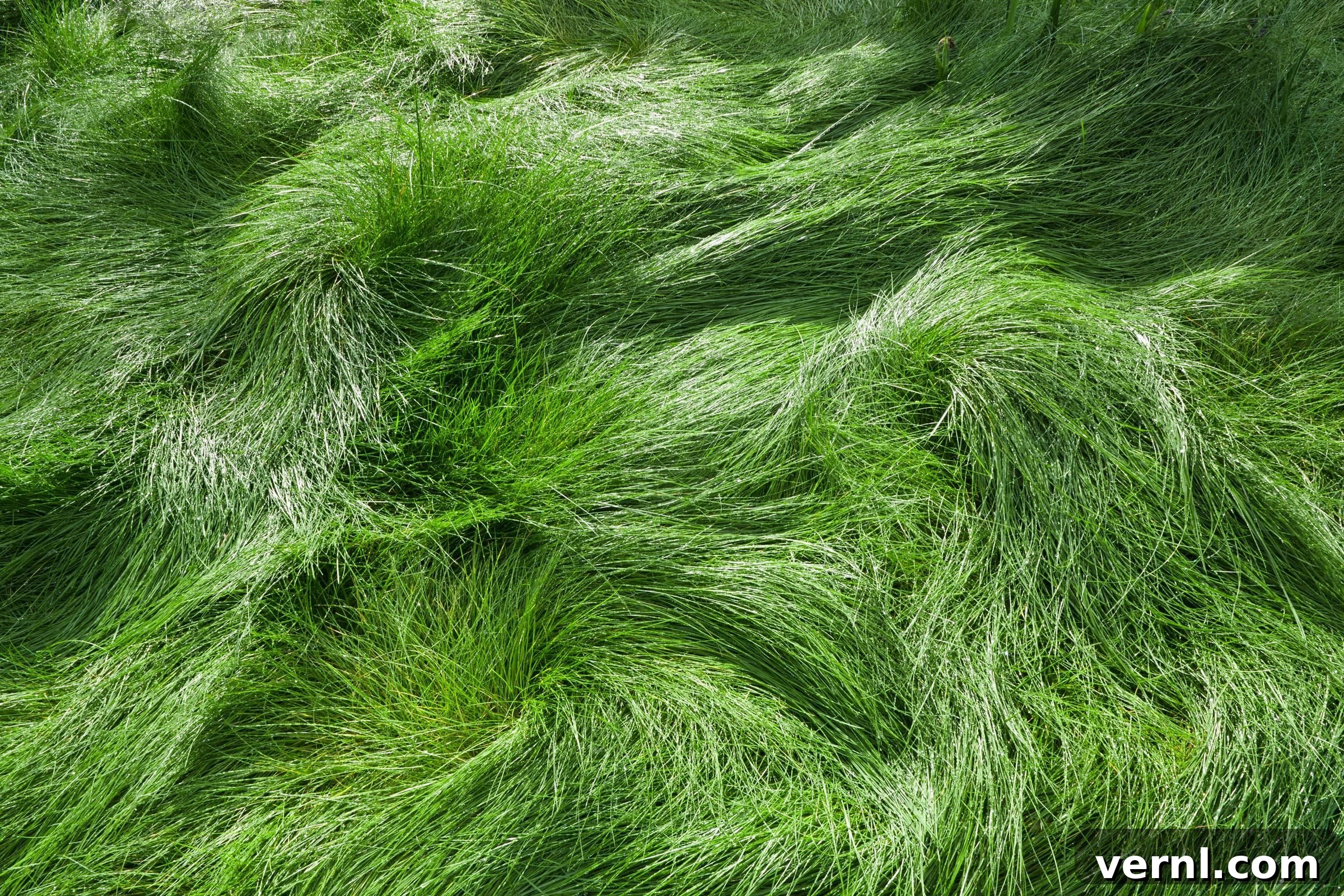
Embrace Effortless Beauty: Your Guide to No-Mow Grass for a Sustainable Lawn
For many, the scent of freshly cut grass evokes nostalgia, a symbol of a well-kept home. Yet, for an increasing number, the endless cycle of mowing, watering, and fertilizing has lost its charm. The dream of a lush, green lawn without the constant chore is becoming a reality with the rise of no-mow grass. While no grass truly eliminates mowing entirely (barring artificial turf), specific no-mow varieties come remarkably close, often thriving with just one or two mowings per year.
Imagine a vibrant landscape that demands minimal effort, conserves water, and supports local ecosystems. This isn’t a distant fantasy, but the promise of no-mow grass. As Stephen Capper, an Oakland, California-based landscape contractor, explains, “It’s a native grass that uses less water and grows in mounds.” More accurately, it’s typically a thoughtfully curated blend of fine fescues, available under various brand names at local seed and feed stores. Capper, for instance, sources his high-quality blends from reputable suppliers like Delta Bluegrass Company.
It’s crucial to understand that simply neglecting your existing lawn won’t achieve a no-mow paradise. While tall, untamed grass might appear to be a no-mow solution, it often leads to a proliferation of weeds and an unkempt appearance. True no-mow lawns require the right seed combination to ensure a dense, weed-resistant, and aesthetically pleasing outcome. Inspired by the ecological benefits of allowing lawns to grow freely, movements like No Mow May in Appleton, Wisconsin, have explored the impact of reduced mowing on biodiversity. While such initiatives demonstrate positive effects on pollinators, the full potential for a beautiful, low-maintenance lawn is best realized with a dedicated no-mow seed mixture.
What Exactly Is No-Mow Grass? Unveiling the Fine Fescue Blend
At its core, no-mow grass is an expertly formulated blend of various fine fescue species. These cool-season grasses are meticulously chosen for their ability to form a dense, lush green carpet that actively discourages weed growth once mature. Fine fescues are celebrated for their adaptability, thriving in full sun while also exhibiting a remarkable tolerance for partial shade. This makes them a versatile choice for many regions across the United States, though they are less suited for the intensely hot, sunny climates found in USDA Plant Hardiness Zones 8 through 10 (primarily the Deep South and Southwest).
Beyond their aesthetic appeal, fine fescues are renowned for their drought tolerance, making them an excellent choice for water-conscious homeowners. They prefer well-drained, sandy, or loamy soil and, perhaps most appealingly, require minimal to no fertilization. This inherent hardiness and low demand for resources significantly reduce the environmental footprint associated with traditional lawn care.
While specific blends may vary to cater to regional growing conditions, most effective no-mow mixes incorporate a synergy of the following five types of fescue, each contributing unique properties to the overall success of the lawn:
- Hard Fescue: A robust bunch grass known for its exceptional tolerance to heat, drought, and moderate foot traffic. It exhibits a slow growth habit, naturally reducing the need for frequent mowing. Its resilience makes it a cornerstone of many durable no-mow blends.
- Sheep Fescue: Another drought-tolerant bunch grass that contributes to the slow-growing nature of the blend. Similar to hard fescue, it is incredibly self-sufficient, requiring little to no nitrogen and rarely needing fertilization, if at all. This further reinforces the low-maintenance aspect of a no-mow lawn.
- Chewings Fescue: This bunch grass is prized for its high quality and its ability to impart a deep, rich green coloration to the lawn, enhancing its visual appeal. It is the most competitive of the bunch grasses, effectively crowding out unwanted weeds and contributing to the overall density of the turf. However, it is less tolerant of heavy foot traffic and can form a thatch layer that may require periodic removal to maintain optimal health.
- Red Fescue (Creeping Red Fescue): This variety stands apart as a creeping fescue, playing a crucial role in filling in the spaces between the individual bunches of other fescues. It creates a dense, interwoven sod that gives the lawn a uniform and complete appearance. Red fescue is highly shade-tolerant, making it ideal for areas with reduced sunlight, and its impressive salt tolerance makes it a suitable choice for coastal regions.
- Strong Creeping Red Fescue: A close relative to Red Fescue, this variant also excels at knitting the lawn together, ensuring a thick, continuous cover. It is one of the most all-around tolerant fescue strains, adding resilience and adaptability to the blend, performing well in a variety of conditions.
The collective strength of these fescue varieties results in a dense, vibrant green lawn that demands only occasional mowing. Homeowners with established no-mow lawns typically find themselves mowing once in the spring when seed heads become prominent, and then perhaps once more in the fall. Landscape contractor Stephen Capper advises maintaining a mowing height of 4 inches or more when you do mow, as this helps prevent damage to the plants and encourages their natural mounding growth habit.
Beyond Fescue: Exploring No-Mow Grass Alternatives
While fine fescues are the stars of the no-mow world, they aren’t the only option for creating a low-maintenance landscape. Several other plant and grass varieties can effectively serve as no-mow lawn alternatives, each with its unique characteristics and regional suitability:
- Buffalograss: A fantastic warm-season alternative, particularly well-suited for southern and plains states. Buffalograss is inherently drought-tolerant and slow-growing, making it an excellent choice for arid climates. While it can thrive with minimal fertilizer, it is generally not as robustly weed-resistant as fescue blends and may occasionally require targeted weed control. It also prefers heavier clay soils and does not perform well in sandy conditions.
- Zoysia tenuifolia (Temple Grass): This specific strain of Zoysia, often referred to as temple grass, is a slow-growing, warm-season grass ideal for sunny or partially shaded locations. Unlike many other fast-spreading Zoysia varieties, Zoysia tenuifolia maintains a compact, dense habit that doesn’t necessitate regular mowing. However, it establishes quite slowly, requiring patience during its initial growth phase. It also needs well-drained, loamy soil and benefits from bi-yearly fertilization to maintain its vigor and deep green color.
- Ground Covers: For a truly unique and diverse no-mow solution, various ground covers offer beautiful and functional alternatives to traditional grass. Popular choices include:
- Carpet Sedum (Stonecrop): A succulent ground cover that creates a dense mat, tolerating poor soils and drought conditions once established. It offers interesting textures and often produces small flowers.
- Hosta: While not a turf-like ground cover, hostas are excellent for shaded areas where grass struggles. They provide lush foliage and a variety of leaf shapes and colors, creating a low-maintenance, ornamental landscape.
- Dutch White Clover: An excellent nitrogen-fixing plant that enriches the soil and produces charming white flowers. Clover lawns are incredibly drought-tolerant, stay green longer, and are beneficial to pollinators. They can be mowed occasionally for a tidier look or left to grow naturally.
It’s essential to consult with your local garden center or extension office to determine the best ground cover varieties for your specific climate and growing conditions.
The Rewards and Realities: Pros and Cons of No-Mow Grass
Choosing a no-mow lawn comes with a distinct set of advantages and a few considerations. Understanding both sides helps homeowners make an informed decision about this innovative landscaping solution.
Outstanding Advantages of No-Mow Grass:
The primary and most celebrated benefit of no-mow grass is the dramatic reduction in mowing frequency, typically to just once or twice a year. This frees up valuable time and reduces the reliance on noisy, fuel-consuming lawnmowers. But the benefits extend much further:
- Minimal Resource Needs: No-mow grass varieties, especially fine fescues, are exceptionally drought-tolerant, significantly reducing water consumption. They also require little to no fertilizer, cutting down on chemical runoff and promoting a healthier soil ecosystem.
- Rapid Establishment: Many no-mow seed blends establish relatively quickly, forming a protective, dense cover that helps prevent weed invasion from the outset.
- Biodiversity Boost: A no-mow lawn fosters a richer ecosystem by creating a hospitable habitat for beneficial insects, pollinators (especially if allowed to flower), and small wildlife. This contributes to local biodiversity and supports a healthier environment.
- Natural Weed Inhibition: The dense, mounding growth habit of fine fescue blends naturally crowds out most weeds, reducing the need for herbicides and extensive weeding.
- Comfortable Walking Surface: Despite its natural, untamed look, a mature no-mow lawn forms a soft, springy carpet that is surprisingly comfortable to walk on, inviting barefoot strolls.
- Reduced Carbon Footprint: Less frequent mowing means fewer greenhouse gas emissions from gas-powered mowers, contributing to cleaner air and a smaller environmental impact.
- Unique Aesthetic Appeal: No-mow lawns offer a softer, more natural, and flowing appearance compared to rigidly manicured turf. This can create a distinct and beautiful landscape that complements various architectural styles.
Potential Downsides of No-Mow Grass:
While the advantages are compelling, it’s important to be aware of the practical realities and potential drawbacks:
- More Challenging Mowing (When Necessary): When it does come time to mow, the job can be more difficult. The grass will be longer and denser than conventional turf, requiring a slow pace and often a powerful mower. You’ll also need to plan for the removal and disposal of a significantly larger volume of clippings.
- Edge Maintenance: The natural growth habit of no-mow grass means it can intrude into walkways, garden beds, and hardscaping. Periodic clipping or edging will be necessary to maintain clean lines and prevent overgrowth in undesired areas.
- Moisture Retention: The dense, taller growth of no-mow grass holds moisture more effectively. While beneficial for drought tolerance, it also means your shoes and pant legs will likely get soaked if you walk on the lawn after a rain or when dew is present.
- Initial Appearance: During the establishment phase, and even in its mature state, a no-mow lawn will look different from a traditional lawn. Some people may prefer the uniform, bowling-green look of conventional turf over the natural, sometimes “shaggy” appearance of no-mow grass.
- Weed Management During Establishment: While mature no-mow lawns inhibit weeds, the initial establishment phase is crucial. Weeds can compete with the young fescue, requiring vigilance and proactive management until the grass forms a dense cover.
Where to Source Your No-Mow Grass and How to Get Started
Ready to transition to a beautiful, low-maintenance landscape? No-mow seed blends are readily available under various brand names, each offering a unique combination of fescue species tailored for specific conditions. Look for popular options such as No-Mow-Lawn, Eco-Lawn, and Let It Grow. Your local seed outlets are an excellent resource, as they typically stock blends specifically formulated for your regional climate and soil conditions, increasing your chances of success.
For those seeking an instant transformation, no-mow turf (sod) may also be available from specialized nurseries or landscape suppliers, offering a quicker establishment. Online, you can purchase directly from the producers or from reputable third-party suppliers like Prairie Nursery, ensuring a wider selection and convenience.
Establishing Your No-Mow Haven: A Step-by-Step Guide
Creating a new no-mow lawn follows many of the same principles as establishing any other type of lawn, with a few key distinctions. Proper preparation is paramount for long-term success:
- Site Preparation is Key: Begin by thoroughly preparing the site. If you have existing grass or persistent weeds, they must be eliminated. Methods include solarization (covering the area with clear or black plastic for several weeks to superheat the soil), repeated tilling, or approved organic herbicides. Ensure the area is free of debris and compacted soil.
- Soil Testing (Recommended): Although no-mow fescues are adaptable, a soil test can provide valuable insights into your soil’s pH and nutrient levels. This allows you to make any necessary amendments, such as adding organic matter or adjusting pH, for optimal growth.
- Seed Spreading: Once the soil is prepared, evenly spread your no-mow seed blend according to the manufacturer’s recommendations. A broadcast spreader can help ensure uniform distribution. Lightly rake the seeds into the top 1/4 inch of soil to ensure good seed-to-soil contact.
- Initial Watering Regimen: Consistent moisture is critical during germination and establishment. Water the newly seeded area twice or three times a day with a light mist to keep the top inch of soil consistently moist, but not waterlogged. Continue this regimen until the grass emerges and becomes well-established, typically several weeks.
- Reduced Watering Once Established: Once your no-mow lawn is established and showing robust growth, its drought tolerance kicks in. At this point, the lawn should be able to survive primarily on natural rainfall, requiring supplemental watering only during prolonged dry spells.
- Fertilization (Minimal): Generally, you won’t need to fertilize when sowing no-mow seed. These varieties are adapted to low-nutrient environments. However, extremely sandy soils might benefit from a light application of a balanced, slow-release organic fertilizer or the addition of a thin layer of compost or topsoil turned into the seedbed to provide initial nutrients.
- Weed Management During Establishment: Keep a close eye on weeds during the first few months. Hand-pulling is often the best method to remove competing weeds without harming the young fescue. Once the fescue is dense, it will naturally suppress most new weed growth.
Common Questions About No-Mow Grass (FAQs)
How expensive is no-mow grass compared to traditional lawn seed?
The upfront cost for no-mow grass seed is generally higher than conventional turfgrass seeds. A 5-lb. bag of no-mow grass seed typically costs anywhere from $40 to $60. However, as lawn expert Skye Durrant notes, “No mow grasses typically cost 20–30% more up front, but the price pays off with reduced mowing and watering needs long-term.” The savings in fuel, maintenance, and water over the years often make it a more economical choice in the long run.
How do I determine which no-mow grass blend is best for my yard?
Selecting the ideal no-mow grass blend hinges on two primary factors: your local climate and the amount of sunlight your yard receives. “Match the type of no mow grass to your climate,” advises Skye Durrant. “For example, fine fescue works well in cooler zones, while buffalo grass thrives in warm, dry regions.” Consider areas of sun, shade, soil type (sandy, clay, loamy), and your USDA Plant Hardiness Zone. Consulting with local garden center experts or your regional agricultural extension office can provide tailored recommendations for your specific microclimate.
Does no-mow grass really require no mowing?
While the name suggests “no mowing,” it’s more accurate to say “minimal mowing.” Most no-mow fescue lawns benefit from one to two mowings per year. This helps to remove seed heads, encourage fresh growth, and maintain a healthier, tidier appearance. The goal is to drastically reduce, not entirely eliminate, the chore of mowing.
Is no-mow grass suitable for areas with heavy foot traffic?
Some fine fescues, particularly hard fescue, show good tolerance to moderate foot traffic. However, no-mow lawns generally aren’t designed for heavy, continuous use like a sports field or a high-traffic play area. For areas experiencing consistent heavy use, incorporating stepping stones or pathways might be a better solution to protect the integrity of your no-mow turf.
How long does it take for a no-mow lawn to establish?
The establishment period for a no-mow lawn can vary depending on the seed blend, planting conditions, and climate, but generally, you can expect visible germination within 7-14 days. It can take several weeks to a few months for the lawn to fully thicken and become robust enough to withstand typical foot traffic and effectively suppress weeds. Patience during this initial phase is crucial.
About Our Esteemed Experts
- Skye Durrant is the visionary founder of LawnGuru, a highly successful platform that seamlessly connects thousands of homeowners with top-tier landscaping professionals across various regions. He is also a co-founder at Ventures Design, Michigan’s premier landscape design and build company, bringing extensive knowledge and practical experience in sustainable lawn care and outdoor living spaces.
- Stephen Capper is a highly respected landscape contractor based in Oakland, California. With years of experience transforming outdoor spaces, Stephen provides valuable insights into practical, environmentally friendly landscaping solutions tailored to specific regional needs.