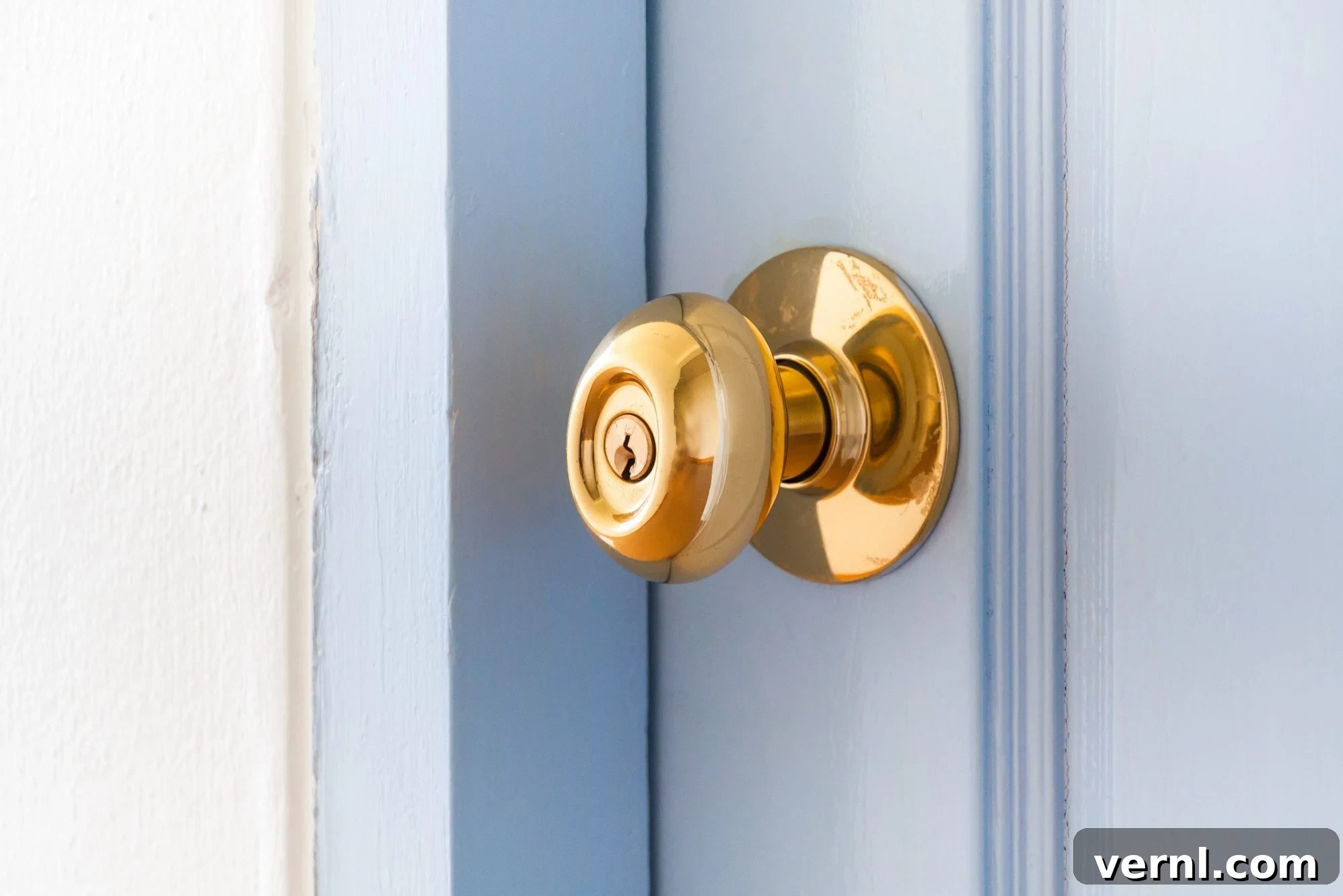
Whenever you step into an older home, a sense of history often greets you, visible in a myriad of peculiar features. From elegantly matching front doors that once served specific social functions to the intriguing razor slits in medicine cabinets, these vestiges of a bygone era infuse spaces with undeniable rustic charm. While many of these antique elements have lost their original utility, some surprisingly retain significant modern-day benefits. Among them, brass doorknobs stand out, admired not just for their timeless beauty but also for an extraordinary property that makes them far more than mere decorative hardware.
The Enduring Legacy: A Brief History of the Modern Doorknob
The journey of the modern doorknob from a simple latch to an intricate piece of engineering and design is fascinating. While elaborate ceramic and china doorknobs gained popularity in sophisticated French and English estates, the cast-metal doorknob, as we recognize it today, truly came into its own in the mid-19th century in America. This period, marked by rapid industrialization and innovation, saw a surge in patents for various mechanical devices. Between 1830 and 1873, an astonishing number—over 100 doorknob patents—were filed, reflecting intense competition and a quest for perfection in this everyday item.
Despite the numerous contributors, the pivotal invention of the doorknob mechanism is largely attributed to a remarkable 16-year-old Black inventor named Osbourne Dorsey in 1848. Dorsey’s innovative design simplified the internal workings, making doorknobs more reliable, easier to manufacture, and widely accessible. His contribution laid the groundwork for the modern doorknob, transforming it from a rudimentary latch into an integrated system of handle, spindle, and lock that we use daily.
Initially, the core structure of these early doorknobs was typically forged from robust but aesthetically plain materials like steel or iron. To enhance their visual appeal and provide a more refined finish, manufacturers began coating them with thin layers of more attractive metals. Bronze and brass were prime candidates for this purpose. Soon, brass—a versatile, durable, and relatively inexpensive alloy primarily composed of copper and zinc—emerged as the preferred veneer. Its warm, lustrous gleam and resistance to corrosion made it an ideal choice for both functional and decorative hardware.
What these pioneering manufacturers could not have known at the time was that they were incorporating a material with an incredible hidden benefit. Centuries later, scientists would make a groundbreaking discovery: this humble alloy possessed potent anti-microbial and disinfectant properties, adding an entirely new dimension to its enduring appeal.
Beyond Beauty: Do Brass Doorknobs Disinfect Themselves?
The idea of a doorknob actively cleaning itself sounds almost magical, yet for brass, it is a scientific reality. To a significant extent, yes, brass doorknobs exhibit a remarkable capacity for self-disinfection. This phenomenon is driven by a process famously known as the “oligodynamic effect.” This effect refers to the ability of certain metals, particularly copper and its alloys like brass, to self-disinfect over time by exerting a toxic effect on microorganisms.
The science behind this is fascinating. When bacteria, viruses, or other pathogens come into contact with a brass surface, copper ions within the alloy are released. These ions are extremely reactive and immediately begin to interact with the microbial cells. They attack the cell membranes, causing structural damage and leakage of vital intracellular components. Furthermore, copper ions interfere with the metabolic processes of the microorganisms, binding to and disrupting enzymes and proteins essential for life. Crucially, they also damage the DNA and RNA of these cells, preventing replication and leading to the eventual destruction of the pathogen. This destructive process can be remarkably fast, often annihilating many types of cells in as little as 15 minutes, significantly reducing the microbial load on the surface.
The efficacy of copper alloys in combating harmful pathogens has been rigorously studied. For instance, one seminal 2015 study provided compelling evidence for this antimicrobial action. Researchers found that when frequently touched medical components, such as bed rails and IV poles, were fabricated from copper alloys, there was an “83% reduction in bacteria … compared to the surfaces made from standard materials.” This dramatic reduction in bacterial presence highlights the profound public health implications of using brass in high-traffic environments, from hospitals to homes.
This self-disinfecting property offers a stark contrast to other commonly used materials. Consider stainless steel, a ubiquitous material in both clinical and domestic settings due to its perceived cleanliness and modern aesthetic. While durable and non-corrosive, stainless steel lacks the oligodynamic effect of copper. As a result, it can harbor numerous pathogens and other microorganisms that stubbornly “evade cleaning regimens,” making it a potential breeding ground for germs. The difference is truly significant, making brass doorknobs not just a design choice, but a proactive step towards a healthier living environment.
Answering the Crucial Question: Do Brass Doorknobs Still Need to Be Cleaned?
Given their impressive antimicrobial capabilities, it might be tempting to assume that brass doorknobs are entirely self-sufficient in maintaining hygiene. However, it’s vital to clarify this point: while brass doorknobs possess a remarkable inherent ability to reduce pathogen counts, they are not a foolproof or complete disinfectant. The oligodynamic effect significantly mitigates the spread of microorganisms, but it does not sterilize a surface.
Regular and effective cleaning of brass doorknobs remains an essential practice. Firstly, the oligodynamic effect primarily targets living microorganisms; it doesn’t remove dirt, grime, oils, or residues that accumulate on high-touch surfaces. These visible contaminants can diminish the aesthetic appeal of your brass fixtures and may also create a barrier that slightly impedes the full exposure of pathogens to the copper ions. Secondly, while the effect is powerful, it may not instantly eliminate every single pathogen, particularly if a heavy load of microorganisms is present or if the surface is consistently re-contaminated. Therefore, to ensure optimal hygiene, maintain their lustrous appearance, and maximize the effectiveness of their natural properties, brass doorknobs still absolutely need to be cleaned regularly and thoroughly. This combination of natural antimicrobial action and routine cleaning offers the best of both worlds: beauty, durability, and superior home sanitation.
A Practical Guide: How to Clean Brass Doorknobs Effectively
Cleaning brass doorknobs not only restores their beautiful shine but also ensures their antimicrobial properties are working at their best by removing surface grime. Fortunately, maintaining brass hardware doesn’t require harsh chemicals or specialized equipment. The easiest and most effective methods utilize common household products that are both gentle on the metal and highly efficient. You can choose between using a commercial cleaner like Bar Keeper’s Friend or a natural, homemade paste of lemon juice and baking soda.
Essential Equipment:
Before you begin, gather these simple items to make the cleaning process smooth and effective:
- A Bar Keeper’s Friend (BKF) powder or liquid, or alternatively, fresh lemon juice and baking soda. If using lemon juice and baking soda, a small amount of vinegar can be substituted for lemon juice for its acidic properties.
- A small old toothbrush or a soft-bristled brush – perfect for intricate details and hard-to-reach crevices.
- A sturdy screwdriver, specifically matched to your doorknob’s screws, if you plan to remove the knob for a thorough clean.
- Warm water – for soaking and rinsing.
- Mild dish soap (optional) – particularly useful for very grimy doorknobs.
- A soft, damp cloth – for wiping off cleaning solutions and rinsing.
- A clean, soft, dry cloth – for buffing and polishing to a brilliant shine.
Step-by-Step Directions for a Sparkling Clean:
Follow these steps for optimal results, ensuring your brass doorknobs are both clean and sanitarily beneficial:
- Preparation and Initial Soak: Begin by carefully removing the doorknob from the door using the screwdriver. This allows for a comprehensive clean of all surfaces and ensures no cleaning agents damage the door itself. Once removed, gently brush off any loose dust, cobwebs, or debris using the old toothbrush. Then, immerse the doorknob in a bowl of warm water for one to two minutes. If the knob is exceptionally grimy or shows signs of heavy buildup, add a small drizzle of mild dish soap to the water to help loosen the dirt.
-
Applying the Cleaning Solution:
- If using Bar Keeper’s Friend: Do not dry the knob after its initial soak. While still damp, sprinkle a small amount of BKF powder directly onto the surface of the doorknob. For liquid BKF, apply a small amount to a damp cloth and then to the knob.
- If cleaning with lemon juice and baking soda: In a small, non-metal bowl, mix approximately one teaspoon of baking soda with just enough fresh lemon juice to form a thick, spreadable paste. The consistency should be similar to toothpaste. Once the paste is ready, generously slather it over all surfaces of the doorknob, ensuring an even coating. The acidic nature of the lemon juice reacts with the baking soda to create a mild abrasive cleaner that is effective against tarnish and grime.
- Gentle Scrub and Rinse: Using the old toothbrush, gently but firmly scrub the doorknob. Pay close attention to any intricate designs, crevices, or areas where grime tends to accumulate. As you scrub, feel free to add a little more water (for BKF) or lemon juice (for the paste) as needed to maintain a workable consistency and to keep the surface lubricated. Continue scrubbing for one to two minutes, or longer for heavily tarnished knobs, until you see the grime and tarnish begin to lift. Afterward, thoroughly rinse the knob under warm running water to remove all traces of the cleaning agent. Ensure no residue remains.
-
Buffing, Drying, and Reinstallation: Once rinsed, use the soft, damp cloth to buff the knob, removing any final smudges or water spots. This also helps to ensure a uniform clean. Immediately follow this by drying and polishing the doorknob with the clean, soft, dry cloth. Buffing vigorously will bring out the natural luster and shine of the brass. Once impeccably clean and dry, carefully reattach the doorknob to your door. And voila! You now have a beautifully shiny and sanitized fixture that will contribute to the cleanliness of your home for years to come. Remember to incorporate this cleaning secret into your regular home maintenance routine to keep your brass doorknobs sparkling and working their antimicrobial magic throughout the year.
Regular cleaning not only preserves their aesthetic appeal but also ensures the copper ions are readily exposed to act against microorganisms, maximizing the health benefits these classic fixtures inherently offer.