
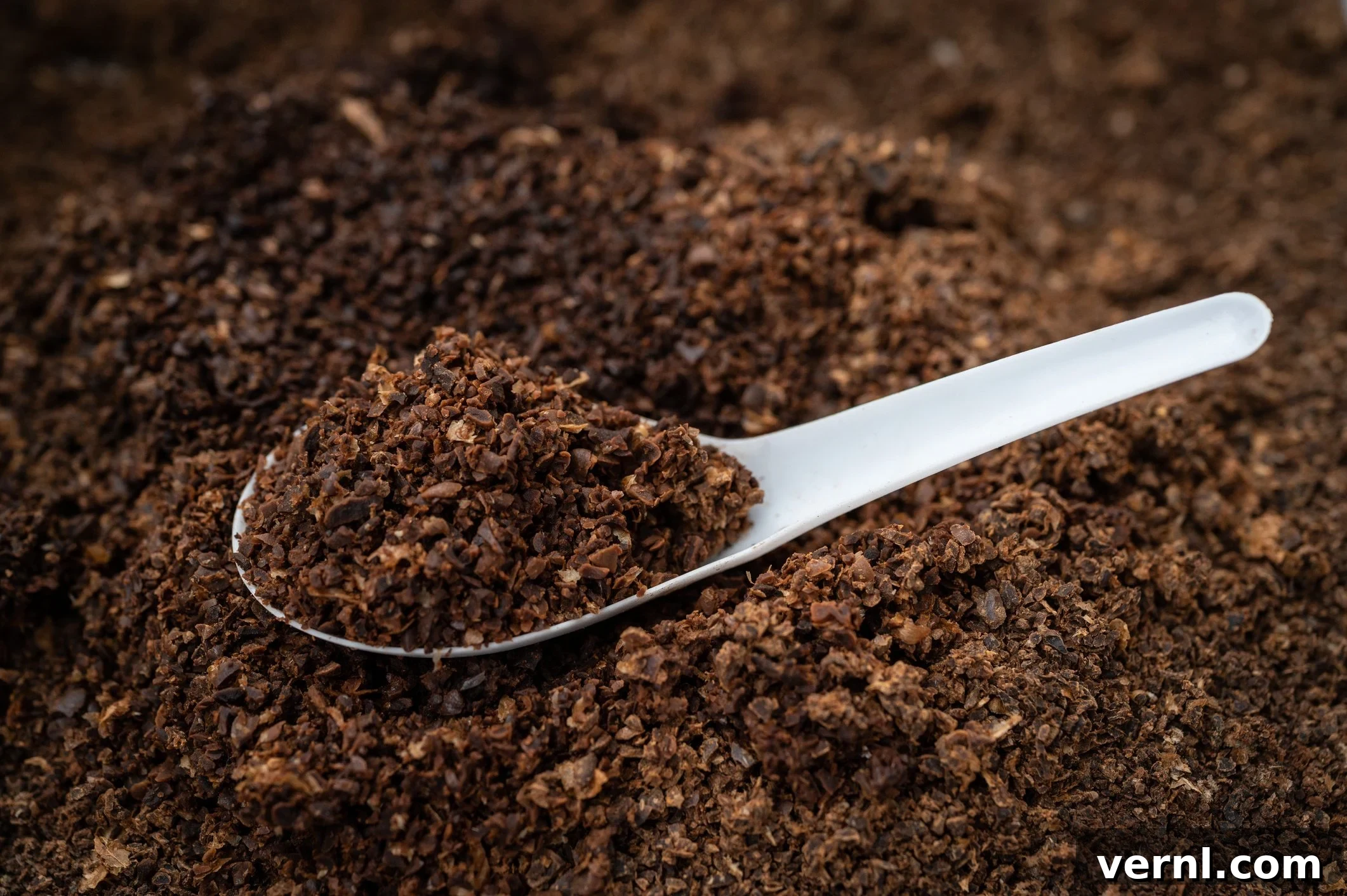
If you’re looking for sustainable and natural solutions to enhance your garden, you might be surprised to find a powerful ally brewing right in your kitchen: used coffee grounds. Beyond their morning energizing capabilities, these humble discards offer a wealth of benefits for your plants and soil, transforming from kitchen waste into a valuable gardening resource. From naturally deterring common garden pests to enriching the soil with essential nutrients, coffee grounds present an eco-friendly and effective way to cultivate a thriving garden.
Doug Oster, a respected gardening author and co-host of The Organic Gardener radio show, enthusiastically endorses the integration of coffee grounds into daily gardening practices. He states, “It is easy to get, it breaks down quickly, and like all living matter, it will compost.” This highlights the accessibility, biodegradability, and inherent organic value of coffee grounds, making them an ideal component of any gardening routine.
Embracing recycled coffee grounds as a natural fertilizer and soil amendment for your plants is more than just a gardening tip; it’s a step towards a more environmentally conscious lifestyle. It offers a simple yet impactful method to minimize household waste, reduce reliance on synthetic chemicals, and foster robust plant growth. Whether you tend to a compact indoor plant collection or manage an expansive outdoor landscape, understanding the correct application of coffee grounds can unlock their full potential, ensuring your green spaces flourish sustainably.
The Remarkable Benefits of Coffee Grounds for a Thriving Garden
Utilizing coffee grounds in your garden brings a multitude of advantages, both for your plants and the environment. This simple act of recycling can significantly improve soil health, nurture plant growth, and contribute to a more sustainable planet.
- Soil Enrichment and Waste Reduction: Incorporating used coffee grounds into your garden significantly improves soil quality while simultaneously diverting organic waste from landfills. This dual benefit underscores their value in sustainable gardening practices, helping to close the loop on kitchen waste.
- Enhanced Soil Structure: Gently tilling used coffee grounds into the soil can dramatically improve its physical structure. Their granular texture aids in better aeration, allowing plant roots to breathe more effectively, and enhances drainage, preventing waterlogging. Simultaneously, coffee grounds possess excellent water retention properties, helping soil stay moist for longer periods, which is particularly beneficial in drier climates or during hot spells.
- Vital Nutrient Boost: Coffee grounds are a valuable source of nitrogen, a primary macronutrient essential for vigorous plant growth. Nitrogen plays a crucial role in the development of lush, green foliage, contributing to photosynthesis and overall plant vitality. As the grounds decompose, they slowly release this nitrogen into the soil, providing a sustained feeding source for your plants. This slow-release mechanism is often preferred over synthetic fertilizers that can wash away quickly, making coffee grounds a superb natural alternative, much like using wood ash in the garden for other nutrients.
The type of coffee you consume, whether decaf or regular, makes no difference when it comes to gardening; both provide beneficial properties. However, used coffee grounds are generally considered the “gold standard” for garden application. The brewing process neutralizes much of the acidity present in fresh coffee grounds, making them suitable for a wider range of plants. While some specific acid-loving plants can tolerate unbrewed grounds, the versatility of spent grounds makes them a more universal choice.
For indoor plants, a modest application of about a teaspoon of spent coffee grounds mixed into the topsoil can work wonders for most varieties. For an even more diluted approach, the dregs from your coffee pot, significantly watered down, can be used for occasional watering, providing a gentle nutrient boost. However, caution is advised when using coffee grounds with succulents and other plants that prefer dry soil conditions. Their excellent water retention can lead to excessive moisture, potentially causing root rot, a common issue for these specific plant types. Always monitor soil moisture levels closely to prevent overwatering.
Which Plants Thrive with Coffee Ground Applications?
Both indoor and outdoor plants can benefit from the enriching properties of coffee grounds, but successful application hinges on understanding your plants’ specific needs. A one-size-fits-all approach is not recommended; instead, tailor the type and method of application to suit your garden’s inhabitants.
Sonia Uyterhoeven, the esteemed head of horticulture at New Jersey’s Greenwood Gardens, emphasizes the superiority of already-brewed coffee for general garden use. She explains, “When you make coffee, all acidity gets washed out.” This crucial detail means that spent coffee grounds will not significantly alter the pH level in your garden soil, making them a safe and effective amendment for most plants. You can blend these used grounds directly into the soil across various garden beds, or, as Uyterhoeven prefers, integrate them into your compost pile. Composting coffee grounds often creates a more balanced and nutrient-rich garden food overall, allowing for gradual release of benefits without direct soil pH concerns.
Conversely, coffee grounds that have been roasted but never brewed retain their natural acidity, making them an excellent choice for plants that specifically thrive in acidic environments. These include a beautiful array of ornamental shrubs such as rhododendrons, azaleas, hydrangeas, Pieris andromeda, and camellia. For these acid-loving species, Uyterhoeven suggests sprinkling a thin layer of unbrewed grounds around the base of the plants, ideally topped with a layer of mulch. This method helps to slowly lower the soil pH over time, creating optimal conditions for these plants to absorb nutrients and flourish.
For vegetable gardens, Doug Oster specifically recommends using composted coffee grounds rather than applying them directly. Certain vegetables, particularly those that prefer or benefit from slightly acidic conditions and higher nitrogen levels, respond exceptionally well. Blueberries, for instance, are renowned for their preference for acidic soil, making composted coffee grounds a perfect complement. Leafy greens such as spinach, lettuce, arugula, and mustard greens also benefit significantly from the nitrogen boost, which promotes vigorous leaf development and a vibrant green color, essential for their healthy growth.
Plants That May Not Benefit from Coffee Grounds
While coffee grounds offer numerous advantages, it’s crucial to acknowledge that not all plants respond favorably to their direct application. Understanding these sensitivities can prevent potential harm and ensure your gardening efforts are always beneficial.
Consider your vegetable garden. If your goal is to grow healthy, productive food crops like tomatoes, peppers, or most types of lettuce, it’s generally best to avoid adding fresh or even brewed coffee grounds directly to their soil. These plants often require specific nutrient balances that can be disrupted by direct coffee ground applications. For optimal vegetable growth, Oster recommends relying on plant-specific fertilizers, well-rotted manure, or a balanced, fully decomposed compost. These alternatives provide a more controlled and comprehensive nutrient profile essential for robust vegetable yields.
Furthermore, coffee grounds, especially when applied directly and in concentration, may deter the delicate process of seed germination and the early growth of seedlings. The compounds in coffee can act as mild inhibitors to newly emerging plants. Therefore, it’s advisable to skip coffee grounds in areas where you’ve recently sown seeds or where tender seedlings are developing, as this could impede their establishment.
On a more positive note, some plants that don’t appreciate the leftovers from your morning brew are actually undesirable in the garden: weeds! The properties of coffee grounds, particularly their acidity (if unbrewed) and certain compounds, can inhibit the growth of many common weeds. This makes them a potentially effective and pleasantly scented organic weed deterrent. You might consider experimenting with coffee grounds in areas where weeds typically self-sow and thrive, turning a nuisance into an opportunity for natural control.
In all cases, we strongly recommend exercising caution and thoroughly researching your specific plants’ requirements before using coffee grounds as an organic soil amendment. Each plant has unique needs, and understanding these can ensure that your efforts in soil enrichment contribute positively to their health and vitality.
Practical Guide: How to Effectively Use Coffee Grounds for Your Plants
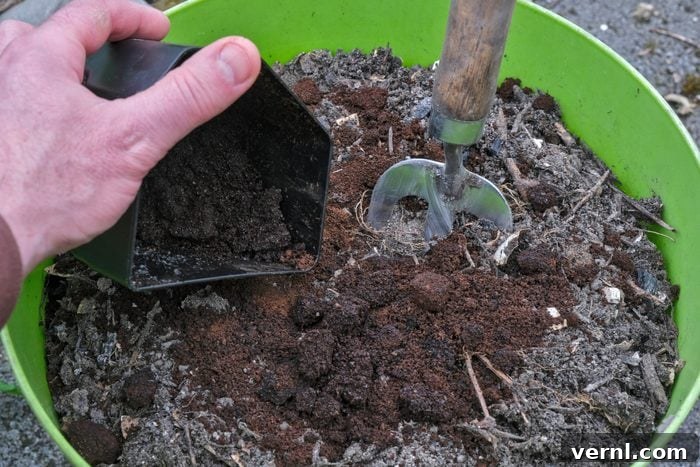
Integrating coffee grounds into your gardening routine can be incredibly rewarding, but proper application is key to maximizing their benefits and avoiding potential pitfalls. Here’s how you can effectively use them in various garden scenarios:
Direct Application to Plants
When applying coffee grounds directly to plants, always remember the guidelines regarding acidity. For acid-loving plants such as hydrangeas and azaleas, it’s perfectly acceptable to sprinkle a thin, even layer of either fresh (unbrewed) or spent coffee grounds around their base. Even an older, unopened bag of ground coffee can be used for these specific plants to introduce acidity. The critical point is to avoid creating a thick, solid mass or “puck” of coffee grounds, as this can become impenetrable to water and air, hindering nutrient absorption and potentially leading to mold or fungal growth. Instead, lightly incorporate them into the topsoil or spread them thinly to allow for proper aeration and water penetration.
Mastering Composting with Coffee Grounds
Composting is arguably one of the best ways to utilize coffee grounds, transforming them into a nutrient-rich soil amendment. Effective composting relies on a balanced mix of “brown” (carbon-rich) and “green” (nitrogen-rich) materials. Despite their color, coffee grounds are considered a “green” material due to their high nitrogen content.
Doug Oster recommends aiming for an approximately 50-50 ratio of green materials to brown ingredients in your compost pile. Excellent brown materials include shredded newspaper, dry leaves, and straw. When adding coffee grounds to the compost, you can also include the paper filter—just be sure it’s unbleached to maintain the organic integrity of your compost. Tearing the filter into smaller pieces will accelerate its decomposition. Layering your greens and browns, for example, a layer of coffee grounds and filters followed by a layer of straw, helps to create an optimal environment for microbial activity, which is essential for efficient composting.
Patience is a virtue with composting. Allow your compost pile to fully decompose, a process that can take anywhere from a few months to a year or more, depending on factors such as temperature, moisture, the mix of ingredients, and the overall volume. Once the compost is dark, crumbly, and smells earthy, it’s ready to use. Spread it evenly across your garden beds in early spring before planting, or at the end of the growing season to prepare the soil for the next cycle. For new plantings, blend the finished compost with your existing garden soil to provide a gentle, slow-release nutrient boost and improve soil structure.
Coffee Grounds as a Natural Fertilizer
While coffee grounds are known to contribute to soil acidity (especially unbrewed) and provide a valuable source of nitrogen, their direct use as a sole fertilizer requires a nuanced approach. When coffee has been brewed, a significant portion of its acidity is neutralized, making the spent grounds less impactful on soil pH. However, their nitrogen content remains.
Spent grounds can be lightly tilled into the soil or spread thinly throughout a planting bed. It’s important to understand that coffee grounds are a slow-release fertilizer. The nitrogen and other nutrients they contain become available to plants only as the grounds decompose, which can take a considerable amount of time. Therefore, if your plants require an immediate nutrient boost, consider supplementing with another fast-acting organic fertilizer while the coffee grounds gradually break down and release their beneficial compounds into the soil.
Be strategic about where you apply coffee grounds directly as a fertilizer. As previously mentioned, they are generally better suited for ornamental plants and shrubs rather than directly for most vegetables, especially those known to be sensitive or those for which specific nutrient ratios are critical for fruit production. Always prioritize plant health and observe how your plants respond.
Leveraging Coffee Grounds for Pest Control
The quest for natural pest control solutions often leads gardeners to unconventional remedies, and coffee grounds are frequently cited for their potential to deter unwelcome guests like snails and slugs. There’s certainly no harm in trying to repel these slimy creatures with a barrier of used coffee granules around vulnerable plants. On their own or mixed with mulch, they provide a textured surface that may be unpleasant for soft-bodied pests to traverse, and they emit a subtle aroma that some pests are said to dislike.
However, many horticulturists remain skeptical about the effectiveness of coffee grounds in actively attacking an existing pest population already affecting plants. While the grounds might act as a physical deterrent, creating an “uncomfortably granular surface” that discourages pests from crossing into a protected area, their efficacy as a direct pesticide is not scientifically robust. It’s more likely that they serve as a barrier rather than a toxic agent. For serious infestations, consider combining coffee grounds with other proven organic pest control methods.
Coffee Grounds to Keep Cats Away from Plants
Garden folklore often suggests that cats are averse to the smell of coffee, making coffee grounds a popular home remedy for keeping feline visitors out of garden beds. While scientific proof is elusive, it’s an easy and low-risk experiment to try in your own garden. To ensure safety for any curious pets, consider using decaffeinated coffee grounds or spent grounds, which have significantly less acidifying risk. Sprinkle them around the base of plants or in areas where cats tend to frequent. However, a word of caution for dog owners: avoid using anything highly caffeinated where it might be ingested by canine companions, as caffeine can be toxic to dogs. If coffee grounds don’t prove effective, citrus scents are another widely recognized and safe alternative for deterring pets from specific garden areas.
Feeding Your Garden’s Best Friends: Worms and Vermicomposting
The principle of moderation applies to almost everything in gardening, including feeding your soil’s natural engineers: earthworms. Many vermicomposters—individuals who practice composting with worms—swear that coffee grounds are a favorite treat for their wiggly helpers. Worms help break down organic matter, aerate the soil, and create nutrient-rich castings, and coffee grounds can be a beneficial addition to their diet.
If you’re vermicomposting, start by introducing a small amount of coffee grounds to see how your worms react. Over-enthusiastic use can lead to the vermicompost becoming too acidic, which can harm the worm population. Guidelines for inclusion vary, generally suggesting that coffee grounds should constitute about 15% of their diet or one-eighth of their bedding material. Monitoring the pH of your worm bin is crucial when regularly adding coffee grounds.
In the open garden, composting naturally attracts earthworms, and it’s commonly assumed that these worms also appreciate coffee grounds. This symbiotic relationship would seem beneficial, provided coffee grounds are genuinely good for worms. However, an intriguing study published in Bioresource Technology suggests a *higher* mortality risk for certain earthworm species when exposed to coffee grounds in various composting methods. This research indicates that while some worms may tolerate or even thrive on small amounts, excessive concentrations could be detrimental. The same study also showed that adding carbon-rich materials like cardboard alongside coffee grounds lowered both the risk and chemical exposure for the worms, suggesting a balanced approach. Therefore, when integrating coffee grounds into your garden or vermicompost, assess your comfort level with this information and consider pairing them with ample “brown” materials to mitigate any potential negative impacts.
Crucial Mistakes to Avoid When Using Coffee Grounds in Your Garden
While recycling used coffee grounds for your plants is generally a simple and rewarding endeavor, steering clear of common missteps will significantly improve your chances of success and ensure your garden remains healthy and vibrant.
- Beware of Unbrewed Grounds: Unless you are absolutely certain that your plants are acid-loving (such as hydrangeas or azaleas), avoid using fresh, unbrewed coffee grounds directly in the soil. The brewing process neutralizes much of the coffee’s inherent acidity, making spent grounds suitable for a broader range of plants. Using highly acidic fresh grounds on non-acid-loving plants can significantly alter soil pH, leading to nutrient lock-out and plant stress. Moreover, from an economic standpoint, why waste perfectly good coffee when you can brew and enjoy it first, then repurpose the grounds for your garden?
- Opt for Unbleached Filters: When adding coffee filters to your compost bin along with the grounds, ensure they are unbleached. Bleached filters can introduce unwanted chemicals into your organic fertilizer, diminishing its natural benefits. Tearing the filters into smaller pieces will also facilitate faster decomposition, speeding up the composting process.
- Avoid Chemically Flavored Grounds: Steer clear of using coffee grounds from flavored coffees (e.g., vanilla, hazelnut, caramel). These often contain artificial flavorings, sugars, and chemical additives that are not beneficial for soil health or plant growth and could potentially introduce undesirable compounds into your garden ecosystem.
- Prevent the “Coffee Puck” Effect: A common mistake is applying coffee grounds in a thick, solid layer. This dense mass can dry out into a hard “puck” that repels water, effectively preventing moisture from reaching plant roots. It can also create anaerobic conditions, encouraging mold and hindering air circulation. Instead, always integrate coffee grounds into your compost pile or blend them lightly and thinly into the soil surface to ensure proper aeration and water penetration.
- Compost for Vegetables: For your vegetable garden, it’s generally best to add coffee grounds to your compost pile first, rather than applying them directly. As previously noted, direct application can be detrimental to certain vegetables like tomatoes, and it may inhibit the growth of delicate seedlings. Composted coffee grounds, on the other hand, offer a more balanced and safer nutrient source for food-producing plants.
- Prioritize Soil Testing: If your plants are struggling, if you plan significant changes to your garden, or if you simply want to optimize growing conditions, invest in a soil test. This vital tool provides an accurate assessment of your soil’s pH, nutrient levels, and composition. Most counties offer a local Cooperative Extension Service that is eager to assist gardeners with soil testing and provide tailored advice based on the results. Understanding your soil’s current state is the best way to determine if and how coffee grounds can benefit your specific garden.
Frequently Asked Questions About Using Coffee Grounds in the Garden
Is it better to use wet or dry coffee grounds for plants?
Dry coffee grounds are generally recommended for most gardening applications. When dry, they are easier to spread evenly and mix into the soil, preventing the formation of dense, water-repelling clumps. Mixing dried grounds directly into the soil boosts nitrogen and other vital nutrients slowly as they decompose. Sprinkling them around plants can also help repel certain pests like slugs and snails by creating an uncomfortable surface. For composting, adding dried grounds helps to maintain a better carbon-to-nitrogen balance within the pile and can speed up the decomposition process, creating a healthier end product. Wet grounds, if applied in thick layers, can compact, inhibit water penetration, and encourage mold growth.
How often should I apply coffee grounds to my plants?
Moderation is key. For direct application, a thin layer (no more than 1/2 inch) once every 1-2 months is typically sufficient for acid-loving plants or as a light soil amendment for others. When incorporating into compost, you can add them more frequently as part of your “green” material. Always observe your plants’ response and conduct soil tests if you’re concerned about pH changes or nutrient imbalances.
Can I use instant coffee or coffee pods in the garden?
It’s best to avoid instant coffee or coffee pods. Instant coffee often contains additives and preservatives that are not beneficial for soil or plants. Coffee pods, while convenient, are typically made of plastic or aluminum and are not biodegradable, making them unsuitable for composting or direct garden application. Stick to traditional used coffee grounds from drip coffee makers or French presses for the most natural and beneficial results.
What if coffee grounds cause mold on my plants or soil?
Mold growth is usually a sign of excessive moisture and poor air circulation. If you notice mold, it likely means the coffee grounds were applied too thickly, preventing adequate drying and aeration. To prevent this, always apply coffee grounds in a very thin, even layer, and gently work them into the topsoil rather than leaving them as a solid mass on the surface. Ensure good drainage in your pots or garden beds, and reduce watering if the soil remains excessively damp. In compost piles, mold is a natural part of decomposition, but if it becomes overwhelming, it could indicate too much “green” material or insufficient turning and aeration.
Meet the Experts Behind the Advice
- Doug Oster, a celebrated garden book author and co-host of The Organic Gardener radio show, is a strong proponent of using coffee grounds. He champions them as a straightforward and effective method for enriching soil, emphasizing their rapid breakdown within compost systems. Oster consistently advises pairing coffee grounds with “brown” materials such as straw to achieve a balanced compost mix. Furthermore, he underscores the importance of brewing coffee first to neutralize its acidity, making the spent grounds safer and more versatile for general gardening use.
- Sonia Uyterhoeven, the distinguished head of horticulture at Greenwood Gardens in New Jersey, advocates for the use of brewed coffee grounds across most garden applications, as the brewing process effectively washes out their acidity. She reserves the recommendation for unbrewed, more acidic grounds exclusively for specific acid-loving plants like azaleas and hydrangeas. Uyterhoeven’s primary preference for incorporating coffee grounds is through composting, believing this method ensures optimal soil health and nutrient delivery.