
Over the past few decades, the automotive industry has undergone a remarkable transformation, introducing a continuous stream of car innovations that have fundamentally reshaped our driving experience. From sophisticated infotainment systems and advanced driver-assistance technologies to personalized climate controls and seamless smartphone integration, modern vehicles are packed with features designed to enhance comfort, convenience, and safety. Yet, this rapid technological advancement often comes with a subtle drawback: an increasingly complex interior landscape. Dashboards, center consoles, and gear shifts are now adorned with an array of buttons, knobs, and seemingly obscure features, making it easy for even experienced drivers to overlook some of the most crucial details.
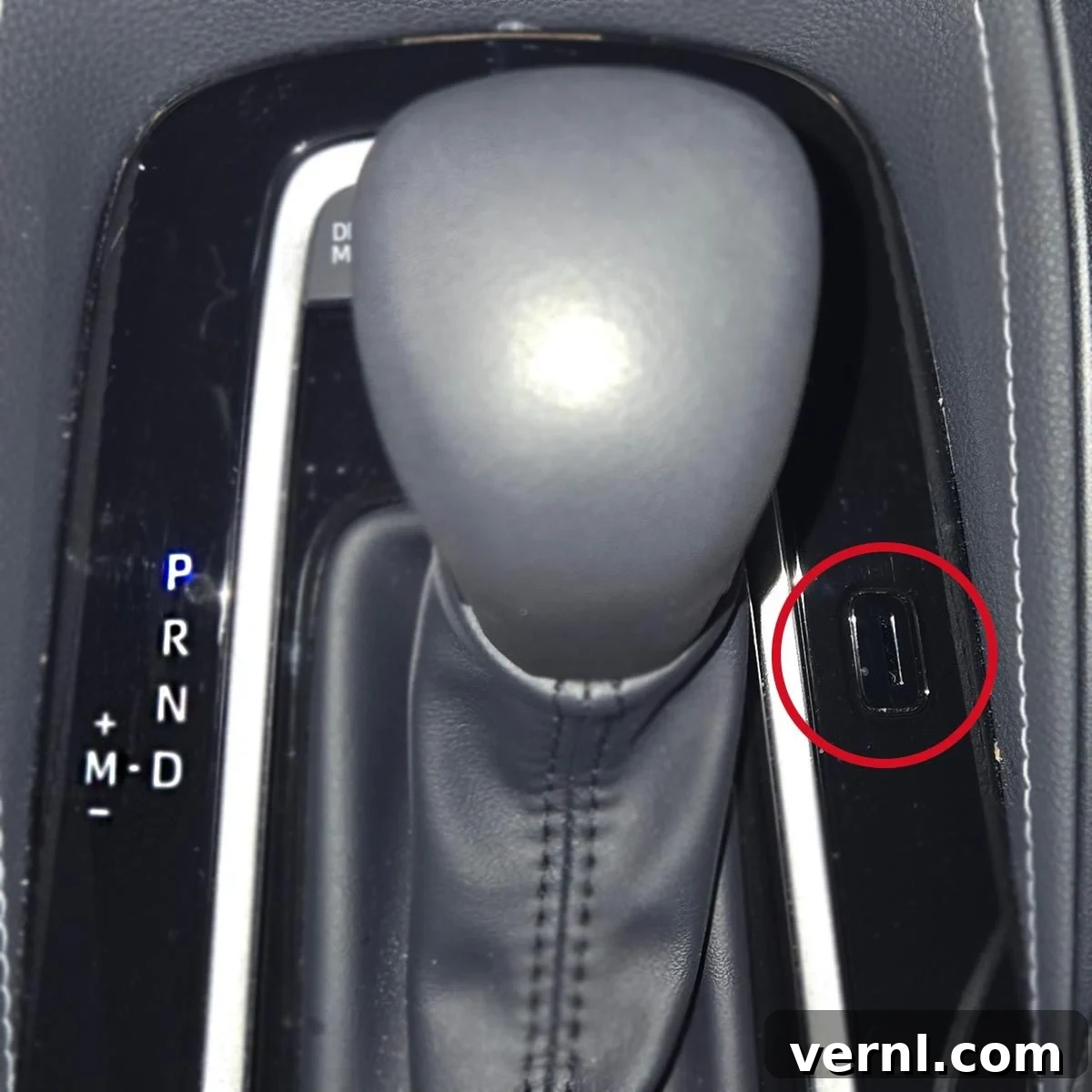
Among these easily missed functionalities is a small, often unassuming slot or button located discreetly near your automatic transmission’s gear shift. It’s so subtle that many drivers may go years without ever noticing it, or if they do, they might dismiss it as merely a design quirk. However, this seemingly insignificant detail holds the key to unlocking a vital safety and utility feature that can be a real lifesaver in unexpected situations. Understanding its purpose and how to use it can save you from significant headaches, particularly when your vehicle encounters an emergency.
In the following sections, we will delve into the mystery surrounding this oft-overlooked component. We’ll uncover its critical purpose, explain the underlying safety system it interacts with, and provide clear, step-by-step instructions on how to activate it when you need it most. Prepare to discover a hidden feature that empowers you to take control of your vehicle, even when it seems completely unresponsive.
Understanding the Shift Lock Mechanism: A Core Safety Feature
Before we reveal the function of that tiny slot, it’s essential to first understand the safety system it interacts with: the shift lock mechanism. Most vehicles equipped with an automatic transmission incorporate a shift lock as a standard safety feature. Its primary purpose is to prevent accidental or unintended gear changes, thereby enhancing driver and passenger safety.
Under normal operating conditions, the shift lock prevents you from shifting your vehicle out of “Park” (P) into any other gear (like “Drive” (D) or “Reverse” (R)) unless two specific conditions are met: the car’s ignition must be in the “On” position, and your foot must be firmly pressing the brake pedal. This ingenious design significantly reduces the risk of the vehicle inadvertently rolling away, especially if parked on an incline, or being accidentally shifted into gear by a child or an inattentive driver. It also ensures that the driver has full control over the vehicle before engaging the transmission.
While this safety feature is undeniably crucial for preventing avoidable accidents and enhancing overall road safety, like many automated systems, it has a contingency. There are specific, albeit rare, circumstances where the very mechanism designed for safety can become an obstacle. This is precisely where the small, inconspicuous slot or button on your gear shift comes into play, offering an essential override.
What Is the Little Slot On My Gear Shift?
That little box, sometimes resembling a tiny SD card slot or a small, covered indentation, typically found either to the left or right side of your gear shift, is more than just a decorative element. It’s a compartment, or sometimes just an exposed button, that houses the shift lock release mechanism. This mechanism is a manual override for the electronic shift lock system we just discussed.
Automotive manufacturers design these features to be subtle, integrating them seamlessly into the vehicle’s interior aesthetics. This is why many drivers might overlook it for years. Its appearance can vary significantly between different car models and manufacturers. In some vehicles, you’ll find a small cap or cover that needs to be removed to access the release button. In others, the button might be visible and directly accessible, requiring only a simple press. Regardless of its specific design or location, its underlying function remains the same: to provide a manual means of disengaging the shift lock.
Think of it as a hidden “reset” or “bypass” switch for your transmission. While modern cars are increasingly reliant on complex electronic systems, engineers often incorporate mechanical or manual overrides for critical functions, ensuring that drivers are never completely stranded due to an electronic malfunction or power failure. The shift lock release button is a prime example of such an essential manual override, offering a practical solution when electronic controls become unresponsive.
What Does the Shift Lock Release Button Do?
The shift lock release button serves one critical purpose: to manually override the automatic shift lock safety feature. This becomes invaluable in situations where the electronic shift lock prevents you from moving your vehicle, even when it’s absolutely necessary. Essentially, it allows you to shift your car out of “Park” (P) into another gear, most commonly “Neutral” (N), without the ignition being on or the brake pedal being depressed.
Consider a common scenario: your car’s battery dies unexpectedly, perhaps after leaving your lights on overnight. With a dead battery, your car’s electrical system won’t power up, meaning the shift lock will remain engaged, locking your transmission in “Park.” If you need to push your car out of a parking space to get a jump start, move it off the road, or onto a flatbed tow truck, you wouldn’t be able to shift it into neutral using the standard method. This is precisely where the shift lock release button becomes your hero.
By activating this button, you temporarily bypass the electronic interlock, freeing the gear shift lever. This allows you to manually move the transmission into the desired gear, typically neutral, enabling you to push the car, roll it a short distance, or prepare it for towing. It’s an emergency solution designed to prevent you from being completely stuck due to a power loss or a malfunction in the electronic shift lock system itself. Without this hidden feature, you could face significant delays, potential safety hazards, or even expensive calls for specialized roadside assistance just to move your vehicle a few feet.
Locating Your Shift Lock Release Button
Knowing about the shift lock release button is one thing; finding it on your specific vehicle is another. While its function is universal across automatic transmissions, its exact location and activation method can vary. The best and most reliable source for locating this feature is always your vehicle’s owner’s manual. It will provide precise diagrams and instructions tailored to your car’s make and model.
However, if your manual isn’t immediately accessible, here are some common places to look:
- Near the Gear Shift Lever: Most commonly, the slot or button will be found very close to the base of the gear shift lever on the center console. It might be to the left, right, or even in front of the lever.
- Small Cover or Cap: Look for a small, rectangular, or square cover that appears to be part of the console trim. This cover often needs to be pried open to reveal the button underneath.
- Visible Button: In some simpler designs, the button might be directly exposed, without a cover, often slightly recessed to prevent accidental activation.
- Under the Shift Boot: In rarer cases, it might be located just beneath the edge of the gear shift boot, requiring a slight lift of the boot to expose it.
Once you’ve identified a potential spot, a quick check against your owner’s manual (or even a specific online search for your car model) can confirm if you’ve found the correct shift lock release. Familiarizing yourself with its location now, before an emergency arises, is a smart proactive step for any driver.
How To Use the Shift Lock Release Button: A Step-by-Step Guide
Using the shift lock release button is a straightforward process once you know where it is and what to do. The exact method will depend on whether the button is directly visible or hidden behind a compartment. Regardless of your vehicle’s design, always prioritize safety before attempting to use this feature. Ensure your vehicle is on level ground if possible, and engage the parking brake before starting.
Method 1: For Vehicles with an Exposed Shift Lock Release Button
If your shift lock release button is visible and not hidden behind a cover, the process is quite simple:
- Ensure Vehicle is Off: Turn the ignition completely off and remove the key (if applicable).
- Engage Parking Brake: Always ensure the parking brake is firmly engaged to prevent the vehicle from rolling unexpectedly.
- Locate the Button: Find the exposed shift lock release button near your gear shift.
- Press and Hold: Firmly press and hold the button down. You may feel a slight click or resistance.
- Shift to Desired Gear: While holding the button, move the gear shift lever from “Park” (P) into “Neutral” (N) or the desired gear. Take care not to accidentally shift into “Drive” (D) or “Reverse” (R) unless absolutely necessary and safe to do so.
- Release Button: Once the gear is engaged, you can release the shift lock release button.
- Move Vehicle: You can now safely push the vehicle or prepare it for towing.
- Return to Park: After moving the car to its desired location, remember to shift it back into “Park” (P) using the same method (press and hold the release button, then move the lever). Re-engage the parking brake.
Method 2: For Vehicles with a Hidden Shift Lock Release Button (Behind a Compartment)
If your shift lock release is concealed behind a small lid or compartment, the process involves an additional preliminary step:
- Ensure Vehicle is Off: Turn the ignition completely off and remove the key.
- Engage Parking Brake: Firmly engage the parking brake.
- Choose a Suitable Tool: You’ll need a flat, non-damaging tool to remove the compartment’s lid. A flathead screwdriver, your car key, or even a sturdy coin can work. Choose a tool that fits snugly into the slot without risking damage to the surrounding plastic.
- Remove the Compartment Lid: Gently insert your chosen tool into the tiny slot on the lid. Apply slight leverage to carefully pry up and lift the lid off the compartment. The lid might be hinged or fully removable. Set it aside carefully.
- Locate the Recessed Button: Once the compartment is open, you will most likely see the shift lock release button recessed inside. It often appears as a small, spring-loaded button.
- Compress and Hold the Button: Use the same tool you used to remove the lid (or another appropriate tool if the button is very small) to compress and hold down the recessed button. You should feel it depress and stay down.
- Shift to Desired Gear: While keeping the button compressed, move the gear shift lever from “Park” (P) into “Neutral” (N) or the appropriate gear.
- Release Button and Replace Lid: Once the gear is engaged, you can release the button. After moving the vehicle, repeat the process to shift the car back into “Park” (P) before carefully replacing the compartment lid. Ensure the lid clicks securely back into place to prevent it from falling off.
Important Considerations and Safety Reminders:
- Never While Driving: This feature is strictly for stationary vehicles that cannot be shifted normally. Never attempt to use the shift lock release while the vehicle is in motion or the engine is running unless specifically instructed by a professional in an emergency.
- Underlying Issue: Remember, using the shift lock release button only bypasses the transmission lock; it does not fix the underlying problem (e.g., dead battery, mechanical issue). Address the root cause of why your car couldn’t shift normally as soon as possible.
- Consult Your Manual: Always refer to your vehicle’s owner’s manual for precise instructions and any model-specific warnings.
Why Every Driver Needs to Know This
In an age where cars are becoming increasingly complex and automated, it’s easy to feel disconnected from the basic mechanical functions that keep them running. However, understanding simple, manual overrides like the shift lock release button can be incredibly empowering. It transforms a potential roadside catastrophe into a manageable inconvenience, providing a vital sense of control when electronic systems fail.
Knowing how to use this feature can save you from:
- Being Stranded: A dead battery in an awkward parking spot no longer means being completely stuck.
- Towing Complications: Facilitating the towing process by easily putting your car into neutral.
- Unnecessary Expense: Avoiding costly service calls for a simple issue that you could resolve yourself.
- Safety Hazards: Quickly moving your vehicle out of a dangerous position (e.g., blocking traffic) even without power.
The shift lock release button is a testament to thoughtful automotive engineering, providing a failsafe for moments when technology, for various reasons, cannot perform its intended function. It’s a small detail with monumental implications, highlighting the importance of understanding the less obvious features of your vehicle.
Conclusion
The constant evolution of car innovations continues to make our vehicles smarter, safer, and more feature-rich. Yet, amidst this technological boom, it’s crucial not to overlook the simpler, often hidden mechanisms that serve as vital backups. The tiny, unassuming slot on your gear shift, which houses the shift lock release button, is a prime example of such a critical, yet frequently ignored, feature.
Designed to be an emergency override for the automatic transmission’s shift lock system, this button provides a practical solution when your car experiences a power loss or a malfunction, preventing you from shifting out of “Park.” Whether you’re dealing with a dead battery, needing to move your vehicle for towing, or simply pushing it out of the way, knowing how to activate this manual release can save you time, stress, and potential expenses. It transforms a moment of helplessness into an opportunity for resourceful action.
We encourage every driver to take a moment to locate this feature in their own vehicle, consulting their owner’s manual for precise instructions. Familiarizing yourself with these often-overlooked details empowers you to be a more prepared, confident, and self-sufficient driver. In the intricate world of modern automobiles, sometimes the smallest, most hidden features turn out to be the most invaluable when you truly need them.