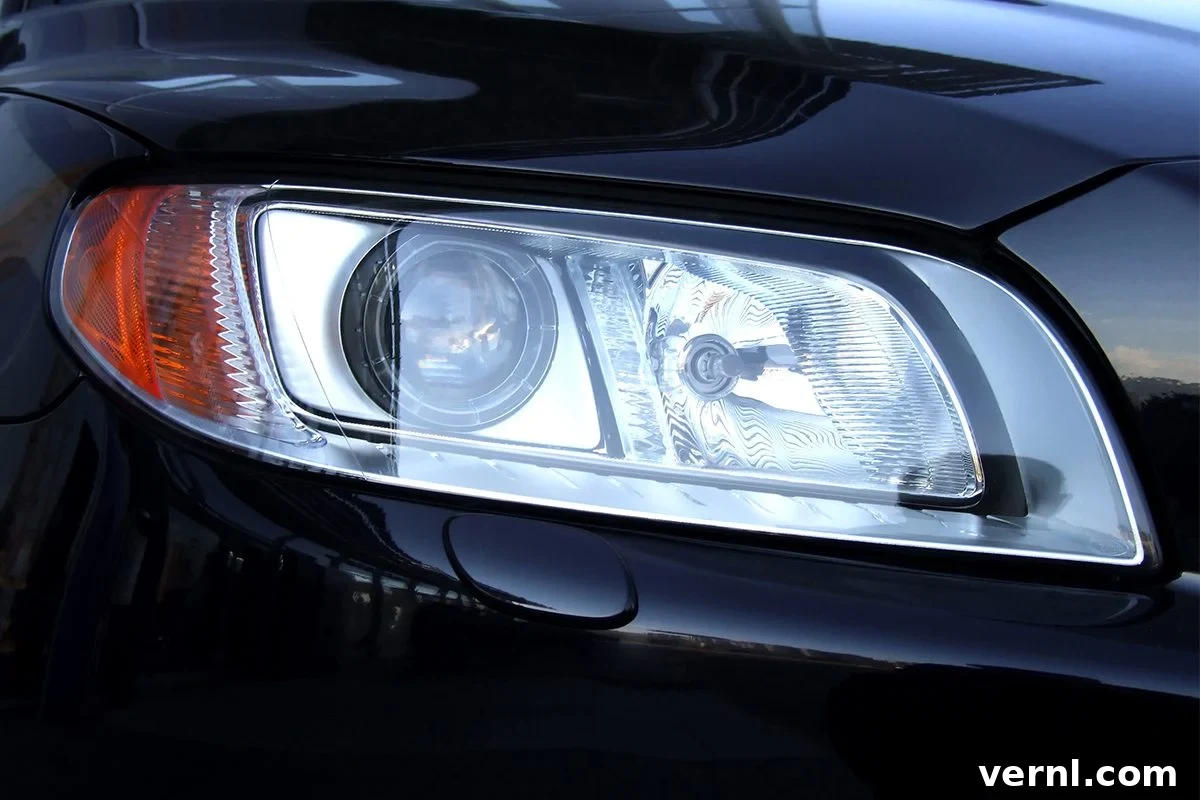
Illuminate Your Drive: The Definitive Guide to HID Headlights
The safety of your vehicle depends significantly on its lighting system, particularly the headlights. Driving after dark inherently carries elevated risks compared to daytime travel. According to the Insurance Institute for Highway Safety (IIHS), nighttime crash rates per mile are nearly three times higher than daytime rates, underscoring the critical role of effective illumination. Over the decades, automotive lighting has undergone remarkable transformations, each iteration aiming to provide drivers with better visibility and enhanced safety.
From the early 20th century, vehicles were equipped with rudimentary incandescent sealed-beam headlights. These offered basic illumination but lacked brightness and efficiency. The 1970s marked a significant leap forward with the introduction of brighter and more easily replaceable halogen headlights. While a considerable improvement, the pursuit of even greater visibility led to the development of High-Intensity Discharge (HID) headlights, which began appearing as an optional upgrade in the 1990s.
“These headlights utilize an electric arc created between two electrodes within a sealed bulb, allowing them to produce an exceptionally bright light,” explains car expert Carl Rodriguez. HID headlights have revolutionized night driving safety by significantly expanding a driver’s field of vision without causing glare for oncoming traffic, making them a preferred choice for many seeking optimal road illumination.
What Are HID Headlights? Unveiling the Technology
HID stands for High-Intensity Discharge, a term that perfectly describes how these advanced headlights operate. Unlike traditional incandescent or halogen headlights, which rely on a glowing filament, HID headlights generate light by igniting a mixture of high-pressure noble gases, primarily xenon, with a powerful electrical charge. This process creates an arc between two tungsten electrodes inside a thermal-resistant quartz glass bulb, turning the gas into superheated, vivid white light.
The core components of an HID system include the bulb (often referred to as a “xenon bulb”), a ballast, and an igniter. The igniter provides the initial high-voltage pulse needed to strike the arc and ionize the gas. Once the arc is established, the ballast regulates the electrical current to maintain the arc and ensure stable light output. This sophisticated mechanism allows HID headlights to be up to five times brighter than traditional yellowish-tinted halogen bulbs, offering superior clarity and reach.
The distinctive bright, cool white light produced by HIDs closely mimics natural daylight, which can reduce eye strain during extended night driving. However, due to their intensity, proper headlight adjustment is paramount to ensure the powerful beam illuminates the road effectively without dazzling other drivers.
Exploring the Types of HID Headlights
When considering HID headlights, it’s essential to understand the two primary configurations available:
Standard (or Single-Beam) HID Headlights
These are typically found in vehicles that utilize a four-headlight system, meaning separate bulbs are dedicated to low beams and high beams. In this setup, two HID bulbs would serve as the low beams, and two separate bulbs (which could be HID or halogen, depending on the vehicle’s design) would provide the high beams. This allows for distinct optical pathways for each beam function.
Dual-Beam (or Bi-Xenon) HID Headlights
Far more common in modern vehicles, dual-beam HID headlights integrate both low and high beam functions into a single bulb assembly. This is achieved through a movable shield or shutter inside the headlight projector housing. When the low beam is active, the shield partially blocks the light to create the appropriate cutoff. When the high beam is engaged, the shield retracts, allowing the full intensity of the HID light to project forward. It’s crucial to note that single-beam and dual-beam HID headlights are not interchangeable, and your vehicle’s existing headlight design dictates which type you need.
The Undeniable Benefits of HID Headlights
Upgrading to or maintaining HID headlights offers a range of advantages that significantly improve the driving experience, especially after sunset:
Enhanced Visibility and Safety
The most compelling benefit of HID headlights is their vastly superior light output. Their brighter, whiter light dramatically improves visibility, allowing drivers to see further down the road and detect obstacles, road hazards, and pedestrians much sooner. This increased reaction time can be critical in preventing accidents. The broader and more uniform light pattern also illuminates the periphery of the road more effectively, reducing blind spots and enhancing overall situational awareness. This is particularly beneficial when driving at highway speeds or on poorly lit country roads, where conventional headlights often fall short.
Improved Energy Efficiency
Despite their intense brightness, HID headlights are surprisingly energy-efficient. They consume less power than traditional halogen bulbs, reducing the load on your vehicle’s electrical system and potentially contributing to minor fuel savings over the long term. This efficiency is a testament to their advanced design, converting more electrical energy into light rather than waste heat.
Exceptional Longevity
HID bulbs are designed for durability. While initial costs might be higher than halogens, their lifespan can be significantly longer—often lasting 2,000 to 3,000 hours or more. This means fewer replacements and less maintenance hassle compared to halogens, which typically last only 500 to 1,000 hours. The robust quartz glass housing and filament-free design contribute to their impressive durability, making them a cost-effective choice over their operational life.
Modern Aesthetic Appeal
Beyond their practical benefits, HID headlights also lend a sophisticated, high-end look to any vehicle. The crisp, white or slightly blue-tinted light is a hallmark of luxury and modern engineering, instantly upgrading your vehicle’s appearance. For many enthusiasts, the aesthetic enhancement is an added bonus to the performance improvements.
Choosing the Right HID Headlights: A Comprehensive Guide
Selecting the correct HID headlights involves several considerations, whether you’re replacing existing HID bulbs or contemplating an upgrade from halogen lighting. Your vehicle’s original equipment and your driving preferences will largely dictate your choice.
Identifying Your Vehicle’s Current Setup
Most headlamp assemblies, which encompass the housing or capsule where the bulbs are mounted, are marked to indicate the bulb type. Look for “D1S,” “D2S,” “D3S,” or similar designations for HIDs, or “HAL” for halogen. Understanding your vehicle’s factory setup is the first crucial step to ensure compatibility.
Original Equipment Manufacturer (OEM) vs. Aftermarket
- OEM HID Headlights: These are direct replacements for factory-installed HIDs, ensuring perfect fit, performance, and compliance with all regulations. They typically come with a higher price tag but offer guaranteed quality and longevity.
- Aftermarket HID Headlights/Conversion Kits: These options are generally more affordable and provide a path for upgrading halogen systems. However, quality can vary widely. Research reputable brands known for reliable ballasts and bulbs. Aftermarket kits come with everything you’ll need, including bulbs, ballasts, and wiring harnesses.
Bulb Types and Compatibility
HID bulbs come in various base types (e.g., D1S, D2S, H1, H7, H11, 9006, etc.), each designed to fit specific headlight housings. Always consult your vehicle’s owner’s manual or an online bulb guide to determine the exact bulb type required. Attempting to force an incompatible bulb can damage the housing or lead to improper light dispersion.
Understanding Color Temperature (Kelvin Scale)
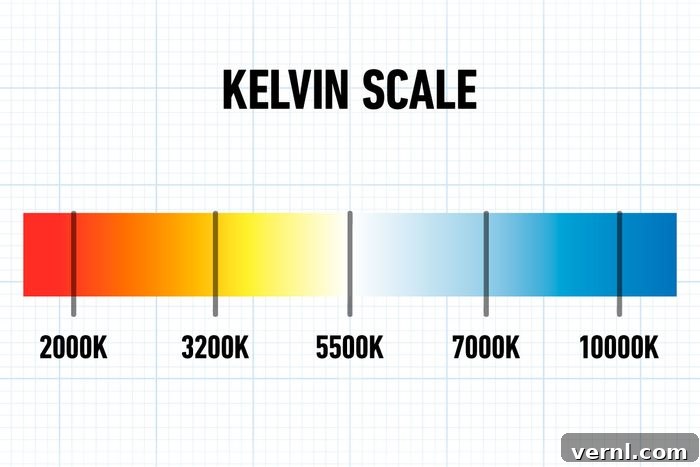
HID headlights, much like light bulbs in our homes, come in various color temperatures or tints, measured in Kelvins (K). This scale ranges from warm yellow to cool blue-purple:
- 3,000K: A distinct yellow light, often preferred for fog lights as yellow light penetrates fog better.
- 4,300K – 6,500K: This range offers the best visibility and is closest to natural sunlight at noon. Most OEM HID systems fall within this range (typically 4300K-5000K). This balanced white light provides optimal clarity and contrast without excessive glare. Matthew Brumbelow, a senior research engineer at IIHS, specifically recommends headlights that meet the Code of Federal Regulations (CFR), making them legal in all 50 states and ensuring they provide safe and effective illumination.
- 8,000K – 12,000K: These produce an increasingly blue or even purplish tint. While aesthetically striking, these higher Kelvin temperatures actually reduce usable light output for driving, as the light becomes scattered and less effective for illuminating the road surface clearly. They are generally not recommended for optimal visibility and may attract unwanted attention from law enforcement due to their non-standard appearance.
The Importance of Ballast Quality
The ballast is a critical component of any HID system, responsible for converting your vehicle’s 12V power into the high voltage needed to ignite the xenon gas and then regulating the current. High-quality ballasts (ideally AC, not cheaper DC) ensure stable light output, prevent flickering, and prolong the lifespan of your HID bulbs. Inferior ballasts can lead to premature bulb failure or inconsistent light.
Legal and Safety Considerations for Upgrades
If you’re upgrading from halogen to HID, it’s crucial to understand the implications for your headlight assembly. Halogen assemblies use a reflector design that scatters light differently than the projector lenses designed for HIDs. Simply placing an HID bulb into a halogen reflector housing can create excessive glare for oncoming traffic, making your vehicle unsafe and potentially illegal. Therefore, for a safe and legal HID conversion:
- Projector Housings: Ideally, use aftermarket projector headlamp assemblies specifically “tuned” for HID bulbs. These housings employ a precise shield and lens system that focuses the powerful HID beam away from oncoming traffic and onto the road, creating a sharp cutoff.
- Compliance: Ensure any aftermarket kit or assembly complies with Department of Transportation (DOT) and Society of Automotive Engineers (SAE) standards.
Depending on your driving habits—especially if you frequently drive at night, at highway speeds, or on poorly lit country roads—upgrading to brighter, whiter HID headlights can dramatically improve your ability to see and react to your surroundings. Always prioritize safety and legality in your choices.
How To Install Replacement HID Headlights: A DIY Guide
Replacing an existing HID bulb with a new one is a relatively straightforward DIY task. However, because HID bulbs contain high-pressure gas and their ballasts operate at high voltages, safety precautions are paramount. Always wear eye protection and work gloves throughout the process.
Tools You’ll Need:
Before you begin, consult your vehicle’s owner’s manual or an online service manual to identify any specific requirements or tools. Generally, you’ll only need a socket set with extensions, a screwdriver set, and needle-nose pliers. Some headlamp assemblies may require partial removal from the vehicle, usually involving just two or three plastic thumbscrews or fasteners.
Step-by-Step Replacement:
- Prepare Your Vehicle: Park your car on level ground and ensure the engine is off. For safety, disconnect the negative terminal of your vehicle’s battery.
- Cool Down Period: If your headlights were recently on, wait at least 10 minutes for the bulbs to cool down completely. HID bulbs operate at extremely high temperatures.
- Access the Headlight Assembly: Depending on your vehicle model, you may need to remove a few clips, screws, or even the entire headlight housing to gain access to the bulb.
- Disconnect Wiring: Locate the wiring harness connected to the back of the HID bulb. Carefully unplug it.
- Release the Bulb: Identify the retaining clip or twist-lock mechanism holding the HID bulb in place. Release it according to your vehicle’s design and carefully remove the old bulb.
- Important Disposal Note: HID headlight bulbs may contain mercury, a toxic substance. They should never be thrown into regular household trash. Handle them as hazardous waste and check with your local auto parts store or recycling center to see if they accept headlights for proper recycling.
- Clean New Bulbs: Before installation, carefully clean the glass housing of the new HID bulbs with a clean, dry microfiber cloth. Avoid touching the glass with your bare hands, as oils from your skin can create hot spots and shorten the bulb’s lifespan.
- Install New Bulbs: Carefully insert the new HID bulb into the headlight assembly, ensuring it is properly seated and oriented. Re-engage the retaining clip or twist-lock mechanism to secure the bulb firmly in place.
- Reconnect Wiring and Assembly: Plug the wiring harness back into the new bulb. If you removed the headlight assembly, reattach it to the vehicle.
- Reconnect Battery and Test: Reconnect the negative terminal of your battery. Turn on your headlights to check bulb operation.
- Headlight Alignment Check: After replacing the bulbs, it’s crucial to check and potentially adjust your headlight alignment. Improperly aimed headlights can blind oncoming drivers or fail to provide adequate road illumination.
Installing an HID Conversion Kit: Key Steps
Converting from halogen to HID requires a few additional steps, primarily related to the ballast and wiring harness. Always follow the specific manufacturer’s instructions included with your conversion kit.
- Pre-Installation Alignment Check: Before removing anything, check the alignment of your existing halogen headlights. This provides a baseline to ensure your new HIDs are aimed correctly.
- Follow Bulb Replacement Steps (above): Begin by disconnecting the battery and carefully removing your old halogen bulbs, following the safety procedures outlined for HID replacement.
- Mount Ballasts: Find a secure, dry location within the engine bay to mount the HID ballasts. Ensure they are away from extreme heat and moving parts. Use zip ties or screws provided with the kit.
- Connect Wiring Harness: Connect the HID conversion kit’s wiring harness to your vehicle’s factory headlight harness. Then, connect the new HID bulbs to the conversion kit’s harness and the ballasts. Ensure all connections are secure and watertight.
- Secure and Test: Tidy up any loose wiring with zip ties. Reconnect the battery and test the operation of your new HID headlights.
- Critical Alignment: This step is non-negotiable for conversion kits, especially if you didn’t upgrade to projector housings. Thoroughly check and adjust headlight alignment. Consider professional alignment services to ensure your beams are safely and legally aimed.
You should immediately notice a remarkable difference in brightness and clarity between your old halogen and new HID headlights.
Maintenance and Troubleshooting for HID Systems
While known for their longevity, HID systems are not entirely maintenance-free. Understanding common issues can help prolong their life and ensure optimal performance.
- Signs of Failure: Watch for flickering, dimming, or a noticeable color shift (often towards pink or purple) in one or both bulbs. These are common indicators that a bulb is nearing the end of its lifespan.
- Ballast Issues: If a bulb fails completely or flickers erratically even after a new bulb is installed, the ballast might be faulty. A dead ballast will prevent the bulb from igniting.
- Wiring Problems: Loose connections or damaged wiring can cause intermittent issues or complete failure. Always check connections first.
- Replacement Strategy: When an HID bulb fails, it’s highly recommended to replace both bulbs at the same time. This ensures consistent light output and color temperature on both sides, as even new bulbs can have slight variations in color from older ones.
- Keep Lenses Clean: Regularly clean your headlight lenses. Dirt, grime, and oxidation on the lens can significantly reduce light output, even from powerful HIDs.
HID Headlights vs. LED Headlights: A Closer Look
How are HID headlights different from LED headlights?
The automotive lighting landscape now features another prominent player: LED headlights. While both offer significant advantages over traditional halogens, they utilize distinct technologies and come with their own sets of pros and cons.
“While brightness is a distinct advantage HID headlights have over many LEDs, overall, LED technology often presents a more complete package for modern vehicles,” says Carl Rodriguez. Here’s a breakdown of their differences:
- Brightness & Light Output: HID headlights traditionally offered superior raw brightness and light intensity compared to early LEDs. However, advancements in LED technology have closed this gap, with high-end LED systems now matching or even surpassing HIDs in lumens. HIDs often produce a broader, more uniform spread of light, while LEDs can offer more precise and directed beam patterns due to their smaller size, allowing for advanced adaptive lighting systems.
- Instant-On: LEDs switch on instantly to full brightness. HID bulbs require a brief warm-up period (a few seconds) to reach their optimal intensity and color. This ‘instant-on’ feature makes LEDs highly desirable for high beams or daytime running lights.
- Energy Consumption: LEDs are generally more energy-efficient than HIDs, consuming less power to produce a comparable amount of light. This contributes to less strain on the vehicle’s electrical system and potentially better fuel economy.
- Longevity: LEDs boast an exceptional lifespan, often rated for 25,000 to 50,000 hours or more, significantly outlasting HID bulbs. This makes them a “fit and forget” solution for many drivers.
- Heat Dissipation: While LEDs run cooler in terms of light emission, they generate heat at their base, requiring sophisticated heat sinks and cooling systems to prevent premature failure. HIDs generate heat primarily within the bulb itself.
- Cost: High-quality LED systems, particularly those with advanced features, can be more expensive than HID systems. Aftermarket HID conversion kits are often more budget-friendly than equivalent LED kits.
- Complexity: HID systems require an external ballast and igniter. LED systems integrate drivers and heat management directly or within small external modules, often making them more compact.
Ultimately, the choice between HID and LED depends on priorities: HIDs offer powerful, widespread light and can be a cost-effective upgrade, while LEDs provide instant-on functionality, superior longevity, and advanced design possibilities.
Conclusion: Driving Safely with HID Headlights
High-Intensity Discharge (HID) headlights have long been a cornerstone of enhanced automotive safety and performance, offering a significant leap forward from conventional halogen lighting. Their ability to produce a remarkably brighter, whiter, and more expansive beam pattern fundamentally transforms night driving, empowering drivers with increased visibility and crucial reaction time. From navigating poorly lit rural roads to maintaining vigilance on bustling highways, the clarity and reach of HID lighting contribute directly to a safer journey.
While the automotive lighting landscape continues to evolve with technologies like LEDs, HIDs maintain their relevance as a powerful and often cost-effective solution for superior illumination. Understanding their underlying technology, the different types available, and the critical considerations for choosing and installing them correctly ensures that you not only upgrade your vehicle’s aesthetic but, more importantly, elevate its safety standards. Always prioritize proper installation, alignment, and adherence to legal standards to fully harness the benefits of HID headlights and ensure a well-lit, secure path ahead.
About the Expert
- Carl Rodriguez is the founder and head content creator of NX Automotive Transport, a nationwide auto shipping company. He has over 20 years experience in the auto industry and provides valuable insights into automotive technology and trends.
Illuminate Your Drive: The Definitive Guide to HID Headlights
The safety of your vehicle depends significantly on its lighting system, particularly the headlights. Driving after dark inherently carries elevated risks compared to daytime travel. According to the Insurance Institute for Highway Safety (IIHS), nighttime crash rates per mile are nearly three times higher than daytime rates, underscoring the critical role of effective illumination. Over the decades, automotive lighting has undergone remarkable transformations, each iteration aiming to provide drivers with better visibility and enhanced safety.
From the early 20th century, vehicles were equipped with rudimentary incandescent sealed-beam headlights. These offered basic illumination but lacked brightness and efficiency. The 1970s marked a significant leap forward with the introduction of brighter and more easily replaceable halogen headlights. While a considerable improvement, the pursuit of even greater visibility led to the development of High-Intensity Discharge (HID) headlights, which began appearing as an optional upgrade in the 1990s.
“These headlights utilize an electric arc created between two electrodes within a sealed bulb, allowing them to produce an exceptionally bright light,” explains car expert Carl Rodriguez. HID headlights have revolutionized night driving safety by significantly expanding a driver’s field of vision without causing glare for oncoming traffic, making them a preferred choice for many seeking optimal road illumination.
What Are HID Headlights? Unveiling the Technology
HID stands for High-Intensity Discharge, a term that perfectly describes how these advanced headlights operate. Unlike traditional incandescent or halogen headlights, which rely on a glowing filament, HID headlights generate light by igniting a mixture of high-pressure noble gases, primarily xenon, with a powerful electrical charge. This process creates an arc between two tungsten electrodes inside a thermal-resistant quartz glass bulb, turning the gas into superheated, vivid white light.
The core components of an HID system include the bulb (often referred to as a “xenon bulb”), a ballast, and an igniter. The igniter provides the initial high-voltage pulse needed to strike the arc and ionize the gas. Once the arc is established, the ballast regulates the electrical current to maintain the arc and ensure stable light output. This sophisticated mechanism allows HID headlights to be up to five times brighter than traditional yellowish-tinted halogen bulbs, offering superior clarity and reach.
The distinctive bright, cool white light produced by HIDs closely mimics natural daylight, which can reduce eye strain during extended night driving. However, due to their intensity, proper headlight adjustment is paramount to ensure the powerful beam illuminates the road effectively without dazzling other drivers.
Exploring the Types of HID Headlights
When considering HID headlights, it’s essential to understand the two primary configurations available:
Standard (or Single-Beam) HID Headlights
These are typically found in vehicles that utilize a four-headlight system, meaning separate bulbs are dedicated to low beams and high beams. In this setup, two HID bulbs would serve as the low beams, and two separate bulbs (which could be HID or halogen, depending on the vehicle’s design) would provide the high beams. This allows for distinct optical pathways for each beam function.
Dual-Beam (or Bi-Xenon) HID Headlights
Far more common in modern vehicles, dual-beam HID headlights integrate both low and high beam functions into a single bulb assembly. This is achieved through a movable shield or shutter inside the headlight projector housing. When the low beam is active, the shield partially blocks the light to create the appropriate cutoff. When the high beam is engaged, the shield retracts, allowing the full intensity of the HID light to project forward. It’s crucial to note that single-beam and dual-beam HID headlights are not interchangeable, and your vehicle’s existing headlight design dictates which type you need.
The Undeniable Benefits of HID Headlights
Upgrading to or maintaining HID headlights offers a range of advantages that significantly improve the driving experience, especially after sunset:
Enhanced Visibility and Safety
The most compelling benefit of HID headlights is their vastly superior light output. Their brighter, whiter light dramatically improves visibility, allowing drivers to see further down the road and detect obstacles, road hazards, and pedestrians much sooner. This increased reaction time can be critical in preventing accidents. The broader and more uniform light pattern also illuminates the periphery of the road more effectively, reducing blind spots and enhancing overall situational awareness. This is particularly beneficial when driving at highway speeds or on poorly lit country roads, where conventional headlights often fall short.
Improved Energy Efficiency
Despite their intense brightness, HID headlights are surprisingly energy-efficient. They consume less power than traditional halogen bulbs, reducing the load on your vehicle’s electrical system and potentially contributing to minor fuel savings over the long term. This efficiency is a testament to their advanced design, converting more electrical energy into light rather than waste heat.
Exceptional Longevity
HID bulbs are designed for durability. While initial costs might be higher than halogens, their lifespan can be significantly longer—often lasting 2,000 to 3,000 hours or more. This means fewer replacements and less maintenance hassle compared to halogens, which typically last only 500 to 1,000 hours. The robust quartz glass housing and filament-free design contribute to their impressive durability, making them a cost-effective choice over their operational life.
Modern Aesthetic Appeal
Beyond their practical benefits, HID headlights also lend a sophisticated, high-end look to any vehicle. The crisp, white or slightly blue-tinted light is a hallmark of luxury and modern engineering, instantly upgrading your vehicle’s appearance. For many enthusiasts, the aesthetic enhancement is an added bonus to the performance improvements.
Choosing the Right HID Headlights: A Comprehensive Guide
Selecting the correct HID headlights involves several considerations, whether you’re replacing existing HID bulbs or contemplating an upgrade from halogen lighting. Your vehicle’s original equipment and your driving preferences will largely dictate your choice.
Identifying Your Vehicle’s Current Setup
Most headlamp assemblies, which encompass the housing or capsule where the bulbs are mounted, are marked to indicate the bulb type. Look for “D1S,” “D2S,” “D3S,” or similar designations for HIDs, or “HAL” for halogen. Understanding your vehicle’s factory setup is the first crucial step to ensure compatibility.
Original Equipment Manufacturer (OEM) vs. Aftermarket
- OEM HID Headlights: These are direct replacements for factory-installed HIDs, ensuring perfect fit, performance, and compliance with all regulations. They typically come with a higher price tag but offer guaranteed quality and longevity.
- Aftermarket HID Headlights/Conversion Kits: These options are generally more affordable and provide a path for upgrading halogen systems. However, quality can vary widely. Research reputable brands known for reliable ballasts and bulbs. Aftermarket kits come with everything you’ll need, including bulbs, ballasts, and wiring harnesses.
Bulb Types and Compatibility
HID bulbs come in various base types (e.g., D1S, D2S, H1, H7, H11, 9006, etc.), each designed to fit specific headlight housings. Always consult your vehicle’s owner’s manual or an online bulb guide to determine the exact bulb type required. Attempting to force an incompatible bulb can damage the housing or lead to improper light dispersion.
Understanding Color Temperature (Kelvin Scale)
HID headlights, much like light bulbs in our homes, come in various color temperatures or tints, measured in Kelvins (K). This scale ranges from warm yellow to cool blue-purple:
- 3,000K: A distinct yellow light, often preferred for fog lights as yellow light penetrates fog better.
- 4,300K – 6,500K: This range offers the best visibility and is closest to natural sunlight at noon. Most OEM HID systems fall within this range (typically 4300K-5000K). This balanced white light provides optimal clarity and contrast without excessive glare. Matthew Brumbelow, a senior research engineer at IIHS, specifically recommends headlights that meet the Code of Federal Regulations (CFR), making them legal in all 50 states and ensuring they provide safe and effective illumination.
- 8,000K – 12,000K: These produce an increasingly blue or even purplish tint. While aesthetically striking, these higher Kelvin temperatures actually reduce usable light output for driving, as the light becomes scattered and less effective for illuminating the road surface clearly. They are generally not recommended for optimal visibility and may attract unwanted attention from law enforcement due to their non-standard appearance.
The Importance of Ballast Quality
The ballast is a critical component of any HID system, responsible for converting your vehicle’s 12V power into the high voltage needed to ignite the xenon gas and then regulating the current. High-quality ballasts (ideally AC, not cheaper DC) ensure stable light output, prevent flickering, and prolong the lifespan of your HID bulbs. Inferior ballasts can lead to premature bulb failure or inconsistent light.
Legal and Safety Considerations for Upgrades
If you’re upgrading from halogen to HID, it’s crucial to understand the implications for your headlight assembly. Halogen assemblies use a reflector design that scatters light differently than the projector lenses designed for HIDs. Simply placing an HID bulb into a halogen reflector housing can create excessive glare for oncoming traffic, making your vehicle unsafe and potentially illegal. Therefore, for a safe and legal HID conversion:
- Projector Housings: Ideally, use aftermarket projector headlamp assemblies specifically “tuned” for HID bulbs. These housings employ a precise shield and lens system that focuses the powerful HID beam away from oncoming traffic and onto the road, creating a sharp cutoff.
- Compliance: Ensure any aftermarket kit or assembly complies with Department of Transportation (DOT) and Society of Automotive Engineers (SAE) standards.
Depending on your driving habits—especially if you frequently drive at night, at highway speeds, or on poorly lit country roads—upgrading to brighter, whiter HID headlights can dramatically improve your ability to see and react to your surroundings. Always prioritize safety and legality in your choices.
How To Install Replacement HID Headlights: A DIY Guide
Replacing an existing HID bulb with a new one is a relatively straightforward DIY task. However, because HID bulbs contain high-pressure gas and their ballasts operate at high voltages, safety precautions are paramount. Always wear eye protection and work gloves throughout the process.
Tools You’ll Need:
Before you begin, consult your vehicle’s owner’s manual or an online service manual to identify any specific requirements or tools. Generally, you’ll only need a socket set with extensions, a screwdriver set, and needle-nose pliers. Some headlamp assemblies may require partial removal from the vehicle, usually involving just two or three plastic thumbscrews or fasteners.
Step-by-Step Replacement:
- Prepare Your Vehicle: Park your car on level ground and ensure the engine is off. For safety, disconnect the negative terminal of your vehicle’s battery.
- Cool Down Period: If your headlights were recently on, wait at least 10 minutes for the bulbs to cool down completely. HID bulbs operate at extremely high temperatures.
- Access the Headlight Assembly: Depending on your vehicle model, you may need to remove a few clips, screws, or even the entire headlight housing to gain access to the bulb.
- Disconnect Wiring: Locate the wiring harness connected to the back of the HID bulb. Carefully unplug it.
- Release the Bulb: Identify the retaining clip or twist-lock mechanism holding the HID bulb in place. Release it according to your vehicle’s design and carefully remove the old bulb.
- Important Disposal Note: HID headlight bulbs may contain mercury, a toxic substance. They should never be thrown into regular household trash. Handle them as hazardous waste and check with your local auto parts store or recycling center to see if they accept headlights for proper recycling.
- Clean New Bulbs: Before installation, carefully clean the glass housing of the new HID bulbs with a clean, dry microfiber cloth. Avoid touching the glass with your bare hands, as oils from your skin can create hot spots and shorten the bulb’s lifespan.
- Install New Bulbs: Carefully insert the new HID bulb into the headlight assembly, ensuring it is properly seated and oriented. Re-engage the retaining clip or twist-lock mechanism to secure the bulb firmly in place.
- Reconnect Wiring and Assembly: Plug the wiring harness back into the new bulb. If you removed the headlight assembly, reattach it to the vehicle.
- Reconnect Battery and Test: Reconnect the negative terminal of your battery. Turn on your headlights to check bulb operation.
- Headlight Alignment Check: After replacing the bulbs, it’s crucial to check and potentially adjust your headlight alignment. Improperly aimed headlights can blind oncoming drivers or fail to provide adequate road illumination.
Installing an HID Conversion Kit: Key Steps
Converting from halogen to HID requires a few additional steps, primarily related to the ballast and wiring harness. Always follow the specific manufacturer’s instructions included with your conversion kit.
- Pre-Installation Alignment Check: Before removing anything, check the alignment of your existing halogen headlights. This provides a baseline to ensure your new HIDs are aimed correctly.
- Follow Bulb Replacement Steps (above): Begin by disconnecting the battery and carefully removing your old halogen bulbs, following the safety procedures outlined for HID replacement.
- Mount Ballasts: Find a secure, dry location within the engine bay to mount the HID ballasts. Ensure they are away from extreme heat and moving parts. Use zip ties or screws provided with the kit.
- Connect Wiring Harness: Connect the HID conversion kit’s wiring harness to your vehicle’s factory headlight harness. Then, connect the new HID bulbs to the conversion kit’s harness and the ballasts. Ensure all connections are secure and watertight.
- Secure and Test: Tidy up any loose wiring with zip ties. Reconnect the battery and test the operation of your new HID headlights.
- Critical Alignment: This step is non-negotiable for conversion kits, especially if you didn’t upgrade to projector housings. Thoroughly check and adjust headlight alignment. Consider professional alignment services to ensure your beams are safely and legally aimed.
You should immediately notice a remarkable difference in brightness and clarity between your old halogen and new HID headlights.
Maintenance and Troubleshooting for HID Systems
While known for their longevity, HID systems are not entirely maintenance-free. Understanding common issues can help prolong their life and ensure optimal performance.
- Signs of Failure: Watch for flickering, dimming, or a noticeable color shift (often towards pink or purple) in one or both bulbs. These are common indicators that a bulb is nearing the end of its lifespan.
- Ballast Issues: If a bulb fails completely or flickers erratically even after a new bulb is installed, the ballast might be faulty. A dead ballast will prevent the bulb from igniting.
- Wiring Problems: Loose connections or damaged wiring can cause intermittent issues or complete failure. Always check connections first.
- Replacement Strategy: When an HID bulb fails, it’s highly recommended to replace both bulbs at the same time. This ensures consistent light output and color temperature on both sides, as even new bulbs can have slight variations in color from older ones.
- Keep Lenses Clean: Regularly clean your headlight lenses. Dirt, grime, and oxidation on the lens can significantly reduce light output, even from powerful HIDs.
HID Headlights vs. LED Headlights: A Closer Look
How are HID headlights different from LED headlights?
The automotive lighting landscape now features another prominent player: LED headlights. While both offer significant advantages over traditional halogens, they utilize distinct technologies and come with their own sets of pros and cons.
“While brightness is a distinct advantage HID headlights have over many LEDs, overall, LED technology often presents a more complete package for modern vehicles,” says Carl Rodriguez. Here’s a breakdown of their differences:
- Brightness & Light Output: HID headlights traditionally offered superior raw brightness and light intensity compared to early LEDs. However, advancements in LED technology have closed this gap, with high-end LED systems now matching or even surpassing HIDs in lumens. HIDs often produce a broader, more uniform spread of light, while LEDs can offer more precise and directed beam patterns due to their smaller size, allowing for advanced adaptive lighting systems.
- Instant-On: LEDs switch on instantly to full brightness. HID bulbs require a brief warm-up period (a few seconds) to reach their optimal intensity and color. This ‘instant-on’ feature makes LEDs highly desirable for high beams or daytime running lights.
- Energy Consumption: LEDs are generally more energy-efficient than HIDs, consuming less power to produce a comparable amount of light. This contributes to less strain on the vehicle’s electrical system and potentially better fuel economy.
- Longevity: LEDs boast an exceptional lifespan, often rated for 25,000 to 50,000 hours or more, significantly outlasting HID bulbs. This makes them a “fit and forget” solution for many drivers.
- Heat Dissipation: While LEDs run cooler in terms of light emission, they generate heat at their base, requiring sophisticated heat sinks and cooling systems to prevent premature failure. HIDs generate heat primarily within the bulb itself.
- Cost: High-quality LED systems, particularly those with advanced features, can be more expensive than HID systems. Aftermarket HID conversion kits are often more budget-friendly than equivalent LED kits.
- Complexity: HID systems require an external ballast and igniter. LED systems integrate drivers and heat management directly or within small external modules, often making them more compact.
Ultimately, the choice between HID and LED depends on priorities: HIDs offer powerful, widespread light and can be a cost-effective upgrade, while LEDs provide instant-on functionality, superior longevity, and advanced design possibilities.
Conclusion: Driving Safely with HID Headlights
High-Intensity Discharge (HID) headlights have long been a cornerstone of enhanced automotive safety and performance, offering a significant leap forward from conventional halogen lighting. Their ability to produce a remarkably brighter, whiter, and more expansive beam pattern fundamentally transforms night driving, empowering drivers with increased visibility and crucial reaction time. From navigating poorly lit rural roads to maintaining vigilance on bustling highways, the clarity and reach of HID lighting contribute directly to a safer journey.
While the automotive lighting landscape continues to evolve with technologies like LEDs, HIDs maintain their relevance as a powerful and often cost-effective solution for superior illumination. Understanding their underlying technology, the different types available, and the critical considerations for choosing and installing them correctly ensures that you not only upgrade your vehicle’s aesthetic but, more importantly, elevate its safety standards. Always prioritize proper installation, alignment, and adherence to legal standards to fully harness the benefits of HID headlights and ensure a well-lit, secure path ahead.
About the Expert
- Carl Rodriguez is the founder and head content creator of NX Automotive Transport, a nationwide auto shipping company. He has over 20 years experience in the auto industry and provides valuable insights into automotive technology and trends.