Mastering Polyester Care: Your Ultimate Guide to Washing & Drying
When you hear “polyester,” what immediately comes to mind? For many, it evokes images of scratchy textures or outdated styles. Yet, despite these lingering negative connotations, polyester remains an undeniable powerhouse in the textile world, holding the title as the most widely-used synthetic fiber globally. Its remarkable durability, versatility, and cost-effectiveness have cemented its place in nearly every household.
A quick glance into your own closet will likely confirm this truth. From your favorite comfortable athleisure wear and practical parkas to sleek windbreakers, everyday socks, and even delicate underwear or sophisticated blouses – polyester is everywhere. With its widespread presence comes the universal need for proper care. Knowing the best way to wash and dry your polyester garments isn’t just about keeping them clean; it’s about extending their lifespan, maintaining their appearance, and contributing to more sustainable laundry practices. This comprehensive guide will equip you with the knowledge to care for your polyester items like a pro.
To bring you the most reliable and effective care strategies, we consulted Morgan LaLonde, a respected laundry brand manager at Whirlpool. Her expert insights provide the foundation for ensuring your polyester clothing remains in top-notch condition, wash after wash.
The Essential Guide: How to Wash Polyester Effectively
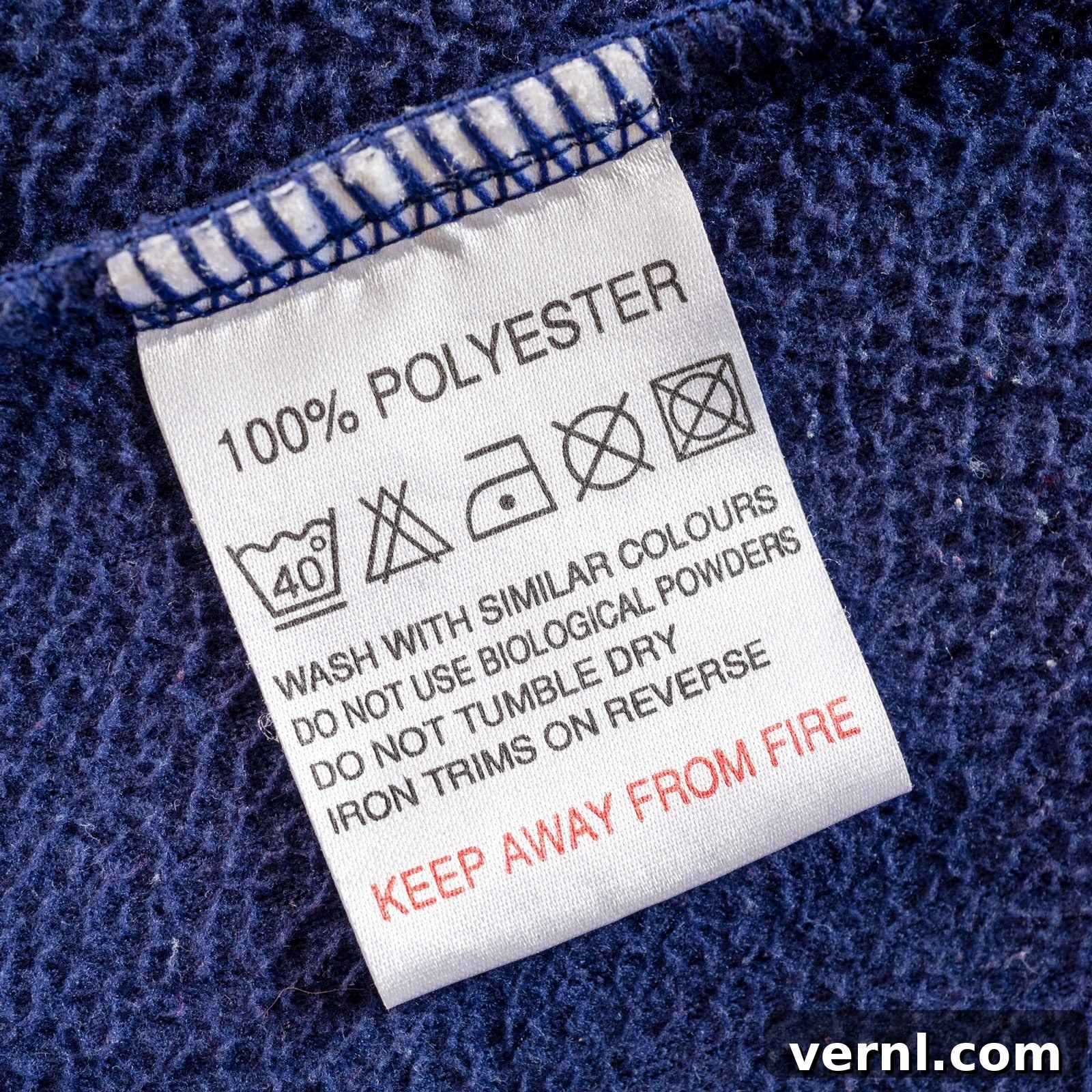
Polyester is celebrated for its incredible toughness and resilience, which generally makes most polyester clothes well-suited for machine washing. However, this rule comes with an important caveat: it’s not always the case. The golden rule of laundry care dictates that you must always begin by checking the garment’s care label. This small but crucial tag provides specific instructions from the manufacturer, tailored to keep your particular polyester item in its best shape.
LaLonde’s primary piece of advice echoes throughout the industry: steer clear of high heat. “Polyester is a synthetic material, and high heat can break down the polyester fibers and damage the clothing,” she explains. This breakdown isn’t merely an aesthetic concern; it has significant implications for the fabric’s structural integrity, potentially leading to shrinkage, warping, or a loss of elasticity. More critically, the degradation of synthetic fibers due to heat contributes to a growing environmental problem. These minuscule particles can shed into our waterways as microplastic waste, posing a serious threat to aquatic ecosystems and ultimately entering our food chain.
Consequently, the choice of water temperature is paramount. LaLonde advises, “That’s why it’s important to use warm or cold water settings, and opt for a gentle detergent.” By adhering to these simple yet vital guidelines, you not only protect the longevity and appearance of your clothing but also play a significant role in minimizing your environmental footprint.
Below, we detail the correct procedures for both machine washing and hand washing your polyester clothing, ensuring that each garment receives the care it deserves to look and feel great for longer.
Machine Washing Polyester: A Step-by-Step Approach for Optimal Results
“Polyester is a durable material that can easily be washed in a washing machine,” reiterates LaLonde, offering reassurance about this convenient cleaning method. While the fabric’s robust nature allows for machine washing, selecting the appropriate cycle and water temperature is key to achieving optimal results without compromising the garment’s quality. Depending on the specific type of polyester, its blend, and its construction, some items may tolerate a standard Normal setting. However, more delicate polyester blends, items with specific finishes, or those prone to snagging may benefit significantly from a Delicate or Permanent Press cycle. Regardless of the cycle chosen, consistently opting for warm or cold water is non-negotiable for safeguarding the fabric’s integrity and preventing damage.
- Separate Your Clothes Thoughtfully: The cornerstone of effective laundry care is meticulous sorting. To significantly extend the life of your garments and ensure thorough cleaning, always wash like fabrics together. This means creating separate loads for heavy items like denim jeans, medium-weight cottons, and your lighter, more delicate polyester items. Washing polyester with rougher fabrics can lead to excessive friction, which can cause pilling, snags, and premature wear. Additionally, always separate darks from lights to prevent any undesirable dye transfer, preserving the vibrant colors of your polyester clothing.
- Pre-Treat Any Stubborn Stains: Polyester boasts a natural resistance to stains, which is one of its many appealing qualities. However, no fabric is entirely immune to accidents. Should a stain manage to adhere to your polyester garment, prompt pre-treatment is essential for successful removal. For many common household stains, a simple application of distilled white vinegar directly onto the affected area can work wonders. Alternatively, a commercial stain remover specifically formulated for synthetic fabrics can be highly effective. Always remember to test any pre-treatment solution on an inconspicuous part of the garment first to ensure it doesn’t cause any discoloration or damage. Allow the pre-treatment to penetrate the stain for a few minutes before initiating the wash cycle.
- Select the Correct Cycle and Water Temperature: As previously emphasized, the choice of water temperature is paramount for polyester. Consistently opt for cold or warm water. Cold water is generally the best choice for vibrant colors as it helps prevent fading, and it’s also the most energy-efficient option. Warm water can be suitable for whites or particularly soiled items, but hot water must be strictly avoided due to its damaging effects on polyester fibers and its contribution to the release of microplastics. For the wash cycle, a Normal setting might be acceptable for very robust polyester items, but for the majority of polyester garments—especially blends, delicate weaves, or items prone to stretching—a Gentle or Permanent Press cycle is strongly recommended. These cycles feature lower agitation and slower spin speeds, which are far kinder to synthetic fibers, helping to prevent stretching, snagging, and unwanted pilling.
- Add the Appropriate Amount of Detergent: When selecting a detergent for polyester, a mild, liquid formula is generally preferred, as harsh chemicals can degrade the fabric over time. A common mistake many people make is using too much detergent, believing it will lead to cleaner clothes. In reality, excessive detergent can leave residue on your garments, making them stiff, dull, or even leading to unpleasant odors. This residue can also accumulate within your washing machine, potentially affecting its performance. For a standard full load, approximately two tablespoons of liquid detergent are usually sufficient. For smaller loads or high-efficiency machines, even less may be required. Always refer to your detergent’s packaging for precise dosing instructions based on your load size and soil level to ensure effective cleaning without waste or residue.
- Remove Promptly After Washing: One of polyester’s most appreciated qualities is its natural resistance to wrinkles. However, leaving clean, damp polyester garments to sit in the washing machine after the cycle has finished can negate this benefit, leading to stubborn creases. To capitalize on polyester’s wrinkle-resistant properties, it is crucial to remove your clothing promptly as soon as the wash cycle completes. Gently shake out each item to release any minor wrinkles and prepare them for the next stage of drying. This simple step helps minimize ironing and ensures your garments maintain a crisp, fresh appearance.
Expert Insight on Machine Hand-Wash Settings: It’s important to clarify a common misconception regarding washing machine settings. As LaLonde points out, if your washing machine offers a “hand-wash” setting, this is not a literal substitute for manually hand washing your clothes. However, this specialized cycle can be an excellent and highly beneficial solution for many delicate polyester items that require a gentler touch than even a standard delicate machine cycle. Machine hand-wash, gentle, or delicate cycles are meticulously engineered to utilize “low agitation or tumbling speeds, along with cold water, for gentle cleaning and reduced wrinkling.” These settings effectively mimic the careful, less abrasive motion of manual hand washing while providing the convenience and thoroughness of a machine. They are particularly ideal for intricate polyester weaves, blended fabrics that might be prone to stretching, or garments with delicate embellishments.
Hand Washing Polyester: The Gentle Touch for Your Delicate Garments
There are specific scenarios where hand washing becomes not just a preference but a necessity for caring for your polyester items. Garments explicitly labeled “hand wash only,” such as luxurious silky blouses, intricate lace polyester, or items adorned with delicate embellishments, demand this gentle, controlled approach. Hand washing offers unparalleled precision, effectively preventing the harsh agitation, stretching, and potential damage that even the gentlest machine cycle can sometimes inflict. While it might seem slightly more labor-intensive, hand washing is a straightforward process that guarantees the longevity and pristine condition of your most cherished polyester pieces. Here’s Morgan LaLonde’s step-by-step guide to mastering the art of hand washing polyester:
- Prepare Your Washing Station: Begin by ensuring your sink, basin, or tub is impeccably clean. This crucial step prevents any residual dirt, grime, or cleaning product from transferring to your garment. Fill the basin with cool or cold water; reiterate that hot water should always be avoided for polyester. Add a very small amount of a mild liquid detergent. For especially delicate items, consider using a specialty detergent formulated specifically for hand washing or delicates, as these products are designed to be extra gentle on fibers and colors.
- Create a Gentle Soapy Solution: With your hands, gently stir the water until the detergent is fully dissolved and a light, consistent lather of suds forms. Avoid creating an excessive amount of bubbles, as this often indicates too much detergent has been used. If your garment has any localized stains, this is the opportune moment for careful pre-treatment. Dab a small amount of stain remover directly onto the affected area and allow it to penetrate for a few minutes before submerging the entire item.
- Submerge and Swirl the Garment: Carefully immerse your polyester clothing into the prepared soapy water. Gently press the garment down to ensure it becomes fully saturated. Once submerged, slowly and deliberately swirl the item around in the water, allowing the soapy solution to gently work its way through the fabric. It is vital to avoid any vigorous scrubbing, stretching, or twisting motions, as these can easily damage delicate polyester fibers, leading to pilling, distortion, or loss of shape. Maintain a gentle, consistent motion. Allow the garment to soak for approximately 5-10 minutes, adjusting the time based on its soil level.
- Rinse Thoroughly with Clean Water: After the initial washing phase, carefully drain the soapy water from the sink or tub. Refill the basin with fresh, cold, clean water. Submerge the garment once more, gently plunging it up and down several times to effectively rinse away all traces of soap. It is absolutely crucial to ensure that all detergent residue is completely removed, as any remaining soap can lead to fabric stiffness, dullness, or even skin irritation when worn. You may need to drain and refill the basin multiple times until the water runs completely clear and absolutely no suds are visible.
- Gently Remove Excess Water: Once your garment is thoroughly rinsed, gently press it against the side of the sink or tub to encourage some of the water to naturally drain away. Under no circumstances should you wring or twist the fabric vigorously, as this can severely stretch, distort, or damage the delicate polyester fibers. The primary objective at this stage is to remove the bulk of the water without stressing the material, preparing it for the final and equally important drying stage.
Mastering the Art of Drying Polyester: Preserving Fabric Integrity
After your polyester garments have undergone a thorough wash and rinse, the next crucial step is proper drying. You’ll inevitably be left with a soaking wet shirt or pair of pants. The immediate objective, as LaLonde sagely advises, is to “remove excess water before hanging or laying flat to dry.” This initial phase is fundamental for significantly accelerating the drying process, preventing potential mildew formation, and safeguarding the fabric from unnecessary stress.
An exceptionally effective and gentle method for this is the towel-rolling technique. Begin by taking a clean, highly absorbent towel – a bath-sized towel or even a larger beach towel is ideal for most garments – and lay it out flat on a clean, dry surface. Carefully position your wet polyester garment onto one end of the towel. Starting from that end, slowly and firmly roll the towel up, with the garment nestled securely inside. As you roll, apply gentle, consistent pressure or squeeze the towel to encourage it to absorb as much water as possible from the fabric. Continue this process until the garment no longer drips water. This technique is vastly superior and far gentler than traditional wringing, which can stretch and distort delicate polyester fibers, effectively removing a significant amount of moisture without causing any damage.
Once the bulk of the excess water has been carefully removed, your polyester garments are ready for the final drying stage. While polyester is generally considered safe to put in a tumble dryer, the caution regarding heat remains paramount. “Similar to the wash cycle, we recommend a lower heat when drying any polyester clothing to avoid shrinking or distress,” LaLonde explicitly cautions. High heat in the dryer can inflict the same detrimental effects as hot water in the wash: it can irreversibly break down the synthetic fibers, leading to noticeable shrinkage, compromising the fabric’s integrity, and, critically, increasing the release of microplastics into the environment. Therefore, opting for a medium or, ideally, a lower heat setting—such as an air-dry or tumble-dry low cycle—is absolutely crucial for preserving the item’s fibers, maintaining its original shape, and protecting its texture and longevity.
For optimal results, maximized energy efficiency, and to further minimize environmental impact, air drying is often the best choice for polyester. Polyester is renowned for being a quick-drying fabric, making air drying a highly practical and eco-friendly option. You can hang your garments on a padded hanger to help maintain their natural shape and prevent shoulder marks, or lay them flat on a clean, dry surface or a mesh drying rack. Ensure there is good air circulation around the garment to facilitate even drying and prevent any musty odors from developing. It’s also wise to avoid direct sunlight for extended periods, especially for darker colored items, as prolonged exposure can lead to color fading over time. By diligently combining the gentle towel-rolling method with appropriate air or low-heat tumble drying, you ensure your polyester clothing remains in excellent, ready-to-wear condition, allowing you to enjoy its many benefits for years to come.
Beyond Washing and Drying: Extended Polyester Care Tips for Longevity
While proper washing and drying techniques form the bedrock of polyester care, a truly holistic approach extends beyond these fundamental steps to ensure your garments remain in peak condition for as long as possible. Integrating these additional, nuanced tips into your regular routine will not only significantly prolong the life and wearability of your polyester items but also enhance their appearance, comfort, and functional performance.
Addressing Common Polyester Concerns Proactively
Dealing with Lingering Odors: A frequent complaint associated with polyester, particularly in athletic wear, is its tendency to sometimes retain unpleasant odors even after a thorough wash. This phenomenon occurs because synthetic fibers can, under certain conditions, trap odor-causing bacteria more readily than natural fibers. To effectively combat this issue, consider adding half a cup of distilled white vinegar to the rinse cycle when machine washing. For hand washing, a single tablespoon of vinegar will suffice. For particularly stubborn or deeply ingrained odors, pre-soaking the items in a solution of cold water mixed with a cup of vinegar for approximately 30 minutes before the main wash cycle can be remarkably effective. Crucially, always ensure that garments are completely dry before storing them, as any residual dampness can exacerbate odor retention and even lead to mildew.
Preventing and Managing Pilling: Pilling, characterized by those tiny, unsightly balls of fiber that form on the surface of fabric, can occur on polyester, especially in areas subjected to high friction or rubbing. To effectively minimize the formation of pills, always wash polyester garments inside out. This simple step protects the outer surface from abrasion. Additionally, always separate polyester items from rougher fabrics, such as denim or towels, and consistently use a gentle wash cycle. Should pilling unfortunately occur, it can often be carefully removed using a specialized fabric shaver, a good quality lint roller, or, with extreme caution, a sharp razor blade gently glided over the surface.
Smart Storage and Long-Term Care Strategies
Implementing Smart Storage Solutions: Once your polyester garments are completely dry, proper storage is vital for maintaining their shape, preventing wrinkles, and ensuring they remain fresh. For items that are prone to creasing, such as blouses or dresses, hang them on appropriate, padded hangers to preserve their form. For knitwear, sweaters, or other delicate items that might stretch or become misshapen if hung, it is best to fold them neatly and store them in drawers or on shelves. Always ensure your storage area is clean, dry, and well-ventilated to prevent the development of mildew or musty smells that can permeate fabrics.
The Indispensable Role of Care Labels: The importance of diligently consulting the garment’s care label cannot be overstated. Each individual garment is unique, and while general guidelines apply broadly to polyester, specific blends, unique weaves, or special finishes may necessitate particular attention and care instructions. The care label serves as your ultimate authority, offering tailored advice directly from the manufacturer regarding the precise wash temperature, recommended cycle, optimal drying method, and any specific instructions such as “dry clean only.” Following these instructions is the surest way to guarantee the longevity and pristine condition of your investment.
Considering Environmental Responsibilities
Minimizing Microplastic Release: Beyond the critical practice of avoiding high heat during washing and drying, there are additional proactive measures you can take to significantly reduce the shedding of microplastics from your polyester garments. Washing garments less frequently, whenever possible, can reduce fiber release. Investing in specialized laundry bags designed to capture microfibers during the wash cycle is another effective strategy. Continuing to prioritize cold water washing for all polyester items also plays a substantial role in mitigating this environmental issue. By considering the entire lifecycle of your polyester clothing, from the moment of purchase to its eventual responsible disposal, and by striving for more sustainable choices in your laundry routine, you contribute positively to environmental protection.
By thoroughly understanding and diligently implementing these comprehensive care strategies, you can substantially extend the life, beauty, and functional performance of your polyester clothing. This allows you to fully enjoy its many benefits – its durability, wrinkle resistance, and versatility – while simultaneously contributing to more sustainable and environmentally conscious laundry practices. Polyester, when cared for correctly and thoughtfully, is a resilient, reliable, and truly remarkable fabric that is designed to stand the test of time.