
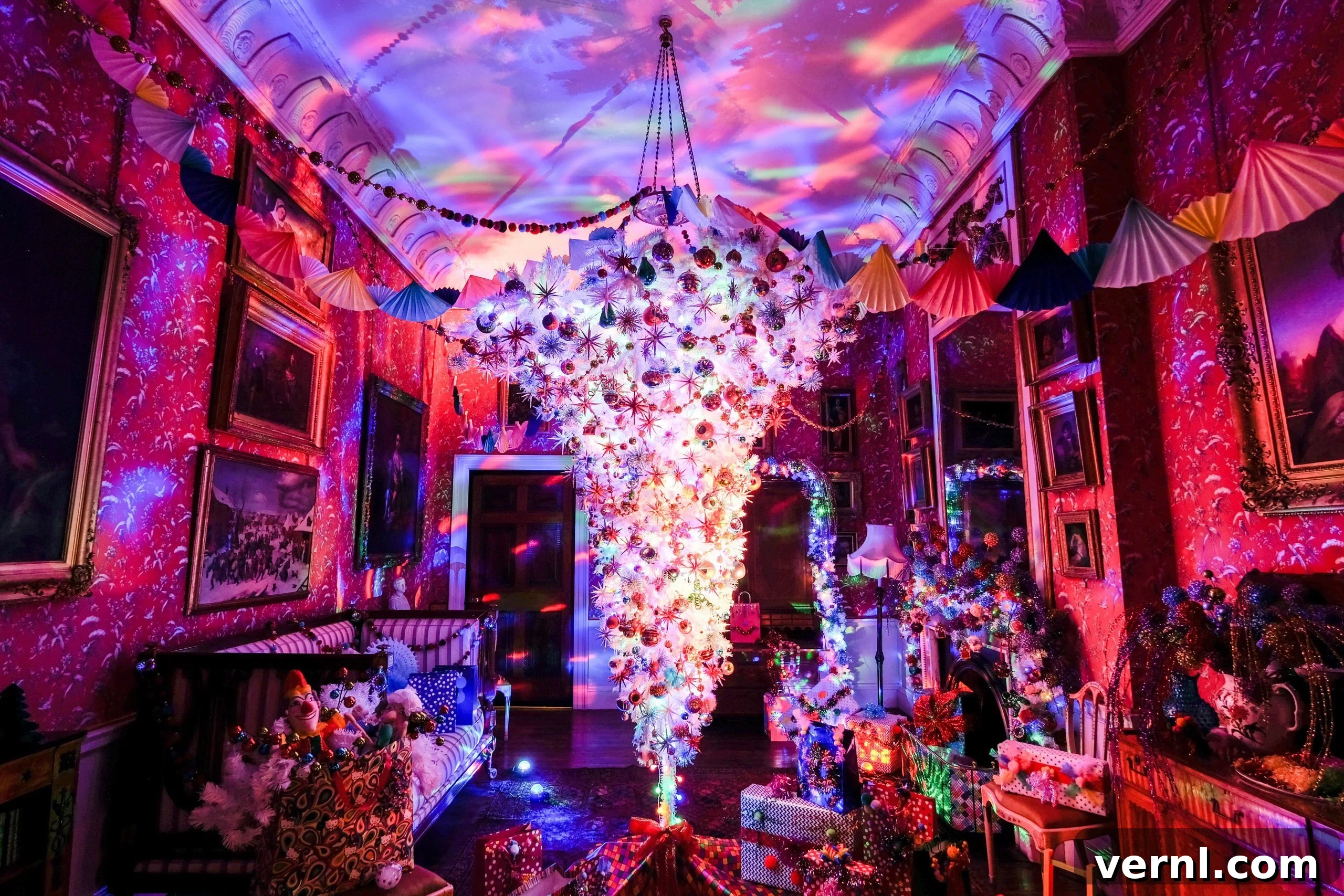
Embrace the Unexpected: The Ultimate Guide to Upside Down Christmas Trees
Are you perpetually seeking fresh and innovative ways to infuse your home with holiday cheer? Do you yearn to dazzle guests and enchant your family with a truly distinctive festive display? If so, the upside down Christmas tree is poised to revolutionize your seasonal decorating. This captivating alternative to the traditional fir is guaranteed to spark conversation and leave a lasting impression.
What Exactly is an Upside Down Christmas Tree?
An upside down Christmas tree is precisely what its name suggests: an inverted festive centerpiece where the apex of the tree points towards the floor and its widest base faces the ceiling. This unconventional orientation creates an immediately striking visual that challenges traditional perceptions of holiday decor. While the concept might seem modern, its roots have an interesting, albeit debated, history.
When considering an inverted tree, you generally have two main options: purchasing a specialized artificial upside down Christmas tree designed to rest on a floor-based stand, or mounting either a real or artificial tree from your ceiling. For practicality and safety, artificial trees typically emerge as the superior choice. They are available in a multitude of lightweight varieties, making installation considerably easier, particularly for ceiling-mounted setups. Furthermore, the logistical challenge of watering a real tree suspended upside down is immense. A real tree in such a configuration would dry out rapidly, becoming a significant fire hazard, thus making artificial options not just convenient but also safer.
The Enigmatic History and Evolution of Inverted Trees
The practice of adorning evergreen trees during winter solstice celebrations dates back hundreds of years, with the modern Christmas tree tradition first emerging in 16th-century Germany. Families would decorate fir trees with candles, apples, and nuts, bringing light and life into the darkest days of winter. However, the precise origin of intentionally turning these festive symbols upside down remains a topic shrouded in a bit of mystery and folklore.
Several intriguing myths and anecdotal stories circulate regarding the initial display of an inverted Christmas tree. One popular, albeit unsubstantiated, theory suggests a possible connection to medieval Central European traditions, where spruce branches were sometimes hung upside down as a symbol of the Holy Trinity. Another tale attributes the trend to a Polish custom of hanging small spruce trees from the ceiling as a symbol of prosperity and protection, predating the modern concept of Christmas trees altogether.
In more recent history, major department stores played a pivotal role in popularizing the inverted tree. Recognizing their eye-catching appeal, retailers began utilizing upside down Christmas trees in their elaborate holiday displays. This clever strategy served a dual purpose: it not only enticed customers with a novel and memorable spectacle but also ingeniously maximized sales floor space beneath the tree for merchandise. This commercial adoption helped solidify the upside-down tree’s status as a contemporary, avant-garde holiday statement, paving the way for its increasing popularity in homes today.
Mastering the Installation: Hanging Your Inverted Yuletide Centerpiece
Embarking on the installation of an upside down Christmas tree requires careful planning and a commitment to safety. Your first critical decision is selecting the type of tree you wish to use. Many artificial inverted trees are specifically designed with a sturdy base, allowing them to stand inverted on the floor without additional ceiling support. This is often the simplest and safest option for beginners.
However, if your vision involves a dramatic, ceiling-suspended display, you’ll need to meticulously identify a secure location in your home. The paramount concern here is the combined weight of your tree and all its decorations. Depending on this weight, simply using drywall anchors might not suffice; securing the tree directly into ceiling studs or robust structural beams is often the safest approach. We cannot overemphasize the importance of caution and thoroughness during this process.
Whether you choose heavy-duty drywall anchors specifically rated for significant weight or opt for lag screws directly into ceiling joists, ensure that the tree’s base is impeccably secured. Think of it as reinforcing the anchor points, similar to how you would secure a traditional tree in its stand, but with the added dimension of gravity working against you. Mounting the tree from its base—the widest part—provides more robust anchoring opportunities and distributes the weight more effectively across the ceiling structure. For heavier trees or those installed in older homes, consulting with a structural engineer or a qualified contractor for guidance on safe hanging techniques is highly recommended.
As an alternative to screwing the tree’s base directly to the ceiling, you might consider using a heavy-duty hook. However, this method requires meticulous attention to the hook’s weight capacity and its secure attachment to the ceiling. Ensure the hook is rated for at least twice the anticipated total weight of your decorated tree, and always anchor it into a structural component, never just drywall. A thorough pull-test of the installed hook before attaching the tree can provide peace of mind.
Decorating Your Upside Down Christmas Tree: A Fresh Perspective
Decorating an upside down Christmas tree offers a delightful twist on traditional techniques, allowing for creative expression that capitalizes on its unique orientation. While the process is fundamentally similar to decorating a conventional tree, there are a few considerations to ensure both beauty and safety.
Garlands and lights remain essential elements. When applying lights, consider starting from the “top” of the tree (which is now near the floor) and working your way up towards the ceiling. This ensures the plug is conveniently located near a power outlet, minimizing the length of exposed cords and preventing them from becoming a tripping hazard. For an even safer and more aesthetically pleasing solution, especially for ceiling-mounted trees, battery-powered LED lights are an excellent choice, eliminating the need for cords altogether.
Ornament placement requires a bit more thought. Given the inverted nature, prioritize lightweight and unbreakable ornaments, particularly for sections that extend furthest from the ceiling. No one wants to deal with the disappointment of shattered heirlooms or the danger of cleaning up sharp shards. Heavier or more delicate ornaments should be positioned closer to the secure base (the widest part nearest the ceiling or its stand) where gravity poses less of a threat. Consider how the inverted shape naturally draws the eye upwards, using strategically placed ornaments to enhance this effect. Furthermore, the traditional tree topper might find a new home—perhaps affixed to the “tip” of the tree closest to the floor, or creatively integrated into the display at the widest point near the ceiling.
Beyond Novelty: The Undeniable Advantages of an Inverted Tree
While their unusual appearance is undeniably eye-catching, upside down Christmas trees offer a surprising array of practical benefits that extend beyond mere novelty:
- Optimized Space-Saving: This is arguably their most compelling advantage, especially for those living in apartments or smaller homes. The widest part of the tree gracefully extends towards the ceiling, where open space is abundant, leaving the narrower section near the floor. This ingenious design frees up valuable floor real estate for gifts, additional decorations, or simply easier foot traffic during holiday gatherings. Even in a generous year with an abundance of presents, your living area remains uncluttered.
- Enhanced Safety for Children and Pets: For families with curious toddlers or playful pets, an inverted tree offers an inherent safety feature. Delicate or potentially hazardous ornaments, typically within easy reach on a traditional tree’s lower branches, are now elevated and out of harm’s way. This minimizes the risk of breakages, ingestions, or minor injuries, allowing for a more relaxed holiday experience.
- Unique Aesthetic Appeal: An upside down tree instantly transforms any room into a conversation starter. It challenges conventional holiday aesthetics, offering a fresh, modern, and artistic take on a beloved tradition. It’s perfect for those who enjoy pushing boundaries and expressing their individuality through decor.
- Creative Decorating Opportunities: The inverted shape encourages a new approach to decorating, allowing you to highlight different elements and create unique visual flows that might not be possible with a traditional upright tree.
- Unobstructed Views: By moving the bulk of the tree upward, inverted trees can offer clearer sightlines within a room, enhancing an open-plan living space or improving visibility of other festive elements.
Essential Safety Guidelines for Your Upside Down Christmas Tree
While the allure of an inverted Christmas tree is strong, prioritizing safety is paramount. Adhering to these guidelines will ensure your unique holiday display remains a source of joy, not concern:
Weight Management is Crucial
Regardless of whether your tree is floor-mounted or ceiling-suspended, an accurate assessment of its total weight is vital. This includes not just the tree itself but also all lights, garlands, and ornaments. A heavy tree, if improperly supported, poses a significant safety hazard. A floor-standing tree that is too top-heavy could tip over, causing damage or injury. A ceiling-mounted tree exceeding its anchor’s capacity risks catastrophic failure, potentially damaging property and endangering occupants. Always check manufacturer specifications for artificial trees and err on the side of caution with real ones. For ceiling installations, ensure your chosen anchor points can safely support at least double the calculated total weight.
Electrical Cord Safety
As with any Christmas decorations involving electricity, cords can create tripping hazards and fire risks. Never run electrical cords across walking paths, under rugs, or near heat sources such as fireplaces, radiators, or heating vents. Ensure all lights and electrical components are UL-certified. For an ultimate peace of mind and to entirely eliminate cord-related risks, seriously consider investing in battery-powered LED lights. Their efficiency and safety make them an ideal choice for both floor-standing and especially ceiling-mounted inverted trees.
Fire Hazards for Real Trees: A Strong Warning
The allure of a real, fragrant evergreen can be tempting, but when it comes to inverted trees, the risks far outweigh any benefits. It is nearly impossible to safely and adequately water a real tree mounted upside down. A dry tree rapidly transforms into a severe fire hazard, capable of igniting and spreading flames with terrifying speed. We cannot stress this enough: unless you intend to display a real tree for a very brief period and are prepared for constant monitoring and specialized watering techniques (which are still highly problematic), it is strongly advised to opt for an artificial tree. Preventing Christmas tree fires should always be your top priority during the holiday season.
Ensuring Stability and Regular Checks
For ceiling-mounted trees, perform regular visual inspections of the anchor points throughout the holiday season, checking for any signs of strain, loosening, or damage. Avoid placing heavy objects directly under a suspended tree. For floor-standing inverted trees, ensure the base is wide and stable, particularly if you have children or pets who might be tempted to pull or climb.
By thoughtfully considering these installation and safety guidelines, your upside down Christmas tree will undoubtedly become a secure, spectacular, and joy-filled centerpiece of your holiday celebration. Embrace the unique, celebrate with confidence, and enjoy the marvel of an inverted festive masterpiece!