
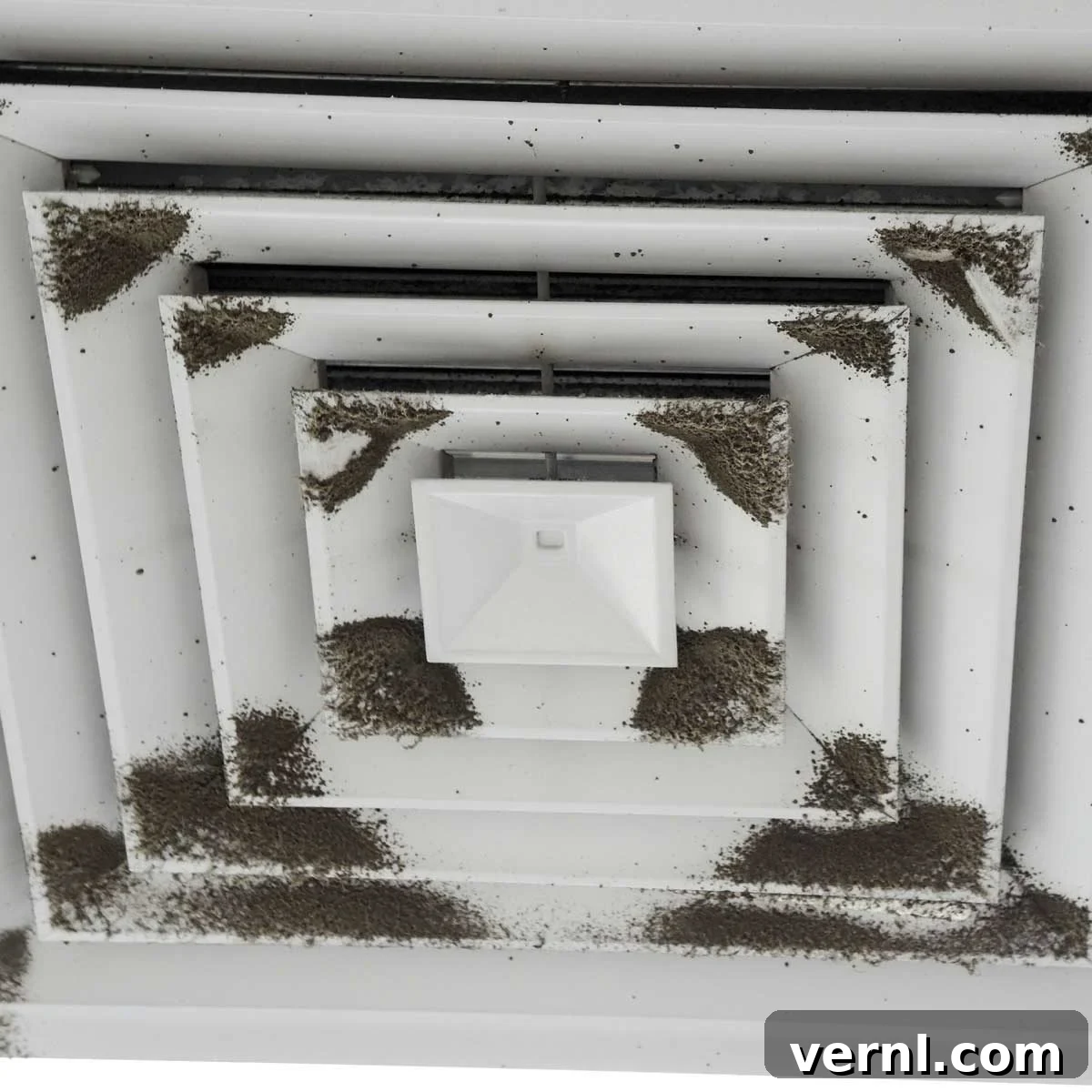
Cladosporium Mold: A Comprehensive Guide to Identification, Health Risks, and Effective Removal
Mold, an essential decomposer in natural ecosystems, transforms into a significant health hazard when it infiltrates our living spaces. Its presence indoors unequivocally signals excessive moisture, elevated humidity levels, or concealed leaks within your home. Beyond the structural damage it can inflict, indoor mold carries substantial health risks for occupants. Among the myriad of mold types you might encounter, Cladosporium stands out as one of the most prevalent. This widespread genus of mold thrives globally, typically flourishing outdoors on decaying organic matter. However, its microscopic spores effortlessly migrate indoors, compromising indoor air quality and potentially triggering a range of adverse health reactions, including allergic responses, exacerbation of asthma, and other respiratory complications.
This authoritative guide will meticulously detail how to identify Cladosporium mold, illuminate the potential dangers it poses, and outline the most effective methods for its complete removal from your home. Featuring expert insights from Mike Sacenti of American Healthy Homes, a seasoned professional in mold remediation, you will gain invaluable knowledge to safeguard your property and ensure the well-being of your family against the pervasive threat of this common indoor invader.
What Is Cladosporium Mold?
Cladosporium represents a diverse genus of mold, encompassing over 40 formally documented species and an estimated 180 or more unnamed species. This extensive diversity contributes to its extreme prevalence and can make precise identification challenging without laboratory analysis. While often broadly referred to as “black mold” due to its color, it’s crucial to understand that Cladosporium is not typically the highly toxic ‘Stachybotrys chartarum’ (often called black mold). Most Cladosporium species manifest as distinct colonies ranging in color from black, dark brown, or olive green, making them one of the most frequently observed molds both outdoors and within indoor environments.
Characteristics and Life Cycle of Cladosporium
Cladosporium molds are characterized by their velvety or suede-like texture, although they can also appear powdery depending on the surface and stage of growth. They are saprophytic organisms, meaning they obtain nutrients from dead organic matter. Many species thrive on decaying plant material, dead leaves, agricultural crops, and even other fungi. Their lifecycle is typical of many molds: once mature, they produce and release vast quantities of microscopic, airborne spores. These spores are remarkably lightweight and are readily carried and dispersed over significant distances by wind currents. Consequently, air in the vicinity of a substantial mold growth can become temporarily thick with spores, increasing the likelihood of indoor infiltration.
These spores act as the primary reproductive units of the mold. When they land on a surface that provides adequate moisture, a suitable temperature (typically between 65°F and 82°F / 18°C and 28°C), and a food source, they can germinate and begin to form new mold colonies. This resilience and effective dispersal mechanism contribute significantly to Cladosporium’s omnipresence.
Where Is Cladosporium Mold Commonly Found?
Cladosporium is truly a global phenomenon, found across every continent. Its adaptability allows it to thrive in a wide range of climates, although most species exhibit a preference for moderate temperatures. The critical factor for its growth, like almost all molds, is the presence of moisture. It flourishes in wet, damp, or consistently humid conditions, making moisture control the cornerstone of prevention.
Outdoor Habitats
In outdoor settings, Cladosporium is an integral part of the natural decomposition process. It is frequently discovered on dead or dying plants, rotting organic material such as fallen leaves, compost piles, and soil. You can also find it on the surfaces of living plants, sometimes causing leaf spots but generally considered harmless to most healthy vegetation. Its spores are abundant in outdoor air, especially during warmer months, which is why outdoor spore counts often surge after rain events, making outdoor activities potentially triggering for sensitive individuals.
Indoor Habitats: Common Infestation Zones
Once Cladosporium spores infiltrate indoor environments, they seek out damp and organic-rich surfaces to colonize. Its common indoor hideouts include:
- Bathrooms: High humidity from showers, condensation on cold surfaces, and potential leaks around plumbing make bathrooms prime breeding grounds.
- Basements and Crawl Spaces: These areas are notoriously prone to high humidity, water intrusion from leaks, and condensation, providing ideal conditions for extensive mold growth.
- Kitchens: Leaks under sinks, behind dishwashers, or near refrigerators can create hidden moisture pockets.
- Carpets and Rugs: If exposed to moisture from spills, leaks, or high humidity, carpets can become saturated and provide a rich organic food source.
- Wallpaper: The paper backing of wallpaper can absorb moisture, and the adhesive acts as a food source, making it highly susceptible to mold.
- Fabrics and Upholstery: Damp clothes, curtains, and upholstered furniture can quickly develop mold if left wet or in humid conditions.
- Wood Surfaces: Plywood, particleboard, structural lumber, and wooden furniture can absorb moisture and provide the cellulose that Cladosporium feeds upon.
- Painted Surfaces: While paint itself may not be a primary food source, dirt and organic dust accumulating on painted walls can sustain mold growth, especially if the surface is damp.
- Drywall and Insulation: These porous materials are excellent nutrient sources and retain moisture efficiently, making them highly vulnerable to mold proliferation following water damage.
- Attics: Poor ventilation combined with roof leaks or condensation from inadequate insulation can lead to significant mold growth in attic spaces.
As Mike Sacenti, an expert from American Healthy Homes, emphasizes, “The mold’s root system has to get into something porous and organic like wood, paper, or cardboard. It will also grow on extremely dusty, dirty surfaces and feed off the organic material found there.” This highlights the importance of keeping surfaces clean and dry to deny mold its essential growth requirements.
What Are the Health Effects of Cladosporium Exposure?
While most Cladosporium species are not inherently pathogenic or known to cause severe infections in healthy individuals, prolonged or significant exposure to the mold or its airborne spores can elicit a range of health issues. Its ubiquitous nature means that many people are regularly exposed, but reactions vary significantly based on individual sensitivity and pre-existing health conditions.
Allergic Reactions and Respiratory Symptoms
For sensitive individuals, Cladosporium is a common allergen. Prolonged exposure can lead to typical allergy symptoms, including:
- Sneezing and runny nose
- Nasal congestion and sinus pressure
- Itchy, watery eyes
- Skin rashes or hives
- Sore throat and coughing
In people already suffering from asthma, exposure to Cladosporium spores can significantly worsen existing symptoms, triggering asthma attacks characterized by wheezing, shortness of breath, chest tightness, and severe coughing. The spores act as irritants that inflame the airways, making breathing difficult.
More Severe Conditions: Fungal Sinusitis and Infections
Although less common, a few Cladosporium species have been implicated in more localized infections, particularly in vulnerable areas. These can include infections in the ears, eyes, nose, and sinuses. A more serious, albeit rare, condition resulting from excessive exposure is fungal sinusitis. This condition occurs when fungal matter, including Cladosporium, colonizes the nasal passages and sinus cavities, leading to:
- Chronic sinus congestion
- Excessive mucus buildup and post-nasal drip
- Persistent headaches and facial pain
- Loss of smell
- Fatigue
Fungal sinusitis often requires medical intervention, which may include antifungal medications or, in some cases, surgical removal of fungal material.
Who Is Most Vulnerable?
As with other types of indoor mold, certain populations are more susceptible to the adverse health effects of Cladosporium. Individuals with pre-existing respiratory issues, such as asthma, bronchitis, or chronic obstructive pulmonary disease (COPD), are at heightened risk. Children and the elderly, whose immune systems may be less robust, are also more vulnerable. Furthermore, immunocompromised individuals (e.g., those undergoing chemotherapy, HIV/AIDS patients, organ transplant recipients) face a higher risk of developing more serious infections from mold exposure. As Mike Sacenti advises, “The reality is, most people are not going to be affected by exposure to Cladosporium unless there are pre-existing health issues.” This underscores the importance of a healthy indoor environment, especially for those with compromised health.
How to Remove and Prevent Cladosporium Mold
Effective mold remediation, particularly for Cladosporium, always begins with addressing the root cause: moisture. Simply cleaning the visible mold without eliminating its water source will result in rapid re-growth. Therefore, a two-pronged approach—eliminating moisture and thorough cleaning—is essential for long-term success.
Step 1: Identify and Resolve Moisture Sources
This is the most critical initial step. Without cutting off the mold’s water supply, any cleaning efforts will be temporary. Common moisture culprits include:
- Plumbing Leaks: Inspect under sinks, around toilets, and behind appliances for dripping pipes or dampness. Repair any leaks promptly.
- Roof and Wall Leaks: Check for water stains on ceilings or walls, especially after rain. Address damaged shingles, flashing, or exterior siding.
- Basement/Crawl Space Flooding: Implement solutions like sump pumps, foundation sealing, or improved exterior drainage to prevent water intrusion.
- Condensation: Insulate cold pipes to prevent condensation. Ensure proper ventilation in bathrooms, kitchens, and laundry areas to exhaust humid air.
- High Indoor Humidity: If your home consistently feels damp, invest in a dehumidifier, especially in basements and humid climates. Maintain indoor humidity levels between 30% and 50% using a hygrometer. Using your air conditioner can also help reduce humidity.
- Wet Building Materials: Thoroughly dry any water-damaged materials within 24-48 hours. If porous materials like drywall or insulation remain wet longer, they are likely to grow mold and may need to be removed.
Step 2: Personal Protection and Containment
Before beginning any mold cleanup, protect yourself from inhaling spores and skin contact. Wear:
- N95 Respirator Mask: Essential for preventing inhalation of mold spores.
- Gloves: Rubber or nitrile gloves protect your hands from mold and cleaning solutions.
- Eye Protection: Goggles or safety glasses prevent spores from irritating your eyes.
- Old Clothing: Wear clothing that can be washed immediately or disposed of afterward.
For larger areas of mold (anything over 10 square feet), consider isolating the area with plastic sheeting and sealing off air vents to prevent spores from spreading throughout your home.
Step 3: Cleaning and Removal Strategies
The method of cleaning depends on the type of surface:
- Non-Porous Surfaces (e.g., tile, glass, metal, hard plastic):
- Scrub surfaces with a stiff brush and a solution of detergent and water.
- For tougher stains or to kill remaining spores, a solution of 1 cup bleach per gallon of water can be used (never mix bleach with ammonia-based cleaners). Ensure adequate ventilation when using bleach.
- Alternatively, use white vinegar (undiluted) or hydrogen peroxide (3% solution) as natural mold killers, especially effective on less severe cases.
- Commercial mold removers like Concrobium Mold Control are also excellent. Concrobium works by crushing the mold at a microscopic level as it dries, leaving behind an invisible layer that prevents future mold growth without using harsh chemicals.
- Always dry the cleaned surfaces thoroughly to prevent immediate re-growth.
- Porous Surfaces (e.g., drywall, insulation, carpet, wood, fabric):
- If porous materials are heavily contaminated with mold, especially over a large area, they generally cannot be effectively cleaned and should be removed and replaced.
- For small areas of surface mold on porous materials (e.g., a small patch on unpainted wood), cleaning with a wire brush and a detergent solution, followed by thorough drying, may be attempted. However, be aware that mold roots can penetrate deep into these materials.
- Fabrics and upholstered items may be salvageable with specialized cleaning, but often need to be discarded if mold growth is extensive.
Remember that simply killing mold does not remove its allergenic or irritating properties; the mold must be physically removed.
When to Call a Professional
While DIY mold removal is feasible for small, easily accessible mold patches (less than 10 square feet), it’s crucial to know when to seek professional mold remediation services. You should call an expert if:
- The mold covers an area larger than 10 square feet.
- You suspect hidden mold behind walls, under flooring, or in HVAC systems.
- You or family members experience severe or persistent health issues related to mold exposure.
- The mold re-appears shortly after cleaning.
- The mold is a result of sewage or contaminated water.
Professionals have specialized equipment, containment strategies, and expertise to safely and effectively remove mold and prevent its return.
Long-Term Prevention Strategies
After removal, sustained efforts are needed to prevent Cladosporium (and other molds) from returning:
- Improve Ventilation: Open windows regularly, especially when showering, cooking, or doing laundry. Use exhaust fans in bathrooms and kitchens. Consider installing a heat recovery ventilator (HRV) for continuous fresh air exchange without significant heat loss, especially during winter.
- Control Humidity: Maintain indoor humidity levels between 30-50% using dehumidifiers in damp areas and ensuring your HVAC system is functioning correctly.
- Regular Cleaning: Dust and clean surfaces regularly to remove organic debris that can serve as a food source for mold spores.
- Address Spills Promptly: Clean up any water spills or leaks immediately and dry the area thoroughly within 24-48 hours.
- Maintain Gutters and Downspouts: Ensure they are clear and direct water away from your home’s foundation.
- Air Filtration: Use high-efficiency particulate air (HEPA) filters in your HVAC system or portable air purifiers to capture airborne mold spores.
- Avoid Storing Items in Damp Basements: Use plastic containers rather than cardboard boxes, and elevate items off the floor.
By diligently managing moisture and maintaining a clean environment, you can significantly reduce the risk of Cladosporium mold infestation and safeguard the health of your home and family.
About the Expert
- Michael Sacenti owns American Healthy Homes. He brings a wealth of experience to the field, with 10 years dedicated to the mold remediation industry, complemented by an extensive 40 years of experience in real estate maintenance. His expertise provides invaluable insights into practical and effective mold solutions for homeowners.