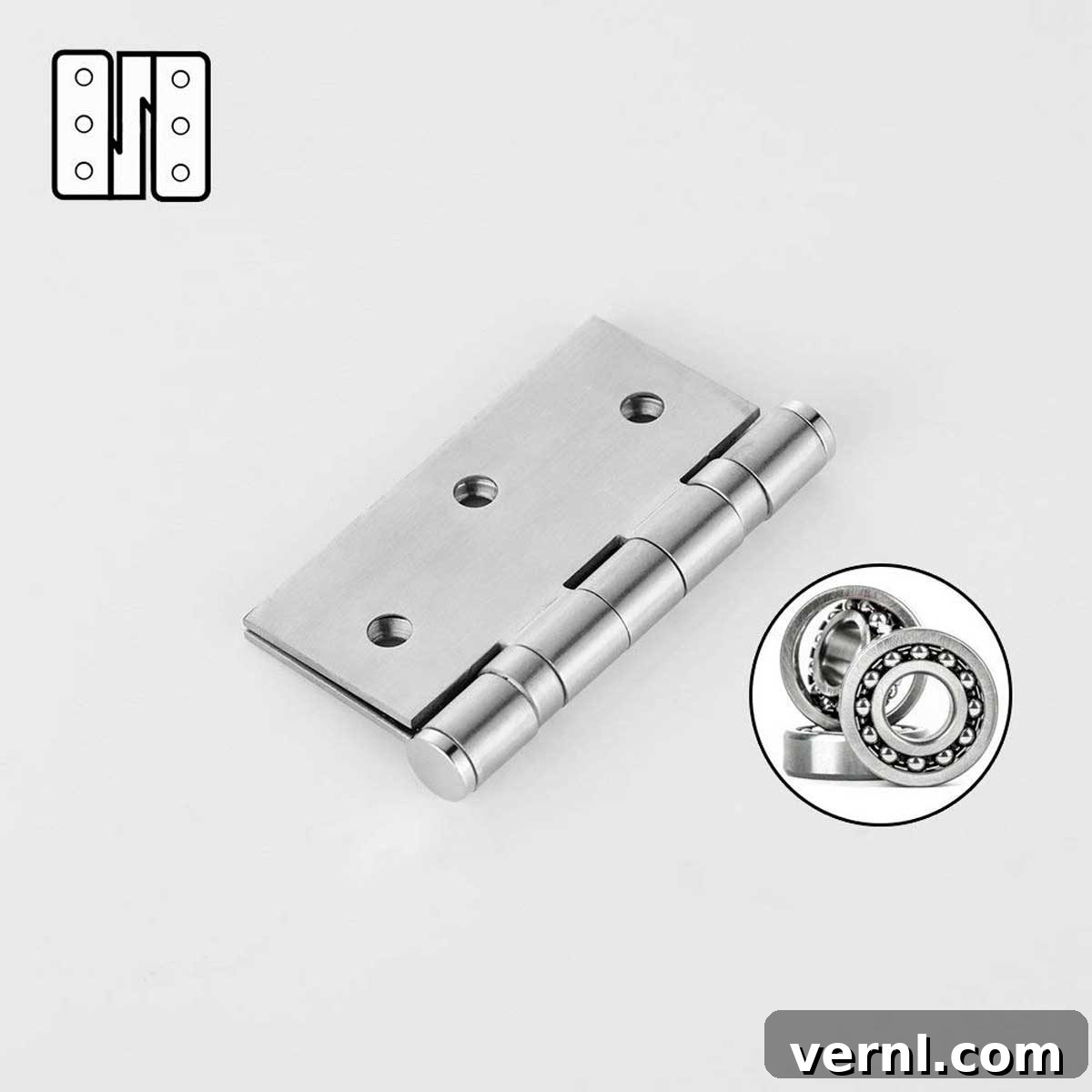
Unlock Smooth Performance: A Comprehensive Guide to Ball Bearing Hinges
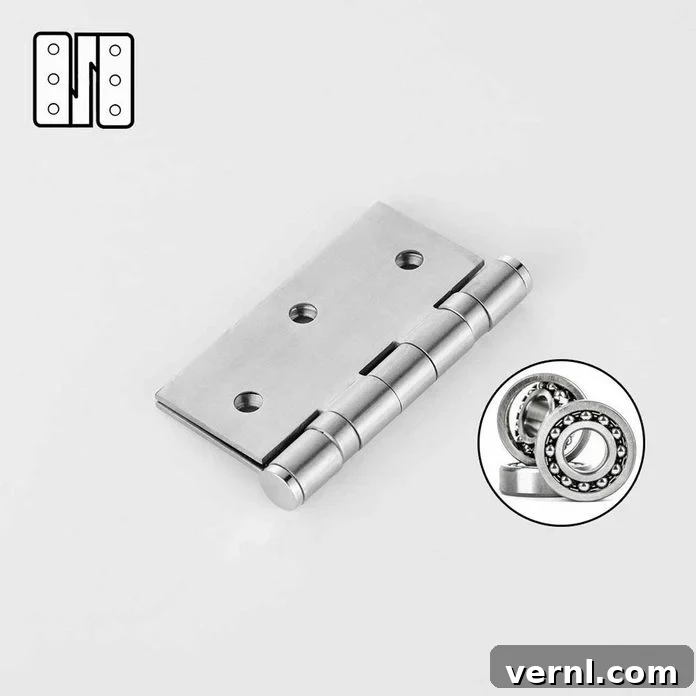
The life of a door can be summarized simply: open, close, repeat. Yet, for this cycle to happen consistently, effortlessly, and without the grating sound of a squeak or the frustrating drag of a sag, the unsung hero is often the ball bearing door hinge. These remarkable pieces of hardware are engineered to deliver unparalleled smoothness and durability, transforming everyday door operation from a chore into a seamless experience.
Whether you’re dealing with a heavy entry door, a robust solid-core interior door, or a high-traffic commercial opening, the right hinge can make all the difference. Say goodbye to sticking doors and annoying squeaks, and embrace the quiet efficiency that ball bearing hinges bring to your home or business.
What Exactly Are Ball Bearing Hinges?
At first glance, ball bearing hinges bear a striking resemblance to standard butt hinges, the most common type of hinge found on doors. However, their true innovation lies hidden within their design. The fundamental difference is found at the pivot point, where tiny, precision-engineered ball bearings are strategically placed between the knuckles of the hinge. These small but mighty components are typically made of hardened steel or brass, designed to withstand significant stress and reduce friction.
Depending on the hinge’s intended application and the weight it needs to support, these bearings might be present between each knuckle (for the heaviest duty applications) or just between a select few. This ingenious integration elevates ball bearing hinges into the category of heavy-duty hinges, signifying their superior strength and endurance compared to their standard counterparts. While standard hinges rely on metal-on-metal contact between knuckles, which quickly leads to wear, friction, and eventual sagging, ball bearing hinges introduce a rolling mechanism that fundamentally changes how a door operates.
How Do Ball Bearing Hinges Elevate Door Performance?
The magic of ball bearing hinges, often referred to as ball bearing butt hinges, lies in their ability to dramatically reduce friction. When a door equipped with a standard hinge moves, the metal knuckles rub directly against each other. This direct contact generates friction, leading to wear, resistance, and the notorious squeaking sound over time. For heavier doors or those that experience frequent use, this friction quickly becomes a major impediment, making the door harder to open and close smoothly.
Ball bearing hinges overcome this challenge by interposing miniature ball bearings between the hinge knuckles. Instead of metal sliding against metal, the knuckles glide effortlessly over these small, spherical bearings. This rolling action minimizes the contact surface and significantly reduces frictional resistance. The result is a door that opens and closes with remarkable ease, requiring less effort and moving with a fluidity that feels almost frictionless. This smooth operation is particularly beneficial for:
- Heavier Doors: Such as solid wood entry doors, fire-rated doors, or thick internal doors.
- Doors with Automatic Closers: The consistent, low-friction movement ensures that automatic closers function optimally without fighting against resistance.
- High-Traffic Areas: Where doors are opened and closed dozens or even hundreds of times a day, maintaining performance is critical.
Beyond the functional benefits, the reduction in friction also means a significant reduction in noise. Gone are the days of startling squeaks; doors equipped with ball bearing hinges operate with a quiet grace, contributing to a more peaceful environment. This enhanced mechanism also vastly extends the lifespan of the hinge itself, as the wear and tear are distributed and minimized, making them a truly long-lasting solution.
For maintaining the longevity of all your door hardware, learning a nifty squeaky-clean hinge fix can be invaluable, and for perfect flush installation, understanding how to recess hinges on a door is a key skill.
When and Where Are Ball Bearing Hinges Best Used?
While the superior performance of ball bearing hinges makes them suitable for nearly any door, there are specific applications where their benefits truly shine and become almost indispensable. Understanding these ideal use cases will help you make the best decision for your home or commercial space.
- Entry Doors: This is arguably their most common and crucial application. Entry doors are often heavier due to their solid construction, and they experience constant use and exposure to the elements. Ball bearing hinges ensure these heavy doors swing smoothly and reliably, enduring countless cycles without developing issues.
- Solid-Core Doors: Interior doors with solid cores are significantly heavier than their hollow-core counterparts. For these substantial doors, ball bearing hinges provide the necessary support and friction reduction to maintain effortless operation and prevent sagging over time.
- Wide and Oversized Doors: Any door that is larger or wider than standard dimensions will exert greater stress on its hinges. Ball bearing hinges are specifically designed to handle these increased loads, providing stable and smooth movement for oversized panels.
- Commercial and Public Buildings: In environments like offices, hospitals, schools, and retail stores, doors are subjected to extremely high traffic volumes. The durability and smooth operation of ball bearing hinges are essential here to withstand constant use, minimize maintenance, and ensure accessibility.
- Doors with Automatic Closers: As mentioned, doors equipped with hydraulic or spring-loaded automatic closers benefit immensely. The low friction of ball bearing hinges allows the closer mechanism to operate efficiently, preventing strain on the hardware and ensuring the door closes consistently and securely.
- Any Door Where Quiet Operation is Key: For bedrooms, nurseries, studies, or any area where noise reduction is a priority, ball bearing hinges eliminate the risk of irritating squeaks, contributing to a tranquil indoor environment.
- Premium Interior Doors: Even for lighter interior doors, opting for ball bearing hinges can provide a luxurious feel, a noticeably smoother swing, and a promise of long-term, trouble-free performance, aligning with a higher standard of home finishes.
Ball Bearing Hinges and Pins: Understanding Your Options
Just like standard hinges, ball bearing hinges come equipped with pins. These pins are the central axis around which the hinge knuckles rotate. Typically, the pins in ball bearing hinges are removable, allowing for easy door removal for painting, moving large furniture, or temporary access. This common design facilitates flexibility in home maintenance and renovations.
However, an important distinction arises when security is a primary concern. For external doors, especially those where the hinges might be accessible from the outside (e.g., out-swinging doors), fixed-pin ball bearing hinges are a highly recommended security feature. With fixed pins, the pin cannot be removed once the door is closed, making it impossible for a would-be intruder to simply pop out the hinge pins and lift the door off its frame to gain entry. This seemingly minor design alteration provides a significant boost to your home’s perimeter security.
Beyond fixed pins, some high-security ball bearing hinges may also feature non-removable pins (NRP) with a set screw, or security studs (dog bolts) that engage with the frame, preventing the door from being lifted even if the hinge pin is compromised. Choosing the right pin type is a small but crucial step in enhancing the safety and integrity of your entry points.
You don’t need to spend a fortune to keep burglars at bay. Here are some inexpensive (yet effective!) DIY home security ideas that complement robust door hardware.
Factors Influencing Ball Bearing Hinge Costs and Value
It’s true that you’ll generally pay more for ball bearing hinges compared to standard hinges. This higher initial investment reflects the superior engineering, precision components, and advanced manufacturing processes involved. However, understanding the factors that influence their cost, and appreciating their long-term value, can help you make an informed purchasing decision.
Key Factors Affecting Price:
Prices for ball bearing hinges can vary significantly, ranging from under $4 to upwards of $40 per set (typically two hinges), with standard hinge prices starting as low as $2 per set. This wide range is primarily due to:
- Size and Gauge: Larger hinges and those made from thicker, heavier gauge metal will naturally cost more due to increased material usage and load-bearing capacity. Hinges for heavy-duty commercial applications will be at the higher end.
- Material: The primary material of the hinge plays a significant role.
- Steel: Most common and cost-effective, often plated with other finishes.
- Stainless Steel: Highly resistant to corrosion, ideal for exterior or humid environments (like bathrooms), and typically more expensive.
- Solid Brass: Offers excellent aesthetics, corrosion resistance, and durability, often carrying a premium price.
- Finish: The aesthetic finish applied to the hinge can impact cost. Popular finishes like satin nickel, oil-rubbed bronze, polished chrome, matte black, and antique brass each have varying production costs. Specialized or custom finishes will also command a higher price.
- Bearing Quality and Quantity: The number of ball bearings (e.g., two bearings per knuckle vs. four per hinge) and the quality of the bearings themselves (e.g., hardened steel vs. brass) contribute to the overall price. Higher quality bearings ensure smoother operation and greater longevity.
- Brand and Manufacturing: Reputable brands known for quality and durability may have higher price points, reflecting their commitment to engineering and customer satisfaction.
- Special Features: Hinges with added security features (like fixed pins or non-removable pins), spring-loaded self-closing mechanisms, or specialized designs will also be more expensive.
Cost vs. Value: A Long-Term Investment
While the initial cost may be higher, ball bearing hinges offer substantial long-term value that often outweighs the upfront expense:
- Exceptional Durability: They are built to last, significantly reducing the need for premature replacement compared to standard hinges that wear out quickly.
- Reduced Maintenance: The low-friction design means less lubrication is needed, and fewer issues like squeaking or sagging arise, saving time and potential repair costs.
- Enhanced User Experience: The smooth, quiet operation significantly improves daily interaction with your doors, adding a touch of quality and comfort to your environment.
- Increased Home Security: When equipped with fixed pins, they provide an extra layer of security for exterior doors, offering peace of mind.
- Reliable Performance: They consistently handle heavy loads and frequent use, ensuring your doors function as intended for years to come.
Consider the cost not just as an expense, but as an investment in the functionality, longevity, and overall quality of your door systems. For heavy or frequently used doors, the benefits far outweigh the marginal price difference. You can explore a wide range of options at retailers like The Home Depot to find the perfect match for your needs and budget.
Next, get the scoop on barrel hinges, another fascinating type of hinge often considered the “hidden gems” of the hinge world for their concealed design.
Conclusion: The Smart Choice for Lasting Door Performance
In the world of door hardware, ball bearing hinges stand out as a superior choice for anyone seeking reliable, smooth, and quiet door operation. Their clever design, which incorporates precision ball bearings between the hinge knuckles, effectively minimizes friction, reduces wear, and extends the lifespan of both the hinge and the door itself. From the moment you upgrade to ball bearing hinges, you’ll notice the difference: a door that swings open and closed with effortless grace, free from irritating squeaks or stubborn resistance.
Whether you are outfitting a new entry door, enhancing the functionality of heavy solid-core interior doors, or ensuring long-term performance in high-traffic commercial settings, ball bearing hinges offer an unparalleled combination of durability, efficiency, and comfort. While they represent a slightly higher initial investment than standard hinges, their long-term value in terms of reduced maintenance, extended lifespan, and superior user experience makes them a wise and cost-effective choice. Embrace the smooth performance and lasting quality that ball bearing hinges bring to every opening and closing in your life.