
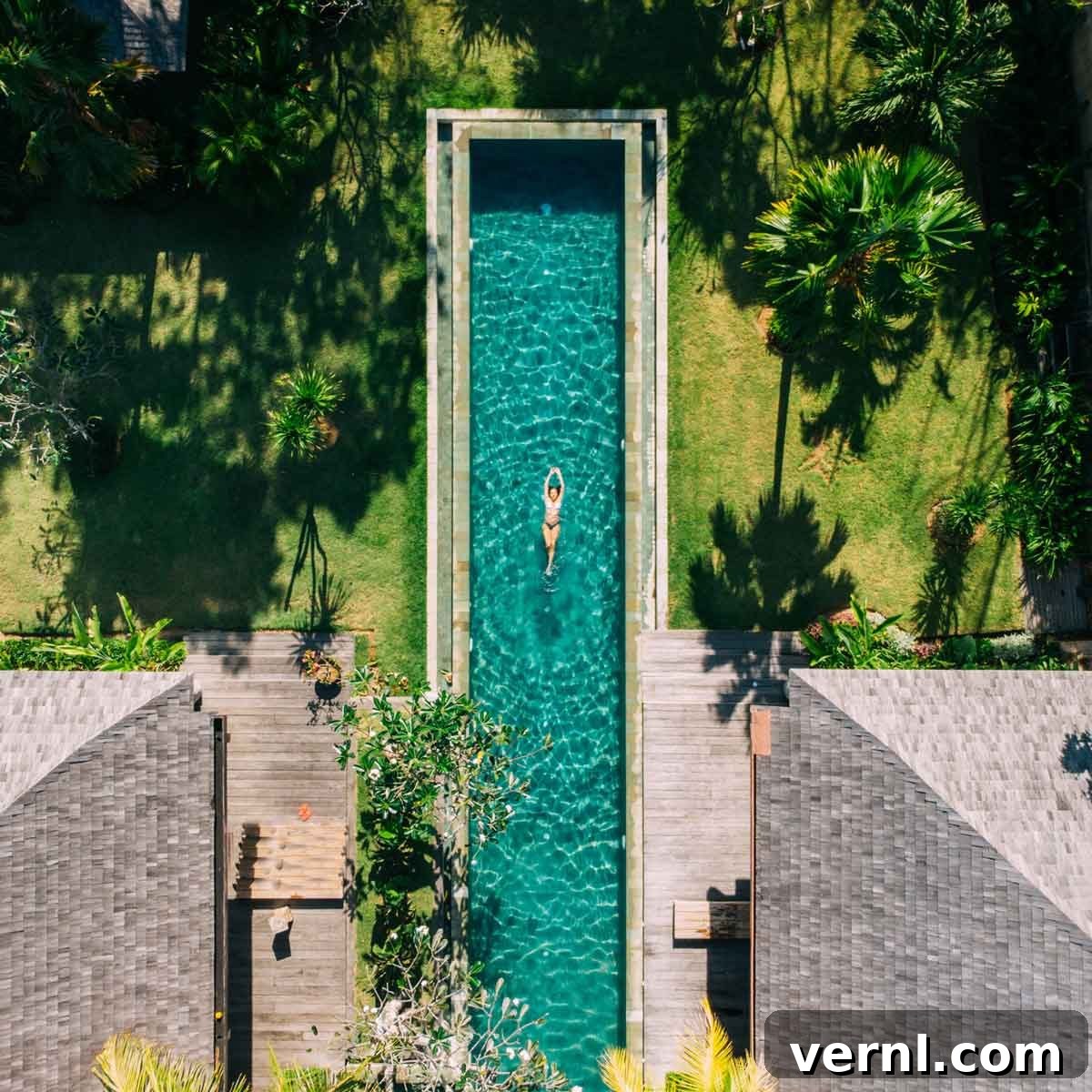
Every homeowner dreams of a perfect backyard retreat, and for many, that dream includes a sparkling swimming pool. Choosing the right type of pool involves more than just selecting its size or shape; it also means deciding on the best water sanitization method. Whether you envision a zero-depth entry for leisurely wading or a deep end for exhilarating cannonballs, a rectangle for invigorating laps or an oval for social gatherings, your backyard pool offers endless possibilities for customization. Beyond design and essential accessories, the method you choose for water sanitization significantly impacts your swimming experience, maintenance routine, and overall enjoyment.
Among the various options available, two stand out as the most common and widely discussed: saltwater pools and traditional chlorine pools. While both effectively keep your water clean and safe for swimming, they achieve this through different processes, each with its own set of advantages and considerations. Understanding these differences is crucial for making an informed decision that aligns with your lifestyle, budget, and desired level of pool maintenance. This comprehensive guide will delve into the intricacies of saltwater vs. chlorine pools, helping you navigate the choice for your ultimate backyard oasis.
Saltwater vs. Chlorine Pools: Understanding the Core Differences
At their fundamental level, both saltwater and traditional chlorine pools rely on chlorine to sanitize the water. The critical distinction lies in *how* that chlorine is introduced and maintained in the pool. Traditional chlorine pools require direct addition of chlorine compounds, whereas saltwater pools generate their own chlorine through a specialized process.
How Traditional Chlorine Pools Work
In a traditional chlorine pool, maintaining pristine water quality involves regular testing and the manual addition of chemical compounds. Owners must routinely sample their pool water to monitor crucial parameters such as pH, alkalinity, calcium hardness, and, of course, chlorine levels. Chlorine is typically added in liquid, granular, or tablet form, releasing hypochlorous acid (HClO) into the water, which acts as the primary sanitizer, killing bacteria, viruses, and algae.
Beyond chlorine, various other chemicals must be balanced. Alkalinity buffers the pH, preventing drastic fluctuations. pH levels (ideally between 7.4 and 7.6) are vital for chlorine efficacy and swimmer comfort. Calcium hardness is important for protecting pool surfaces and equipment. Additionally, cyanuric acid (CYA) is often used as a stabilizer, protecting chlorine from degradation by the sun’s UV rays, thereby extending its lifespan in outdoor pools. When water clarity diminishes or contaminant levels rise, pool owners often need to “shock” the pool by adding a large dose of chlorine to rapidly oxidize impurities.
How Saltwater Pools Work
Saltwater pools take a more automated approach to chlorine generation. Instead of relying on store-bought chlorine, these systems produce chlorine on-site through a process called electrolysis. Pool-grade salt, typically sodium chloride (pool grade salt), is dissolved directly into the pool water. This mildly salty water then flows through a device called a salt chlorine generator (or salt cell). Inside the generator, two electrically charged plates cause the dissolved salt to convert into hypochlorous acid – the very same sanitizer found in traditional chlorine pools.
While saltwater pools generate their own chlorine, it’s a common misconception that they are entirely chemical-free. They still require regular monitoring and adjustment of pH, alkalinity, and calcium hardness. Furthermore, a stabilizer like cyanuric acid is just as important in a saltwater pool to protect the generated chlorine from sunlight. Occasionally, a saltwater pool may also need to be shocked manually, especially after heavy use or during periods of extreme heat, to quickly boost chlorine levels and address stubborn contaminants.
The Truth About “Chlorine Smell” and Chloramines
One of the most significant differences often highlighted between these two pool types relates to the “chlorine smell” and associated irritation. While both styles of pools are sanitized with chlorine, the chlorine in a saltwater pool is often perceived differently. According to In the Swim, saltwater chlorine generation typically results in fewer chloramines. Chloramines are often the true culprit behind the pungent chemical odor, eye redness, and skin irritation commonly associated with traditional chlorine pools.
The Centers for Disease Control and Prevention (CDC) explains that chloramines are “a type of combined chlorine that form in water” when chlorine reacts with nitrogen-containing compounds such as sweat, oils, and urine introduced by swimmers. These compounds emit gas into the surrounding air, creating that familiar strong chlorine smell and causing discomfort like red eyes and, for some, respiratory irritation. Because saltwater systems continuously generate fresh, active chlorine, they tend to keep chloramine levels lower, leading to a much more pleasant swimming experience with less irritation and odor.
Advantages of Saltwater Pools: A Softer Swimming Experience
For many pool owners, the benefits of saltwater systems offer a compelling reason to choose this modern approach to pool sanitization.
- Superior Comfort for Swimmers: The most frequently cited advantage of saltwater pools is the unparalleled swimming comfort. The lower concentration of chloramines and the inherently softer water texture are significantly gentler on skin, eyes, hair, and swimsuits. Swimmers often report less skin dryness and irritation, no stinging eyes, and less damage to their swimwear. This makes saltwater pools particularly appealing for individuals with sensitive skin, allergies, or asthma.
- Elimination of Harsh Chlorine Odor: Say goodbye to the strong, pungent chemical smell often associated with traditional chlorine pools. Because saltwater systems produce fewer chloramines, the air around the pool remains fresh and clean, enhancing the overall backyard ambiance.
- Automated & Convenient Sanitization: While not entirely hands-off, saltwater pools significantly reduce the manual effort involved in adding and monitoring chlorine. The salt chlorine generator continuously produces chlorine, maintaining a consistent sanitizer level in the pool water. This means less frequent chemical handling for the homeowner, leading to a more convenient day-to-day operations routine compared to manually dosing chlorine.
- Cost-Effective Over Time: While the initial setup cost for a saltwater system can be higher, the long-term operational expenses are generally lower. Salt is significantly less expensive than traditional chlorine products. Home Depot estimates $20–$30 for an entire summer supply of salt, whereas chlorine for a summer can easily run from $150–$180, or even more for larger pools. This represents substantial savings on recurring chemical purchases.
Advantages of Traditional Chlorine Pools: Reliability and Simplicity
Despite the growing popularity of saltwater systems, traditional chlorine pools continue to be a popular and effective choice, offering distinct benefits.
- Lower Initial Investment: If you already own a chlorine pool, maintaining it as-is is typically the most budget-friendly option. Converting an existing chlorine pool to a saltwater system can be a significant investment, ranging from $1,000 to $5,000 or more, depending on the pool’s size and the specific equipment required.
- Instant Chemical Adjustments: Traditional chlorine allows for immediate and precise chemical adjustments. If water conditions rapidly deteriorate (e.g., after a large pool party or heavy rain), you can quickly add a targeted dose of chlorine to sanitize and rebalance the water. This responsiveness can be crucial for maintaining water clarity and safety.
- Temperature Resilience: Unlike salt chlorine generators, which become less efficient or stop producing chlorine in water colder than 60 degrees Fahrenheit, traditional chlorine products work effectively across a wider range of temperatures. This makes them suitable for pools in colder climates that might be used earlier or later in the swimming season, or for pools that are kept open year-round.
- Some Prefer the Familiar Scent: While many dislike the strong chemical odor, some individuals have grown accustomed to, or even enjoy, the classic “pool smell.” This subjective preference can be a minor factor in the decision-making process.
- Fewer Mechanical Components: Traditional chlorine pools generally have a simpler equipment setup, lacking the specialized salt cell and control board required for a saltwater system. This can mean fewer complex parts that might need repair or replacement over time.
Disadvantages of Each System: Understanding the Trade-offs
Choosing a pool sanitization method involves understanding not just the benefits, but also the potential drawbacks. Both saltwater and traditional chlorine systems come with their own set of considerations.
Disadvantages of Saltwater Pools
- Potential for Corrosion: The salt in saltwater pools, even at low concentrations, can be corrosive over time. This can accelerate the erosion and wear on certain pool components, including heaters, metal fixtures, coping, and surrounding deck materials. It’s crucial for saltwater pool owners to ensure all their pool equipment is “salt-compatible” to prevent premature degradation. Sacrificial anodes are often recommended to mitigate this issue.
- Salt Chlorine Generator Maintenance and Lifespan: The salt cell, the heart of the system, requires regular cleaning to remove calcium buildup (scaling) that can impede its performance. This often involves periodic acid washes. Furthermore, salt cells have a finite lifespan, typically 3 to 7 years, and can be expensive to replace (often hundreds of dollars), representing a significant maintenance cost, particularly before selling your house.
- Temperature Limitations: As mentioned, salt chlorine generators become inefficient or cease producing chlorine when water temperatures drop below approximately 60 degrees Fahrenheit (15 degrees Celsius). In cooler climates or during early/late seasons, supplemental chlorine may be necessary to maintain proper sanitization.
- pH Fluctuations: The electrolysis process in salt chlorine generators can naturally cause the pool’s pH to rise, requiring more frequent testing and the addition of muriatic acid or pH decreaser to keep levels balanced.
- Higher Initial Cost: The upfront cost of installing a salt chlorine generator, especially when converting an existing pool, is higher than setting up a traditional chlorine system.
Disadvantages of Traditional Chlorine Pools
- Potential for Skin, Eye, and Respiratory Irritation: The most common complaint about traditional chlorine pools is the harsh effects on swimmers. High levels of chloramines can lead to dry and itchy skin, red and stinging eyes, bleached swimwear, and irritation of the nose, throat, and lungs. This can be particularly problematic for individuals with sensitivities or in poorly ventilated indoor pools.
- Manual Chemical Handling and Storage: Pool owners must keep concentrated chlorine products on hand, which are corrosive and require careful handling and storage to ensure safety. This involves purchasing, transporting, and storing potentially hazardous chemicals, which can be a concern for families with children or pets.
- Higher Recurring Costs: The ongoing cost of purchasing chlorine products (liquid, tablets, or granular) is consistently higher than the cost of pool-grade salt for a saltwater system. This adds up significantly over the swimming season and over the years.
- “Chlorine Smell” and Chloramines: The strong, unmistakable “chlorine” smell is actually indicative of chloramines, signaling that the chlorine is combining with contaminants rather than actively sanitizing. This odor is a frequent issue, especially if you have an indoor pool or in pools that are not properly maintained.
- Potential for Over-Stabilization (Chlorine Lock): Over time, if too much cyanuric acid (stabilizer) is used, it can lead to “chlorine lock,” where the chlorine becomes ineffective, requiring partial draining and refilling of the pool to correct.
Making the Right Choice for Your Backyard Oasis
Ultimately, neither saltwater generation nor traditional chlorine is inherently “better”; both are effective methods of sanitization when properly maintained. The ideal choice largely depends on your specific priorities, lifestyle, budget, and sensitivity to chemicals.
Consider a Saltwater Pool if: You prioritize swimmer comfort, want to avoid the harsh chlorine smell and irritation, prefer a more automated system with less direct chemical handling, and are willing to invest more upfront for lower long-term operational costs and specialized equipment maintenance.
Consider a Traditional Chlorine Pool if: You have a limited initial budget, prefer a system with fewer complex mechanical components, need the ability to make rapid chemical adjustments, or if your pool is in a colder climate where a salt generator’s efficiency would be compromised. They are also a straightforward option if you are comfortable with routine manual chemical additions and handling.
Saltwater and natural pools are often preferable among people with sensitive skin, allergies, or asthma due to the reduced chloramine levels and gentler water chemistry. However, all pools, regardless of their sanitization method, demand consistent testing and maintenance to ensure the water remains safe, clean, and enjoyable. By carefully weighing these factors, you can make the best decision to create and maintain the perfect aquatic haven right in your own backyard.