
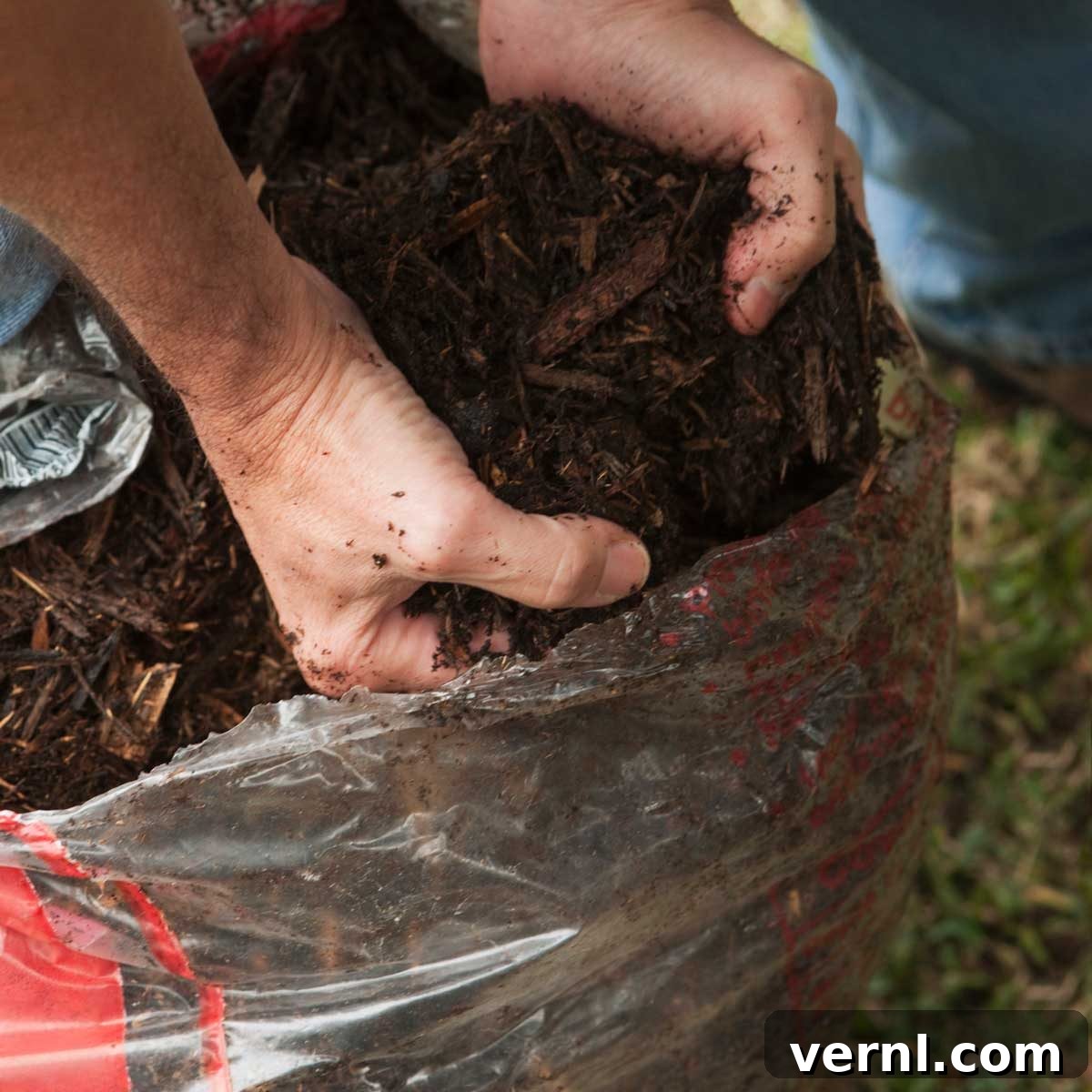
While often associated with spring gardening, mulching is a year-round practice with distinct benefits across all seasons, including the often-overlooked winter months. Far from being a mere aesthetic touch, winter mulching serves as a crucial protective measure, safeguarding your garden against the harsh elements and ensuring the health and vitality of your plants as they weather the cold season.
Why Winter Mulching is Essential for Your Garden
Winter mulching is an indispensable technique for gardeners, providing a vital layer of defense for plants against the severe challenges posed by freezing temperatures and unpredictable winter conditions. Its primary function is to stabilize soil temperatures, creating a more consistent and hospitable environment for delicate root systems. As Leonard Perry, Ph.D., an extension professor emeritus in horticulture at the University of Vermont, aptly puts it, “Mulch is a standard form of winter protection for many shallow-rooted plants, and young or tender perennials.” He further notes that “While in summer it is effective in retaining soil moisture, preventing erosion, and controlling weeds, in winter it acts as insulation for the soil and plant roots.” This insulation is critical because soil protected by a layer of mulch is far less likely to freeze solid, which, in turn, allows plants to continue absorbing essential water from the ground, even during periods of cold. Without this insulating blanket, roots can suffer from desiccation, as frozen soil makes water inaccessible.
Protecting Plants from Frost Heave and Temperature Fluctuations
One of the most significant threats to plants in winter is frost heave. This phenomenon occurs when repeated cycles of freezing and thawing cause the soil to expand and contract, pushing plants (especially shallow-rooted ones and new plantings) out of the ground. When roots are exposed to frigid air, they quickly dry out and can be severely damaged or even killed. A consistent layer of winter mulch acts as a thermal buffer, minimizing these drastic temperature swings in the soil. By keeping the soil temperature more stable, ideally just above freezing, mulch prevents the severe expansion and contraction that leads to frost heave, ensuring that your plants remain securely anchored in the ground. This protection is particularly vital for protecting plants that are not fully established or are naturally more vulnerable to cold.
Moisture Retention and Weed Suppression Through Winter
While winter often brings precipitation, plants can still suffer from dehydration, especially during dry spells or when exposed to harsh winter winds that wick moisture away. Mulch helps to trap moisture in the soil, making it available to plant roots when they need it, even if the surface appears dry or frozen. Additionally, the insulating layer of mulch effectively suppresses the germination and growth of winter weeds. By blocking sunlight and creating a physical barrier, mulch significantly reduces the number of weeds that emerge, giving your desirable plants less competition for resources and making spring clean-up much easier.
Enhancing Soil Health and Structure
Beyond immediate protection, organic mulches contribute to the long-term health of your garden soil. As these materials slowly decompose over the winter months, they enrich the soil with organic matter. This process improves soil structure, enhances drainage, and increases its ability to retain nutrients. A healthier soil ecosystem supports stronger, more resilient plants, setting the stage for robust growth come spring. Therefore, winter mulching is not just about survival; it’s about investing in the future vitality of your garden.
When is the Optimal Time to Apply Winter Mulch?
Timing is paramount when it comes to applying winter mulch, and it’s a decision that should be guided by your specific regional climate. The general rule of thumb is to apply winter mulch just after the first hard frost, but before the ground completely freezes solid. As Jeff Gillman of FineGardening.com explains, “By putting mulch down at this time, you will help stabilize the temperature of the soil right around freezing.” This ideal window ensures that plants have entered dormancy, but their roots are still able to benefit from the immediate insulation.
Avoiding Premature or Delayed Application
Applying mulch too early can be detrimental. If mulch is laid down while the soil is still warm and temperatures are mild, it can delay the natural cooling process of the soil, potentially encouraging plants to continue active growth or preventing them from entering full dormancy. This can make them more susceptible to cold damage when true winter finally arrives. Gillman warns that “Applying mulch too soon may delay freezing and encourage heaving and thawing,” creating the very problem mulching aims to prevent. Conversely, waiting too long to apply mulch also carries risks. If the ground has already frozen solid before mulch is applied, the protective benefits are significantly diminished. “Applying it too late may cause the roots of plants to experience temperatures below that which they can handle,” resulting in root damage or even plant death. The goal is to insulate the soil and maintain a consistent, moderately cool temperature, not to warm already frozen ground.
Regional Considerations and Practical Indicators
To determine the precise timing for your area, consider your USDA hardiness zone and local weather patterns. Observe your plants: deciduous trees and shrubs should have dropped their leaves, and perennial foliage should be dying back or dormant. The key is to wait for consistently cold temperatures, not just a single overnight frost, to ensure plants have hardened off for winter. This careful timing maximizes the effectiveness of your winter mulching efforts and provides the best possible protection for your garden.
Choosing the Best Materials for Winter Mulching
The effectiveness of winter mulching largely depends on using appropriate materials that provide insulation without suffocating plants. “Great mulches for winter include bark chips, shredded bark, straw, evergreen boughs and other loose, coarse-textured organic materials,” according to OregonLive. These materials are favored because their coarse texture allows for good air circulation, preventing compaction and the buildup of excess moisture that can lead to rot or fungal diseases. The amount of mulch applied is often more critical than the specific material, with Leonard Perry suggesting an application of a two- or three-inch layer for optimal insulation.
Detailed Look at Ideal Winter Mulch Types
- Bark Chips and Shredded Bark: These are excellent choices for winter mulching. Their relatively slow decomposition rate means they offer long-lasting insulation. Shredded bark tends to interlock, making it less prone to blowing away in winter winds. They also offer a neat appearance, which can be a bonus.
- Straw: Not to be confused with hay (which contains weed seeds), clean straw is a lightweight, effective, and economical option. It’s particularly good for vegetable gardens, strawberry patches, or covering tender perennials. Its hollow stems provide excellent insulation, trapping air and moderating soil temperatures.
- Evergreen Boughs: After the holidays, discarded Christmas tree branches or trimmings from evergreen shrubs make fantastic winter mulch. They are especially good for covering perennials and small shrubs, as they provide insulation while allowing for some air circulation and light penetration. The needles help trap snow, adding another layer of natural insulation.
- Pine Needles: Similar to evergreen boughs, pine needles are acidic, making them suitable for acid-loving plants like rhododendrons, azaleas, and blueberries. They are lightweight, resist compaction, and offer good insulation.
- Leaves (Shredded): While whole leaves can mat down and suffocate plants, shredded leaves are an excellent, free, and readily available mulch. They decompose readily, enriching the soil. Ensure they are shredded to prevent compaction and allow air and water to pass through.
It’s generally best to avoid fine-textured mulches like peat moss or finely ground wood products for winter protection, as they can compact easily, reduce air circulation, and potentially hold too much moisture, which can be detrimental in cold, damp conditions.
How to Apply Winter Mulch for Maximum Benefit
Proper application of winter mulch is key to its effectiveness. Before laying down your chosen material, ensure the area is clean. Remove any lingering weeds, debris, or diseased foliage that could harbor pests or pathogens over winter. It’s also a good practice to thoroughly water your garden beds before mulching, especially if your region has experienced a dry fall. This ensures that the soil has adequate moisture to sustain plants through the winter months. Once prepared, spread your mulch evenly around the base of plants, aiming for the recommended depth of two to three inches. For larger shrubs and trees, extend the mulch out to the drip line, but always remember to keep the mulch a few inches away from the plant stems or tree trunks. Piling mulch directly against stems (creating a “mulch volcano”) can trap moisture, encourage rot, and invite rodents to nest, potentially girdling the plant. The goal is a protective blanket over the soil, not a smothering mound around the plant itself.
The Right Time to Remove Winter Mulch in Spring
Just as crucial as applying winter mulch is knowing when and how to remove it. Removing it too early can expose tender new growth to late frosts, while leaving it in place too long can have adverse effects. The timing depends on your region’s climate and the start and end frost dates. However, nature provides several telltale signs to guide you.
Recognizing the Signs of Spring
As RelsLandscaping.com advises, “Walk your garden and see if the ground is thawing out.” Look for consistent signs of spring’s arrival: the ground should no longer be frozen solid, the air temperatures should be consistently warmer during the day, and the threat of severe, prolonged cold weather should be behind you. You might also notice dormant perennials beginning to show signs of life, with small shoots emerging from the soil. “When the air is warmer and the threat of severe cold is behind you, this is the perfect time to remove that mulch from your perennials,” they explain.
Consequences of Late Removal and Proper Technique
Leaving the winter blanket in place for too long can be detrimental to your plants. Excess mulch can delay the warming of the soil, which in turn delays the emergence of new growth and can stunt plant development. “Leaving the winter blanket in place is likely to smother them or encourage the growth of harmful mold,” such as snow mold, particularly in damp conditions. This can lead to disease, rot, and ultimately, plant death. Removing the mulch will allow your perennials to grow and thrive without hindrance.
When you do remove the mulch, do so gradually. Instead of taking it all off at once, you can rake back some of the material to allow the soil to begin warming up. Over a week or two, as temperatures stabilize, you can fully remove the remaining winter mulch. Depending on the material, you can either compost it, if it’s organic and well-decomposed, or set it aside for re-use next winter, especially for coarser materials like bark chips or evergreen boughs. This gradual removal process helps plants acclimatize to the changing temperatures and prevents a sudden shock to their systems, ensuring a smooth transition into the growing season.
Plants That Benefit Most from Winter Mulching
While many plants appreciate the protective benefits of winter mulch, some particularly vulnerable species or situations make it an absolute necessity. Newly planted trees, shrubs, and perennials, which haven’t yet established extensive root systems, are prime candidates for winter protection. Their root zones are closer to the surface and more susceptible to frost heave and dehydration. Tender perennials, such as certain varieties of hydrangeas, hostas (in colder zones), or more delicate rose bushes, greatly benefit from the insulating layer that prevents their crowns from freezing. Fall-planted bulbs, while generally hardy, can also benefit from a light layer of mulch to ensure consistent soil temperatures during their establishment period. Even some hardy perennials can benefit from mulching in exceptionally harsh winters or in areas with fluctuating temperatures that lead to repeated freeze-thaw cycles. By carefully identifying which plants in your garden are most at risk, you can strategically apply winter mulch to provide targeted and effective protection, ensuring a vibrant and healthy garden come spring.
Winter mulching is more than just a seasonal chore; it’s a critical investment in the health and longevity of your garden. By understanding its benefits, knowing when and how to apply it, and selecting the right materials, you can provide your plants with the essential protection they need to not only survive but thrive through the coldest months. Embrace this valuable gardening practice, and your landscape will thank you with robust growth and abundant blooms when spring finally arrives.