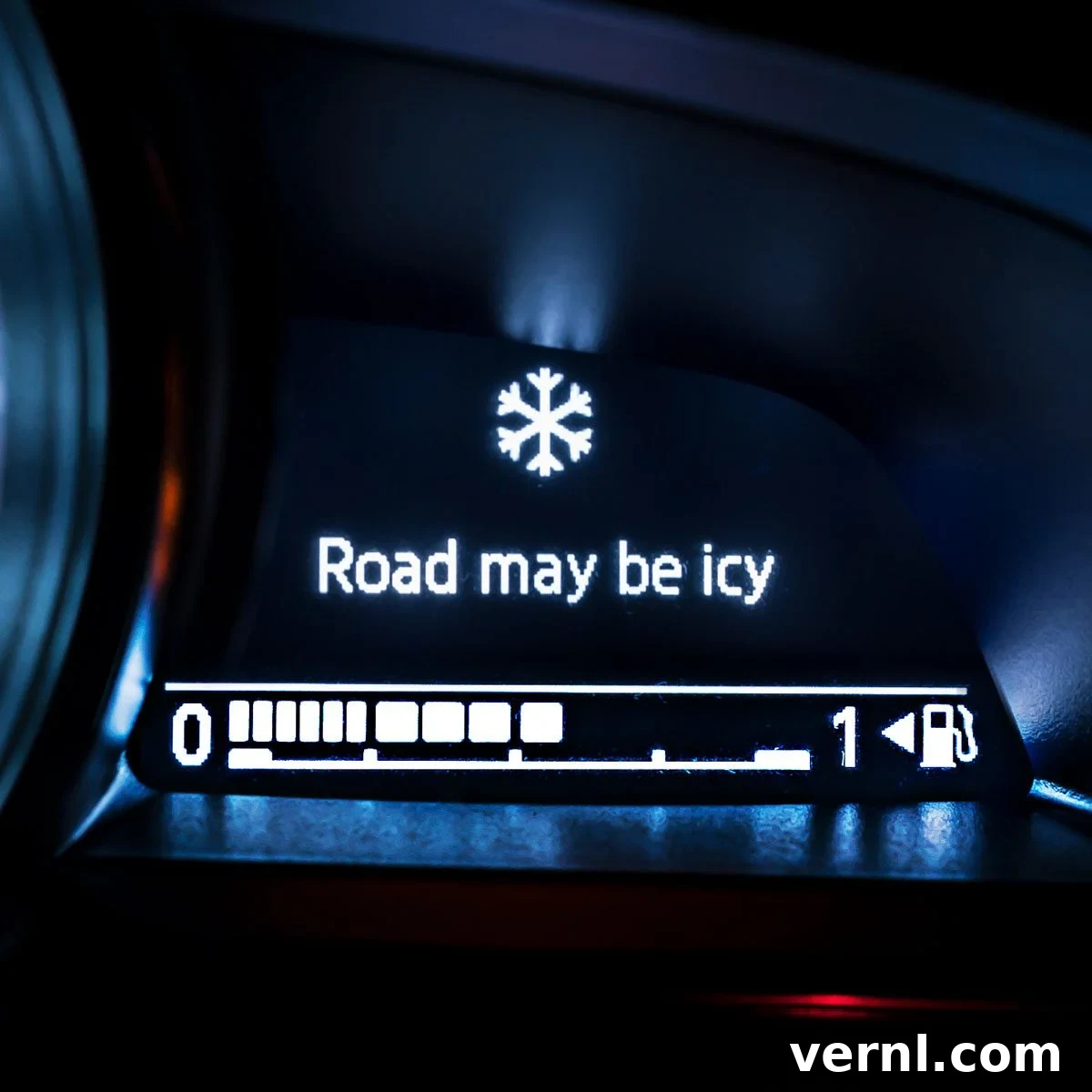
Seeing warning lights on your dashboard can be an unsettling experience for any driver. The sudden illumination of an unfamiliar symbol often triggers immediate concern about potential mechanical failures and costly repairs. However, among the myriad of icons designed to alert you to vehicle issues, there’s one particular symbol that serves a different, yet equally vital, purpose: the snowflake symbol. If you’ve recently moved to a region with colder climates, upgraded to a newer vehicle equipped with more advanced indicators, or simply encountered unexpected winter weather, this light might have appeared, leaving you puzzled about its meaning.
Unlike a check engine light or an oil pressure warning, the snowflake symbol on your car’s dashboard isn’t signaling a problem with your vehicle’s engine, transmission, or any other internal component. This is excellent news, as it means you won’t be facing unexpected and expensive repair bills. Instead, this specific indicator acts as a proactive safety measure, providing a crucial heads-up about potentially hazardous driving conditions outside your car. It’s a clear signal from your vehicle’s sophisticated sensor system, urging you to adjust your driving behavior and take appropriate precautions to ensure your safety and the safety of others on the road.
What Exactly Does the Snowflake Symbol Indicate?
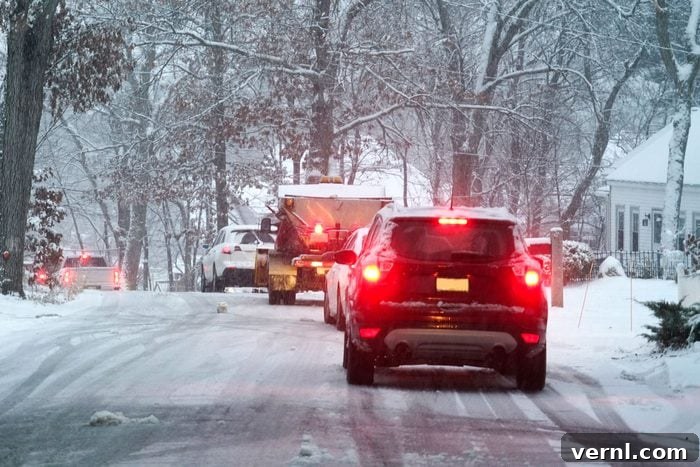
The snowflake symbol, often depicted as a simple snowflake within a larger icon or accompanied by text, is primarily an indicator of ambient air temperature. Modern vehicles are equipped with external temperature sensors that constantly monitor the air temperature around the car. When this temperature drops to a critical threshold, the snowflake warning illuminates. According to vehicle manufacturers, such as Subaru’s Vehicle Resources, this warning typically activates when the outside temperature reaches 37°F (3°C) or less. The primary purpose of this alert is to inform the driver that the road surface may be frozen or on the verge of freezing, significantly increasing the risk of encountering icy conditions.
It’s important to understand the science behind this specific temperature threshold. While water freezes at 32°F (0°C), road surfaces can often be colder than the ambient air temperature, especially in shaded areas, on bridges, or overpasses. Furthermore, moisture on the road can freeze even when the air temperature is slightly above freezing due to factors like evaporative cooling or residual cold from previous freezing conditions. The warning light typically remains illuminated until the outside temperature increases to 41°F (5°C) or higher, signaling that the immediate risk of widespread ice formation has likely diminished. This small buffer zone accounts for variations in road surface temperature versus air temperature, providing a more cautious approach to driver safety.
The presence of the snowflake indicator light should not be taken lightly. Frozen roads are notoriously dangerous, dramatically reducing tire traction and making vehicles much harder to control. Drivers face a significantly higher risk of skidding, losing control, and being involved in accidents when navigating these treacherous conditions. While the snowflake symbol is an invaluable tool for alerting you to potential dangers, it’s crucial to remember that it is not a foolproof warning system. Road surfaces can still be icy even if the symbol isn’t currently illuminated, particularly if temperatures have recently fluctuated or if certain areas remain in shade. Consider this light as an additional layer of protection, a vital prompt to exercise extreme caution and adjust your driving techniques to remain safe on your journey.
The Perils of Icy Roads: Understanding the Risk
To fully appreciate the importance of the snowflake warning, it’s essential to understand the specific dangers that ice poses to driving. When water freezes, it forms a slick, crystalline surface that offers very little friction. Tires, designed to grip the road, struggle to find purchase on ice, leading to a dramatic reduction in traction. This loss of grip can manifest in several dangerous ways:
- Reduced Braking Effectiveness: On icy surfaces, stopping distances can increase by ten times or more compared to dry pavement. A car that can stop in 100 feet on dry asphalt might require 1,000 feet or more on ice.
- Loss of Steering Control: Without adequate traction, your steering wheel inputs may not translate effectively to the road, making it difficult to maintain your lane or navigate turns.
- Skidding and Hydroplaning (or Icy-planing): Vehicles can easily skid out of control, either by over-braking, over-accelerating, or making sudden turns. Even at moderate speeds, a thin layer of ice can cause a vehicle to lose all contact with the road.
- Black Ice: Perhaps the most insidious danger, black ice is a thin, transparent layer of ice that forms on road surfaces, often appearing as wet pavement. Because it is nearly invisible, drivers often don’t detect it until their vehicle begins to slide, leaving very little time to react. It frequently forms on bridges, overpasses, and in shaded areas where temperatures drop more quickly.
Recognizing these hazards empowers you to take the necessary steps when the snowflake symbol activates. It’s a call to immediate vigilance and a reminder that conditions have shifted from routine to potentially treacherous.
What Immediate Actions Should You Take When the Snowflake Symbol Lights Up?
When your car’s dashboard illuminates the snowflake symbol, it’s time to shift your driving mindset and adopt a more cautious approach. Your immediate actions can significantly reduce the risk of an accident:
- Slow Down Significantly: This is the most critical step. Reducing your speed gives your tires more time to find traction and provides you with a longer reaction time to potential hazards. Even if you don’t immediately feel a loss of grip, assume the roads are slick.
- Increase Following Distance: The standard “three-second rule” should be extended to at least eight to ten seconds when driving on potentially icy roads. This extra space provides crucial braking distance, especially considering how much longer it takes to stop on ice.
- Practice Smooth Maneuvers: Avoid any sudden or aggressive actions. Gentle acceleration, gradual braking, and smooth steering inputs are paramount. Jerky movements can easily break traction and send your vehicle into a skid. When braking, apply consistent, light pressure. If your car has Anti-lock Braking System (ABS), you may feel a pulsating in the pedal – do not lift off, let the system work.
- Be Vigilant for Black Ice: Since black ice is difficult to see, maintain a constant awareness of your surroundings. Pay extra attention to bridges, overpasses, shaded areas, and intersections where ice tends to form first and last longest. If the steering feels unusually light or your tires make less road noise, you might be on black ice.
- Check for Local Warnings: In addition to your car’s warning, be attentive to local weather forecasts and road condition reports from local authorities. These can provide real-time updates on specific hazardous areas.
- Consider Pulling Over: If conditions feel too dangerous, or if you are uncomfortable driving in the icy conditions, find a safe place to pull over and wait for conditions to improve. Safety should always be your top priority.
Proactive Winter Driving Strategies and Vehicle Preparation
Beyond reacting to the snowflake warning, responsible winter driving involves proactive preparation. If you live in or travel to areas with cold climates, these steps are essential:
Vehicle Maintenance for Winter Conditions:
- Tires: Ensure your tires have adequate tread depth. While all-season tires can manage light snow, dedicated winter tires offer superior grip on ice and snow due to their specialized rubber compounds and tread patterns. Check tire pressure regularly, as cold temperatures cause pressure to drop.
- Brakes: Have your braking system inspected to ensure it’s in optimal working order. Efficient brakes are paramount for safe stopping on slippery surfaces.
- Fluids: Top off windshield wiper fluid with a winter-specific formula that resists freezing. Check your engine’s coolant/antifreeze levels to prevent freezing in extremely cold temperatures.
- Battery: Cold weather significantly impacts battery performance. Have your battery tested to ensure it can handle the increased strain of winter starts.
- Wipers and Lights: Ensure your wiper blades are in good condition and all headlights, taillights, and turn signals are functioning correctly and free of snow or ice for maximum visibility.
Emergency Kit Essentials:
Always keep a well-stocked emergency kit in your vehicle during winter months. This can be a lifesaver if you become stranded:
- Warm blankets or sleeping bags
- A small shovel and bag of sand, cat litter, or rock salt for traction
- Jumper cables
- Flashlight with extra batteries
- First-aid kit
- Non-perishable food and water
- Phone charger/power bank
- Reflective triangles or flares
- Basic tools (wrench, pliers)
- A brightly colored cloth to tie to your antenna or window if stranded
Driver Skill Refinement and Awareness:
Even with a well-maintained car and an emergency kit, your driving skills are your best defense:
- Defensive Driving: Always be aware of other drivers, anticipate their actions, and maintain safe distances. This is especially crucial in winter when others might lose control.
- Understanding ABS and Traction Control: Familiarize yourself with how your car’s safety features behave on slippery roads. ABS prevents wheel lock-up during hard braking, allowing you to steer, while traction control limits wheel spin during acceleration. They are aids, not solutions.
- Route Planning: Before embarking on a journey in cold weather, check detailed weather forecasts and real-time road conditions. Consider if the trip is truly necessary. If so, plan your route to avoid particularly exposed or shaded areas known for ice.
Beyond the Dashboard: Environmental Factors and Ice Formation
While your car’s snowflake warning is an excellent primary alert, understanding broader environmental factors can further enhance your awareness:
- Bridges and Overpasses: These structures are exposed to cold air both from above and below, causing them to freeze more quickly and remain frozen longer than regular road surfaces. Always assume they are icy when temperatures are near freezing.
- Shaded Areas: Parts of the road that remain out of direct sunlight, such as those under dense trees or tall buildings, will retain colder temperatures and can harbor ice long after other areas have thawed.
- Valleys and Low-Lying Areas: Cold air is denser and tends to settle in lower elevations, making these spots prone to colder temperatures and ice formation.
- Proximity to Water Bodies: Lakes, rivers, and coastal areas can create localized humidity, which, when combined with cold temperatures, increases the likelihood of freezing fog or slick conditions.
- Time of Day: Early mornings and late evenings are typically the coldest parts of the day, making them prime times for ice formation or persistence.
Conclusion: Drive Smart, Drive Safe When the Snowflake Appears
The snowflake symbol on your dashboard is a small but incredibly important indicator. It’s not a harbinger of mechanical failure, but rather a crucial environmental warning designed to keep you safe from the very real dangers of icy road conditions. By understanding what this symbol means, recognizing the inherent risks of driving on ice, and adopting both immediate cautious driving habits and proactive winter preparation strategies, you empower yourself to navigate cold weather confidently and responsibly.
Heed the warning, adjust your speed, increase your following distance, and always prioritize smooth, deliberate maneuvers. Combine your vehicle’s intelligent warnings with your own vigilance and knowledge of local conditions. In winter driving, awareness and preparation are your best allies. Drive smart, stay safe, and respect the power of the snowflake symbol – it’s there to protect you.
Sources
- Vehicle Resources, Subaru.
- Winter Driving, State of Wisconsin Department of Transportation.