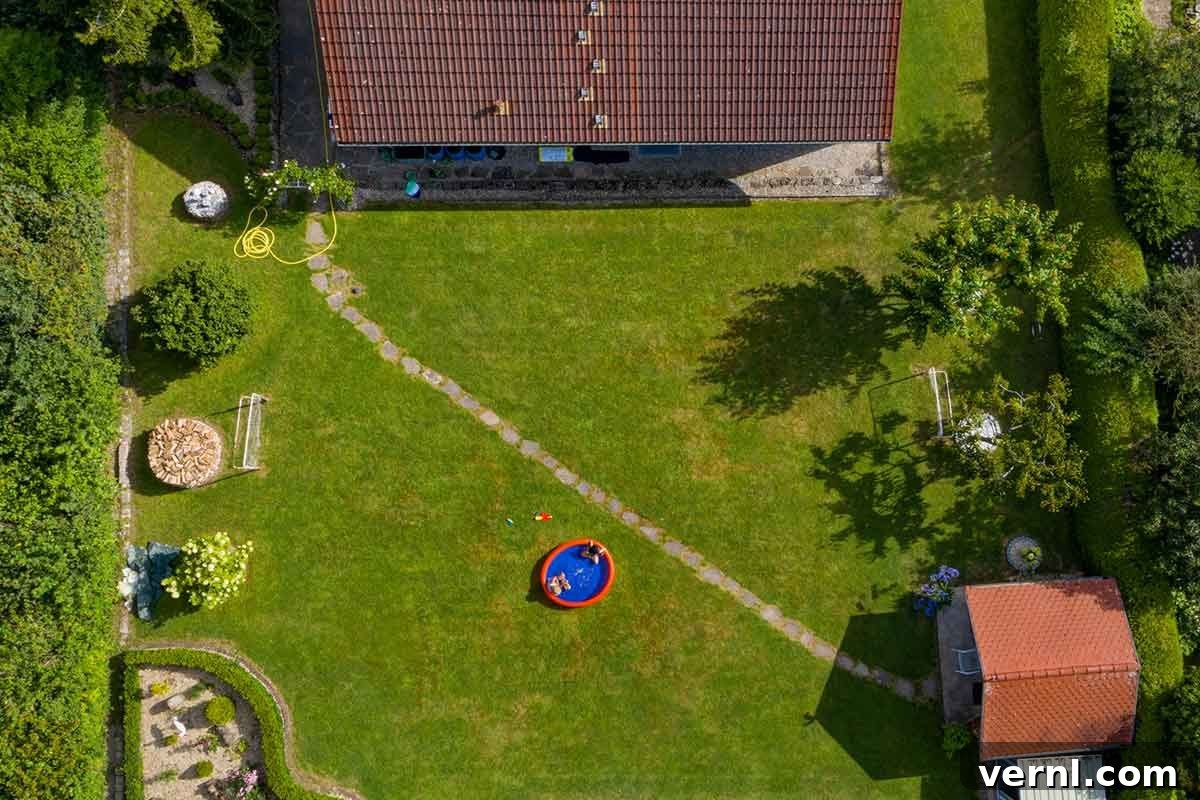
Let’s be honest. Our front and backyards sometimes spiral out of control, transforming from dream havens into unmanageable, impractical, or even lost causes. Perhaps our ambitious vision outstripped our skills or budget, leading to frustrating setbacks. Or maybe a fundamental planning error became irreversible, or we simply adopted a landscape style ill-suited to our local climate, like designing for the Pacific Northwest in a Southwest desert.
Whatever misstep you’ve made in your outdoor space, rest assured you’re not alone. Many homeowners face similar challenges, from patchy grass to an unused fire pit. To help you navigate these common pitfalls, we’ve gathered expert insights on the biggest mistakes people make with their yards. Understanding these errors is the first step toward creating the beautiful, functional outdoor retreat you’ve always envisioned.
1. Neglecting to Design Around Existing Problems
“New homeowners often walk into a backyard with grand visions of what they want, but in doing so, they often fail to address the underlying issues already present,” advises HGTV personality and yard renovation expert Matt Blashaw. This fundamental oversight can lead to continuous frustration and costly rework down the line. A truly successful landscape design integrates solutions for existing challenges, rather than merely overlaying new features on top of them.
For instance, if you envision a stunning paver patio in that perpetually muddy area of your backyard, the first step isn’t purchasing pavers. Instead, prioritize resolving the existing drainage problem. Ignoring it means your beautiful patio will likely suffer from standing water, erosion, or an unstable foundation. Effective drainage solutions might include French drains, regrading, or incorporating rain gardens, ensuring your new features are built on a solid, dry foundation.
Similarly, if close neighbors compromise your sense of privacy, think strategically before installing that hot tub. A tall privacy fence, a dense hedge, or a thoughtfully placed pergola with climbing plants should be your initial consideration. These elements establish a crucial boundary and provide the seclusion necessary for enjoying future additions. Blashaw emphasizes the importance of evaluating what your yard truly lacks—whether it’s privacy, essential shade, or efficient drainage—and then crafting your landscape design to either resolve these issues directly or thoughtfully work around them. This problem-first approach ensures a more sustainable, functional, and enjoyable outdoor living space.
2. Placing Features Too Far from the House
While a spacious backyard is a fantastic asset, offering ample room for distinct zones like a patio, fire pit, hot tub, or built-in grill, its beauty should not come at the expense of functionality. A common mistake is positioning these alluring features so far from the main house that their convenience—and thus their frequency of use—significantly diminishes.
“I recall a homeowner who invested $15,000 in a magnificent bar and barbecue island in their backyard,” Blashaw recounts. “Yet, right by their sliding glass door, they also had a simple hibachi grill. The grand island was simply too far to be convenient for everyday use.” This anecdote perfectly illustrates how even the most impressive outdoor kitchens or fire pits can become underutilized investments if they require a trek across the yard to access. Proximity to the kitchen, a bathroom, or simply an easy path of travel from the house significantly enhances the usability of outdoor amenities.
When planning your outdoor living spaces, consider the flow of activity. Features designed for frequent use, like grilling stations or casual dining areas, should be easily accessible from the kitchen. Relaxation zones, such as hot tubs or quiet seating areas, might benefit from a slightly more secluded spot but should still be comfortably integrated into your overall outdoor scheme. The goal is to create a seamless transition between indoor and outdoor living, encouraging spontaneous use rather than requiring a dedicated effort.
Furthermore, an often-overlooked aspect of feature placement involves your neighbors. When designing gathering areas where conversation and occasional noise are inevitable, ensure they are positioned thoughtfully to avoid disturbing adjacent properties. Consider sound travel, especially for fire pits or entertaining spaces that might be used late into the evening. Strategic placement, perhaps utilizing natural buffers or existing structures, can help mitigate noise and maintain good neighborly relations, preventing potential complaints and ensuring everyone can enjoy their outdoor spaces peacefully.
Lawn Care: The Foundation of a Beautiful Yard
A pristine, vibrant lawn often serves as the cornerstone of an appealing outdoor space, yet a struggling, sorry-looking lawn can be the source of immense frustration for many homeowners. Restoring it to health often feels like an uphill battle, primarily because lawns present numerous opportunities for common mistakes. Mastering proper lawn care practices is not just about aesthetics; it’s about fostering a healthy ecosystem that supports your entire landscape.
“Poor cultural practices are undoubtedly the biggest mistake people make when maintaining their yards,” states Josh Sevick, president of The Grounds Guys. For a truly lush, resilient lawn, homeowners must diligently manage what Sevick refers to as “The Trifecta of Influence”: mowing, turf care, and watering. Each component plays a vital role, and neglecting any one aspect can undermine the health and appearance of your entire lawn.
3. Mowing Mistakes That Damage Your Lawn
Mowing might seem like a straightforward task, but subtle errors can significantly impact your lawn’s health and appearance. Understanding the correct techniques is crucial for cultivating resilient turf.
Mowing Too Low: A Recipe for Stress
“Mowing too low consistently has a profoundly negative influence on maintaining a healthy lawn,” warns Sevick. When grass blades are cut too short, it strips the plant of essential leaf surface needed for photosynthesis, which is how it produces food. This stress can lead to the development of unsightly brown spots, significantly increase the lawn’s vulnerability to weed invasion, and ultimately weaken or even kill the grass. Different grass types have varying ideal cutting heights; for instance, cool-season grasses often prefer a height of 2.5 to 3 inches, while warm-season varieties may tolerate slightly shorter cuts. Mowing at the proper height for your specific grass type encourages deeper root growth, making the lawn more drought-resistant and naturally more resistant to pests and diseases, resulting in a consistently healthier and more appealing yard.
Mowing Too Infrequently: The Shock Effect
While cutting grass less often might seem like a time-saver, it’s detrimental to lawn health. “You should aim to remove no more than one-third of the leaf blade per cutting,” Sevick advises. This principle means that during periods of rapid growth, particularly in spring, you might need to mow every four to five days, a frequency most homeowners don’t typically maintain. Mowing every seven to 14 days, especially when the grass has grown considerably taller, forces you to remove too much leaf material at once. This sudden, excessive removal of foliage severely stresses the grass plants, often turning them yellow as they struggle to recover and produce enough energy. Sevick’s crucial advice is to “adjust your mowing frequency to the growing conditions and not the calendar,” ensuring your lawn receives consistent, gentle trims that promote continuous, healthy growth rather than inducing shock.
Dull Mower Blades: Tearing, Not Cutting
The sharpness of your mower blades is often overlooked, yet it plays a critical role in lawn health. “Mowing with dull mower blades causes significant damage to the plant by ripping, instead of cleanly cutting, the grass blades,” Sevick explains. This tearing action leaves ragged, open wounds on each blade, making the grass more susceptible to disease and pest infestations. Furthermore, the frayed tips often turn brown, giving the entire lawn a dull, faded, or “hazy” appearance, which Sevick notes is a telltale sign of a poorly maintained blade. He strongly recommends sharpening mower blades every 15 to 20 hours of use time. For the average residential lawn, this typically translates to sharpening them at least twice per season. A sharp blade ensures a clean cut, promoting faster healing, healthier growth, and a vibrant green look.
4. Turf Neglect: Overlooking Essential Care
Beyond proper mowing, the overall health of your lawn depends on consistent and appropriate turf care practices. Neglecting these can lead to a host of problems that diminish your lawn’s vigor and appearance.
Forgetting to Fertilize: Starving Your Grass
Just like any living organism, grass needs proper nutrition to thrive. “Many homeowners elect not to fertilize their yard, leaving grass thin, weak, and deficient in the vital food it needs to maintain lush growth and resilience,” says Sevick. Over time, soil nutrients are depleted, especially as grass continually grows and is mowed. A balanced fertilizer program, with applications timed correctly for your grass type and local climate, is essential. This provides the right blend of nitrogen, phosphorus, and potassium, along with micronutrients, to support robust root development, dense turf, and that coveted vibrant green color. Soil testing can help you understand your lawn’s specific nutrient deficiencies and guide your fertilization strategy.
Delaying Insect and Disease Control: Inviting Destruction
Ignored pests and diseases can quickly devastate a lawn. “Believe it or not,” Blashaw states, “untreated insects can destroy your lawn in a single season.” Sevick concurs, adding, “Many homeowners wait too long to take action against insects or fungal diseases. This delayed response often results in large, dead areas that require extensive and costly renovation to repair.” Early detection is key. Regularly inspect your lawn for unusual spots, thinning patches, or visible pests. Implementing preventative measures, such as proper watering and aeration, can boost your lawn’s natural defenses. Should an issue arise, prompt and targeted treatment is a critical step to maintaining a healthy, intact yard and preventing widespread damage.
Failing to Aerate: Suffocating the Roots
Over time, soil compaction can become a significant issue, especially in high-traffic areas or with certain soil types. “Many yards suffer from poorly structured soils, excessive thatch buildup, and thin, struggling areas that would dramatically benefit from aeration,” Sevick explains. Aeration involves creating small holes in the lawn to alleviate compaction, allowing air, water, and essential nutrients to penetrate deeper into the soil and reach the grass roots. Unfortunately, many homeowners skip this important cultural practice, unaware of its profound benefits. “An aeration treatment is as critically important as a fertilizer application when it comes to both creating and maintaining a truly healthy, vigorous yard,” Sevick emphasizes. It promotes stronger root systems, improves drainage, and enhances the effectiveness of other lawn care treatments.
Skipping Dethatching: A Barrier to Health
Thatch is a layer of living and dead organic matter—stems, roots, and leaves—that accumulates between the soil surface and the green grass blades. While a thin layer can be beneficial, excessive thatch buildup becomes a detrimental barrier. “When thatch becomes too thick, it prevents water, nutrients, and air from reaching the soil, simultaneously creating an ideal breeding ground for insects and fungal diseases,” Sevick warns. Dethatching, a necessary lawn care step, involves physically removing this excessive layer. It’s typically recommended once a year, either in the spring or fall, depending on your grass type and climate. Skipping this vital practice, Sevick notes, often leads to “costly renovation becoming necessary for correcting the widespread problems it creates.” Regular dethatching is crucial for maintaining proper nutrient absorption, airflow, and overall lawn health, significantly reducing the likelihood of severe pest or disease outbreaks. Check out these pro tips for thrifty, smart yard renovations that can transform your outdoor space without breaking the bank.
5. Watering Mistakes: The Dangers of Improper Hydration
Water is the elixir of life for your lawn, but improper watering practices can do more harm than good, leading to stressed, unhealthy grass.
Thirsty Lawns: Relying Solely on Rainfall
“Many yards experience the unpredictable highs and lows of local rainfall patterns,” Sevick observes, “but natural precipitation is rarely the perfect, metered amount required to meet a lawn’s specific needs throughout the entire year.” Relying solely on Mother Nature to keep your yard green is a gamble that often results in a significant decline in your lawn’s health and vigor, particularly during extended dry periods. Supplemental watering is not merely a luxury; it’s absolutely critical to maintaining a healthy, resilient yard, ensuring consistent moisture levels even when natural rainfall is scarce. Proactive watering prevents drought stress, which can lead to dormancy, brown patches, and increased susceptibility to pests.
Infrequent Watering: Encouraging Shallow Roots
Even if you do supplement rainfall during dry spells, the frequency of watering is just as important as the quantity. “When they’re not receiving adequate rainfall, yards should be watered every two to three days to encourage deeper root growth and help protect against drought stresses,” Sevick advises. Infrequent, light watering only wets the surface of the soil, prompting grass roots to stay shallow in search of moisture. Shallow roots make the lawn highly vulnerable to drying out quickly and suffering stress during hot, dry conditions. Deep and consistent watering, however, encourages roots to grow further down into the soil, accessing deeper reserves of moisture and nutrients, thereby creating a much more robust and drought-resistant lawn.
Not Enough Water: The Illusion of Hydration
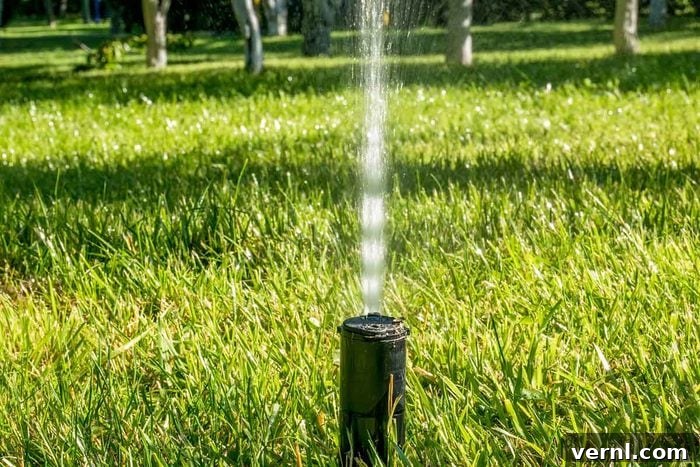
“Just throwing out a sprinkler for a couple of minutes at a time won’t do the trick; it creates an illusion of hydration without actually providing sufficient moisture,” Sevick emphasizes. During dry periods, grass typically requires between one and one-and-a-half inches of water per week, delivered in deep, infrequent soakings. To accurately measure the amount of water your sprinkler delivers, place a few empty tuna cans or rain gauges around your lawn. Run your sprinkler for a set time, then measure the water collected in the cans. This simple method helps you determine how long you need to water to achieve the desired depth, ensuring your lawn receives the deep, consistent hydration it truly needs to thrive, rather than just superficial wetting that quickly evaporates. Watering in the early morning is generally recommended to minimize evaporation and allow grass blades to dry before nightfall, reducing the risk of fungal diseases.
Mastering these critical aspects of yard and lawn care can transform your outdoor space from a source of frustration into a source of pride and enjoyment. Thoughtful planning, consistent maintenance, and addressing problems proactively are the keys to a thriving landscape. Also, learn how to level a yard for an even and aesthetically pleasing foundation.