
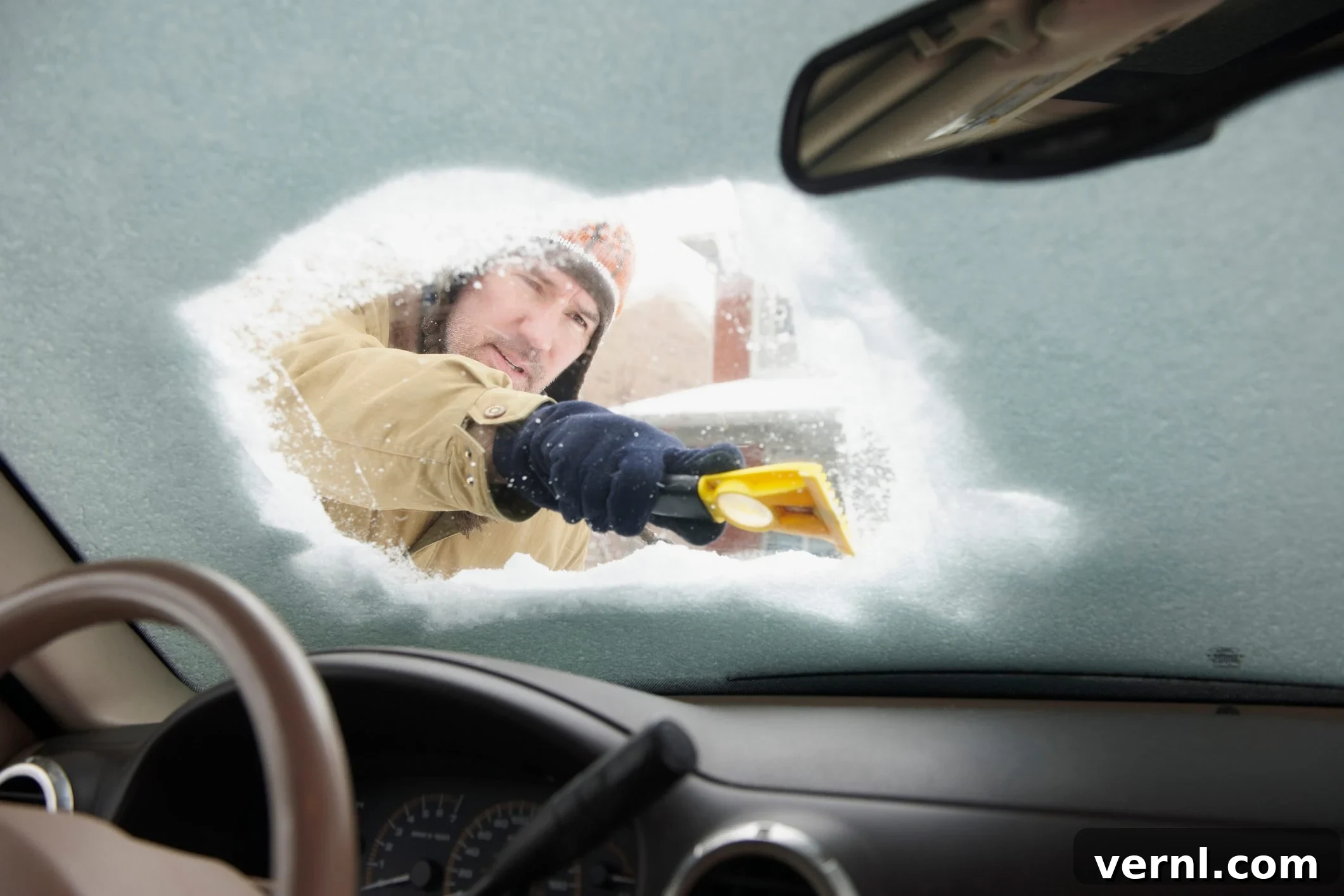
Mastering Winter: The Ultimate Guide to Quickly Defrosting Your Windshield
There’s nothing quite as frustrating as stepping out on a brisk winter morning, already running behind schedule, only to find your car’s windshield completely shrouded in a stubborn layer of frost and ice. This common winter predicament doesn’t just delay your commute; it presents a significant safety hazard if not addressed effectively. While traditional methods like vigorous scraping or prolonged idling of your car are familiar, they are often laborious, time-consuming, and surprisingly inefficient. But what if there was a simple, swift, and highly effective trick to banish that icy glaze with minimal effort and maximum results?
In this comprehensive guide, we will unveil a game-changing method that promises to revolutionize your winter mornings. Beyond just one trick, we’ll delve into a wealth of essential tips, preventative measures, and best practices to ensure your view remains crystal clear, and your winter drives are as safe and stress-free as possible. Say goodbye to frosted frustrations and hello to clear visibility and timely departures!
The Universal Frustration of Frost: More Than Just a Minor Inconvenience
Before we dive into cutting-edge solutions, it’s worth acknowledging the collective sigh of exasperation that accompanies a frozen windshield. It’s more than just a minor hiccup in your morning routine; it’s a genuine barrier to productivity and punctuality. Picture this: you’re already on a tight schedule, perhaps heading to an important meeting, or navigating the morning school run. Every precious minute spent chipping away at ice feels like an eternity, causing stress and compounding delays.
Crucially, driving with compromised vision, even a small “peep hole,” is incredibly dangerous. It severely limits your ability to perceive other vehicles, pedestrians, and road hazards, dramatically increasing the risk of accidents. Full, unobstructed visibility is not merely a comfort but an absolute necessity for safe winter driving. Therefore, mastering efficient defrosting techniques isn’t just about saving time; it’s about safeguarding lives.
The Game-Changing Trick: Your Ultimate Weapon Against Icy Windshields
It’s time to put an end to endless scraping and wasteful idling. There exists a surprisingly simple, yet incredibly effective trick that numerous seasoned winter drivers rely on for rapid and efficient windshield defrosting. This method leverages a common, inexpensive household item to create a potent de-icing solution you can prepare in advance and keep readily accessible in your vehicle.
What You’ll Need:
- An Empty Spray Bottle: A clean, repurposed spray bottle (like an old window cleaner bottle) or a new one from a discount store will work perfectly.
- Rubbing Alcohol (Isopropyl Alcohol): This is the key ingredient, widely available at pharmacies, supermarkets, or big-box stores.
- Water: Regular tap water is all you need.
Preparation and Application: The Steps to a Clear View
- Create the Solution: In your spray bottle, combine rubbing alcohol and water in a 2:1 ratio. This means two parts rubbing alcohol for every one part water. For example, if you’re using a 16-ounce spray bottle, approximately 10.5 ounces would be rubbing alcohol and 5.5 ounces water.
- Shake Thoroughly: Secure the cap tightly and shake the bottle vigorously to ensure the alcohol and water are fully mixed.
- Spray Liberally: When confronted with an icy windshield, simply spray the homemade solution generously over the entire frosted or icy surface.
- Witness the Rapid Melting: You’ll be amazed at how quickly the ice begins to melt and break apart on contact. The alcohol actively lowers the freezing point of water, effectively dissolving the ice crystals.
- Wipe Clean: Use your car’s windshield wipers or a clean, soft cloth to easily clear away the melted ice and any residual solution. For particularly thick ice, a quick, gentle pass with an ice scraper after the solution has worked its magic can help remove loosened chunks.
Why This Trick Is So Effective: The Scientific Explanation
The remarkable efficacy of this de-icing solution is rooted in the unique chemical properties of rubbing alcohol. Isopropyl alcohol possesses an exceptionally low freezing point, approximately -128°F (-89°C), which is far below that of water. When this alcohol-water mixture is applied to ice, the alcohol instantly begins to melt the ice by lowering its freezing point below the current ambient temperature. This chemical reaction is incredibly fast and efficient, allowing you to achieve a clear windshield in mere seconds, sidestepping the strenuous effort of scraping and the lengthy wait associated with your car’s defroster.
Traditional Defrosting Methods: Understanding Their Limitations and Pitfalls
While our alcohol-based spray offers a superior solution, it’s important to understand the drawbacks of other common defrosting methods often employed by drivers.
The Ice Scraper: A Laborious and Potentially Damaging Tool
The venerable ice scraper is arguably the most recognized tool for combating frost. While undeniably effective for removing ice, it comes with several disadvantages:
- Time-Consuming: Manually scraping an entire windshield, especially one encased in a thick layer of ice, can consume several precious minutes of your morning, demanding significant time and effort.
- Physically Demanding: This method requires considerable arm strength and dexterity, often leaving you feeling cold, wet, and tired before you even start your drive.
- Risk of Damage: An old, worn, or improperly used scraper can potentially scratch your windshield, especially if small debris or dirt particles get trapped beneath the blade. Aggressive scraping can also damage wiper blades.
The Car’s Built-In Defroster: Slow, Costly, and Less Eco-Friendly
Relying solely on your car’s integrated defroster is a common approach, but it has its own set of significant drawbacks:
- Extended Waiting Period: It can take anywhere from 10 to 20 minutes for your car’s engine and heating system to generate enough warmth to effectively melt a thick layer of ice, particularly on extremely cold mornings.
- Increased Fuel Consumption: Idling your vehicle for extended periods to defrost wastes a considerable amount of fuel. This translates directly into higher operating costs for you.
- Environmental Impact: Excessive vehicle idling contributes to increased greenhouse gas emissions and reduced air quality, making it a less environmentally responsible choice.
Hot or Boiling Water: A Dangerous and Costly Misconception
A dangerous myth persists that pouring hot or even boiling water on a frozen windshield offers a quick fix. While it will undoubtedly melt the ice instantly, the sudden and drastic temperature change can cause your windshield to crack or even shatter due to thermal shock. Under no circumstances should you ever pour hot or boiling water onto your windshield. The expense and inconvenience of replacing a damaged windshield far outweigh any perceived time savings from this risky method.
Proactive Measures: Preventing Ice Before It Even Forms
The most effective strategy against icy windshields is prevention. By taking a few simple proactive steps, you can significantly reduce the amount of effort and time required for defrosting.
Windshield Covers: A Simple and Reusable Barrier
Investing in a good quality windshield cover is one of the most effective preventative tools. These covers are designed to lay flat over your windshield, often secured by tucking flaps into your car doors or using magnetic strips. In the morning, you simply remove the cover, shake off any accumulated frost or snow, and your windshield is instantly clear. They are durable, reusable, and highly effective at saving you time.
Strategic Parking: Leveraging Shelter and Orientation
Whenever possible, utilize available shelter. Parking in a garage, under a carport, or even beneath a covered parking structure can drastically reduce frost formation. If no shelter is available, try to park your car facing east. The rising sun’s warmth can provide a natural head start to the melting process, making any remaining ice much easier to remove.
Elevating Your Wiper Blades: Preventing Sticking and Damage
Before an anticipated cold night, gently lift your windshield wipers off the glass. This simple action prevents the rubber blades from freezing and sticking to the windshield, which can cause damage to the rubber when you attempt to pull them free. It also allows for easier cleaning of the glass surface without having to pry frozen blades loose.
Preventative Anti-Freeze Spray: A Pre-emptive Strike
The very same alcohol-water mixture used for rapid defrosting can also be employed as a preventative measure. On evenings when frost is predicted, lightly mist your windshield with the solution. The alcohol in the mixture will help deter the formation of ice or, at the very least, ensure that any ice that does form will be much thinner and far easier to remove in the morning.
Beyond the Windshield: Clearing All Critical Visibility Areas
While a clear windshield is paramount, it’s vital not to overlook other crucial areas of your vehicle that contribute to overall visibility and safety.
Side Mirrors and Side Windows: Essential for Peripheral Vision
Frost or ice on your side mirrors and side windows can be just as hazardous as a frosted windshield. If your vehicle is equipped with heated side mirrors, remember to activate them. For cars without this feature, our alcohol spray works wonderfully for quick clearing. Always ensure your side windows are clear enough to check blind spots, execute safe lane changes, and park effectively.
Headlights and Taillights: See and Be Seen
Snow and ice can easily accumulate on your headlights and taillights, significantly diminishing your ability to see the road ahead and, crucially, reducing your visibility to other drivers. Before driving, always give these lights a quick wipe with a cloth or a soft brush to ensure they are clean, bright, and fully functional.
Rear Window and Rearview Mirror: Crucial for Reversing and Monitoring
Do not neglect the rear window. Utilize your car’s rear defroster, and for stubborn patches of ice, the alcohol spray can be effectively applied here too. A clear rearview mirror is indispensable for safe reversing, parking maneuvers, and maintaining awareness of traffic behind you.
Advanced Tips for Enhanced Winter Driving Preparedness
Beyond simply clearing ice, a few additional steps can dramatically enhance the safety and comfort of your winter journeys.
Ensure Adequate Winter Wiper Fluid
Always keep your windshield washer reservoir topped up with a high-quality, winter-specific fluid. These formulations contain anti-freeze agents that prevent the fluid from freezing within the lines and on your windshield, and they are designed to effectively cut through slush, salt, and road grime.
Inspect and Maintain Wiper Blades
Regularly check the condition of your wiper blades. Worn, cracked, or hardened rubber blades will not clear your windshield effectively, leaving streaks, smudges, and severely compromising visibility. Replace them at the first sign of wear or reduced performance.
Combating Re-Freezing During Your Drive
On exceptionally cold days, cleared areas of your windshield can sometimes re-freeze rapidly. To counter this, run your car’s defroster on a low setting with the fan directed at the windshield, even after it’s initially clear. Ensuring your car’s interior is adequately warmed also helps prevent condensation and re-freezing.
Addressing Interior Fogging and Condensation
Moisture inside your vehicle can lead to frustrating interior fogging. To combat this, use your defroster with the air conditioning (A/C) turned on, even in winter! The A/C unit functions as a dehumidifier, removing moisture from the cabin air. Also, ensure your car’s cabin air filter is clean, as a clogged filter can restrict airflow and exacerbate fogging issues.
Safety First: Non-Negotiable Considerations for Winter Driving
While efficient defrosting is appealing, safety must always remain your paramount concern when navigating winter conditions.
- Full Visibility is Mandatoy: Never, under any circumstances, begin driving until your entire windshield, side windows, and mirrors are completely clear of ice and frost. Driving with only a small “peep hole” is not only extremely dangerous but often illegal.
- Never Leave Your Vehicle Unattended: If you’re idling your car to warm up or defrost, remain with the vehicle. Vehicles left running and unattended are prime targets for theft.
- Dress Appropriately for the Cold: When engaging in defrosting activities, you will be outside in cold weather. Dress warmly with layers, wear insulated gloves, and appropriate footwear to stay comfortable and safe from the elements.
- Pre-Drive Vehicle Checks: Before you hit the road, take a moment to perform a quick check of your tire pressure (which tends to drop in cold weather) and ensure all exterior lights (headlights, taillights, turn signals) are clean and fully operational.
Environmental Responsibility and Fuel Efficiency: Drive Smarter, Not Harder
In today’s world, where environmental consciousness is increasingly important, reducing unnecessary idling for defrosting is about more than just saving money; it’s a commitment to responsible car ownership. By adopting quicker, more efficient methods like the rubbing alcohol spray, you actively contribute to cleaner air and reduce your carbon footprint. Pairing these efficient defrosting techniques with smart driving habits and regular vehicle maintenance ensures you’re doing your part for both your wallet and the planet, embracing a more sustainable approach to winter driving.
Conclusion: Embrace Clear Views and Safer Winter Journeys
The perennial frustration of a frosty windshield no longer has to dictate the start of your winter mornings. By embracing simple yet profoundly effective strategies, particularly the ingenious rubbing alcohol and water spray trick, you can dramatically cut down on defrosting time and guarantee a perfectly crystal-clear view every time you set out on the road. Integrate this powerful trick with proactive prevention techniques and a comprehensive approach to clearing all critical visibility areas of your vehicle, and you will be exceptionally well-prepared to navigate winter’s challenges with unwavering confidence and enhanced safety. Drive smart, stay warm, and revel in the peace of mind that comes with a perfectly clear windshield, making every winter journey a smoother, safer experience.
Learn more at:The Super Easy Trick for Defrosting Your Windshields