
The Ultimate Guide to Modern Irrigation Systems: Enhancing Your Landscape with Efficiency and Ease
In our increasingly dynamic world, the fundamental need for plants to receive adequate water remains constant. Yet, the availability of human hands to provide this essential care is not always guaranteed. This undeniable truth became profoundly clear to me during a harrowing three-week evacuation in August 2020, as a wildfire raged through my rural California community.
With most residents displaced, only a handful of courageous individuals remained, defying evacuation orders to battle spot fires and protect homes. Their focus was singular: saving structures, not nurturing gardens. As the evacuation order lifted, following weeks of smoke so thick it obscured the afternoon sun, I braced myself for the sight of a parched and lifeless garden. To my astonishment, what I found was a thriving oasis.
Our battery-operated, gravity-fed drip system, drawing water from a storage tank perched on a nearby hill, had meticulously kept everything alive. Despite the complete absence of electricity, the system diligently delivered two 20-minute watering cycles daily. Fortunately, our tank water was not diverted for firefighting efforts, allowing it to sustain our plants. Once power was restored, the almost-depleted tank quickly refilled, paving the way for a remarkable harvest that year. This experience underscored the critical importance of reliable and efficient irrigation, not just for convenience, but for resilience in the face of unforeseen challenges.
Why Modern Irrigation is Essential for Every Landscape
Beyond emergency preparedness, modern irrigation systems offer a multitude of benefits that are increasingly vital for homeowners and gardeners alike. They provide unparalleled convenience, freeing up valuable time that would otherwise be spent manually watering. More importantly, in an era marked by growing concerns over water scarcity and climate change, these systems are pivotal for water conservation, ensuring every drop is used effectively.
Proper irrigation also leads to healthier, more vibrant plants and lawns. Consistent, targeted watering reduces plant stress, promotes deeper root growth, and minimizes the risk of disease, ultimately enhancing the aesthetic appeal and value of your property. For those passionate about gardening, an efficient system can transform a demanding chore into a rewarding experience, guaranteeing lush landscapes year-round.
What Exactly is an Irrigation System?
At its core, an irrigation system is a network designed to distribute water precisely where and when it’s needed. Since the dawn of civilization, humans have devised ingenious methods to manage water flow, from digging simple furrows to terracing hillsides to capture and direct rainwater. These low-tech, yet effective, techniques continue to be employed in many parts of the world, relying solely on natural precipitation.
However, modern advancements have revolutionized irrigation. Today’s landscapers and gardeners benefit from sophisticated systems that leverage electricity, automation, and advanced engineering. These systems typically comprise a series of valves to control water flow, pipes to transport it across the landscape, and specialized emitters to distribute it directly to plants or the soil. Whether it’s a small-scale garden setup or an expansive agricultural operation, the underlying principles remain consistent, varying mainly in their size, scale, and level of automation.
Given that water usage has become a pressing global concern, efficiency is paramount when selecting an irrigation system for your home or garden. Choosing a system that minimizes waste not only benefits the environment but also reduces utility costs, making it a smart investment for any property owner.
Exploring the Diverse Types of Irrigation Systems
The world of irrigation offers a variety of systems, each suited to different needs, scales, and budgets. While some are exclusively designed for large-scale agricultural operations, several types are highly relevant and beneficial for homeowners and small-scale gardeners. Understanding these options is key to making an informed decision for your landscape.
-
Surface Irrigation: Ancient Wisdom for Modern Gardens
Surface irrigation, also known as flood or furrow irrigation, involves reshaping the land to direct water across the soil surface to plants. This method can be highly efficient in areas with abundant rainfall and suitable topography. It’s often the least expensive to install, as it requires minimal infrastructure beyond earthwork. However, it is labor-intensive to manage and can lead to significant water loss through evaporation and runoff if not properly designed and maintained. While less common for typical residential lawns, it finds application in certain garden styles or specific agricultural contexts.
-
Manual Irrigation: The Hands-On Approach
The simplest form of irrigation, manual watering, involves directly delivering water to plants using buckets, watering cans, or a garden hose. This method offers complete control over water placement and volume, making it potentially very efficient if executed thoughtfully. It requires no installation costs and is ideal for small gardens, potted plants, or highly specific watering needs. However, it is time-consuming and can be physically demanding, making it impractical for larger landscapes or busy homeowners. Despite its simplicity, manual irrigation remains a viable option for many.
-
Sprinkler Irrigation: Rainfall on Demand
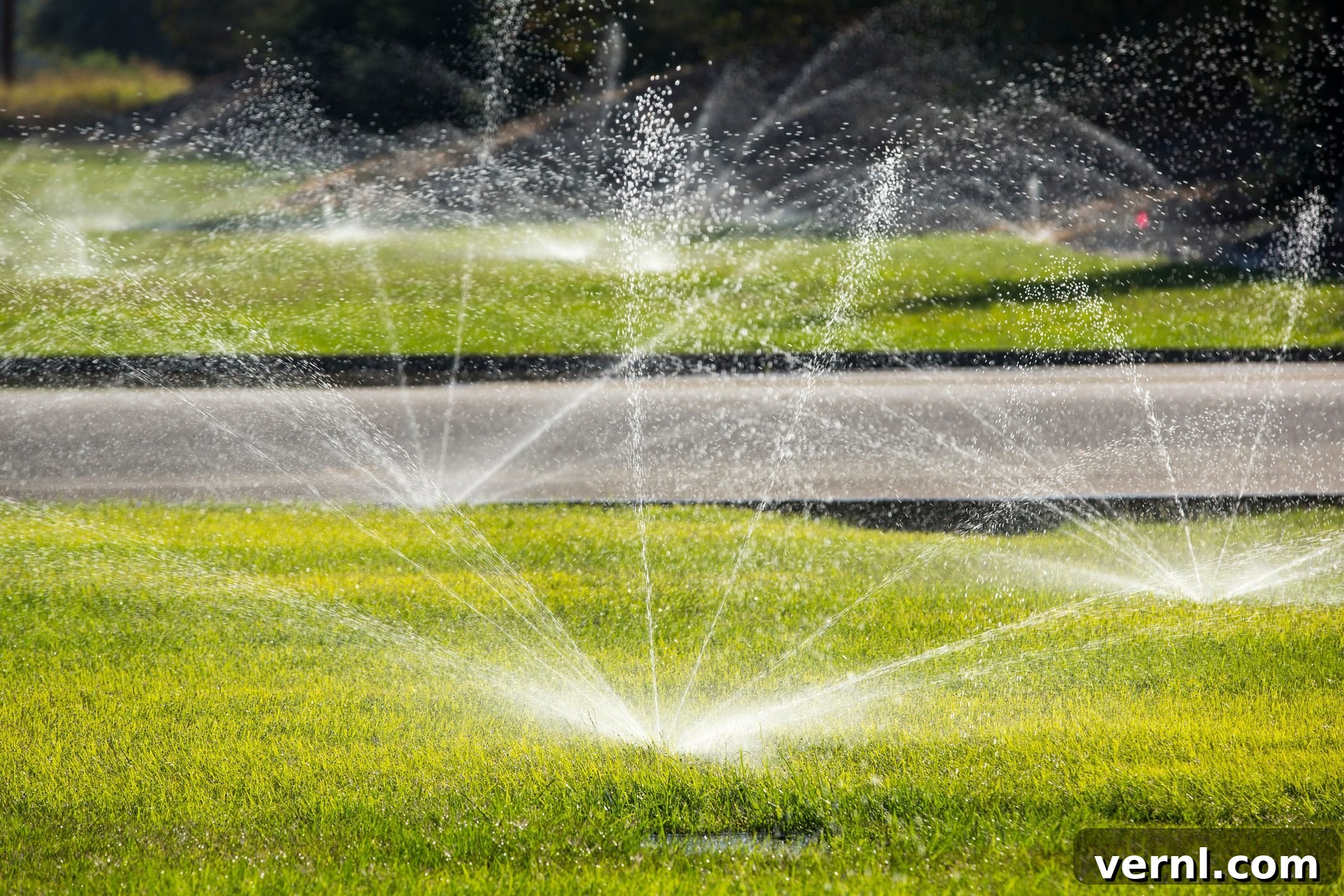
Sprinkler systems are widely recognized and frequently used for lawns and larger garden areas. They feature emitters that spray water into the air, allowing it to fall onto plants much like natural rain. These systems can be operated manually or automated with timers that switch them on and off at predetermined times. Sprinkler systems offer broad coverage and are excellent for turfgrass and plants with shallow root systems. However, they are not always the most water-efficient choice, as a significant portion of the water can be lost to evaporation, especially on windy days or during peak sun hours. Proper design, including considerations for head placement and spray patterns, can mitigate some of these inefficiencies.
-
Drip Irrigation: Precision Watering for Sustainable Growth
Originating in arid regions like Israel, drip irrigation stands out as one of the most water-efficient irrigation systems available. It employs a network of above-ground tubing that delivers water directly to the plant roots through tiny emitters or 1/4-inch soaker hoses. This method minimizes water loss due to evaporation and runoff, as water is applied slowly and precisely at the soil level. Drip systems are generally easy and inexpensive to install, making them popular for vegetable gardens, flower beds, and shrubs. A key consideration, however, is the need for frequent maintenance, as the small emitters can become clogged by sediment in the water.
-
Smart Irrigation Systems: The Future of Water Management
Representing the cutting edge of irrigation technology, smart irrigation systems integrate weather data, soil moisture sensors, and advanced controllers to optimize watering schedules automatically. These systems can adjust watering times based on real-time local weather forecasts, rainfall, and the specific needs of your landscape. Many smart controllers can be managed remotely via smartphone apps, offering unparalleled convenience and control. While the initial investment might be higher, smart systems significantly enhance water conservation, reduce utility bills, and ensure optimal plant health by providing exactly the right amount of water at the ideal time.
Understanding the Investment: Irrigation System Costs
When considering an irrigation system, cost is a significant factor. Manual and surface irrigation methods are typically the least expensive, primarily involving labor for installation and minimal material costs. For most homeowners, the choice boils down to a sprinkler system or a drip system, each with distinct cost profiles and installation complexities.
Sprinkler System Cost: What to Expect
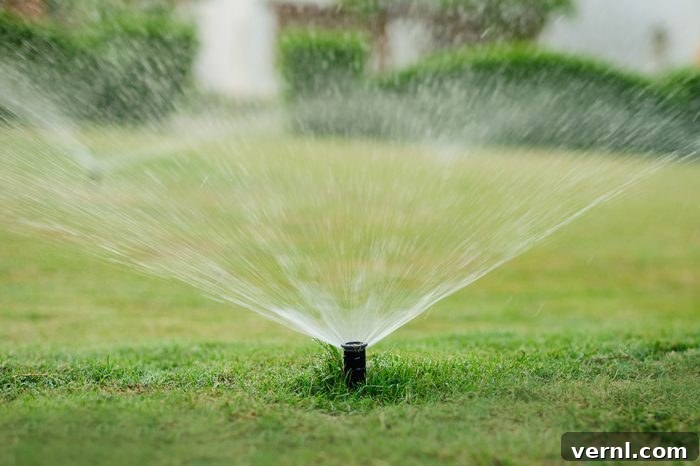
A full-fledged underground sprinkler system is often considered the most practical residential choice for comprehensive lawn coverage, though it comes with a higher price tag. Costs can range from $0.20 to $1 per square foot of lawn, with the nationwide average installation cost falling between $1,700 and $3,500. Several factors influence this wide range:
- Size of the Property: Larger areas naturally require more piping, additional sprinkler heads, and more complex zoning, driving up material and labor costs.
- Terrain and Soil Conditions: Installation becomes significantly more challenging and expensive on sloped terrain, in rocky soil, or in heavily compacted earth, as specialized equipment and more labor are needed for trenching.
- System Layout and Zoning: The design complexity, including the number of watering zones required to meet the diverse needs of different plants or sun exposures, directly impacts the number of valves and amount of piping. Each zone typically requires a separate valve connected to the main water supply.
- Labor and Installation Complexity: While DIY sprinkler systems with above-ground hoses exist, burying pipes requires professional expertise and equipment for trenching, pipe fitting, and electrical wiring for the controller. Professional installation ensures optimal coverage and efficiency.
- Brand and Component Quality: The market offers various brands and grades of sprinkler components. While cheaper options are available, investing in higher-quality parts from reputable brands often translates to greater durability, fewer repairs, and a longer lifespan for the system.
- Permitting Requirements: Some municipalities require permits for installing an irrigation system, which adds an additional layer of cost and regulatory compliance to the project.
Drip System Cost: An Affordable and Efficient Choice
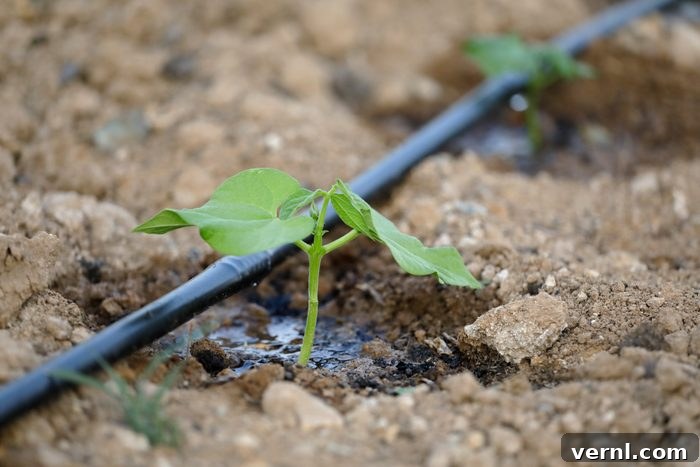
Drip irrigation systems are renowned for their affordability and ease of installation, making them an excellent choice for gardens, flowerbeds, and container plants. The average cost to install a drip system typically ranges from $80 to $100 per 100 feet of watering line, with most homeowners spending between $225 and $415 for a complete system. Key factors influencing the cost include:
- DIY vs. Professional Installation: A significant advantage of drip systems is their DIY-friendliness. Since all tubing is generally above ground or shallowly buried, no extensive digging or specialized equipment is required. This allows homeowners to save substantially on labor costs by installing the system themselves.
- No Permit Advantage: Unlike many sprinkler systems, drip irrigation installations typically do not require permits, eliminating an additional expense and bureaucratic hurdle.
- Quality of Components: While off-the-shelf drip components for DIYers are generally inexpensive, professional-grade components may offer enhanced durability and performance, albeit at a slightly higher price point. Choosing quality components can prevent frequent clogs and leaks.
- Garden Layout and Plant Density: Drip systems are designed for targeted watering, meaning each plant often receives its own emitter or a section of soaker hose. Therefore, a larger number of plants, or plants spread widely apart, will necessitate more tubing and emitters, incrementally increasing material costs.
Choosing the Ideal Irrigation System for Your Needs
Selecting the perfect irrigation system requires careful consideration of several factors unique to your landscape and lifestyle. As plumbing and HVAC expert Jimmy Hiller advises, “The right system depends less on your yard size and more on your plants, soil, and water pressure.” Here’s a comprehensive guide to help you make the best choice:
- Plant Types and Watering Needs: Different plants have varying water requirements. For flower beds, vegetable gardens, or anything with shallow roots, Hiller recommends a drip system with longer run times, as “it keeps the water at the base where it counts.” Lawns, on the other hand, typically benefit from sprinkler systems equipped with spray or rotor heads, which provide broader coverage.
- Soil Type: Understanding your soil is crucial. Sandy soils drain quickly and may require more frequent, shorter watering cycles. Clay soils retain water longer and need less frequent, deeper watering. Drip systems are often excellent for all soil types due to their slow, consistent water delivery, which prevents runoff.
- Water Pressure: Your home’s existing water pressure will influence system design. Sprinkler systems require adequate pressure to operate multiple heads simultaneously, while drip systems usually include pressure regulators to ensure optimal performance.
- Budget: Consider both initial installation costs and long-term operating and maintenance expenses. Drip systems generally have lower upfront costs and lower water usage, leading to savings over time.
- Time Commitment: How much time are you willing to dedicate to manual watering or system maintenance? Automated systems offer convenience, while manual methods require consistent attention.
- Water Conservation Goals: If water efficiency is a top priority, drip and smart irrigation systems are superior choices, significantly reducing waste compared to traditional sprinklers.
- Climate and Local Regulations: Local climate patterns (rainfall, evaporation rates) and any watering restrictions or permit requirements in your area should also factor into your decision.
Seamless Installation: From Planning to Perfect Watering
The installation process varies significantly between sprinkler and drip systems, primarily due to their differing complexities and components. Proper planning is critical for both to ensure efficient operation and longevity.
Installing a Sprinkler System: A Step-by-Step Overview
Installing a sprinkler system is a more involved undertaking, primarily because it requires digging trenches to bury pipes and electrical wires. The process typically begins with a detailed design plan, mapping out zones, pipe runs, and sprinkler head placements for optimal coverage. Key steps include:
- Planning and Design: Map your yard, marking utility lines, existing plants, and areas requiring different watering needs. Design zones and head placement to avoid over-watering or dry spots.
- Trenching: Digging trenches, usually 6-12 inches deep, is necessary to lay the main lines and branch pipes. This is where professional equipment and expertise are often beneficial, especially in challenging soil conditions.
- Valve and Pipe Installation: Water valves are strategically placed near the house or in the yard, often grouped in a manifold. Pipes, typically PVC or poly, are then run from these valves throughout the designated zones. Tees connect individual sprinklers to the branch pipes.
- Wiring the Controller: Low-voltage electrical wires are run from the controller (often located in a garage or utility area) to each zone valve, allowing for automated control.
- Head Placement and Adjustment: Sprinkler heads are connected to the pipes, ensuring they are at ground level or just above, for effective spray patterns.
- Backfilling and Testing: Once pipes and heads are in place, the trenches are carefully backfilled. The entire system is then thoroughly tested for leaks, proper pressure, and optimal coverage.
While the process of irrigation system installation for sprinklers can be complex, connecting a drip system to a sprinkler valve is also possible, offering an integrated approach.
Installing a Drip Irrigation System: Simple and Effective
Drip systems are significantly easier to install, making them a popular DIY project. They typically connect to an existing outdoor faucet and do not require extensive digging. The modular nature of drip components allows for flexible and customizable setups. The basic installation involves:
- Faucet Connection: Attach a backflow preventer to your outdoor faucet, followed by a filter to prevent clogs, and then a pressure regulator to ensure consistent water flow. A timer can then be added for automated watering.
- Main Line Routing: Run 1/2-inch or 5/8-inch poly tubing (the main line) from the faucet connection through the area to be watered. This tubing can be laid on the soil surface, lightly mulched over, or secured with stakes.
- Feeder Lines and Emitters: Where plants need water, punch holes in the main line and insert barb fittings to connect 1/4-inch micro-tubing or soaker hoses. Attach emitters to the ends of the micro-tubing or use in-line emitters, ensuring they deliver water directly to the plant’s root zone.
- Component Assembly: All tubing fittings, emitters, and connectors are typically push-together, requiring no glue and minimal tools, making installation quick and straightforward.
- Testing and Adjustment: Turn on the water and check for leaks. Adjust emitter placement as needed to ensure all plants receive adequate water.
The simplicity and flexibility of drip irrigation make it an ideal solution for targeted watering without the hassle of major excavation.
Maintaining Your Irrigation System for Longevity and Performance
Regular maintenance is crucial for ensuring the efficiency, longevity, and optimal performance of any irrigation system. Neglecting maintenance can lead to water waste, poor plant health, and costly repairs. Both sprinkler and drip systems require ongoing care to function effectively.
Routine Checks and Seasonal Maintenance
Jimmy Hiller provides excellent advice for routine maintenance: “Once a month, just run each zone while you’re outside and actually watch. You need to look for bubbling at the base, which could mean a cracked head, dry patches next to sprinklers, which means poor coverage, green slime on walls or fences that appear due to overspray, and sprinkler heads that are spraying sideways or barely popping up at all.” This visual inspection is invaluable for identifying issues early.
- Sprinkler System Checks: Look for misaligned or broken sprinkler heads, clogged nozzles, or areas of uneven watering. Adjust heads to ensure water is reaching desired areas and not spraying sidewalks, driveways, or buildings.
- Drip System Checks: Inspect tubing for kinks, leaks, or damage from garden tools or pests. Check emitters for clogs, which are common due to mineral deposits or debris in the water. Ensure emitters are still positioned correctly near the plant bases.
- Controller/Timer Review: Periodically review your watering schedule. Adjust run times and frequencies based on seasonal changes, plant growth, and weather conditions. Consider upgrading to a smart controller for automatic adjustments.
The Importance of Filters and Winterization
Filters are a critical component, especially for drip systems, preventing sediment from clogging emitters. Hiller advises, “Flush your filters at least once a season — and once a month if you’re on well water. The whole system can lose pressure or spray unevenly just because no one bothered to clean a $5 screen.”
For regions experiencing freezing temperatures, proper winterization is essential to prevent damage to pipes and components. This typically involves:
- Shutting Off Water Supply: Turn off the main water valve to the irrigation system.
- Draining the System: Open all drain valves to allow water to empty from the pipes. For more thorough draining, especially in sprinkler systems, an air compressor is often used to “blow out” the lines, removing any residual water.
- Insulating Exposed Components: Protect backflow preventers and other above-ground components from freezing with insulation.
In spring, a careful startup procedure involves slowly repressurizing the system and checking for any leaks or damage that may have occurred over winter.
Common Troubleshooting Tips
- Low Pressure: Check for clogs in filters, partially closed valves, or leaks in the system.
- Uneven Watering: Inspect sprinkler heads for clogs or damage, adjust their arcs and radii. For drip systems, ensure all emitters are functioning and not clogged.
- Leaks: Visually inspect all connections, pipes, and emitter points. Repair or replace damaged components promptly to prevent water waste and potential plant damage.
- Controller Issues: Ensure the controller has power, is programmed correctly, and that all wiring connections to the valves are secure.
A proactive approach to maintenance will keep your irrigation system running smoothly, efficiently, and effectively for many years, safeguarding your landscape investment.
Frequently Asked Questions About Irrigation Systems
-
How often should I water my lawn or garden?
-
Most lawns and gardens generally need about one inch of water per week. However, this is a guideline, and the actual frequency depends heavily on several factors. In arid regions, you might need to water daily, while areas with heavy rainfall may require watering only once a week, or not at all. Watering frequency also depends on the types of grasses and plants you have, their specific watering needs, and the soil type. Observe your plants for signs of stress like browning, wilting, or other symptoms of disease, which can indicate either overwatering or underwatering. When in doubt, consult with a local landscaper or garden center for tailored advice on your watering schedule.
-
Can I install an irrigation system myself?
-
Yes, you can certainly install certain types of irrigation systems yourself. Drip irrigation systems are particularly DIY-friendly due to their above-ground tubing and push-together connectors, requiring no extensive digging or specialized tools. However, installing a full sprinkler system is a much more demanding task. As expert Jimmy Hiller wisely notes, “Digging trenches sounds fine until you hit clay, roots, or your old tree stump, and if you misjudge the slope or water pressure, you’ll spend more fixing it than you would hiring someone.” If you choose to tackle a sprinkler system solo, Hiller strongly recommends meticulous planning on paper first, emphasizing that “Mistakes are hard to fix once everything’s buried.” For complex installations, professional help is often a worthwhile investment.
-
What are the benefits of smart irrigation systems?
-
Smart irrigation systems offer significant advantages over traditional timers. They enhance water conservation by using weather data (e.g., rainfall, temperature, humidity) and soil moisture sensors to automatically adjust watering schedules, eliminating unnecessary watering. This precision reduces water waste and can lead to substantial savings on your water bill. Furthermore, smart systems promote healthier landscapes by ensuring plants receive optimal hydration, preventing both overwatering and underwatering. Many come with smartphone app control, offering unparalleled convenience for managing your system remotely.
-
How do irrigation systems contribute to water conservation?
-
Modern irrigation systems, especially drip and smart systems, play a crucial role in water conservation by delivering water precisely where it’s needed, minimizing waste. Drip irrigation applies water directly to the plant root zone, drastically reducing evaporation and runoff compared to overhead sprinklers. Smart systems take this a step further by using sensors and real-time weather data to prevent overwatering, ensuring that water is only applied when and where it’s truly beneficial. By optimizing water use, these systems help conserve a precious resource, reduce environmental impact, and lower utility costs.
-
How long do irrigation systems typically last?
-
The lifespan of an irrigation system varies depending on the type, quality of components, installation quality, and maintenance regimen. A well-installed and regularly maintained sprinkler system, using quality components, can last anywhere from 15 to 20 years or even longer. Drip irrigation components, being more exposed and often made of softer plastics, might have a slightly shorter lifespan, with tubing lasting 5-10 years and emitters needing occasional replacement. Consistent maintenance, including flushing filters and proper winterization, significantly extends the life of both types of systems.
About Our Expert
Jimmy Hiller is a highly respected authority in home services. He founded Happy Hiller in 1990, building it into a formidable enterprise that now employs over 700 associates. With a fleet of more than 500 signature “Happy Face” trucks operating across 14 locations, his company has successfully responded to over 1.5 million service calls, establishing a reputation for excellence in HVAC, plumbing, and electrical services. Beyond his business success, Jimmy is dedicated to helping soldiers transition into fulfilling careers in the skilled trades, underscoring his commitment to community and craftsmanship.