
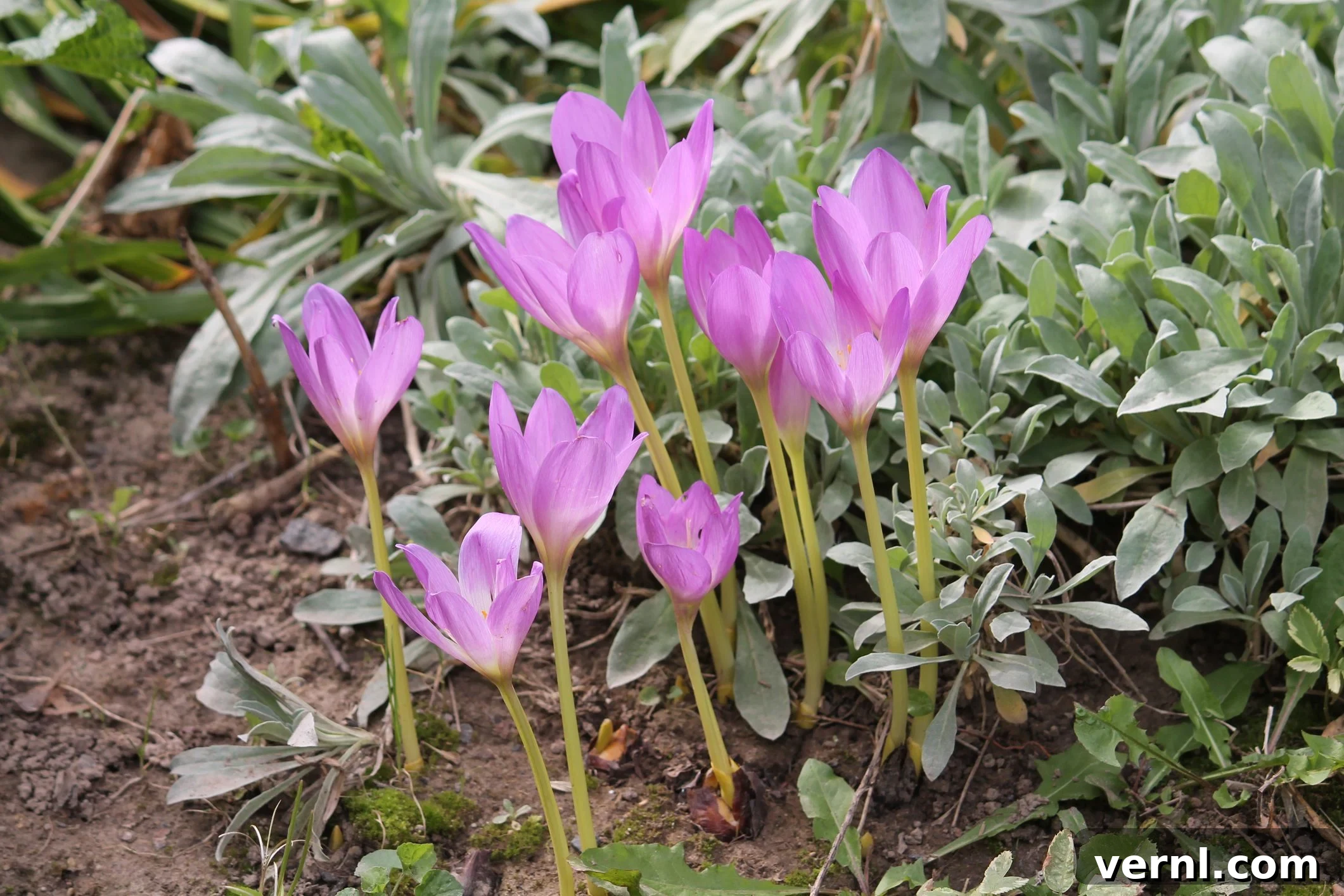
Transforming your garden into a captivating oasis often involves thoughtful selection of plants, and when it comes to late-season beauty, decorating your garden with fall-blooming bulbs like autumn crocuses and colchicums is an exceptional choice. These resilient flowers defy the typical spring bloom cycle, offering a burst of color when most other plants are fading. They infuse personality and charm into your outdoor space, extending the gardening season well into autumn.
There’s a unique delight in witnessing the vibrant blooms of colchicums and autumn crocuses grace the garden each fall. While their appearance might evoke memories of spring, their autumnal arrival is truly special. In many gardens, the first colchicum flowers emerge in late summer, serving as a charming prelude to the approaching fall. Soon after, the true autumn crocus follows, resembling its spring counterpart but notably lacking foliage during its bloom period.
Observing both species emerge brings a sense of wonder, even as it signals the eventual arrival of winter. Their predominantly purplish to pink hues create a striking contrast against the rich tapestry of fallen leaves, making them stand out as jewels in the autumn landscape. If you’re pondering whether these unique bulbs are the right fit for your garden, delve deeper. We will explore compelling reasons to plant them, provide comprehensive care guidelines for colchicums, discuss common challenges to anticipate, and much more, ensuring your garden thrives with these late-season marvels.
Why Choose Autumn Crocuses and Colchicums for Your Garden?
Autumn crocuses, botanically known as Crocus speciosus, are often referred to as fall-blooming crocuses. These delightful plants originate from regions including Turkey, Crimea, and northern Iran, thriving predominantly in USDA Plant Hardiness Zones 5 through 9. Their ability to deliver vivid color when most other garden elements are preparing for dormancy makes them an invaluable addition.
Autumn crocuses can truly be a great option in your garden for several compelling reasons. As perennial plants, they reliably bloom in late autumn, injecting much-needed vibrancy and extending the visual appeal of your landscape. As Susan Mahr, Statewide Master Gardener Program Coordinator at the University of Wisconsin-Madison, aptly notes, “The word crocus usually conjures images of cheerful small flowers emerging from snow and ice as the first harbinger of spring.” However, autumn crocuses redefine this perception, offering a stunning reversal of expectations.
It’s crucial to understand that while often called “autumn crocuses,” colchicums are botanically distinct plants. Most varieties commonly sold are native to parts of Europe and bear the botanical name Colchicum autumnale. These hardy bulbs flourish in U.S. Department of Agriculture (USDA) Plant Hardiness Zones 4 through 8. A distinctive feature of colchicums is their foliage, which often reminds gardeners of hostas. These broad, lush leaves emerge in spring, providing greenery through early summer before gradually dying back. This unique growth cycle means that the flowers of colchicums burst forth in late summer and early fall, often appearing as “naked ladies” without accompanying foliage. For example, in a USDA Zone 6a garden, colchicum flowers frequently make their grand appearance in late August and early September, signaling the transition from summer to autumn with their characteristic charm.
Mahr further clarifies the common naming confusion: “In the U.S., the commonly called Autumn Crocus is not a true crocus at all but a species or hybrids of Colchicum, a group of fall-flowering bulbs in the lily family (Lilaceae). Other common names for autumn crocus include meadow saffron, naked lady and colchicum.” This distinction is vital for gardeners to ensure they are selecting the correct plant for their desired effect and understanding its specific care requirements. Both true autumn crocuses and colchicums, despite their botanical differences, contribute immensely to extending the season of color in your garden, offering a delightful surprise as the year draws to a close.
Captivating Varieties of Crocuses and Colchicums
The world of fall-flowering bulbs offers a delightful array of autumn crocuses and colchicums, providing gardeners with diverse choices to suit any aesthetic preference. Selecting the right varieties can dramatically enhance your late-season garden display. Here are a few outstanding options to consider, each bringing its own unique beauty:
- Colchicum ‘Waterlily’: This exceptional cultivar truly lives up to its name, featuring double the number of petals compared to typical colchicums. The result is a lush, multi-petaled bloom that strikingly resembles a miniature water lily, often in shades of rosy-purple. Its opulent appearance makes it a focal point in any autumn garden.
- Colchicum ‘Giant’: For those who desire a more dramatic statement, ‘Giant’ offers impressively large flowers that can reach heights of up to 10 inches. Its substantial size and rich, often deep pink or purple coloration ensure it commands attention, making it perfect for mass plantings or as a stand-alone specimen.
- Colchicum ‘Album’: Purity and elegance define ‘Album,’ which produces pristine white flowers. These luminous blooms provide a refreshing contrast to the more common purple and pink shades, brightening up shaded areas or creating a sophisticated monochromatic scheme.
- Crocus speciosus ‘Albus’: A true crocus, ‘Albus’ features delicate white flowers accented with a distinct yellow center. Its crisp appearance and cheerful disposition are a welcome sight as cooler weather sets in.
- Crocus speciosus ‘Oxonian’: If you’re seeking deep, saturated color, ‘Oxonian’ delivers with its intensely darker purple flowers. These rich, jewel-toned blooms add depth and sophistication to the autumn palette, standing out vibrantly against lighter foliage.
- Crocus speciosus ‘Conqueror’: This variety boasts bluer flowers, offering a cooler tone than many other purplish varieties. Its calming blue-violet hues can create a serene atmosphere, especially when planted alongside complementary colors or in naturalized settings.
One other notable fall-blooming crocus worth mentioning is the saffron crocus, Crocus sativus. Beyond its ornamental value, the distinctive red threads—which are the stigmas of the flower—are harvested to produce the highly prized and expensive spice, saffron. Cultivating saffron crocuses offers both aesthetic appeal and a potential culinary reward, adding another layer of interest to your autumn garden.
How to Plant and Care for Colchicums and Autumn Crocuses This Fall
Both autumn crocuses and colchicums originate from corms, which are essentially swollen underground stems that store nutrients. Understanding the proper planting and care techniques for these unique bulbs is key to ensuring a spectacular fall display year after year.
- Timely Planting is Crucial: It is imperative to plant the corms as soon as you acquire them. They are typically shipped in late summer, and delaying planting can reduce their vigor and ability to bloom in the same season. Prompt planting allows them to establish roots before the ground freezes.
Precision in Planting Depth is Paramount:
- Colchicum corms are generally larger than crocus corms, and therefore require a greater planting depth. They should be buried approximately 6 inches deep to protect them from winter freezes and ensure proper stability for their larger blooms.
- Crocus corms, being smaller, require a shallower planting depth of about 3 inches deep. Proper depth ensures they are insulated enough but not too deep to prevent emergence.
- When planting, ensure adequate spacing, typically 3-4 inches apart for crocuses and 6-8 inches for colchicums, to allow for future multiplication and air circulation.
Anticipate Fall Blooming:
- One of the most rewarding aspects of these bulbs is their rapid response. Both autumn crocuses and colchicums often bloom in the same fall they are planted, providing immediate gratification and a swift return on your gardening efforts.
- After planting, water them thoroughly to settle the soil around the corms. This initial watering is crucial for root establishment.
Embrace Their Low-Maintenance Nature:
- Once established, these bulbs are remarkably undemanding, requiring minimal ongoing care. This makes them ideal for busy gardeners or those looking for effortless beauty.
- Avoid overwatering, especially once established. Excessive moisture is the primary cause of corm rot, which can quickly destroy your plants. They prefer well-drained soil and generally only need supplemental water during prolonged dry spells.
- Fertilization is rarely necessary in rich garden soil, but if your soil is poor, a light application of a balanced, slow-release bulb fertilizer can be applied in early spring when the foliage is actively growing.
Witness Natural Spreading and Multiplication:
- Over time, both autumn crocuses and colchicums will naturally multiply underground, forming new corms around the original planting. This process allows them to gradually spread from their initial spot, creating larger drifts of color.
- This naturalization makes them excellent choices for planting in lawns, under deciduous trees, or in naturalized areas where they can expand without intervention.
The Art of Dividing and Replanting:
- To manage their spread, rejuvenate crowded clumps, or simply propagate more plants, it’s beneficial to dig up and divide the corms. The optimal time for this is when the spring-emerging foliage begins to die back, typically in early summer. At this point, the corms are clearly visible, making it easy to locate and handle them.
- This dormant period is the best time to see their locations, assess their health, and plan for moving or sharing them without disturbing their future bloom cycle.
Maximizing Your Harvest of Divided Corms:
- Once divided, you have several options: replant some in the same spot to maintain a dense display, spread others around your garden to establish new patches of color, or generously share them with friends and fellow gardeners.
- Many gardeners, including myself, have received cherished colchicums from friends who enthusiastically shared their divided corms, demonstrating the communal joy these plants can bring. This practice helps ensure these beautiful fall flowers continue to thrive and spread within the gardening community.
Troubleshooting Common Autumn Crocus and Colchicum Issues
While autumn crocuses and colchicums are generally robust plants, understanding potential challenges is key to maintaining their health and your safety. Autumn crocus (specifically Colchicum autumnale) is widely recognized for its delicate, almost ethereal flowers, but it’s important to be aware of a significant inherent property: toxicity. The plant contains colchicine, a potent alkaloid. If ingested, this compound can be toxic to humans, livestock, and pets, making careful placement and handling essential.
- Pest Management: Like many bulbs, autumn crocus corms can be susceptible to a few pests, notably bulb mites and nematodes. These microscopic organisms can damage the corms, leading to stunted growth, distorted flowers, or even the complete demise of the plant. To mitigate this risk, always purchase healthy, firm corms from reputable sellers. Inspect them carefully for any signs of damage, rot, or tiny pests before planting. Crop rotation can also help prevent nematode buildup in the soil.
- Toxicity Precautions: Given the presence of colchicine, it is crucial to implement safety measures, especially in gardens frequented by children and pets. Placing a physical barrier around your crocus plants, or planting them in areas inaccessible to curious hands and paws, can significantly reduce the risk of accidental ingestion. If you suspect ingestion, seek medical or veterinary attention immediately. Always wear gloves when handling the bulbs or dividing them to prevent skin irritation.
Important Note: Always buy the corms from a reputable seller to ensure their quality and health. Upon receiving them, watch them closely for any signs of disease or pest infestation before planting them in your garden. This proactive approach helps establish a healthy and thriving display while minimizing potential problems down the line.
Designing a Seasonal Garden with Autumn Crocuses and Colchicums
Designing a garden around autumn crocuses and colchicums requires a thoughtful approach, considering their unique growth cycle: foliage emerges in the spring and dies back by early summer, followed by leafless flowers in the fall. This distinct pattern allows for creative and strategic placement within your garden landscape, ensuring their autumnal beauty is showcased effectively.
- Optimal Growing Conditions: These plants thrive in conditions ranging from full sun to partial shade. Full sun is particularly beneficial in the spring when their foliage is actively photosynthesizing and recharging the corms for the fall bloom. In the fall, they can tolerate light shade, which can even prolong their delicate blooms. Ensure you choose a location that meets these light requirements for robust growth and prolific flowering.
- Soil and Drainage: Well-drained soil is paramount for the health of autumn crocuses and colchicums, as they are highly susceptible to rot in waterlogged conditions. Incorporating organic matter like compost into your soil can improve drainage and provide essential nutrients. It is often best to place them near the edge of a border, where drainage is typically superior, or in raised beds.
- Creative Planting Designs: Their unusual bloom time without foliage offers unique design opportunities.
- Rock Gardens: Planting them in a rock garden can highlight their delicate flowers against a rugged backdrop, creating a striking visual contrast. The excellent drainage typically found in rock gardens also suits their needs perfectly.
- Naturalized in Grass: For a truly enchanting display, plant them in groups within your lawn or under deciduous trees. As their flowers emerge “naked,” they create a stunning carpet of color that seems to magically appear. Mow the grass around them only after their spring foliage has died back to allow the corms to fully ripen.
- Mixed Borders: Integrate them into mixed perennial borders. While their spring foliage might mingle with emerging perennials, their fall flowers will pop up unexpectedly after summer bloomers have faded, providing a delightful surprise. Consider planting them alongside ornamental grasses, sedums, or late-blooming asters and chrysanthemums for a captivating autumn tableau.
- Container Planting: For smaller spaces or to bring their beauty closer to patios and entrances, autumn crocuses and colchicums can be grown in containers. Ensure containers have ample drainage holes and use a well-draining potting mix. This also allows you to move them around to best showcase their blooms or protect them from harsh winter conditions in colder zones.
These diverse design strategies will effectively showcase their unexpected and beautiful blooms, making them a highlight of your seasonal garden.
Frequently Asked Questions About Autumn Crocuses and Colchicums
How do you plant autumn crocus bulbs?
Autumn crocus bulbs, which are actually corms, should be planted as soon as you purchase them, ideally in late summer. Begin by selecting a sunny to partially shaded area in your garden with well-drained, rich soil. Excellent drainage is crucial to prevent corm rot. Plant the true crocus corms about 3 inches deep and 3 to 4 inches apart. For colchicums, plant their larger corms about 6 inches deep and 6 to 8 inches apart. After planting, water thoroughly to settle the soil. Avoid overhead watering, especially once they are established, as excessive moisture can harm the corms.
Are colchicum flowers poisonous?
Yes, colchicum flowers are indeed poisonous. Numerous studies confirm that they contain colchicine, a powerful and highly toxic alkaloid. Ingestion of any part of the plant, including the flowers, leaves, or corms, can cause severe health issues in humans and animals. It is always recommended to wear gloves when handling the bulbs and plants. Keep these plants strictly away from curious pets and young children to prevent accidental ingestion and ensure safety in your garden.
How much sun do autumn crocuses need?
Autumn crocuses benefit greatly from full sun to partial shade. For optimal health and vigor, they appreciate full sunlight, particularly during the spring months when their foliage emerges and actively produces energy for the corms. This spring energy storage is vital for their spectacular fall bloom. However, they can also tolerate light shade during the fall blooming period, which can sometimes even extend the life of their delicate flowers.
What’s the difference between autumn crocuses and spring crocuses?
The primary difference between autumn crocuses and spring crocuses lies in their bloom time. Spring crocuses are among the earliest harbingers of spring, blooming in late winter or early spring, often pushing through snow. Autumn crocuses, as their name suggests, bloom exclusively in the fall. While they may share a similar delicate appearance, a significant distinction is that many plants commonly referred to as “autumn crocuses” are actually colchicums, which belong to the lily family (Liliaceae), not the iris family (Iridaceae) where true crocuses reside. True autumn crocuses (Crocus speciosus) are actual crocuses but bloom in autumn, often without foliage, whereas colchicums always bloom without foliage present.
How long do autumn crocuses and colchicums typically bloom?
The bloom duration for both autumn crocuses and colchicums can vary depending on the variety, local weather conditions, and planting location, but generally, their individual flowers last for about 1 to 2 weeks. However, as new flowers continue to emerge from the corms, the entire blooming period for a patch can extend over 3 to 4 weeks, providing a sustained splash of color throughout the early to mid-autumn season.
Do autumn crocuses and colchicums attract pollinators?
Yes, both autumn crocuses and colchicums can attract late-season pollinators. While spring flowers are crucial for early emerging bees, these fall blooms offer a valuable nectar and pollen source for insects that are still active before winter fully sets in. Bees, particularly honeybees and bumblebees, as well as some late-flying butterflies, may visit the flowers, contributing to biodiversity in the autumn garden.
Can autumn crocuses and colchicums be grown in pots or containers?
Absolutely! Autumn crocuses and colchicums are excellent candidates for container planting. Growing them in pots allows for greater flexibility in garden design, enabling you to place their beautiful blooms exactly where you want to highlight them, such as on a patio, balcony, or near an entryway. Ensure your containers have good drainage holes and use a high-quality, well-draining potting mix. In colder climates, potted corms may need extra protection during winter, such as being moved to a sheltered area or garage.
Expert:
- Susan Mahr, Statewide Master Gardener Program Coordinator at University of Wisconsin-Madison
Sources:
- Taylor & Francis Online: “Accidental poisoning with autumn crocus (Colchicum autumnale): a case series”
- ScienceDirect: “Colchicum autumnale L.”
- Missouri Botanical Garden: “Colchicum autumnale ‘Pleniflorum’”
- RHS: “Autumn-flowering crocus”
- ResearchGate: “Toxicity and Sublethal Effects of Autumn Crocus (Colchicum autumnale) Bulb Powder on Red Imported Fire Ants (Solenopsis invicta)”
- NLM: “Case report: fatal poisoning with Colchicum autumnale”
- ResearchGate: “Autumn crocus – A conflict species for agriculture and nature conservation? [Die herbstzeitlose – Eine problempflanze für landwirtschaft und naturschutz?]”
- ResearchGate: “Fitochemical and Antioxidant Characterization of Autumn Crocus (Colchicum Autumnale) Flowers and Roots Plant Extracts”
- ResearchGate: “Colchicum autumnale: A review”
- NLM: “Acaricidal Activity of Colchicum autumnale (autumn crocus) Extract against Hyalomma spp. In vitro”
- University of Wisconsin-Madison: “Autumn Crocus, Colchicum spp.”