Mastering Your Garden: The Ultimate Guide to Landscape Fabric for Effortless Weed Control
For many gardening enthusiasts, the joy lies in the simple acts: the meditative rhythm of watering thirsty plants, the quiet thrill of watching tiny seedlings unfurl into vibrant life, and the serene satisfaction of basking in the warm sunshine among flourishing greenery. However, even the most dedicated gardeners often find themselves at odds with a less glamorous, yet persistent, chore: the relentless battle against weeds. These unwelcome guests can quickly overpower cultivated plants, stealing vital nutrients, water, and sunlight, turning a beautiful garden into a challenging landscape. Fortunately, there’s a highly effective, low-effort solution that can dramatically reduce weed growth and reclaim your precious gardening time: landscape fabric.
If you’re new to the world of garden fabric, or simply looking to enhance your weed control strategy, consider this your comprehensive beginner’s guide. We will delve into what landscape fabric is, explore its multifaceted benefits, provide a detailed step-by-step approach on how to correctly install and utilize it, and introduce you to some of the most reliable brands available on the market today. Prepare to transform your gardening experience, making it more enjoyable and far less labor-intensive.
What Exactly Is Landscape Fabric? Understanding This Essential Garden Barrier
Landscape fabric, often referred to as landscape paper, weed fabric, or weed barrier, is a specialized ground cover material designed to suppress weed growth in gardens, pathways, and other landscaped areas. It acts as a physical barrier between the soil and the open air, preventing weed seeds from germinating and emerging while still allowing essential elements like water, air, and nutrients to reach your desired plants’ roots.
Composition and Types
Most landscape fabrics are crafted from durable synthetic materials such as polypropylene or polyester. These materials are chosen for their resilience, resistance to rot, and ability to withstand various weather conditions and UV exposure. You’ll primarily encounter two main types:
- Woven Landscape Fabric: This type is made from woven strands of material, creating a porous surface. Its structure allows for excellent water and air permeability, making it ideal for garden beds where adequate drainage and soil aeration are crucial for plant health. Woven fabrics are generally very strong and durable, often suitable for areas with moderate foot traffic or beneath gravel paths.
- Non-Woven Landscape Fabric: Composed of fibers that are bonded together through heat or chemical processes, non-woven fabrics typically have a felt-like texture. They often offer superior weed suppression due to their denser structure and are excellent for blocking light. While some non-woven fabrics can restrict water flow if too dense, many modern versions are designed with needle-punched perforations to ensure good drainage. They are particularly effective under mulch or around permanent plantings.
Beyond synthetic options, biodegradable versions of landscape fabric are also emerging. These are made from natural materials like jute, paper, or corn-based plastics, designed to break down over time, enriching the soil as they decompose. While offering an eco-friendly advantage, their lifespan is shorter, typically requiring replacement after a season or two. They are an excellent choice for annual vegetable gardens or temporary plantings where long-term weed control isn’t the primary goal.
Key Benefits of Incorporating Landscape Fabric in Your Garden
The primary function of landscape fabric is undeniably weed prevention, achieved by blocking sunlight from reaching budding weed seeds and smothering any existing young weeds. This significantly reduces or even eliminates the need for chemical herbicides, contributing to a healthier, more environmentally friendly garden ecosystem. However, its advantages extend far beyond just weed control:
- Superior Weed Suppression: By creating a robust barrier, landscape fabric deprives weed seeds of the sunlight they need to germinate and grow. This dramatically cuts down on manual weeding time and the potential use of chemical weed killers, saving you effort and promoting a more organic gardening approach.
- Erosion Control: On slopes or in areas prone to heavy rain, landscape fabric acts as an effective stabilizer for the soil. It holds the soil particles in place, preventing valuable topsoil from washing away, which is crucial for maintaining soil fertility and structure.
- Improved Water Drainage & Retention: While blocking weeds, most quality landscape fabrics are engineered to allow water to permeate through to the plant roots, preventing puddling and ensuring proper soil moisture. Simultaneously, by covering the soil, the fabric helps reduce evaporation, thus conserving soil moisture and reducing the frequency of watering.
- Soil Temperature Regulation: The fabric acts as an insulator, helping to moderate soil temperatures. In colder climates, it can keep the soil warmer, promoting root growth. In hotter regions, it can help prevent the soil from overheating, protecting delicate root systems from extreme heat stress.
- Maintains Soil Health: By preventing compaction from foot traffic or heavy rain and retaining moisture, landscape fabric contributes to a healthier soil environment. It also prevents the mixing of decorative ground covers (like gravel or mulch) with the underlying soil, keeping your beds neat.
- Clean and Tidy Appearance: When covered with mulch, gravel, or decorative stones, landscape fabric creates a crisp, professional, and well-maintained look for your garden beds and pathways. It prevents the aesthetic degradation caused by weeds sprouting through your decorative layers.
How to Effectively Use Landscape Fabric: A Step-by-Step Installation Guide
Implementing landscape fabric successfully requires careful preparation and execution. By following these steps, you can ensure maximum effectiveness and longevity for your weed barrier.
Essential Materials You’ll Need:
- Landscape fabric (of your chosen type and size)
- Stakes, pins, or staples (U-shaped galvanized steel pins are common and effective)
- A sharp utility knife or heavy-duty scissors
- A spade or small trowel (for planting)
- Rake and shovel (for site preparation)
- Measuring tape
- (Optional) Mulch, gravel, or other decorative ground cover
Detailed Installation Steps:
- Site Preparation is Key: Begin by thoroughly clearing the area where you intend to lay the fabric. Remove all existing weeds, rocks, roots, and debris. Level the soil surface with a rake to create a smooth base. If you plan to add any soil amendments, compost, or fertilizers, do so now, incorporating them into the soil before laying the fabric. This ensures your desired plants have access to nutrients, as it will be harder to amend the soil once the fabric is down.
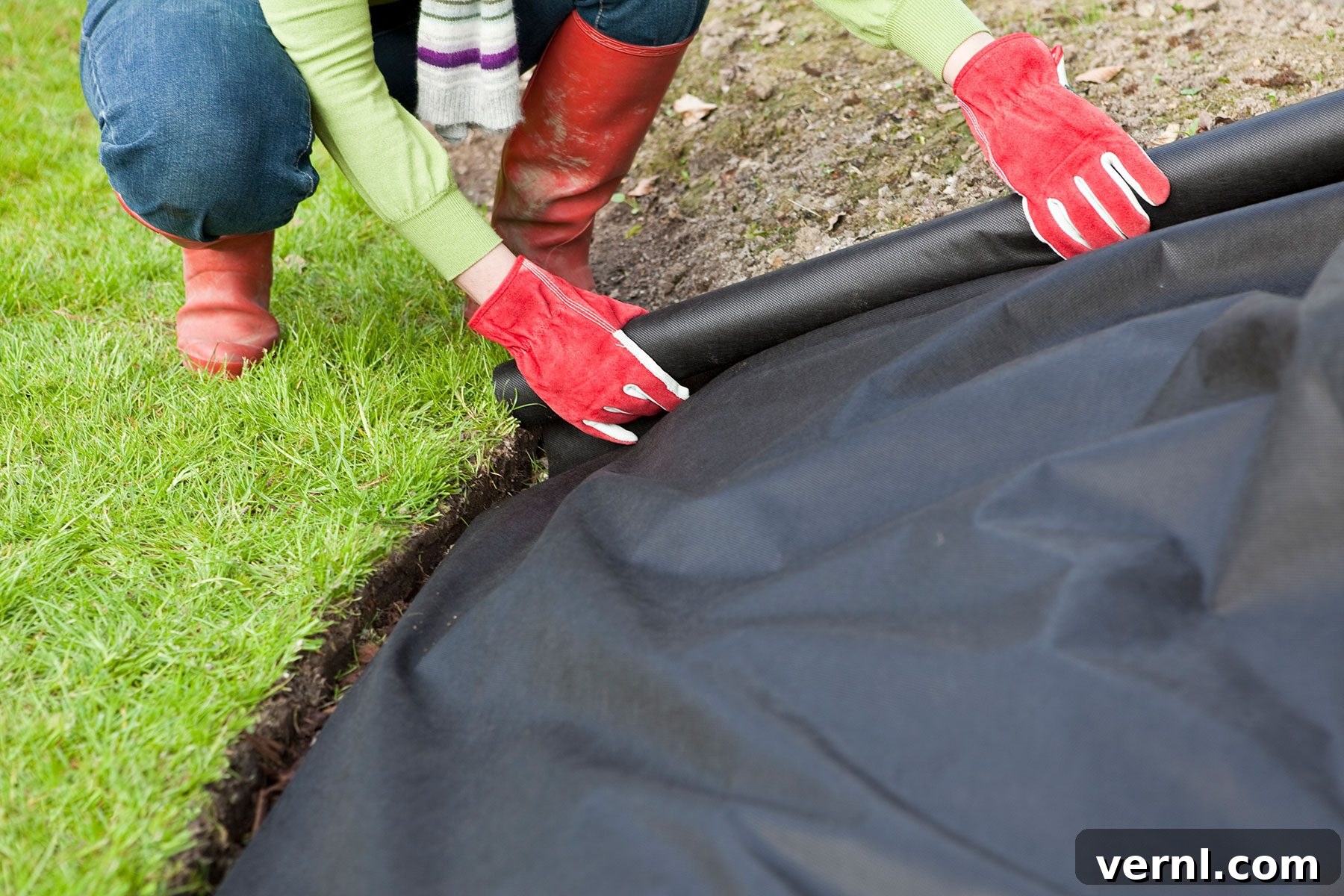
- Unroll and Lay the Landscape Fabric: Carefully unroll the landscape fabric over the prepared soil, ensuring it covers the entire area you wish to protect. For larger areas, you’ll need to use multiple pieces. Overlap the edges of adjacent fabric pieces by at least 6 to 12 inches to prevent weeds from finding gaps. If you have existing plants, you’ll need to cut carefully around their base, creating an “X” or circular slit just large enough for the plant stem to pass through, without exposing too much soil.
- Secure the Fabric in Place: Use landscape fabric stakes, pins, or staples to firmly secure the fabric to the ground. Insert them every 2 to 3 feet along the edges and any overlapping seams. Ensure the pins are pushed fully into the soil to prevent tripping hazards and keep the fabric taut. Proper securing prevents wind from lifting the fabric and weeds from growing underneath.
- Create Openings for Planting: Once the fabric is laid and secured, identify the exact spots where you want to plant your seeds or seedlings. Using your utility knife or scissors, carefully cut “X” or “H” shaped slits, or circular openings, into the fabric. Make these openings just large enough to accommodate the plant’s root ball or for seed planting, minimizing exposed soil to maintain maximum weed suppression.
- Dig and Plant Your Seeds or Seedlings: Through the openings you’ve created in the landscape fabric, use your spade or trowel to dig holes for your plants or seeds. Place your plants or sow your seeds as you normally would, ensuring they are at the correct depth.
- Cover with Potting Soil and Mulch (Optional but Recommended): After planting, gently backfill the holes with good quality potting soil, ensuring the plant roots are well covered. While not strictly necessary, adding a layer of organic mulch (like wood chips, bark, or straw) or decorative gravel on top of the landscape fabric is highly recommended. This layer offers several additional benefits: it protects the landscape fabric from UV degradation (extending its lifespan), provides an extra layer of weed suppression, helps retain soil moisture, regulates soil temperature even further, and significantly enhances the aesthetic appeal of your garden. If any soil gets on top of the fabric during planting or mulching, that’s completely fine.
Maintenance Tips for Long-Lasting Effectiveness
Even with landscape fabric, occasional maintenance is advisable. Periodically check for any tears or shifts in the fabric, re-securing or patching as needed. While the fabric dramatically reduces weed growth, a few determined weeds might still sprout through the planting holes or any gaps; promptly remove these by hand to prevent them from establishing. Keep the surface of the fabric clear of accumulated debris and soil, as these can provide a new medium for weed seeds to germinate on top of the fabric itself.
Choosing the Right Landscape Fabric for Your Project
With a variety of landscape fabrics available, selecting the best option depends largely on your specific project, environmental conditions, and desired longevity. Consider the following factors when making your choice:
- Project Type: Are you working on a perennial garden bed, a vegetable patch, a gravel pathway, or a heavy-duty driveway? Each application may benefit from a different fabric type.
- Weed Pressure: If your garden is notoriously prone to aggressive weeds, a thicker, more robust fabric might be necessary.
- Soil Type & Drainage: Woven fabrics are generally better for areas requiring excellent drainage, while non-woven can be good for moisture retention.
- Lifespan: How long do you need the fabric to last? Biodegradable options are great for short-term projects, while UV-stabilized synthetics offer years of service.
- Budget: Fabric prices vary. Balance cost with durability and features.
- Environmental Concerns: If reducing your environmental footprint is a priority, explore biodegradable alternatives.
The Best Landscape Fabrics for Your Garden: Our Top Picks
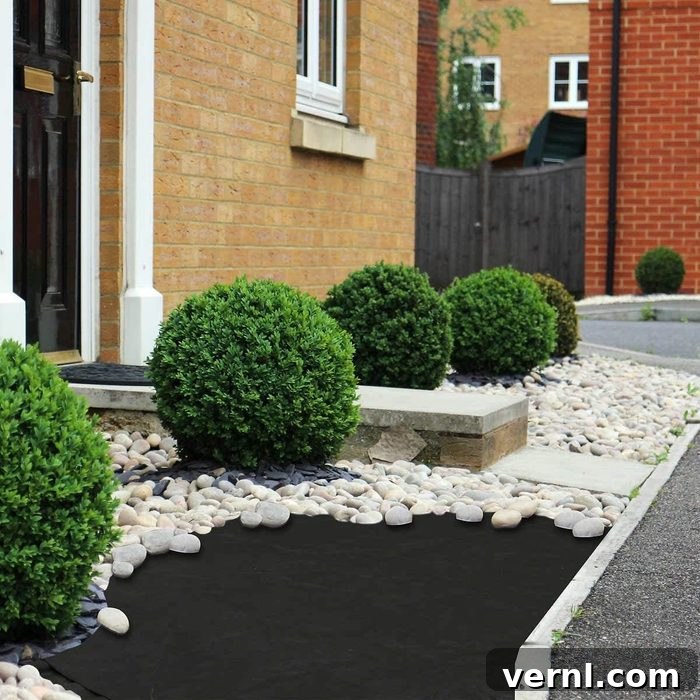
Different landscape fabrics excel for different purposes and garden types. Here are seven highly-rated and reliable options, selected to cover a range of needs and applications, helping you make an informed decision for your outdoor space.
HOOPLE Garden Weed Barrier
The HOOPLE Garden Weed Barrier consistently earns high praise from experts at publications like This Old House, Better Homes & Gardens, and Bob Vila, all of whom tout it as one of the best choices for superior weed prevention. This ultra-thick, non-woven fabric excels at blocking harmful UV rays, effectively stifling weed growth beneath its surface. Despite its density, it’s designed to allow sufficient air and water to permeate through to the soil, supporting the health of your desired plants. A significant advantage is its chemical-free composition, ensuring no unwanted treatments leach into your garden’s delicate ecosystem. It’s remarkably easy to cut and available in a vast array of sizes, making it exceptionally versatile for various applications, from intricate flower gardens to pathways and even beneath artificial turf. However, its thick design can sometimes lead to water pooling on the surface, which might make it less suitable for delicate vegetable gardens or areas where consistent, even moisture distribution is critical. Additionally, it lacks guiding lines for cutting or plant placement, which might pose a slight challenge for novice gardeners seeking extra assistance.
DeWitt Bulk Woven Landscape Fabric
The DeWitt landscape fabric is highly revered by gardeners for its exceptional longevity, boasting an impressive lifespan of up to 12 years—a testament to its enduring quality and value. Its woven design makes it remarkably lightweight, facilitating easier handling and installation, yet it still effectively blocks up to 70% of UV rays to deter weed growth. A standout feature for ease of use is the presence of printed lines directly on the fabric, which proves incredibly helpful for straight cuts and precise seed or plant placement, making it particularly beginner-friendly. While highly effective, it typically comes in smaller roll sizes compared to some other bulk landscaping fabrics. This characteristic makes it better suited for contained garden beds and smaller landscaping projects rather than extensive, large-scale pathways or commercial applications where broader coverage is needed.
AGTEK Landscape Fabric
The AGTEK Landscape Fabric stands out as another superb choice for smaller garden spaces and targeted applications. This fabric is conveniently sold in packs of two, offering either 4×8-foot or 4×12-foot swaths, which makes it ideal for managing more confined areas without excess waste. Mirroring the user-friendly design of the DeWitt model, AGTEK also incorporates beginner-friendly lines on its surface for straightforward seed placement and accurate cutting. Its durable woven design ensures reliable weed suppression and decent longevity. The primary caveat noted by Bob Vila regarding this product is that the cut edges can sometimes fray, potentially requiring extra care during installation or a subsequent covering layer to prevent unraveling over time.
EcoGardener Weed Barrier
The EcoGardener Weed Barrier earns our top recommendation as the best environmentally-friendly option among high-performance landscape fabrics. Its innovative woven fabric features a unique double-layer, needle-punched design. This specific construction allows for significantly more airflow and water penetration compared to many other fabrics, fostering a healthier soil environment for desired plants. This Old House even rates it as one of the best landscape fabrics overall, applauding its remarkable lightness and exceptional versatility across a multitude of outdoor spaces, from delicate flower beds to under patios. However, it’s important to acknowledge their admission that, despite its advanced design, it may not completely block out *all* weeds, especially particularly stubborn varieties. Additionally, its refund option has a relatively short lapse period of 30 days, which is a consideration for those seeking a longer evaluation window.
WAENLIR Heavy-Duty Weed Barrier
Gardeners consistently praise WAENLIR’s fabric for its substantial, durable weight, which enables it to perform a valuable double duty: not only effectively suppressing weeds but also acting as a robust soil stabilizer. This makes it particularly useful in areas prone to erosion or requiring a firmer foundation. Its impressive resistance to high UV exposure ensures a prolonged lifespan even in sunny environments. The fabric is conveniently available in a wide variety of sizes, ensuring you can find a suitable swath for virtually any space or project, from small garden plots to larger landscaping endeavors. Furthermore, it features beginner-friendly placement stripes, simplifying the cutting and alignment process for optimal coverage. The main drawback to consider is that this heavy-duty barrier does not come with galvanized staples included for installation, meaning you’ll need to purchase these essential securing components separately.
Flarmor Landscape Fabric Weed Barrier
Flarmor introduces a unique hybrid fabric that combines a tough, non-woven texture with strategically placed needle-punched perforations. This innovative construction results in a highly versatile landscape fabric that performs exceptionally well in traditional garden settings, yet is equally robust for demanding applications such as beneath rock pathways and decorative gravel areas. Its wider size is particularly well-suited for larger-scale projects, allowing for fewer seams and more efficient coverage. The fabric’s durable texture provides significant assistance with preventing soil erosion, making it a reliable choice for maintaining ground integrity. However, a crucial consideration for this product is its susceptibility to degrading relatively quickly when exposed directly to sunlight. To maximize its lifespan and effectiveness, it absolutely needs to be covered immediately with a layer of mulch, gravel, or other protective material after installation.
Bonus Driveway Entry: ArmorLay Commercial Grade Driveway Fabric
As its name aptly suggests, the ArmorLay Commercial Grade Driveway Fabric is specifically engineered for heavy-duty applications, making it perfectly suited for projects involving gravel paths, patios, and especially driveways—rather than delicate garden beds. This robust, non-woven fabric is characterized by its exceptionally high impermeability. This unique quality allows it to serve a dual purpose: not only does it effectively prevent weeds from sprouting through the aggregate, but it also dramatically improves the stability and load-bearing capacity of the ground beneath. This powerful combination is instrumental in extending the overall life of your driveway, actively preventing the formation of potholes and combating soil erosion for many years to come, ensuring a more durable and maintenance-free surface.