
The Ultimate Guide to Sunflower Seeds: Black Oil vs. Striped for Humans and Birds
Sunflower seeds are a global agricultural powerhouse, with farmers worldwide harvesting over 50 million tons annually. These versatile seeds are cherished by humans, livestock, and a vast array of wildlife, serving as a vital food source. However, not all sunflower seeds are created equal, and their ultimate destination – whether a human snack bowl or a bird feeder – largely depends on their specific variety. Understanding these distinctions is key to making the best choices for your culinary needs or your backyard avian visitors.
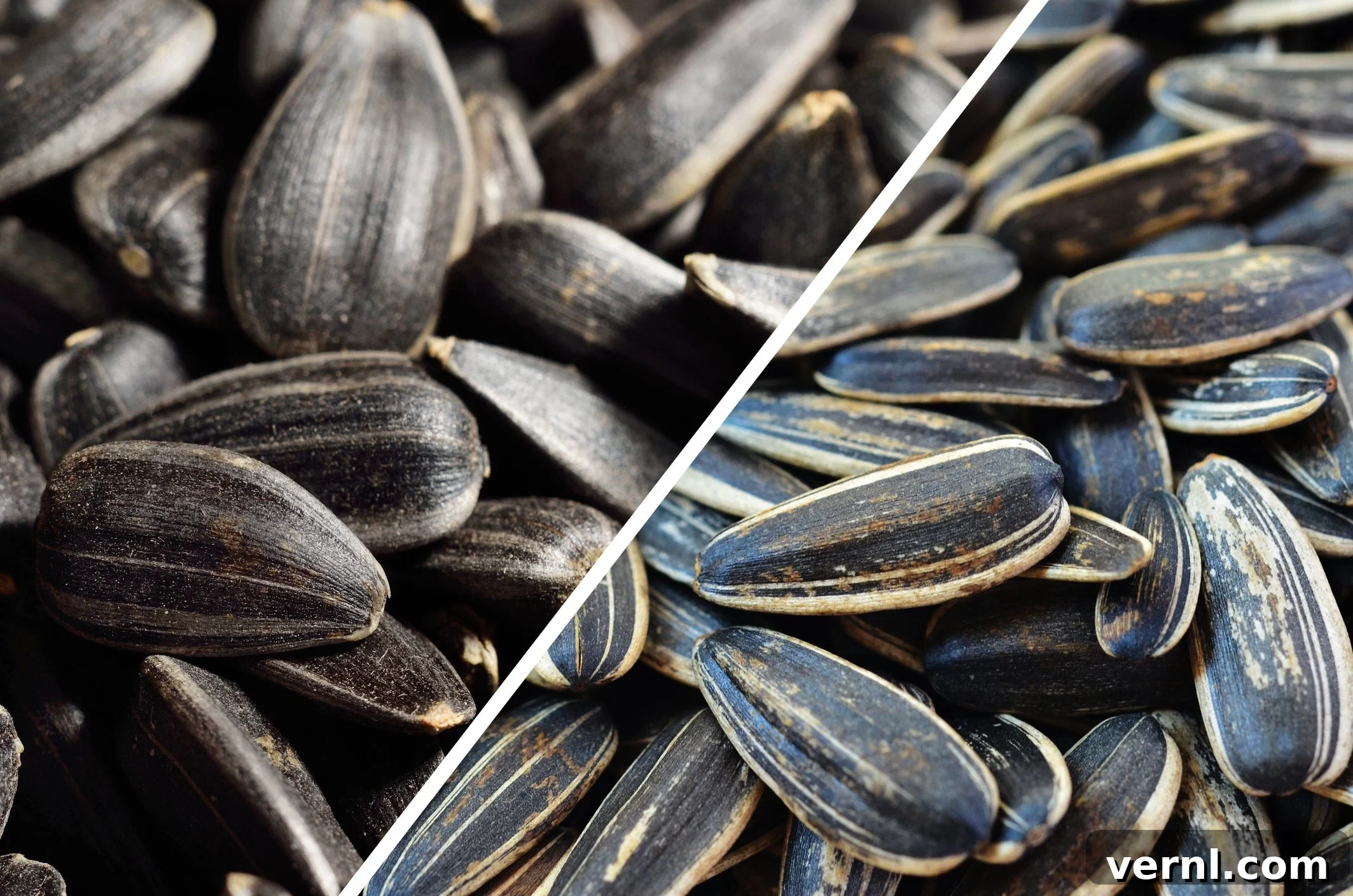
For many of us, striped sunflower seeds are the familiar sight on grocery store shelves, packaged as a nutritious snack or a crunchy salad topping. Their distinctive black and white striped husks are easy to spot. In contrast, black oil sunflower seeds, characterized by their uniformly black shells, are primarily found in the wild bird care section of home improvement stores and feed shops. This article delves into the fascinating differences between these two prominent sunflower seed types, offering expert insights on their unique properties, optimal uses, and essential storage tips.
Join us as we explore why black oil sunflower seeds have become a staple for bird enthusiasts, what makes them distinct from their striped counterparts, and how to ensure you’re providing the best possible nutrition for your feathered friends. We’ll uncover the secrets behind their shell thickness, oil content, and the preferences of various bird species, helping you become a more informed consumer and a better steward of your local wildlife.
Decoding the Differences: Black Oil Sunflower Seeds vs. Striped Varieties
While all sunflower seeds originate from the same botanical family and are undeniably nutritious, boasting healthy fats, protein, and fiber, their physical characteristics and nutritional profiles lead to distinct preferences among consumers. “All sunflower seeds are edible and delicious,” affirms Randel Agrella, Senior Horticulturalist with Baker Creek Heirloom Seeds. Yet, humans typically gravitate towards striped sunflower seeds due to their larger size and a shell that, despite being thicker, is often perceived as easier for human hands to crack open, making them ideal for snacking.
The situation, however, is precisely the opposite for birds. “Almost all seed-eating birds prefer black oil to striped sunflower,” explains Brian Cunningham, Chief Naturalist for Wild Birds Unlimited. This strong preference stems from several significant advantages that black oil sunflower seeds offer:
- Superior Nutritional Content: Black oil sunflower seeds contain a significantly higher oil content compared to striped varieties. This translates to more essential fats, offering a richer and more concentrated source of energy crucial for birds, especially during colder months or strenuous activities like migration and nesting.
- Higher Caloric Density: With more oil per seed, black oil sunflower seeds pack a greater caloric punch per bite. This efficiency means birds can gain more energy with less consumption, optimizing their foraging efforts and helping them maintain body temperature and energy levels.
- Thinner, Easier-to-Crack Shells: One of the most compelling benefits for birds is the black oil seed’s remarkably thinner shell. This structural difference requires far less energy for birds to crack open, allowing them to access the nutritious kernel with minimal effort. This is particularly advantageous for smaller birds or those with weaker beaks, ensuring they don’t expend more energy opening the seed than they gain from eating it.
Given these clear advantages, experts overwhelmingly recommend black oil sunflower seeds when choosing feed for backyard birds. Cunningham emphasizes this point, stating, “This is the best of all seeds in the shell, attracting the greatest variety of small and large birds.” Its universal appeal and nutritional value make it a cornerstone of any effective bird feeding strategy.
The Origins: Are Black Oil and Striped Sunflower Seeds from the Same Plant?
While both black oil and striped sunflower seeds share a common ancestor in the beloved sunflower plant, Helianthus annuus, they do not originate from the exact same cultivated variety. Through centuries of selective breeding, horticulturists have developed a vast array of sunflower varieties, each optimized for specific traits. These include differences in flower size, color, seed yield, and, crucially, seed characteristics like shell thickness and oil content. Examples of these specialized varieties include not only striped and black oil types but also ornamental “Ring of Fire” or giant “Mammoth” sunflowers. Each of these varieties is cultivated to produce seeds tailored for distinct purposes, whether for human consumption, oil extraction, or avian nutrition.
From Farm to Feeder: Are These Seeds Processed Differently?
When it comes to the basic growing and processing methods, there isn’t a significant divergence between black oil and striped sunflower seeds. Both are harvested, cleaned, and dried using similar agricultural techniques. The primary concern for consumers, especially those purchasing black oil sunflower seeds for birds, should revolve around freshness and proper storage. Emma Greig, former project leader at the Cornell Lab of Ornithology’s Project FeederWatch, highlights this critical aspect: “The main thing to think about when buying black oil sunflower seeds or any [oily] mix is that you want to get it while it’s fresh, because those seeds can go rancid.”
This is particularly true for seeds with high oil content, as the oils can oxidize over time, leading to a sour or foul odor and significantly diminished nutritional value. Greig advises against purchasing discounted bags from stores that rarely stock bird seed, as these are often older and may already be past their prime. Before offering any sunflower seeds to birds, a quick sniff test can confirm their freshness. A clean, earthy smell indicates good quality, while any hint of staleness, sourness, or a chemical odor suggests the seeds have gone rancid and should be discarded to prevent harm to birds.
Understanding the Price Tag: Why Black Oil Sunflower Seeds Can Cost More
You might notice that a bag of black oil sunflower seeds often carries a higher price tag than mixed birdseed blends or even striped sunflower seeds. This difference in cost is primarily influenced by market dynamics and the inherent value of sunflower seeds compared to other common birdseed ingredients. Sunflower seeds generally command a higher market price per pound than cheaper fillers like millet, which is often a significant component of mixed feeds.
Furthermore, agricultural factors play a crucial role. Regions renowned for sunflower production, such as the American West and Great Plains, are susceptible to environmental challenges like drought. When such conditions impact crop yields, the reduced supply, coupled with consistent demand for high-quality birdseed, inevitably drives prices upward. This fluctuation highlights the interconnectedness of agriculture, climate, and consumer costs in the bird feeding industry.
The Avian Advantage: Why Black Oil Sunflower Seeds Reign Supreme for Birds
The superiority of black oil sunflower seeds for birds boils down to an optimal balance of nutritional density and ease of consumption. Their thinner shells mean birds expend less energy cracking them open, translating to more efficient feeding. Once cracked, the high fat and calorie content provides a substantial energy boost, which is particularly vital during periods of high demand. In winter, for instance, when natural food sources are scarce and birds must work harder to find sustenance, the concentrated energy from black oil sunflower seeds can be a lifesaver, helping them maintain body temperature and survive harsh conditions. This combination of accessibility and high reward makes black oil sunflower seeds an indispensable component of a bird’s diet, ensuring they thrive rather than just survive.
Bird Preferences Unveiled: Which Seeds Attract Which Species?
While most seed-eating birds will technically consume any type of sunflower seed if it’s their only option, they almost universally prefer black oil sunflower seeds due to their ease of access and superior nutrition. Here’s a closer look at the preferences:
Birds That Devour Black Oil Sunflower Seeds
The vast majority of birds that visit feeders are drawn to black oil sunflower seeds. Its thin shell and rich content make it a favorite for a diverse range of species, from tiny finches to larger woodpeckers. This popularity makes it an excellent choice for attracting a wide variety of avian guests to your garden.
- Finches (including House, Purple, Gold, Rosy, and Cassin’s Finches)
- Chickadees (Black-capped, Carolina, Boreal, and Mountain Chickadees)
- Nuthatches (White-breasted, Red-breasted, Brown-headed, and Pygmy Nuthatches)
- Northern Cardinals
- Mourning Doves
- Tufted Titmice
- Towhees (Eastern and Spotted Towhees)
- Blackbirds (Red-winged, Rusty, and Brewer’s Blackbirds)
- Woodpeckers (Downy, Hairy, Red-bellied, and Pileated Woodpeckers)
- Evening Grosbeaks
- Redpolls (Common and Hoary Redpolls)
- Pine Siskins
- Indigo Buntings
- Gray Catbirds
- Bushtits
- Grackles (Common and Boat-tailed Grackles)
- Black-billed Magpies
- Sparrows (House, Song, White-throated, and Chipping Sparrows)
- Jays (Blue Jays, Steller’s Jays, and Gray Jays)
Birds That Eat Regular (Striped) Sunflower Seeds
Many of the same birds that enjoy black oil sunflower seeds will also consume striped ones, particularly if other preferred options are unavailable. However, certain species with weaker beaks, such as Mourning Doves and smaller sparrows, may struggle more with the thicker shells of striped seeds, making them less ideal. Brian Cunningham notes that “Birds might eat a single seed type when it is the only thing offered. But they won’t touch it if their preferred food is also available.”
This illustrates a hierarchical preference among birds. For example, Pine Siskins enjoy black oil sunflower, Nyjer, and sunflower chips. Yet, if all three are presented simultaneously, they will often prioritize Nyjer and chips, with black oil sunflower seeds being a secondary choice. This behavior underscores the importance of offering a variety of high-quality seeds to cater to the diverse tastes and needs of your backyard birds.
The Shell Game: To Hull or Not to Hull Your Sunflower Seeds?
When purchasing sunflower seeds for birds, you’ll encounter two main options: seeds with their shells intact, and shelled seeds, often referred to as chips, kernels, hulled seeds, or hearts. While shelled seeds typically come at a higher price point, their convenience and cleanliness can make them a worthwhile investment in specific situations.
When to Opt for Sunflower Seeds Without the Shell (Chips/Kernels):
Shelled sunflower seeds offer several distinct advantages, particularly for the birds and your yard maintenance. “Chips are highly preferred by the birds since they don’t have to take the time to remove the shell,” explains Brian Cunningham. This means birds can eat more quickly and efficiently, spending less energy on cracking and more on nutrition. Beyond the birds’ convenience, hulled seeds address a common backyard bird feeding issue: mess and potential plant damage.
Sunflower shells contain a natural chemical that can inhibit or stunt the growth of many plant species. Over time, an accumulation of discarded shells beneath a feeder can create barren patches, preventing grass or other vegetation from flourishing. As Pam Perry, a certified Cooperative Extension Master Gardener, points out, “If you’re feeding birds in a small town home or condo patio, you don’t want a lot of hulls kicking around.” Hulled seeds eliminate this mess, making them ideal for urban settings, small yards, or areas where neatness is a priority. However, Perry also advises against overfilling feeders with these more expensive, shell-less seeds: “Dole them out in batches, like a scoop in the morning. Otherwise, they’ll eat all day long if you keep feeding them,” which can lead to rapid consumption and increased costs.
When to Choose Shelled Sunflower Seeds (In-Shell):
Despite the convenience of hulled seeds, there are compelling reasons to choose sunflower seeds with their shells on. The shells act as a natural protective barrier, safeguarding the delicate kernel from moisture, air, and environmental elements. This protection helps the seeds stay fresh longer, an important factor for both birds and storage.
Furthermore, many bird species, including jays, titmice, chickadees, nuthatches, and nutcrackers, exhibit a natural caching behavior. In the fall, these birds instinctively gather and hide seeds to retrieve and consume during leaner times, particularly in winter. Cunningham notes, “Oftentimes they prefer seeds that still have their shell on them so they stay fresh longer” in their hidden caches. The shell provides an essential layer of insulation and protection, preserving the seed’s viability and nutritional value until it’s needed.
It’s also important to note that not all shell-less sunflower chips are derived from the highly preferred black oil variety. “Most sunflower chips are produced as by-products when striped sunflowers are processed for food-grade products, which use only the best whole kernels,” Cunningham reveals. The smaller, broken pieces that aren’t suitable for human consumption are then screened out and often repurposed as bird feed chips. While still nutritious, these chips may not offer the same concentrated energy or be as universally appealing as chips derived directly from black oil seeds.
Frequently Asked Questions About Sunflower Seeds
Are sunflower seeds a good and healthy food source for birds?
Absolutely, yes! Sunflower seeds are an exceptionally beneficial and natural food source for birds. As Brian Cunningham explains, foods offered in our yards should closely mimic what birds would naturally seek out in their wild habitats. “Sunflower seeds mimic the seeds of many trees like pine, fir, spruce, hemlock, maple, elm, sweetgum, beech and more,” he states. Beyond this, they also resemble garden seeds and flower seeds of various types, and, of course, the seeds of the more than 60 wild sunflower species. Their high fat and protein content provides essential energy and nutrients crucial for birds’ survival, particularly during demanding periods such as migration, nesting, and harsh weather. Offering sunflower seeds is a direct way to support the health and vitality of your local avian populations.
What is the best way to store sunflower seeds to maintain freshness?
Proper storage is paramount to ensure that sunflower seeds, especially the high-oil black oil variety, remain fresh, nutritious, and safe for birds. Always store sunflower seeds in a cool, dry place, ideally in an airtight container. This prevents moisture absorption, which can lead to mold growth, and minimizes exposure to air, which accelerates rancidity. Given its high oil content, storing black oil sunflower seeds carefully is particularly important. Randel Agrella notes that if stored correctly, seeds can retain their viability for up to three years. For even longer-term preservation, Agrella adds, “They can also be stored in the freezer for many years and likely remain viable.” Freezing is an excellent option for large quantities, as it significantly slows down the degradation process, keeping the seeds fresh for extended periods.
About the Experts
- Brian Cunningham is the Chief Naturalist for Wild Birds Unlimited, where he has dedicated over 20 years to understanding and promoting wild bird health and conservation. Brian holds a Bachelor of Science degree in Forest Recreation from Purdue University.
- Pam Perry is a certified Cooperative Extension Master Gardener with a wealth of experience, having served as Curator and Master Gardener for the Maricopa County Cooperative Extension at the University of Arizona. She brings a lifetime of gardening knowledge, having grown up gardening in Vermont and graduated from the College of Agriculture and Life Sciences at the University of Vermont.
- Randel A. Agrella is a Senior Horticulturist with Baker Creek Heirloom Seed Company, a renowned retailer specializing in sustainable, heirloom seeds. Since 2005, Randel has overseen rare seed production, contributing significantly to the preservation of agricultural biodiversity.
- Emma Greig was a distinguished project leader at the Cornell Lab of Ornithology’s Project FeederWatch for over a decade. This annual survey, which she expertly oversaw, gathers crucial data on birds visiting backyards, nature centers, and other locales across North America, contributing immensely to ornithological research. Read more about Emma’s legacy and profound contributions to bird science.