Extend the Life of Your Appliances: A Comprehensive Guide to Oiling Electric Motors
Many modern electric motors found in our homes and appliances are designed to be maintenance-free, featuring sealed bearings that require no lubrication throughout their lifespan. This convenient design means you rarely need to think about oiling them. However, every homeowner or DIY enthusiast will eventually encounter an electric motor that breaks this mold – perhaps an older power tool like a bench grinder, a specific type of furnace blower, or a water pump designed for periodic oiling. When you encounter such a motor, knowing how to properly lubricate it isn’t just a good skill; it’s essential for preserving its functionality and extending its operational life.
Identifying whether an electric motor requires oiling typically involves a simple visual inspection. Look for small oil ports or caps located near the motor shaft, usually situated directly above the bearings. These ports are the tell-tale sign that a motor is designed for external lubrication. Ignoring these indicators can lead to premature wear and failure. As Shlomo Cherniak, owner of Cherniak Home Services, emphasizes, “Regular maintenance can significantly extend the lifespan of your electric motors. Therefore, always check your devices’ manuals for specific oiling instructions and recommended intervals.” Adhering to these guidelines is crucial for optimal performance and longevity.
This comprehensive guide will walk you through everything you need to know about oiling an electric motor, from identifying oilable units to selecting the correct lubricant and performing the task safely and effectively.
Why Electric Motors Need Oiling: The Science of Lubrication
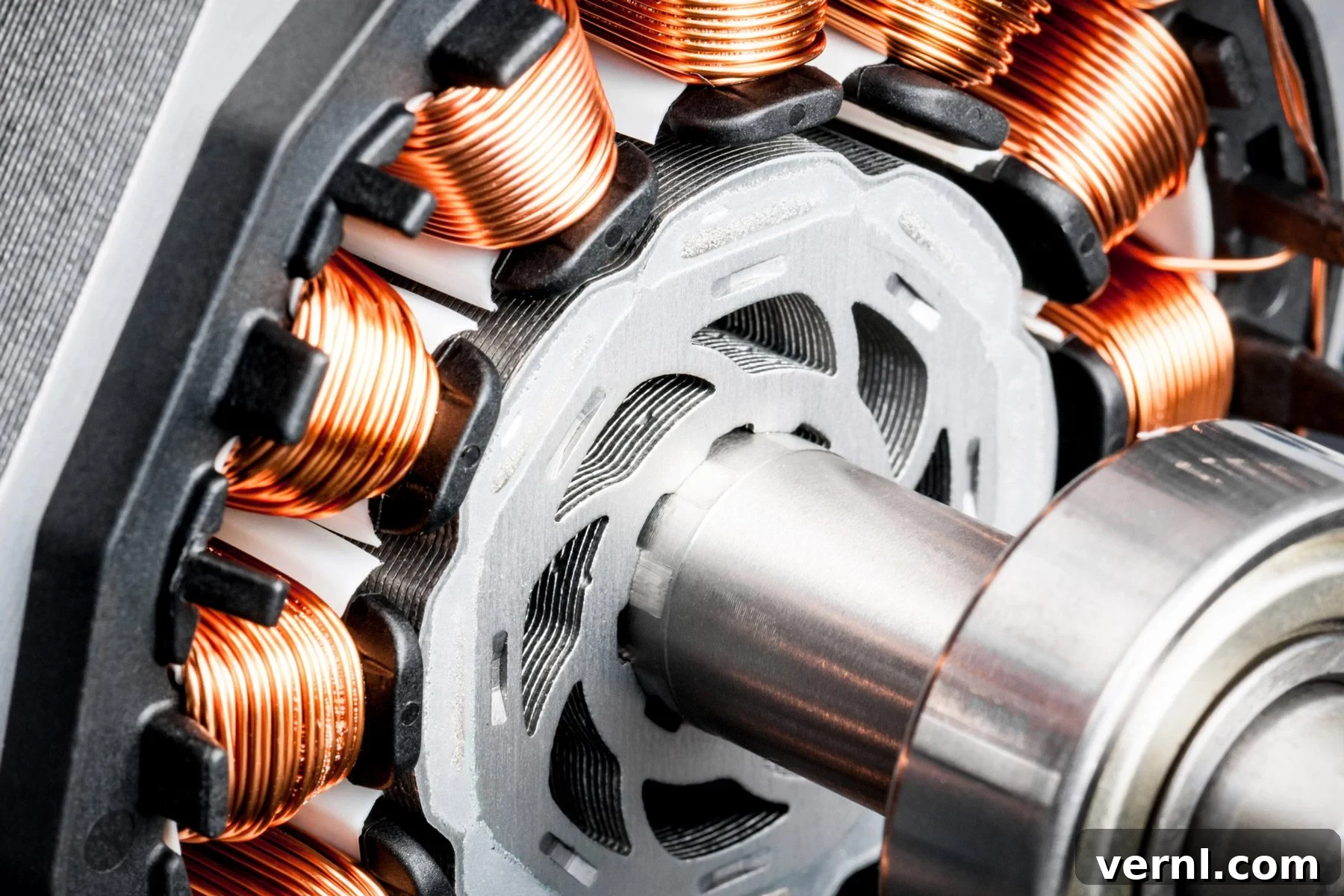
At the heart of any rotating electric motor are bearings – components that support the spinning shaft and allow it to move with minimal friction. Without proper lubrication, these metal-on-metal surfaces would quickly generate immense heat due to friction, leading to rapid wear, grinding noises, increased power consumption, and ultimately, motor failure. Lubricating oil creates a thin, slippery film between these moving parts, preventing direct contact and significantly reducing friction and heat buildup. This protective layer ensures smooth operation, reduces energy waste, and dramatically extends the motor’s lifespan.
The Critical Role of Bearings and Viscosity
Electric motors typically utilize either sleeve bearings or ball bearings. Sleeve bearings, often found in older or simpler motors, rely heavily on a constant film of oil. Ball bearings, while more robust, still benefit from proper lubrication to protect their rolling elements. The “viscosity” of the oil, which refers to its thickness or resistance to flow, is paramount. An oil that’s too thin might not maintain a sufficient film under load and heat, leading to metal-to-metal contact. Conversely, an oil that’s too thick can create excessive drag, making the motor work harder and generate more heat. This delicate balance is why specialized motor oils are indispensable.
How to Safely and Effectively Oil an Electric Motor
Oiling an electric motor is a straightforward process, but it requires attention to detail and safety. Follow these steps to ensure you lubricate your motor correctly:
- Prioritize Safety: Disconnect Power First! Before attempting any service on an electric motor or the appliance it powers, the absolute first step is to completely turn off the appliance and unplug it from the power source. If it’s a hardwired appliance (like some furnaces), locate the circuit breaker controlling it and switch it to the “off” position. This prevents accidental startup, which could cause serious injury. Always refer to the owner’s manual for specific safety instructions.
- Locate and Clean the Oil Ports: With the power safely disconnected, identify the oil ports. These are typically small, often covered by caps or plugs, and located near where the motor shaft emerges from the motor housing, directly above the bearings. Use a clean cloth or cotton swab to meticulously wipe away any dust, grime, or old oil residue from around the ports. This prevents contaminants from entering the motor with the new oil. As Melanie Powers, president at Goodberlet Home Services, advises, “For something like a furnace or other parts of an HVAC system, look for oil ports, typically near the motor shaft.”
- Apply the Correct Oil Judiciously: Using the recommended type of electric motor oil (more on this below), apply a few drops into each oil port. For most small household motors, two to three drops are usually sufficient. The goal is to provide enough lubrication without over-saturating the motor. Less is often more; it’s easier to add a little more later than to clean up an over-oiled mess.
- Wipe Away Excess Oil: After applying the oil, use a clean cloth to carefully wipe away any excess oil that may have dripped or accumulated around the oil ports or motor housing. Excess oil can attract dust, lint, and other debris, which can then be drawn into the motor, potentially clogging internal components or creating a sticky, abrasive paste that can hinder performance and lead to overheating. Avoid over-oiling, as it can be detrimental to the motor’s health.
- Establish a Maintenance Schedule: The frequency of oiling depends on the motor’s usage, environment, and the manufacturer’s recommendations. A good general rule for moderately used household motors is to repeat the oiling process annually. However, always consult your appliance’s owner’s manual for precise intervals. For heavily used motors or those in dusty environments, more frequent checks might be necessary.
Choosing the Right Lubricant: What Kind of Oil Do You Use for Electric Motors?
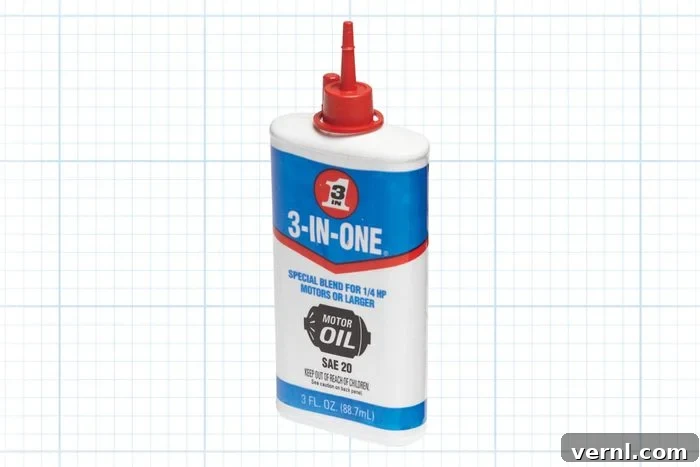
This is arguably the most critical aspect of electric motor maintenance. Using the wrong type of oil can do more harm than good, potentially leading to irreversible damage. Most household electric motors that require oiling will specify a non-detergent, all-in-one SAE 20 electric motor oil. This type of oil is specifically formulated to handle the unique demands of electric motors, including high operating temperatures and the need for a stable, non-foaming lubricant.
Understanding Oil Specifications
- Non-Detergent Oils: Unlike automotive engine oils which contain detergents to suspend dirt and carbon, electric motor oils must be non-detergent. Detergents can break down existing grease in sealed bearings (even if the motor has oil ports for other components) or cause foaming, which reduces lubrication effectiveness. More importantly, detergents can act as solvents, dissolving the insulation on motor windings and leading to catastrophic short circuits and motor burnout.
- SAE 20 Viscosity: The SAE (Society of Automotive Engineers) rating indicates the oil’s viscosity. SAE 20 is a common recommendation for many small electric motors, offering a balanced viscosity that performs well across typical operating temperatures without being too thin or too thick.
- Specialized Formulations: While SAE 20 non-detergent oil is a common starting point, some motors, particularly those designed for heavy-duty industrial use or specific applications, might require different viscosity oils or even specialized grease. Always refer to your appliance’s manual. “For example, hair trimmers with electric motors use a different viscosity lubricant than an electric garbage disposal motor does,” explains Brandon Walker, superintendent at ASAP Restoration. “If you try to use one in place of the other, you will cause a burn-out of the motor, or worse.”
The Dangers of Using Automotive Oil
A common mistake is using automotive motor oil on electric motors. As Shlomo Cherniak warns, “The most common pitfall [to oiling an electric motor] is using the wrong type of oil. Avoid automotive oils, as they are usually too thin and contain detergents that can damage the motor.” Automotive oils are engineered for internal combustion engines, which operate under vastly different conditions. Their detergents are highly effective at cleaning engine components, but as mentioned, they can strip away motor insulation, causing electrical shorts. Additionally, their viscosity profile might not be suitable, leading to either insufficient lubrication or excessive drag, both of which can shorten the motor’s life or cause immediate failure.
Consequences of Improper Lubrication: More Than Just Wear and Tear
Understanding why specific oils are crucial also means understanding the negative impacts of incorrect lubrication:
- Motor Burnout: Using a detergent oil can dissolve insulation, leading to electrical shorts. Using an oil with incorrect viscosity can cause excessive friction and heat, leading to winding burnout.
- Reduced Efficiency: Improper lubrication increases friction, forcing the motor to work harder to achieve its desired speed and power. This results in higher energy consumption and decreased operational efficiency.
- Bearing Failure: The primary purpose of oil is to protect bearings. Wrong oil type or insufficient oiling directly leads to premature bearing wear, causing noisy operation (grinding, squealing) and eventual catastrophic failure.
- Overheating: Friction generates heat. Without proper lubrication, heat can build up excessively, damaging not only the bearings but also the motor windings and other internal components.
- Contamination: Over-oiling or using oils that attract dust can lead to a build-up of abrasive sludge inside the motor, accelerating wear.
FAQ: Your Questions About Electric Motor Oiling Answered
Why do you have to use a specialized oil for electric motors?
Using specialized oil for electric motors is paramount for several reasons. As Melanie Powers explains, it’s essential “to prevent buildup and because electric motors generate high heat temperatures, so you want an oil that can perform under such conditions.” Specialized electric motor oils are formulated without detergents that could damage motor insulation and are designed with specific viscosities to maintain a protective film under the high temperatures and continuous operation common in electric motors. This precise formulation ensures optimal lubrication, reduces friction on bearings, and effectively dissipates heat, thereby preventing premature wear and significantly prolonging the motor’s life. As Brandon Walker notes, “Using oils with the wrong viscosity will cause the parts to abrade each other, and this friction contact causes heat, which then further degrades the oil and causes a runaway cycle,” leading to accelerated damage.
Do all electric motors need oil?
No, definitely not all electric motors need oil. A vast majority of modern electric motors are designed with sealed bearings that are pre-lubricated at the factory and are intended to be maintenance-free throughout their operational life. These sealed units do not have oil ports and should not be tampered with. Trying to force oil into a sealed bearing can actually damage it or introduce contaminants. “For bearings that are intended to operate in contact with one another, then you likely won’t need oil at all,” says Walker. “For the kinds that do require it, then it must be a specialized formulation.” Always check for oil ports and consult the owner’s manual before assuming a motor needs oil.
Where are the most common electric motors around the house that need oil?
While many modern household electric motors are sealed, depending on the make, model, and age, certain appliances and tools may still feature motors designed for periodic oiling. It’s always best to check your specific device’s manual. Common household electric motors that may need to be oiled include:
- HVAC Systems: Specifically, blower motors in older furnaces or air handlers might have oil ports. These motors work hard to move air, making proper lubrication critical.
- Electric Pumps: Sump pumps, well pumps, or other utility pumps, particularly older models, often require periodic oiling to ensure smooth operation of their heavy-duty motors.
- Ceiling and Other Fans: Some older or industrial-grade ceiling fans, attic fans, or whole-house fans have accessible oil reservoirs for their motors.
- Older Appliances: Vintage refrigerators, washing machines, or clothes dryers might have motors that were designed to be oiled.
- Electric Heaters: Portable electric heaters with internal fans can sometimes have motors that require lubrication.
- Exhaust Fan Motors: Bathroom or kitchen exhaust fans, especially older or more robust models, might have small motors with oil ports.
- Sewing Machines: The motors in older, mechanical sewing machines often have small lubrication points.
- Power Tools: Bench grinders, drill presses, or table saws, particularly older, heavier-duty models, frequently have exposed motor bearings with oil ports.
As Cherniak advises, “Keep a log of which devices need oiling and record the dates when you last serviced them to keep up with them consistently.” This proactive approach ensures no motor is overlooked, leading to greater reliability and longevity for your valuable appliances and tools.
Conclusion: The Value of Vigilant Maintenance
While many of today’s electric motors are a “set it and forget it” affair, those that require oiling present an opportunity for homeowners to actively participate in the longevity of their appliances and tools. Understanding how to identify oilable motors, selecting the correct non-detergent electric motor oil, and following a simple, safe oiling procedure can prevent costly repairs and replacements. This routine maintenance, though seemingly minor, forms a critical barrier against friction, heat, and wear, ensuring your motors run efficiently, quietly, and reliably for years to come. Always consult your owner’s manual for specific instructions, and when in doubt, lean on the advice of qualified professionals.
About the Experts
- Melanie Powers is president at Goodberlet Home Services, a female-owned plumbing, construction, electrical and HVAC repair company, serving parts of Illinois and Indiana since 1982.
- Shlomo Cherniak owns Cherniak Home Services, a handyman service serving the Baltimore area for more than 10 years, offering services from installing kitchen cabinets to fixing leaky faucets and hanging pictures.
- Brandon Walker is a superintendent at ASAP Restoration in Tempe, Arizona. He has been in the construction industry for more than 20 years, starting as a teenager and working his way up to running his own company.