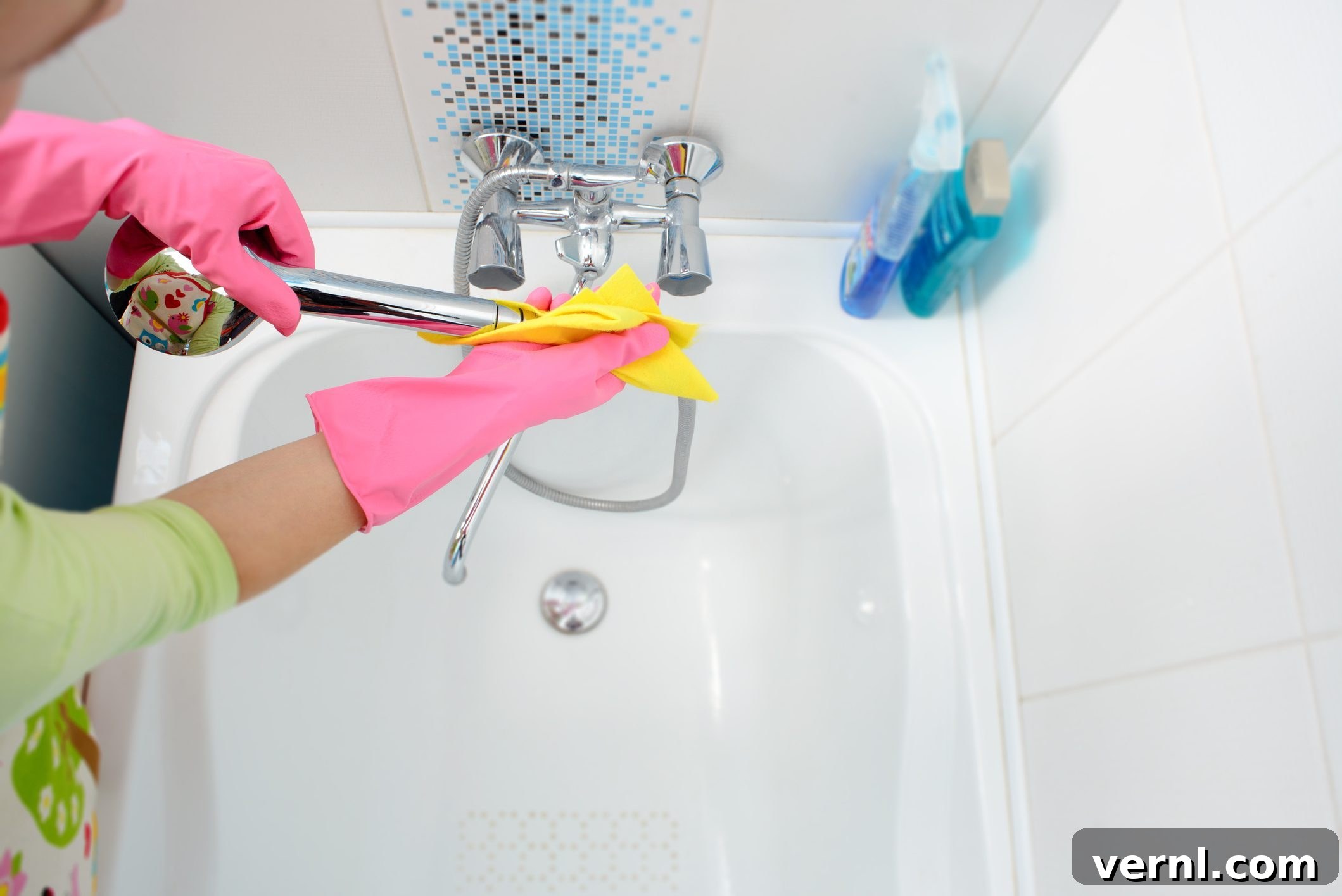
The Ultimate Guide to Conquering Stubborn Soap Scum: Remove It & Keep It Gone for Good
Soap scum – that infamous white, chalky film that seems to appear out of nowhere – is a ubiquitous and frustrating problem in almost every bathroom. From clouding pristine glass shower doors to dulling the shine of tiles, faucets, and tubs, its stubborn presence can quickly diminish the sparkle and hygiene of even the cleanest spaces. While it might feel like an endless, unavoidable battle, understanding the true causes of soap scum and adopting effective strategies for its removal and prevention can transform your bathroom cleaning routine from a dreaded chore into a manageable task. Say goodbye to relentless scrubbing and hello to a consistently sparkling, pristine bathroom.
In this comprehensive guide, we’ll dive deep into the science behind soap scum formation, equip you with the best and most efficient methods to eliminate it from various bathroom surfaces, and share proactive tips to prevent its unwelcome return. By the end, you’ll have all the knowledge and tools you need to maintain a cleaner, fresher, and more inviting bathroom with significantly less effort.
What Exactly Causes Soap Scum? Unmasking the Bathroom’s White Menace
The name “soap scum” is quite self-explanatory, pointing directly to its origin. But it often leaves us wondering: how can the very product we use daily to cleanse and purify our bodies wreak such havoc on our bathroom surfaces? The truth is, the primary culprit isn’t the soap itself in isolation, but rather an unfortunate chemical reaction between soap and the mineral content in your water – especially if you live in an area with what’s known as “hard water.”
Hard water is characterized by a significantly higher concentration of dissolved minerals, predominantly calcium and magnesium ions. When these specific minerals come into contact with the fatty acids that are a key component of traditional bar soaps, a chemical reaction occurs. This reaction produces an insoluble substance – meaning it doesn’t dissolve in water – which is sticky and has a distinct affinity for adhering tenaciously to various bathroom surfaces. This tenacious, difficult-to-remove residue is precisely what we commonly refer to as soap scum.
Over time, this initial sticky mixture begins to trap and accumulate other elements commonly found in a bathroom environment. These include dead skin cells, natural body oils, residues from shampoos and conditioners, and general airborne dirt particles. This compounding effect makes the problem progressively worse, causing the film to thicken, darken, and become significantly harder to remove. The longer this unsightly buildup is left unattended, the more formidable it becomes, solidifying its grip on surfaces and demanding more rigorous and time-consuming cleaning efforts. This progressive accumulation underscores the critical importance of tackling soap scum as soon as it appears, rather than allowing it to become a deeply entrenched problem.
Essential Tools and Safety for Effective Soap Scum Removal
Before you embark on your mission to eradicate soap scum, it’s wise to gather the necessary tools and prioritize safety. Wearing rubber gloves is highly recommended to protect your hands from harsh cleaning solutions and the grime itself. Ensuring good ventilation by opening windows or turning on your bathroom fan is crucial when working with any cleaning chemicals. For particularly stubborn areas or when applying spray cleaners, consider wearing safety goggles to protect your eyes from accidental splashes.
- Spray Bottle: An indispensable item for mixing and applying homemade solutions like vinegar and dish soap.
- Non-Abrasive Sponges: Ideal for scrubbing without scratching delicate bathroom surfaces.
- Microfiber Cloths: Excellent for polishing, wiping down, and drying surfaces to a streak-free shine.
- Plastic Scraper Tool: Gentle yet highly effective for carefully removing thick, caked-on layers of soap scum from robust surfaces like tile and porcelain. Avoid on fiberglass or acrylic if unsure.
- Squeegee: Your best ally for achieving perfectly clear, streak-free glass shower doors and minimizing future buildup.
- Soft-Bristled Brush: Useful for tackling soap scum in grout lines or on textured tile surfaces without causing damage.
How to Effectively Remove Soap Scum: A Targeted Surface-by-Surface Approach
Different bathroom surfaces react differently to cleaning agents and abrasive tools. Therefore, a tailored approach is essential to effectively eliminate soap scum without causing any damage. Here’s how to tackle the challenge for the most common bathroom areas:
Sparkling Glass Shower Doors: Unveiling Clarity
Glass shower doors are often the first place where the insidious nature of soap scum becomes overtly noticeable, manifesting as a cloudy, opaque film that severely detracts from your bathroom’s overall cleanliness and aesthetic appeal. Our go-to homemade solution for glass is not only incredibly simple to prepare but also remarkably effective at restoring their pristine clarity.
In a spray bottle, combine two cups of common white vinegar with two tablespoons of a powerful grease-cutting dish soap, such as Dawn. The high acetic acid content naturally present in white vinegar is a formidable opponent to hard water minerals and soap residue, actively working to dissolve these stubborn deposits. Concurrently, the dish soap acts as an exceptional degreaser, breaking down oils and aiding the mixture in adhering effectively to the vertical glass surface. This increased contact time allows the solution to penetrate and break down the grime more thoroughly, creating a potent, dual-action attack on the buildup.
Generously spray this powerful mixture onto your glass shower doors, ensuring thorough coverage from the top edges down to the bottom. Allow the solution ample time to sit and penetrate the soap scum for at least 10 to 15 minutes. For doors with particularly heavy or long-standing grime, you might extend this dwell time to 20-30 minutes, or even longer for extreme cases. This waiting period is absolutely crucial, as it gives the acidic solution the necessary time to chemically break down the mineral bonds and soften the hardened soap scum. After the designated dwell time, scrub the glass vigorously yet carefully with a non-abrasive sponge. You will distinctly notice the scum beginning to loosen, dissolve, and lift away with relative ease. Finally, rinse the doors completely with warm water, ensuring all traces of the cleaning solution and dislodged scum are washed away. The critical final step for a truly flawless finish is to immediately use a squeegee to dry the glass. This simple action is vital for achieving a perfectly clear, streak-free shine that will make your glass doors appear brand new and enhance the brightness of your entire bathroom.
Revitalizing Bathroom Tile and Grout: Restoring Shine
Bathroom tile walls, particularly those within shower enclosures, are notorious magnets for soap scum accumulation. This is especially true for grout lines, where the porous and textured surface provides numerous anchor points for residue to cling to. If you are confronted with a significantly thick, encrusted layer of soap scum on your tiles, it’s wise to begin by gently dislodging the bulk of this heavy buildup. A plastic scraper tool is ideal for this initial step; it helps to physically remove the top layers, reducing the amount of scrubbing required later and allowing your cleaning solutions to work more effectively on the stubborn base layer of grime. Always exercise caution and use only a plastic scraper to avoid inadvertently scratching or damaging delicate tile surfaces or grout.
Once the heaviest buildup has been carefully removed, it’s time to move on to the deep cleaning phase to make your tile shine. For this, we highly recommend using a powerful, purpose-formulated soap-scum-removing product specifically designed for bathroom environments. A particularly effective and widely praised option is Scrubbing Bubbles Bathroom Grime Fighter. Its innovative foaming action is exceptionally good at penetrating tough soap scum layers, lifting them away from the tile surface. As an additional, significant benefit, this product also acts as a powerful disinfectant, effectively killing a wide range of common viruses and bacteria that thrive in humid bathroom conditions. Spray the product liberally over the tiled surface, ensuring complete coverage, and allow it to sit for the recommended duration specified on the product label (typically just a few minutes). Following the dwell time, scrub the tiles thoroughly with a sponge or a soft-bristled brush, paying particular attention to the grout lines where grime tends to embed itself. Finally, rinse the entire area thoroughly with clean water until all traces of the product and dislodged scum are completely gone. For areas containing porcelain tubs, you can enhance the scrubbing power by sprinkling a small amount of salt onto the cleaner or directly onto the sponge before scrubbing; however, be extremely cautious and avoid using salt or other abrasives on fiberglass tubs, as they are much more prone to scratching and irreversible damage.
Reclaiming Your Bathtub’s Sparkle: From Dull to Dazzling
The bathtub, intended as a sanctuary for relaxation and cleanliness, can quickly become an unappealing eyesore when coated in layers of unsightly soap scum. Fortunately, the same powerful commercial products you might employ for your shower or tile can also be highly effective in the tub. However, for those who prefer a fantastic homemade alternative that is both gentle on surfaces yet potent against grime, look no further than ordinary baking soda.
Baking soda, a remarkably versatile household staple, acts as a gentle yet effective abrasive. Its fine crystalline structure works by carefully scrubbing away soap scum without posing a significant risk of scratching most common tub surfaces. To create a potent cleaning paste, simply mix about 1/3 cup of baking soda with just enough water to achieve a thick, spreadable consistency. The goal is a paste that will readily adhere to the tub’s surface without being too runny. Using a damp sponge or a soft microfiber cloth, scoop up a generous amount of the paste and rub it meticulously onto the entire surface of your bathtub, focusing intently on areas with heavier soap scum buildup. Allow the paste to sit for several minutes; this dwell time permits its mild alkaline properties to begin breaking down the tough grime. After the allotted time, scrub the tub vigorously with your sponge or cloth, applying firm but controlled pressure. You’ll be genuinely amazed at how easily the soap scum lifts away, revealing the pristine, shiny surface underneath. Conclude by rinsing the tub thoroughly with warm water, ensuring all baking soda residue and loosened scum are completely washed away.
A vital note on tub materials: If your bathroom features a porcelain tub, you have the option to add a small pinch of salt to your baking soda paste. This addition provides extra abrasive power, which can be particularly helpful for tackling deeply embedded or exceptionally stubborn stains. However, it is absolutely crucial to exercise extreme caution and avoid using salt or any overly abrasive scrubbers on fiberglass tubs, as fiberglass is significantly more susceptible to scratches and permanent surface damage. Always confirm your tub’s material before applying any strong abrasive cleaners or using harsh scrubbing tools to prevent irreparable harm.
Proactive Strategies: How to Prevent Soap Scum from Returning (and Reduce Cleaning Efforts)
While mastering effective removal techniques is immensely satisfying, the ultimate goal in the battle against soap scum is to prevent it from forming in the first place. Incorporating a few simple habits and preventative measures into your regular routine can drastically reduce the frequency and intensity of your cleaning efforts, keeping your bathroom looking pristine and fresh with minimal fuss in the long run.
- Switch to Liquid Soaps or Shower Gels: Traditional bar soaps, by their very inherent nature, often contain ingredients like talc and other binding agents that are highly prone to reacting with the hard water minerals (calcium and magnesium) to form insoluble soap scum. Liquid soaps and shower gels, on the other hand, are typically formulated with synthetic detergents. These detergents are designed not to react with minerals in the same way, thus significantly reducing the amount of insoluble residue left behind on your surfaces. This simple switch can lead to a noticeable reduction in soap scum buildup over time.
- Utilize Water-Repellent Coatings: For glass shower doors, applying a specialized water-repellent product, such as Rain-X Shower Door Water Repellent, about once a month can make a profound difference. These innovative products create an invisible, hydrophobic barrier on the glass surface. This barrier causes water to bead up and actively roll off the glass, taking dissolved soap residue and minerals with it. By preventing water droplets from drying and leaving behind their mineral deposits, these coatings effectively inhibit the formation of soap scum. The immediate result is clearer glass and a significantly reduced need for frequent, intensive deep cleaning.
- Install a Water Softener: For a truly long-term, comprehensive, and highly effective solution to both hard water problems and, by direct extension, soap scum, consider the installation of a whole-house water softener system. This advanced system works by removing calcium and magnesium ions from your entire water supply *before* it even reaches your bathroom faucets and showerheads. By eliminating the root cause of hard water, it fundamentally prevents the chemical reaction that forms soap scum. While it represents a more significant upfront investment, a water softener offers numerous benefits throughout your entire home, including better lathering of soaps and shampoos, cleaner dishes, and extending the lifespan of all your water-using appliances. It stands as the most comprehensive and effective preventative measure against hard water mineral buildup and the resulting soap scum.
- Wipe Down Surfaces After Each Use: This simple, yet incredibly effective, daily habit can dramatically reduce soap scum accumulation. After showering, take a mere minute or two to quickly wipe down glass doors with a squeegee, and tile walls and fixtures with a microfiber cloth. This action physically removes the vast majority of water droplets and any lingering soap residue before they have a chance to dry, harden, and transform into stubborn scum. This small daily effort saves countless hours of more intensive scrubbing in the long run.
- Rinse Shower Walls Thoroughly: Before stepping out of the shower, make it a habit to give the walls and doors a quick, thorough rinse with clean water. This action helps to wash away any remaining soap suds and residues, minimizing the amount of material left to dry and contribute to scum formation on surfaces.
Top-Rated Soap Scum Removers: Commercial Solutions for Tough Jobs
While homemade solutions are often remarkably effective for regular cleaning and lighter buildup, sometimes the sheer power of a specialized commercial cleaner is indispensable. This is especially true when tackling severe soap scum buildup or for efficient routine maintenance with minimal physical effort. Here are some of the best products on the market, highly renowned for their proven ability to cut through even the toughest grime and restore your bathroom’s sparkle:
Scrubbing Bubbles Bathroom Grime Fighter
This widely popular and highly effective cleaner is a true workhorse against a broad spectrum of bathroom grime. Its powerful foaming action is specifically designed to penetrate deep into layers of soap scum, actively dissolving it upon contact. Beyond its excellent cleaning capabilities, Scrubbing Bubbles also boasts strong disinfecting properties, capable of killing up to 99.9% of common viruses and bacteria found in bathroom environments, thus offering a dual-action solution for a truly clean and hygienic space. It is safe for use on a variety of typical bathroom surfaces, including ceramic tile, chrome fixtures, fiberglass, and porcelain. A reliable choice for consistent cleaning power. Shop Now on Amazon
Bar Keepers Friend Soft Cleanser
A time-tested classic and a favorite among cleaning enthusiasts, Bar Keeper’s Friend Soft Cleanser is an excellent choice for tackling stubborn stains and heavy grime. This cleaner features a mildly abrasive texture combined with the power of oxalic acid. Oxalic acid is exceptionally effective at breaking down mineral deposits such as hard water stains, rust, and, of course, tough soap scum. The “soft cleanser” formulation means it is less abrasive than its powdered counterpart, making it suitable for a wider range of surfaces including stainless steel, porcelain, and even fiberglass, provided it is used with caution and always tested in an inconspicuous area first. Simply apply, gently scrub with a damp cloth or sponge, and rinse for impressively clean results. Shop Now on Amazon
Rejuvenate Soap Scum Remover
Often lauded by users as a “miracle worker,” Rejuvenate Soap Scum Remover is highly celebrated for its fast-acting, non-toxic, and non-abrasive formula. This convenient spray-on solution is specifically engineered to make light work of even the most stubborn soap scum, general grime, and hard water stains across a variety of surfaces, including delicate glass shower doors, ceramic tile, chrome fixtures, and more. The application process is remarkably simple: generously spray the product onto the affected area, wait just three minutes to allow the powerful formula to penetrate and dissolve the grime, then lightly scrub with a sponge or cloth, and finally, rinse clean. It consistently delivers professional-grade results with minimal physical effort, making it a top recommendation for quick and highly effective soap scum removal. Shop Now on Amazon
To summarize the key benefits of these top-rated commercial soap scum removers:
- Scrubbing Bubbles Bathroom Grime Fighter: Delivers powerful foaming action that effectively penetrates and dissolves tough soap scum while simultaneously disinfecting surfaces to eliminate harmful viruses and bacteria.
- Bar Keeper’s Friend Soft Cleanser: Employs a mild abrasive action combined with oxalic acid, making it highly effective at cutting through soap scum, dissolving hard water stains, and removing rust.
- Rejuvenate Soap Scum Remover: A fast-acting, non-toxic, and non-abrasive spray solution that rapidly dissolves soap scum and hard water stains with remarkably minimal scrubbing required.
Conclusion: Enjoy a Sparkling, Scum-Free Bathroom with Ease
Soap scum might be a persistent and seemingly unavoidable opponent in the quest for a clean bathroom, but with the right knowledge, the appropriate tools, and a consistent application of effective techniques, it is undoubtedly a battle you can easily and consistently win. By deeply understanding its underlying causes, employing targeted and efficient cleaning strategies tailored for different bathroom surfaces, and diligently adopting proactive prevention habits, you can keep your bathroom consistently clean, sparkling, and hygienic.
Whether you prefer to rely on the tried-and-true effectiveness of DIY solutions like vinegar and baking soda, or opt for the potent convenience of powerful commercial cleaners, consistency truly is the key. Make soap scum removal and prevention a regular and integrated part of your overall bathroom maintenance routine. By doing so, you will unlock the secret to enjoying a fresher, more hygienic, and visually appealing space that truly shines, day after day. Say a final goodbye to the frustrating, endless cycle of scrubbing and welcome a bathroom you can genuinely be proud of, one that remains gleaming with minimal effort.