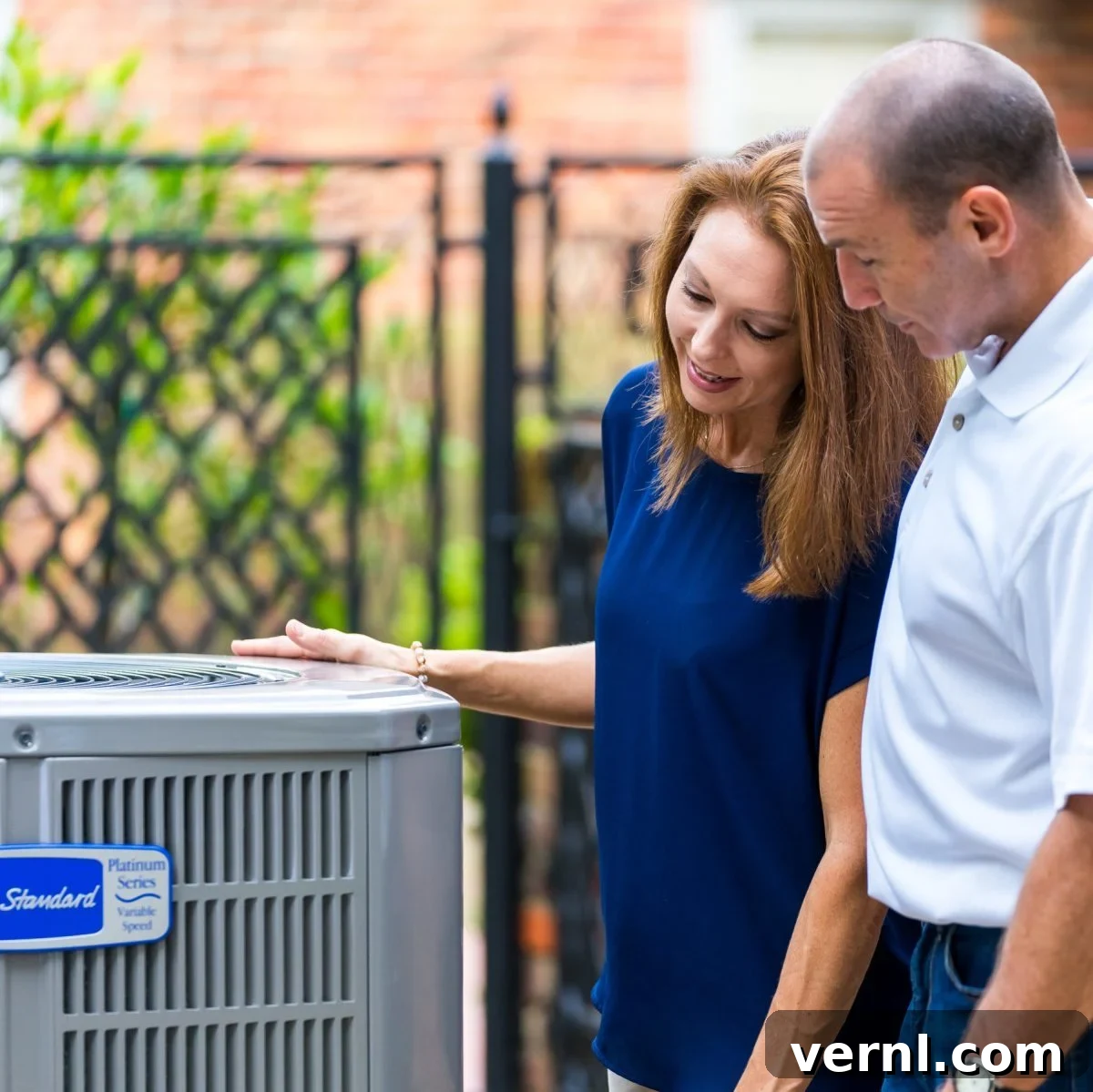
For many homeowners, especially those new to property management, the term HVAC can sound like complex industry jargon. Yet, understanding your HVAC system is fundamental to maintaining a comfortable, healthy, and energy-efficient home. HVAC, which stands for Heating, Ventilation, and Air Conditioning, is the unsung hero that silently works to regulate your indoor climate year-round. It’s an essential, significant investment that directly impacts your daily living experience and long-term property value. Recognizing this crucial need for accessible information, American Standard Heating and Air Conditioning has launched Homeowning 01, a dedicated online resource curating helpful content designed to better equip new (and seasoned, but less hands-on) homeowners with a deeper understanding of how to care for their vital home systems.
Think of your HVAC system as the very heart of your home. Just like any vital organ, it requires attention and regular care to perform optimally. While the thought of managing such a complex system might seem daunting, it doesn’t have to be. There are numerous simple, yet highly effective, steps you can take to maintain, and even significantly enhance, its performance and longevity. Going beyond the basic instruction manual, these practical tips will empower you to keep your home’s comfort system in peak condition, ensuring a more enjoyable living environment and potentially significant savings on utility bills. Let’s delve into these straightforward strategies to become a more informed and proactive homeowner.
1. Getting Acquainted with Your HVAC System
Before you can properly care for your HVAC system, you need to understand what it is and how it functions within your home. Take a moment to truly “meet” your unit. While you don’t need to become an HVAC technician overnight, a basic understanding of its components and operation is incredibly beneficial. Start by identifying the type of system you have – common configurations include a split system (separate indoor and outdoor units), a hybrid system (combining an electric heat pump with a gas furnace), or perhaps even a ductless mini-split system for specific zones. Locate its key components: the outdoor compressor/condenser unit, the indoor air handler or furnace, and the main electrical shut-off switch (often found near the outdoor unit or your home’s main electrical panel). Knowing where your air filter is inserted is also crucial.
Your user manual is an invaluable resource for this initial introduction. It contains specific details about your make and model, recommended maintenance schedules, and troubleshooting tips. If your manual is missing, don’t fret. Look for the manufacturer’s name, make, and model number on your unit’s data plate (usually on the side of the outdoor unit or inside the access panel of the indoor unit). A quick online search or a direct call to the manufacturer can often provide you with a digital copy. Understanding these basics will not only help you perform routine maintenance but also enable you to communicate more effectively with professionals if a repair is ever needed. This foundational knowledge is the first step towards empowered homeownership.
2. The Critical Role of Air Filters
One of the simplest yet most impactful maintenance tasks you can perform is regularly changing your HVAC air filter. This seemingly small component plays a monumental role in both your indoor air quality and the efficiency of your heating and cooling system. It acts as a barrier, trapping dust, pollen, pet dander, and other airborne particulates before they can circulate through your home or accumulate within your HVAC unit’s sensitive internal components.
The general recommendation is to replace your air filter at least every month, particularly during peak heating and cooling seasons when your unit is working its hardest. However, this frequency can vary based on several factors: if you have pets, residents with allergies or asthma, a larger household, or if your home is located in a particularly dusty environment, you might need to change it even more frequently. On the other hand, a single-person household without pets might get away with changing it every two to three months. Neglecting filter changes can lead to a host of problems, including reduced airflow, decreased system efficiency, increased energy bills, and even damage to your HVAC unit as it struggles to pull air through a clogged filter.
When selecting a replacement filter, it’s vital to use the factory-recommended size. The dimensions are typically printed on the side of your current filter. Using a filter that is too small might seem to fit, but it will create gaps, allowing unfiltered air to bypass the filter and circulate directly into your home. This defeats the purpose of the filter and allows contaminants to build up in your ductwork. Air filters also come with different MERV (Minimum Efficiency Reporting Value) ratings, which indicate their ability to capture smaller particles. Higher MERV ratings offer superior filtration but can sometimes restrict airflow, so it’s essential to find a balance that suits your system and your home’s air quality needs. Consult your HVAC professional or your system’s manual for the optimal MERV rating for your specific unit.

3. Mastering Your Thermostat for Optimal Comfort and Savings
The thermostat, often a small box on your wall, is the central command center for your entire HVAC system. Its strategic placement, typically in a central location away from direct sunlight, drafts, or heat-generating appliances, is crucial because it’s responsible for accurately sensing your home’s ambient temperature and communicating with your heating and cooling units. Understanding how to effectively use your thermostat is key to both maintaining comfort and managing energy costs.
Thermostats have evolved significantly over the years. Basic non-programmable models require manual adjustment every time you want to change the temperature. While simple, they offer less flexibility for energy savings. Programmable thermostats allow you to set schedules for different times of the day and week, automatically adjusting the temperature to align with your family’s routine. For instance, you can program it to raise the temperature in summer or lower it in winter while you’re away at work, then return to a comfortable setting just before you arrive home. This proactive approach can lead to substantial energy savings without sacrificing comfort.
Today’s market also offers advanced smart thermostats, like American Standard’s AccuLink™ Gold 824 Control. These cutting-edge devices provide unparalleled convenience and control. Many smart thermostats can be managed remotely via a smartphone app, allowing you to adjust settings, monitor energy usage, and receive alerts from anywhere with an internet connection. Some even feature learning capabilities, adapting to your preferences over time, or geofencing technology, which uses your phone’s location to know when you’re home or away. Beyond convenience, smart thermostats offer detailed energy reports, helping you identify opportunities for further savings.
Regardless of the type, remember that many thermostats (especially older programmable models) are battery-powered and require periodic battery changes. Typically, accessing the battery compartment involves gently pulling off or unscrewing the cover. If your thermostat goes blank or starts acting erratically, checking the batteries is often the first troubleshooting step. However, if you encounter any wiring issues or suspect a malfunction beyond a simple battery replacement, it’s always best to leave the intricacies of internal wiring to a qualified HVAC professional to avoid potential damage or safety hazards.
4. Nurturing Your Vents: The Gateways to Airflow
Vents are the visible endpoints of your home’s ductwork, responsible for distributing conditioned air into your living spaces and drawing stale air back into the system. Over time, these vents can accumulate a surprising amount of dust, dirt, and debris, which not only detracts from your home’s cleanliness but also impedes proper airflow. When vents are clogged, your HVAC system has to work harder to push or pull air, leading to reduced efficiency and increased energy consumption.
Establishing a routine for cleaning your vents is a simple yet effective way to maintain good air quality and system performance. Aim to give them a quick sweep every few weeks, especially during seasons of heavy HVAC use. A regular soft-bristled broom or a vacuum cleaner with a brush attachment can effectively dislodge surface dust from the grilles. For a deeper clean, you can dampen a microfiber cloth and carefully wipe down the slats and surrounding wall or ceiling areas. It’s often helpful to clean in the direction the slats face to ensure thorough removal of dust. Don’t forget to clean both supply vents (where conditioned air comes out) and return vents (where air is drawn back in).
Beyond cleaning, ensure that your vents are not obstructed by furniture, rugs, or curtains. Blocked vents can significantly restrict airflow, creating uncomfortable hot or cold spots in rooms and forcing your system to operate less efficiently. While vent cleaning is a manageable DIY task, it’s important to differentiate it from professional duct cleaning, which targets the deeper, unseen areas of your ductwork.
5. The Deeper Clean: When to Consider Duct Maintenance
While regularly cleaning your vents addresses the visible surface dust, the unseen network of air ducts behind them can also accumulate significant amounts of dirt, allergens, and even mold over time. This deeper accumulation can impact your indoor air quality and the efficiency of your HVAC system. Unlike vent cleaning, duct cleaning is typically a job for a qualified HVAC professional, and it generally doesn’t need to be done as frequently as filter changes or vent cleaning.
So, when might it be time to consider professional duct cleaning? Several indicators suggest your ducts could benefit from a thorough cleaning. If you notice your home is consistently dusty, even after regular cleaning, or if you’ve recently undergone major renovations that generated a lot of construction dust, a professional cleaning can remove trapped debris. Persistent musty odors, unexplained allergy symptoms among residents, or evidence of mold growth or pest infestations within your ductwork are also strong signals that professional attention is warranted. Additionally, if you’ve recently moved into an older home and are unsure of its maintenance history, a duct inspection and potential cleaning can be a good proactive measure.
A professional duct cleaning involves specialized equipment, such as powerful vacuums and brushes, designed to reach deep into the ductwork and dislodge stubborn contaminants. Technicians will thoroughly inspect the system, address any issues like leaks, and ensure all debris is safely removed. It’s also critical to address potential issues like condensation, particularly in humid climates. Air conditioners and furnaces can generate condensation, and if this moisture isn’t properly drained, it can create a breeding ground for mold and mildew. While mold growth on HVAC units isn’t extremely common, if left unaddressed, it can spread into your air ducts and then throughout your home, posing health risks and requiring extensive remediation. Staying on top of your duct health is another crucial layer of home maintenance. If you suspect any issues or simply want an assessment, don’t hesitate to contact your local American Standard Customer Care Dealer to find a specialist who can help maintain your system and ensure optimal indoor air quality.
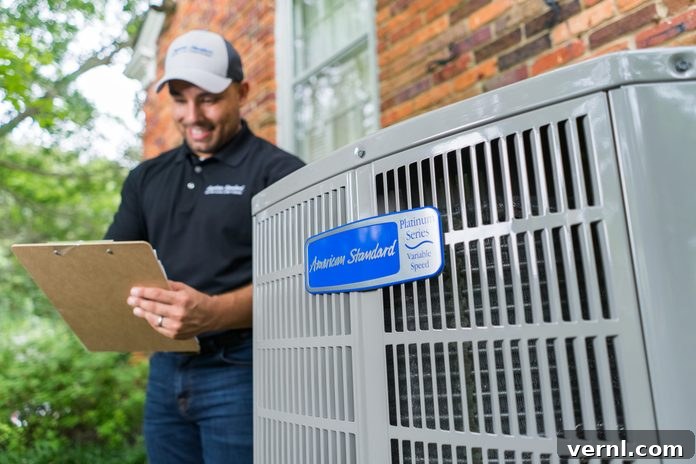
6. Smart Strategies for Energy Efficiency and Cost Savings
One of the most rewarding aspects of proactive HVAC maintenance is the potential for significant savings on your energy bills. There are numerous strategies you can employ to make your heating and cooling system operate more efficiently and reduce your household’s overall energy consumption. Dispelling common myths is a good starting point. For instance, the notion that you can save energy by closing vents in unused rooms is largely false. Doing so can actually upset the delicate balance of air pressure within your duct system, forcing your HVAC unit to work harder, decreasing efficiency, and potentially causing premature wear and tear.
Instead, focus on proven methods. One simple yet effective trick involves intelligently managing natural light. During warmer months, keep your shades, blinds, or curtains closed in rooms exposed to direct sunlight. This prevents solar heat gain from warming up your home, reducing the load on your air conditioning. Conversely, in winter, open those same window coverings during the day to allow natural sunlight to passively warm your interior, providing “free” heat and lessening the need for your furnace to kick on. This passive solar heating and cooling is an easy, no-cost way to make a difference.
Beyond window treatments, consider your home’s insulation and airtightness. Proper insulation in your attic, walls, and floors acts as a thermal barrier, preventing heat transfer between your home and the outdoors. Sealing air leaks around windows, doors, and utility penetrations with weatherstripping and caulk can drastically reduce drafts and improve your home’s ability to maintain a desired temperature. For larger homes or those with varying temperature preferences, consider a zoning system, which allows you to independently control the temperature in different areas of your house, ensuring comfort only where and when it’s needed.
Optimizing your thermostat settings, as discussed earlier, plays a crucial role. Utilize programmable or smart thermostat features to set back temperatures when you’re away or asleep. Even a small adjustment of a few degrees can translate into noticeable savings. Furthermore, ceiling fans can complement your HVAC system; running them counter-clockwise in summer creates a cooling breeze, allowing you to set your thermostat a few degrees higher and still feel comfortable. In winter, reversing the fan direction to clockwise at a low speed helps circulate warm air that rises, distributing heat more evenly.
Finally, never underestimate the power of regular professional HVAC tune-ups. Just like your car, your heating and cooling system benefits from annual inspections and maintenance by a certified technician. These preventative visits can identify minor issues before they escalate into costly repairs, ensure your system is operating at peak efficiency, and extend its lifespan. Combining these proactive measures will not only enhance your home’s comfort but also significantly contribute to a greener planet and a healthier wallet.
Being an HVAC system owner doesn’t have to be intimidating. By understanding the basics and implementing these simple, proactive maintenance tips, you can ensure your unit continues to work efficiently, providing comfort and clean air year-round. Remember, your HVAC system is a tireless worker, constantly striving for your well-being and comfort. Your commitment to its care, no matter how small the task, translates into a healthier home, lower energy bills, and a longer lifespan for your valuable investment. And, if ever you encounter a situation that feels beyond your expertise, don’t hesitate to reach out to certified HVAC professionals – they are always ready to provide expert troubleshooting and support.